

A Symphony of Craftsmanship: The Soul of Hill of Tarvit
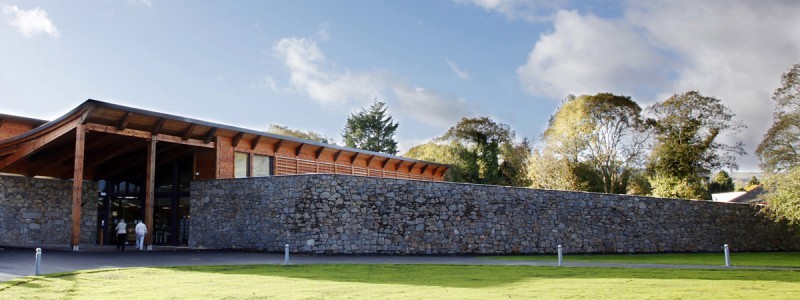
To step across the threshold of Hill of Tarvit is to surrender to the enchanting embrace of a bygone era, where the boundaries between architecture, nature, and fine art dissolve into a singular, cohesive vision. Nestled within the verdant tapestry of the Fife countryside near Cupar, this exquisite estate serves as a living testament to the Edwardian dawn, preserved with profound reverence by the National Trust for Scotland. It is not merely a house, but an immersive sensory experience that celebrates the harmonious ideals of the Arts and Crafts movement. Here, the air seems thick with the legacy of the Sharp family, whose discerning stewardship transformed this residence into a sanctuary of aesthetic refinement, where every pane of leaded glass and every hand-carved oak panel tells a story of intentional beauty and meticulous devotion to the handmade.
The architectural narrative of Hill of Tarvit is defined by the masterful hand of Sir Robert Lorimer, a visionary who rejected the cold sterility of industrial mass production in favor of an organic, soulful elegance. His genius lay in his ability to weave the mansion into the very fabric of the Scottish landscape; the house does not merely sit upon the land but emerges from it. Through the use of locally sourced materials and a design philosophy that prioritizes warmth and light, Lorimer created interiors that feel both grand and intimately connected to the earth. The sunlight, filtered through delicate windows, dances across surfaces that celebrate texture and authenticity, offering a masterclass in how structural design can evoke profound emotional tranquility.
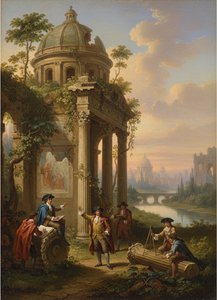
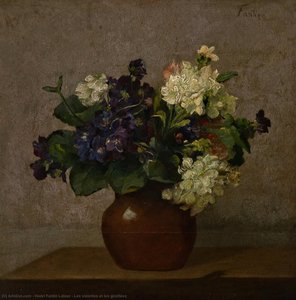
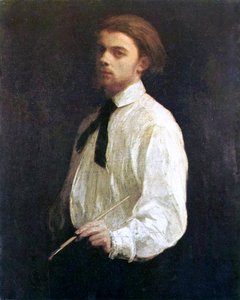
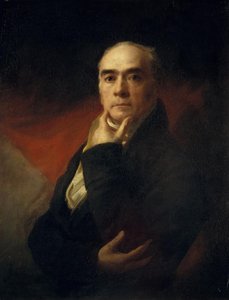
Beyond the architectural shell lies the true heart of the estate: the remarkable Sharp Collection, a curated treasure trove that reflects a life lived in pursuit of cultural excellence. For the art lover and the collector, the collection offers an intimate glimpse into the intellectual and artistic currents of early 20th-century Scotland. Within these walls, one encounters the masterful brushwork of luminaries such as Henry Raeburn and William Simson, whose portraits capture the very essence of their subjects with a haunting, lifelike grace. Yet, the brilliance of the collection extends far beyond canvas; it is a multidimensional dialogue between fine art and decorative mastery. Exquisite tapestries depicting the folklore of Scotland hang alongside ceramics adorned with intricate Celtic motifs, creating a visual rhythm that celebrates both national identity and global artistic sophistication.
What truly distinguishes Hill of Tarvit as a destination for the discerning eye is its seamless integration of leisure and landscape. The estate offers a rare opportunity to witness the intersection of high culture and traditional pastime, exemplified by its dedicated hickory golf course—a nostalgic nod to the sporting traditions of the Edwardian age. As one wanders through the meticulously sculpted yew hedges and vibrant flowering borders of the gardens, the distinction between the curated interior and the wilder beauty of Fife begins to fade. For the interior designer seeking inspiration in period authenticity or the historian tracing the lineage of Scottish craftsmanship, Hill of Tarvit remains an irreplaceable landmark—a place where history does not merely reside in books, but breathes through every textured surface and every sun-drenched corridor.