
A Tapestry of Time: The University of Nottingham Museum
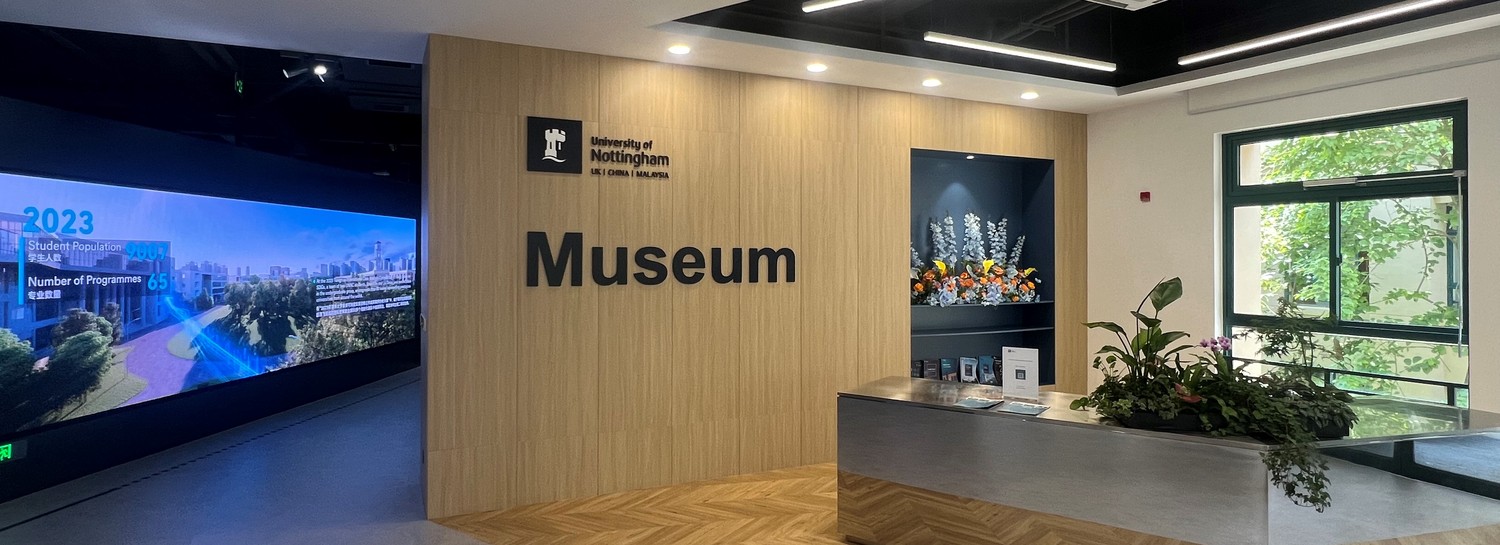
Nestled within the vibrant, creative pulse of the Lakeside Arts Centre, The University of Nottingham Museum offers far more than a mere collection of artifacts; it provides a profound narrative woven through millennia. To step across its threshold is to embark on an intimate journey where the local history of Nottinghamshire intertwines seamlessly with the grand, sweeping epochs of ancient civilizations. The museum functions as a temporal bridge, connecting the prehistoric flint tools of our regional ancestors to the opulent, sun-drenched legacies of the Mediterranean. There is a palpable weight to the air here, a sense of reverence for the lives lived and the worlds lost and rediscovered, making it an essential pilgrimage for those who find beauty in the continuity of human existence.
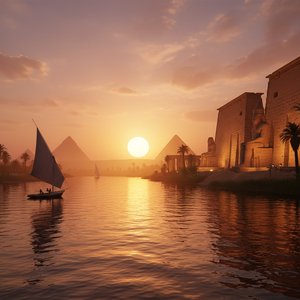
The collection itself is a masterclass in balanced curation, offering a breathtaking duality between regional roots and ancient shores. One moment, a visitor may find themselves contemplating the rugged ingenuity of early humans adapting to the changing landscapes of the East Midlands; the next, they are transported to the sacred realms of Egypt, Greece, and Cyprus. The Egyptian collection, in particular, serves as a poignant portal to the afterlife, featuring amulets imbued with protective symbolism and jewelry that reflects the breathtaking splendor of royal adornment. These objects are not merely static relics but are vessels of spiritual perspective, allowing the modern observer to touch the very essence of ancient ritual and belief.
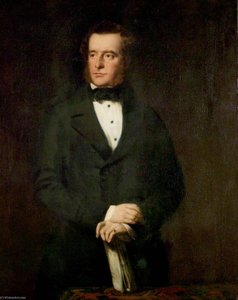
The museum’s historical soul is deeply rooted in the vision of Hugh Stewart, the Principal of University College Nottingham, who began this ambitious assemblage in the early 20th century. What started as a modest collection of archaeological finds has blossomed into a sophisticated repository of global heritage through decades of scholarly dedication and generous stewardship. This spirit of inquiry is further enriched by the museum's unique integration with academic life. Unlike traditional galleries that may prioritize mere spectacle, here, the collections are living subjects of research. Scholars actively scrutinize these treasures, ensuring that every exhibition remains at the cutting edge of historical interpretation and scientific discovery.
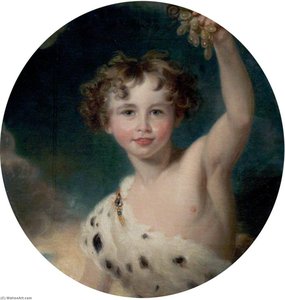
For the connoisseur of fine art and dramatic narrative, the museum offers a unique window into the power of visual storytelling. The presence of works such as those by James Alexander Walker—whose realistic depictions of warfare and battle scenes convey palpable emotion—complements the archaeological treasures by showcasing the enduring human impulse to document struggle and triumph. This synergy between ancient artifact and classical artistry creates an environment of profound contemplation. Whether one is drawn by the modern, light-filled architectural setting of the Lakeside Arts Centre or the deep, historical echoes of the Roman influence on British heritage, the museum stands as a cornerstone of Nottingham’s cultural landscape, offering endless inspiration for collectors, historians, and dreamers alike.