
A Sanctuary of Speed and Spirit: The Vestey Gallery of British Sporting Art
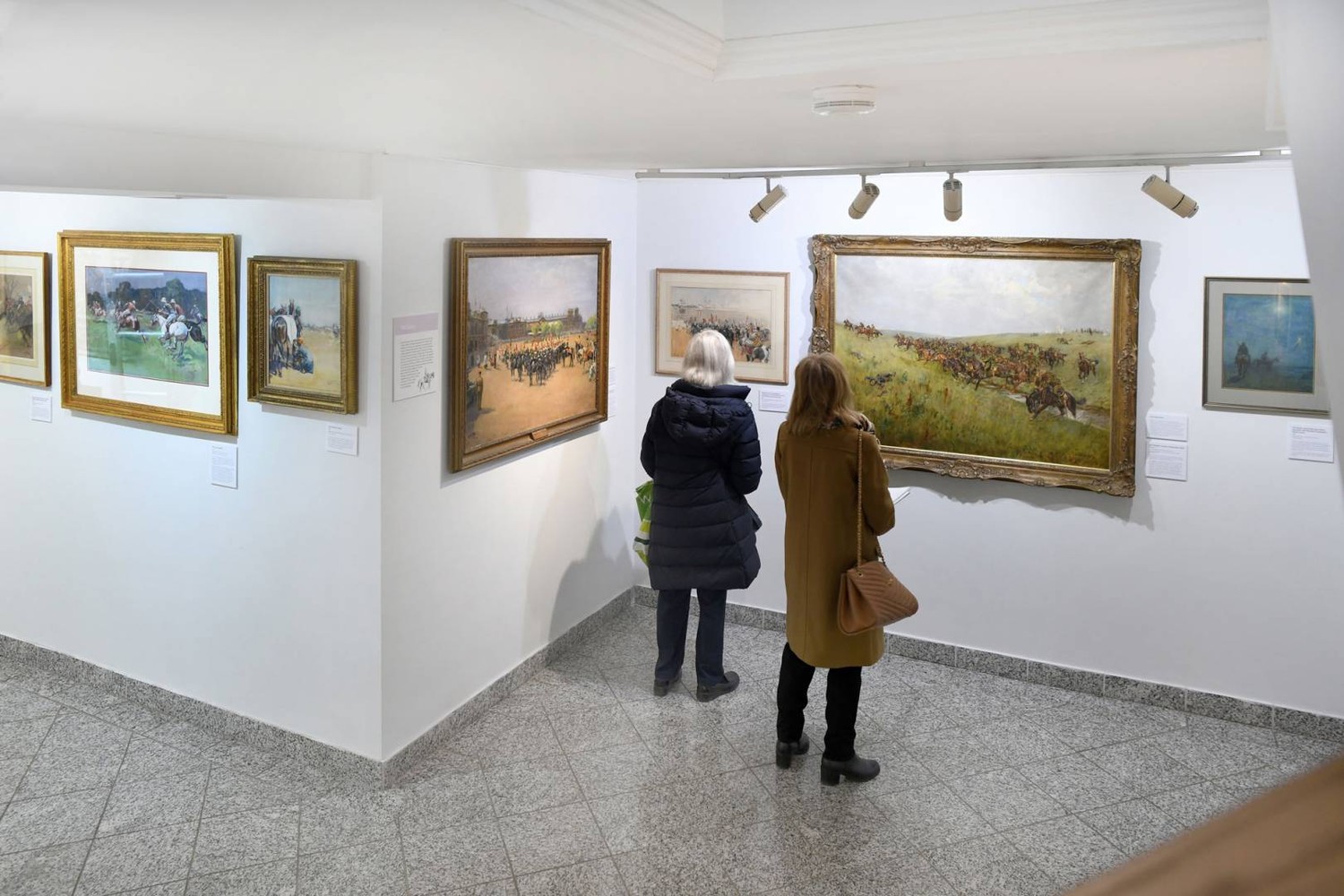
Nestled within the historic grandeur of Palace House in Newmarket, Suffolk, lies a destination where the pulse of the thoroughbred meets the refined stroke of the master’s brush. The Vestey Gallery of British Sporting Art is far more than a mere repository for canvases; it is an immersive odyssey into a world where athleticism and artistry converge. In this corner of England—a town synonymous with the thunder of hooves and the thrill of the race—the gallery serves as a vibrant testament to a cultural heritage deeply interwoven with the landscape and social fabric of the nation. To step inside is to enter a realm where the air seems to hum with the echoes of past victories, transporting visitors back to a golden age of equestrian elegance and sporting prestige.
The architecture of Palace House itself provides a breathtaking stage for this collection. Steeped in royal history since the reign of James I, the building’s stately façades and opulent interiors do not merely house the art; they breathe life into it. The architectural harmony between the historic setting and the works on display creates an atmosphere of profound contemplation. One can almost feel the presence of the monarchs who once frequented Newmarket, captivated by the same spectacle of speed that the gallery preserves today. This seamless blend of structural majesty and artistic brilliance ensures that every visitor experiences a sense of timelessness, as if the boundary between the present day and the storied past has momentarily dissolved.
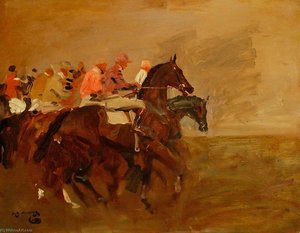
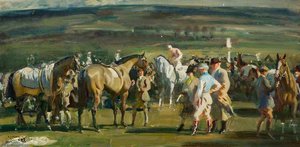
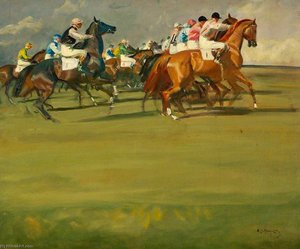
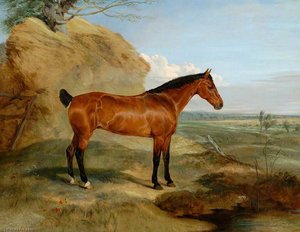
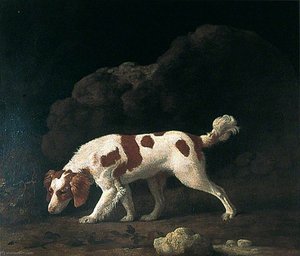
The collection itself is a masterclass in movement and character, showcasing the very soul of British sporting tradition. The gallery’s strength lies in its focused dedication to capturing the power and grace of the horse through the eyes of legendary masters. Among these, John Herring stands as a titan of equestrian portraiture, his works vibrating with the vitality and individual spirit of each animal. In contrast, the rustic charm of George Morland offers a window into the everyday rhythms of sporting life, from the bustling coaching inns to the quiet intimacy of the hunt. The collection further transcends the two-dimensional through the dynamic sculptures of Charles Cary Rumsey , whose American perspective brings a fresh, kinetic energy to the representation of thoroughbreds, capturing their raw power with remarkable sensitivity.
For the discerning collector or interior designer, the gallery offers unparalleled inspiration, particularly through pieces that exemplify craftsmanship and opulence. A standout marvel is John Cordrey’s “The Marquess of Queensberry's Coach,” a dazzling display of intricate detail where gleaming varnish and ornate carvings speak to the high status of the era. The museum also celebrates the legacy of the British Sporting Art Trust, which has worked since 1986 to ensure these treasures are preserved for future generations. Through notable exhibitions that explore themes of patronage and innovation, the gallery continues to act as a catalyst for scholarly discussion and public wonder, inviting all who enter to step inside a world of skill, beauty, and enduring elegance.