

A Sanctuary of American Heritage: The Soul of the Interior
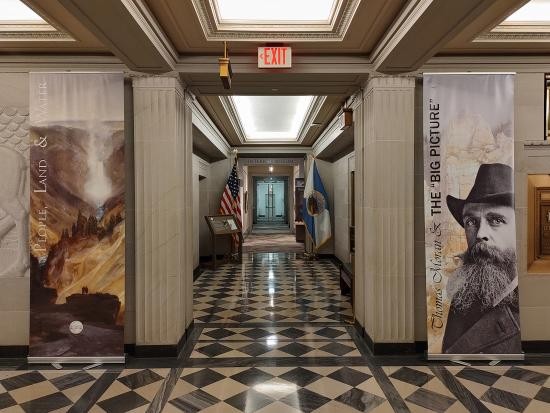
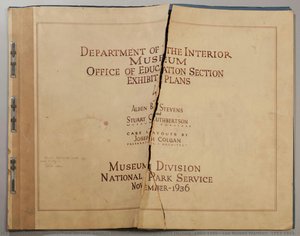
Nestled within the monumental Stewart Lee Udall Main Interior Building in Washington, D.C., the U.S. Department of the Interior Museum stands as a singular testament to both artistic expression and governmental stewardship. It is a place where history breathes alongside breathtaking visual narratives, offering a rare glimpse into a sanctuary where the pulse of American heritage is felt through every brushstroke and photographic frame. Unlike conventional museums dedicated solely to static displays, this institution distinguishes itself through its profound integration into the daily operations of a federal agency. Visitors do not merely observe history; they witness it in situ, gaining unparalleled insight into how the Department actively manages and protects America’s invaluable natural resources and cultural legacy, fostering an understanding that transcends the boundaries of mere observation.
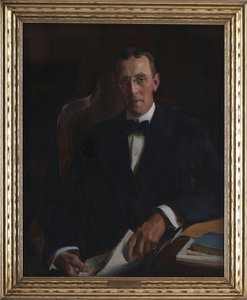
The museum's most celebrated achievement resides in its magnificent collection of New Deal-era murals—a vibrant, sweeping panorama of American artistry conceived during the depths of the Great Depression. These monumental canvases, birthed from a period of immense national resilience, feature the hands of masters such as John Steuart Curry , Maynard Dixon , William Gropper , Allan Houser , Velino Herrera , and Millard Sheets . These works are far more than decorative elements; they embody a profound symbolic engagement with themes of labor, rural life, and the evolving American identity. Executed with masterful techniques ranging from bold, emotive color palettes to rich, textured surfaces that invite tactile exploration, these murals reflect an era’s spirit of artistic ambition and the belief in public art as a vital vehicle for cultural enrichment during times of significant societal transformation.
Luminous Landscapes and Architectural Grandeur
Complementing the sweeping narratives of the muralists is a stunning sequence of photomurals by the legendary Ansel Adams . This photographic pilgrimage to America’s majestic landscapes offers a visual canon for portraying the grandeur of the frontier. Through Adams' iconic imagery, the breathtaking clarity and immense tonal range of Yosemite Valley, Yellowstone National and other wilderness areas are brought into intimate contact with the viewer, establishing a profound connection between the art of the lens and the preservation of the wild. This dialogue between painted history and photographic truth creates a layered experience that celebrates the very landscapes the Department is sworn to protect.
The architectural context of the museum is itself a masterpiece of purpose-driven design. The Stewart Lee Udall Building, constructed during the Depression as part of Roosevelt's ambitious New Deal program, represents a pioneering approach to governmental architecture. Designed to prioritize public access and transparency, the building’s structure emphasizes functionality alongside deep artistic consideration. As visitors move through its halls, they encounter ongoing educational programs that illuminate these architectural features, emphasizing their role in conveying the Department's commitment to preservation. For the art lover and the interior designer alike, the museum serves as a masterclass in how scale, light, and historical context can be harmonized to inspire reflection on our collective responsibility to safeguard the natural wonders of the world for generations to come.