A Beacon of Interdisciplinary Exploration: The University of Sussex Museum
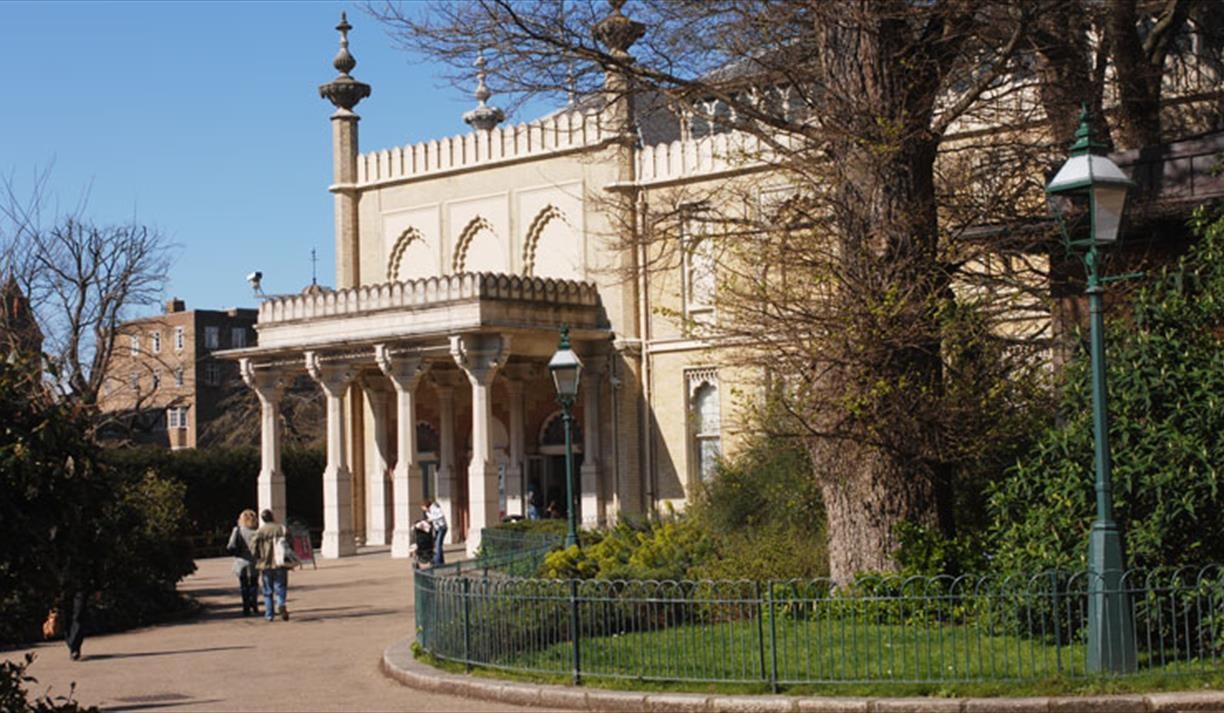
Nestled within the dynamic campus of the University of Sussex in Brighton, this institution is far more than a repository of artifacts; it’s a vibrant nexus where academic rigor meets public engagement. Founded as an integral part of the university itself, the museum has blossomed into a compelling destination for those seeking to delve into the rich tapestry of Victorian art, the delicate balance of biodiversity, and the enduring power of cultural heritage. The very air hums with intellectual curiosity, fostered by close collaborations with esteemed institutions like the British Museum and Charleston Trust – partnerships that not only enrich the collections but also provide invaluable practical experience for aspiring curators and researchers. Stepping onto the campus is itself an aesthetic experience; the modern architecture provides a striking counterpoint to the historical treasures within, creating a dialogue between past and present. The location, strategically positioned in the vibrant city of Brighton, offers visitors seamless access to seaside charm and a thriving cultural scene, making a visit to the museum a natural extension of any exploration of this captivating region of England.
-
Collection Highlights: Victorian Visions
-
Biodiversity's Embrace: Ecological Narratives
-
A Legacy Rooted in Scholarship
-
Beyond the Walls: Collaborative Partnerships
-
The Sussex Experience: Art, Nature & Discovery
Collection Highlights: Victorian Visions
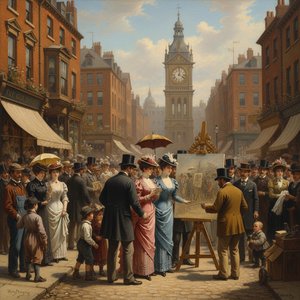
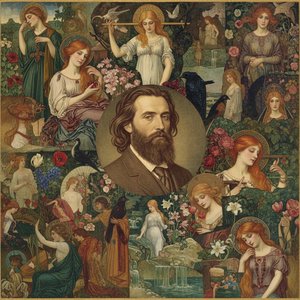
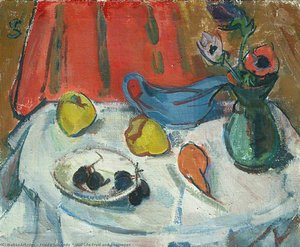
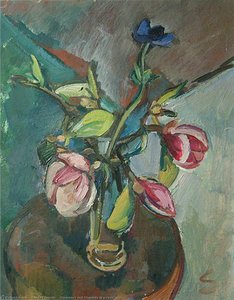
The museum’s core resides in its impressive assemblage of Victorian artwork—a testament to artistic innovation during a transformative period. Among the most celebrated pieces is “Fishermen in a Boat,” by Frieda Salvendy, capturing the serene beauty of coastal Italy with masterful brushstrokes and luminous color palettes. This painting exemplifies the Romantic spirit's fascination with landscape and emotion, skillfully rendered against a backdrop of azure skies and tranquil waters. Alongside this iconic artwork are sculptures crafted from alabaster and bronze, reflecting the Victorian penchant for idealized forms and meticulous detail—pieces that speak to the era’s preoccupation with moral virtue and artistic perfection. Furthermore, the museum houses an extensive collection of decorative arts, showcasing exquisite porcelain vases adorned with floral motifs and intricately carved furniture embodying the opulent tastes of the aristocracy. Each item offers a window into Victorian society, illuminating its values, beliefs, and aspirations.
Biodiversity's Embrace: Ecological Narratives
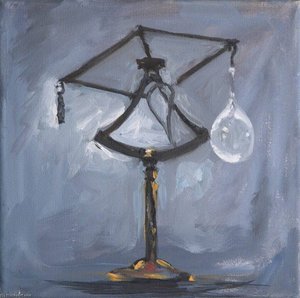
Complementing the artistic treasures is a remarkable biodiversity exhibit—a poignant celebration of Sussex’s natural environment and a powerful reminder of its vulnerability. The curators have painstakingly assembled specimens representing diverse flora and fauna, ranging from delicate wildflowers to majestic birds of prey. These displays transcend mere taxonomic categorization; they weave together scientific observation with compelling storytelling, emphasizing the interconnectedness of ecosystems and advocating for conservation efforts. Visitors can examine detailed illustrations depicting plant anatomy and animal behavior—visual aids that illuminate the complexities of ecological relationships. Notably, the museum’s collection includes a fascinating assemblage of glass flower models created by renowned botanists during the Victorian era—a testament to scientific curiosity and artistic ingenuity. These meticulously crafted creations serve as tangible representations of botanical knowledge and inspire contemplation on humanity's role in safeguarding our planet’s biodiversity.
A Legacy Rooted in Scholarship
The University of Sussex Museum’s origins are inextricably linked to the university’s unwavering commitment to research and education—a principle that continues to guide its operations today. The museum actively supports a specialized Art History MA program, fostering intellectual discourse and nurturing the next generation of art scholars. Researchers within the museum delve into ongoing investigations exploring artistic influences, stylistic developments, and cultural contexts—contributing to broader understandings of Victorian culture and beyond. Moreover, the museum champions innovative curatorial practices, constantly reevaluating how collections are presented and interpreted to maximize their impact on audiences. This dedication extends beyond academic pursuits; a steadfast focus is placed on preserving Sussex’s heritage—protecting objects reflecting local traditions and narratives for future generations.
Beyond the Walls: Collaborative Partnerships
Recognizing the importance of shared knowledge and collective endeavor, the University of Sussex Museum maintains fruitful alliances with prestigious institutions like the British Museum and Charleston Trust – collaborations that enrich its collections and provide invaluable experiential opportunities for aspiring curators and researchers. These partnerships facilitate cross-cultural exchange and promote best practices in museum stewardship. Furthermore, collaborative exhibitions showcase artworks alongside scientific specimens—creating stimulating dialogues between artistic interpretation and scientific inquiry. Such initiatives underscore the museum’s commitment to fostering intellectual curiosity and disseminating knowledge beyond its campus boundaries.
The Sussex Experience: Art, Nature & Discovery
Ultimately, what distinguishes the University of Sussex Museum is its seamless fusion of academic rigor with accessible public engagement—a space where visitors can witness firsthand the transformative power of interdisciplinary exploration. Whether you are an art enthusiast seeking inspiration or a student eager to broaden your horizons, the museum offers an enriching journey through time, art, and nature—a testament to the enduring significance of cultural preservation and intellectual curiosity. It’s more than just a collection; it's a catalyst for understanding, fostering connections between past and present, and illuminating our appreciation for the beauty and complexity of the human experience.