
A Sanctuary of Healing Art
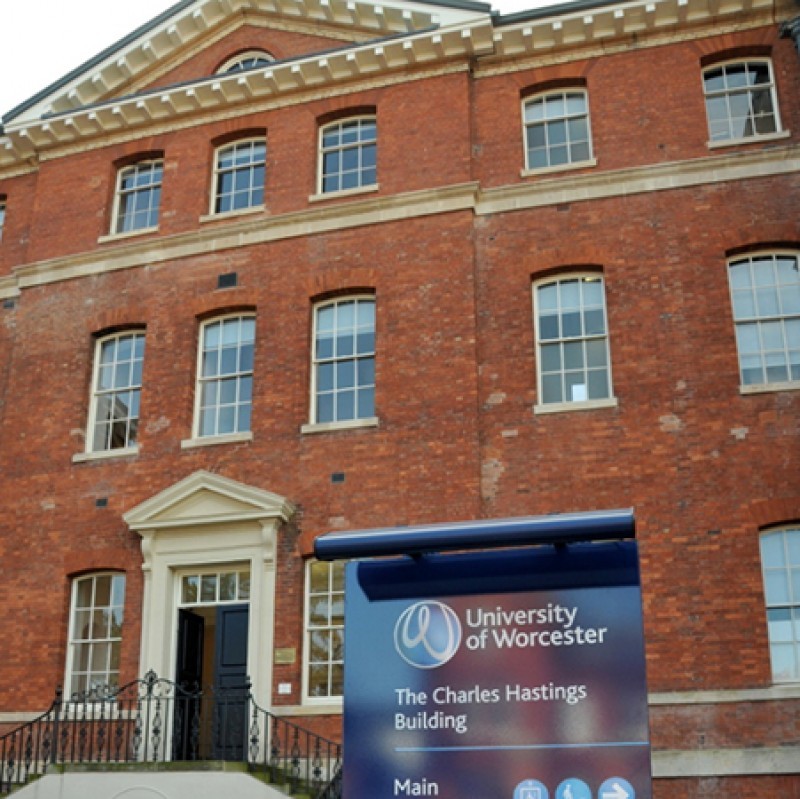
Nestled within the historic heart of Worcester, the Worcestershire Infirmary Museum emerges as an unexpected jewel, a place where the clinical precision of medical history meets the profound beauty of artistic expression. This institution, a collaborative triumph between the Worcestershire Acute Hospitals Trust and the University of Worcester, transcends the traditional boundaries of a healthcare museum. It offers visitors a captivating panorama of interwoven narratives, where the evolution of medicine is told through the lens of aesthetic wonder. The very atmosphere of the museum is shaped by its 1908 Edwardian architecture, an era defined by grandeur and ornate detailing. As natural light floods through expansive windows, it creates a luminous environment that invites deep contemplation, turning the act of viewing into a meditative experience that bridges the gap between the scientific and the spiritual.
The Dialogue Between Disciplines
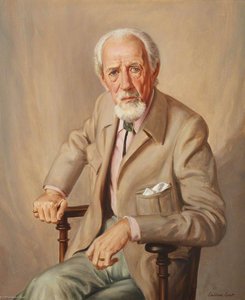
What truly distinguishes this collection is its remarkable ability to harmonize seemingly disparate fields, creating a unique dialogue between science and art. Within these walls, the cold, functional reality of surgical instruments from bygone eras exists in perfect balance with the warmth of meticulously crafted medical portraits. These portraits, such as those capturing the essence of Sir Charles Hastings , do more than merely record faces; they reflect the historical contexts of patient care and the shifting aesthetic ideals of medical practice. For the collector or the interior designer seeking depth and narrative, this intersection provides a rich tapestry of textures and themes, where the precision of scientific advancement is softened by the human touch of artistic mastery, offering a profound look at how we perceive health and humanity.
A Legacy of Visual Discovery
The museum’s treasures are as varied as the history they represent, offering a journey from the pastoral to the abstract. Visitors may find themselves lost in the serene Worcestershire vistas of “East Heath, Sheep Under Trees” by Robert Finlay McIntyre, only to be suddenly confronted by the geometric, spiritual intensity of Kazimir Malevich’s “Encina y Driadas.” This juxtaposition of landscape and abstraction serves as a powerful metaphor for the museum itself—a bridge between the tangible reality of medical progress and the intangible realms of human emotion. Beyond its physical artifacts, the museum serves as an invaluable resource, illuminating how art has shaped our perceptions of wellbeing and fostering a sense of community resilience through the enduring power of artistic contemplation.