

 プレビュー
プレビュー
 プリントを購入
 シェアする
シェアする シェアする
シェアする
 詳細を見る
詳細を見る

 ダウンロード
 似ている作品
 X線調査
X線調査 スライドショー
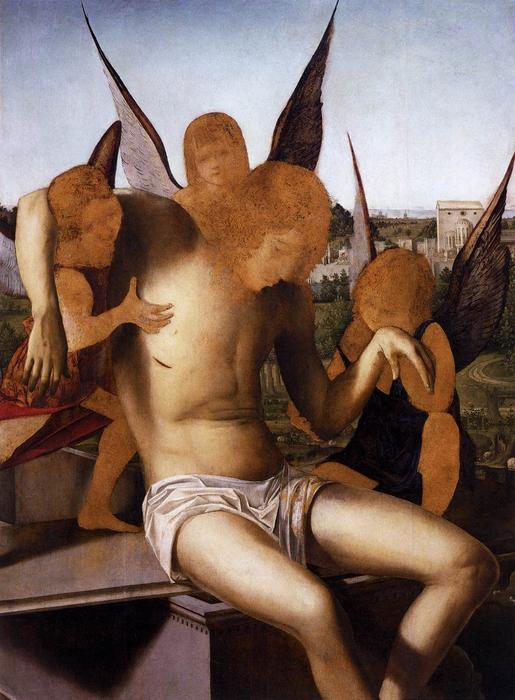
Pietà
 Oil On Panel
- High Renaissance
 1475
1475 115.0 x 86.0 cm
 コレール美術館
 詳細を見る
詳細を見る
オンラインプレビューをはるかに凌ぐ、高解像度で鮮明なデジタル画像をご購入いただけます。
各ファイルは、社内の専門家が高度なツールと熟練した手作業によるレタッチを用いて、細心の注意を払って準備されています。すべての画像において、卓越した鮮明度、正確な色彩再現性、そして繊細なディテールを保証いたします。
最終ファイルは、プロフェッショナルな編集・印刷環境ですぐにご利用いただけるよう最適化された状態で、72時間以内にメールにてお届けいたします。これは、一流のデザインスタジオ、出版社、ギャラリーから信頼されているものと同等の品質です。
デジタル画像のご注文に付随する特典
高品質なデジタル画像配信を、確かな品質で。
ArtsDot.com を選ぶことは、単に画像を手に入れることではありません。それは、プロの手によって精密に仕上げられ、満足保証が付いた高品質なデジタルアートワークを受け取ることを意味します。ご注文いただいた際に自動的に付随する内容は、以下の通りです:

メールですぐにお届け
ご注文から72時間以内に、高解像度のデジタル画像ファイルがメールでお手元に届きます。すぐにそのままご利用いただけます。

AI技術で最適化されたデジタルファイル
お客様の作品は、高度なAIツールと専門家による手作業の編集を組み合わせてプロフェッショナルに最適化されており、細部のディテール、鮮明さ、そして正確な色再現性を最大限に引き出しています。

一生涯無料の再送サービス
ファイルを誤って削除したり、紛失してしまったりしましたか?ご安心ください。いつでも無料で再送いたします。

輸入手数料は一切かかりません
関税や手数料、配送料を気にすることなく、お気に入りのアートワークをすぐにお楽しみいただけます。デジタルダウンロードは常に免税です。

色彩再現の保証
プロ仕様のツールとカラーマネジメント技術を用いることで、デジタル画像が元の色を最大限に忠実に再現することを保証いたします。

60日間満足保証
ご購入いただいたデジタル画像にご満足いただけない場合は、60日以内であれば、修正または100%の返金(理由を問う必要はありません)をさせていただきます。

100% 返金保証
ご満足いただけない場合は、デジタルファイルを受け取ってから60日以内であれば、理由を問わず全額返金いたします。

まとめ買い割引
3枚購入で10%OFF - 5枚購入で15%OFF - 10枚以上購入で20%OFF。クリエイティブなプロジェクト、ギャラリー、エージェンシーに最適です。
作品の詳細
The Pietà: A Renaissance Echo of Grief and Grace
Antonello da Messina’s 1475 “Pietà” is not merely a depiction of sorrow; it's a profound meditation on loss, faith, and the enduring power of maternal love. Born in Messina, Sicily, during a period of intense artistic exchange between Italy and Northern Europe, Antonello skillfully blended the meticulous realism championed by his Flemish predecessors with the burgeoning humanist ideals shaping Renaissance art. This masterful synthesis results in an image that transcends its subject matter, resonating with viewers across centuries.
A Composition Steeped in Symbolism
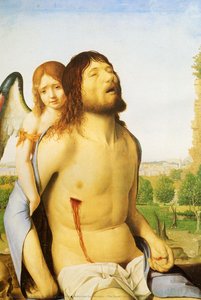
The painting immediately draws the eye to the central figure of Mary cradling the lifeless body of Jesus. Her posture is one of exquisite sorrow, yet her face retains a serene dignity—a testament to her unwavering faith and acceptance of God’s will. The two angels flanking the scene are not simply attendants but active participants in this poignant drama, their gestures conveying both comfort and solemnity. Notice how they gently support Christ's body, mirroring Mary’s own embrace. Beyond these central figures, the architectural backdrop—a simplified yet evocative representation of a Venetian cityscape—adds depth and context to the narrative. The inclusion of buildings and trees subtly suggests the earthly realm from which Jesus has been taken, further emphasizing the tragedy of his sacrifice.
- The Triangle Composition: Antonello employs a classic triangular composition, anchoring the scene with Mary at its apex and Christ’s body forming the base. This arrangement creates a sense of stability amidst the overwhelming emotion.
- Color Palette: The painting's rich color scheme—deep reds for the drapery, blues and greens for the background—evokes both sorrow and spiritual depth. The use of chiaroscuro (light and shadow) dramatically highlights Mary’s face and Christ’s body, drawing attention to their emotional states.
- Symbolic Details: The inclusion of a small, almost hidden, figure in the background – often interpreted as an angel collecting blood from Christ's wounds – adds another layer of symbolic complexity, referencing the biblical account of the Passion.
Technique and Innovation: A Masterful Blend
Antonello’s technical prowess is immediately apparent in the painting’s remarkable detail and realism. He demonstrates a mastery of oil paint, utilizing layering techniques to achieve subtle gradations of color and texture. The drapery—particularly Mary's voluminous robes—is rendered with astonishing precision, capturing the folds and creases with breathtaking accuracy. Crucially, Antonello was among the first Italian artists to fully embrace the use of oil paints, a technique that allowed for greater luminosity, richer colors, and more nuanced blending than traditional tempera or fresco methods. This innovation significantly influenced subsequent generations of Italian painters.
A Legacy of Emotion and Influence
The “Pietà” stands as a pivotal work in the transition from Early to High Renaissance art, demonstrating Antonello’s ability to synthesize diverse artistic influences. It shares stylistic affinities with both Flemish masters like Jan van Eyck and Italian humanists like Piero della Francesca, creating a uniquely compelling visual experience. Its profound emotional impact has resonated throughout history, inspiring countless artists and viewers alike. Reproductions of this iconic image continue to captivate audiences today, offering a glimpse into the heart of Renaissance spirituality and artistic genius. The painting’s enduring appeal lies in its ability to evoke empathy and contemplation—a timeless reminder of loss, love, and faith.
作家の略歴
アントネッロ・ダ・メッシーナ:ルネサンスの先駆者
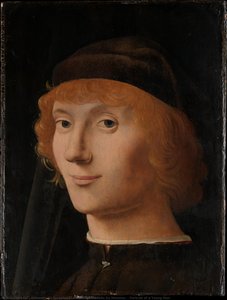
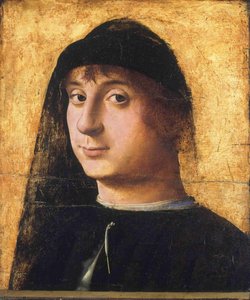
アントネッロ・ディ・ジョヴァンニ・ディ・アントニオ、一般的にはアントネッロ・ダ・メッシーナ(約1430年 – 1579年2月)として知られる彼は、初期ルネサンスから盛期ルネサンスへの移行期における重要な人物です。シチリアの活気ある港町メッシーナで生まれ育ったアントネッロは、北方ルネサンス絵画の精密な写実性と、その時代の高まりつつあった人文主義的理想を融合させた独自の芸術的アイデンティティを築き上げました。同時代人のヴェネツィア派画家たちにしばしば影が薄い存在と見なされますが、アントネッロが後世のイタリア人画家たち、特にヴェネツィア派画家たちに与えた影響は否定できず、真の革新者であり、異質な芸術的伝統を結びつける架け橋としての地位を確立しています。
彼の幼少期については不明な点が多いのですが、ナポリでニッコロ・コラントニオのもとで初期の訓練を受けたと考えられています。この出会いは非常に重要であり、アントネッロはアルフォンソ5世の庇護者であったコラントニオが収集していたヤン・ファン・エイクやロヒール・ファン・デル・ウェイデンのような北方ルネサンス絵画の洗練された技法に触れることになりました。細部に至るまでの徹底的な描写、鮮やかな色彩、そして光学への深い理解を特徴とするこれらの初期の影響は、アントネッロ独自のスタイル形成の基盤となりました。同時代の多くの画家たちとは異なり、アントネッロは主にメッシーナにとどまり、シチリアのルーツと国際的な芸術的潮流との関わりが反映された作品群を生み出しました。
独特な様式の発展
アントネッロの芸術的旅程は、徐々に進化を遂げています。1455年の「シビウのキリスト磔刑」のような初期の作品には、油絵技法や質感の精密な描写において北方ルネサンス絵画への強い影響が見られます。人物たちは写真のように写実的であり、驚くべき正確さで細部を捉えています。しかしアントネッロは単なる模倣に留まらず、イタリア独自の感性を作品に吹き込みました。彼は大気遠近法を用いて空間的な奥行きを深め、より説得力のある距離感を創り出しました。さらに、光と影の微妙なグラデーションによって形態をモデル化する洗練された技法を開発し、ルネサンス絵画の中心となるキアロスクーロ効果を予見しました。
アントネッロの発展における重要な転換点は、1456年頃にヴェネツィアでジョヴァンニ・ベッリーニと出会ったことです。彼らの交流の具体的な内容は議論の余地がありますが、ベッリーリがアントネッロの色使いや構図に大きな影響を与えたことは明らかです。特に赤や青といった豊かな色彩の使用、そして叙情的な美への強調は、アントネッロのパレットとスタイルに永続的な影響を与えました。「サルティーングのマドンナ」(約1460年)は、この変化を如実に示しており、初期の作品よりも調和のとれた色使いと優雅さを示しています。
主要な作品と芸術的革新
アントネッロの最も有名な絵画、「聖ヒエロニモスの書斎」(約1475年)や「受胎告知」(約1475年)は、彼の芸術的才能を証明するものです。「聖ヒエロニモスの書斎」は、小さくても非常に複雑なパネルであり、イタリア絵画における画期的な業績と見なされています。この作品は、北方ルネサンスの写実性とイタリアの人文主義が融合した革新的な遠近法、光、そして細部の描写を示しています。聖人の解剖学的構造を丹念に描き出し、複雑な建築的背景と組み合わせることで、奥行きと空間の魅惑的な錯覚を生み出しています。
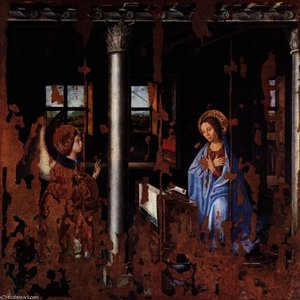
同様に、「受胎告知」は、アントネッロが移ろいゆく感情や優雅さを捉える能力を示しています。聖母マリアの穏やかな表情と天使ガブリエルの注意深い姿勢は、深遠な敬意を伝えています。アントネッロの油絵技法の習熟度は、微妙な色彩の変化と質感を可能にし、これらの神聖な人物の驚くほどリアルな描写を実現しています。
遺産と影響
比較的短いキャリア(49歳で死去)にもかかわらず、アントネッロ・ダ・メッシーナはイタリア美術史に消えない足跡を残しました。彼は油絵をイタリアに導入した人物として広く知られていますが、この主張については研究者によって議論されています。いずれにせよ、アントネッロの先駆的な油絵技法と革新的な技術は、ジョルジョーネやティツィアーノを含むヴェネツィア派画家たちに間違いなく影響を与えました。写実性への強調、大気遠近法の使用、そして人文主義的理想の統合は、イタリア・ルネサンス絵画の軌跡を形作るのに役立ちました。
アントネッロの作品は、その技術的な卓越性、感情的な深み、そして深遠な美しさのために今も高く評価されています。彼は、芸術的伝統と進化するイタリア・ルネサンスの文化的景観との複雑な相互作用を理解するための重要な人物であり続けています。
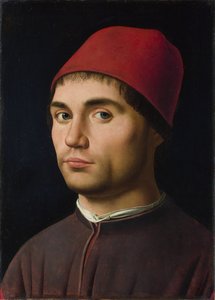
アントネッロ・ダ・メッシーナ
1430 - 1479 , イタリア

