

 プレビュー
プレビュー
 プリントを購入
 シェアする
シェアする シェアする
シェアする
 詳細を見る
詳細を見る

 ダウンロード
 似ている作品
 X線調査
X線調査 スライドショー
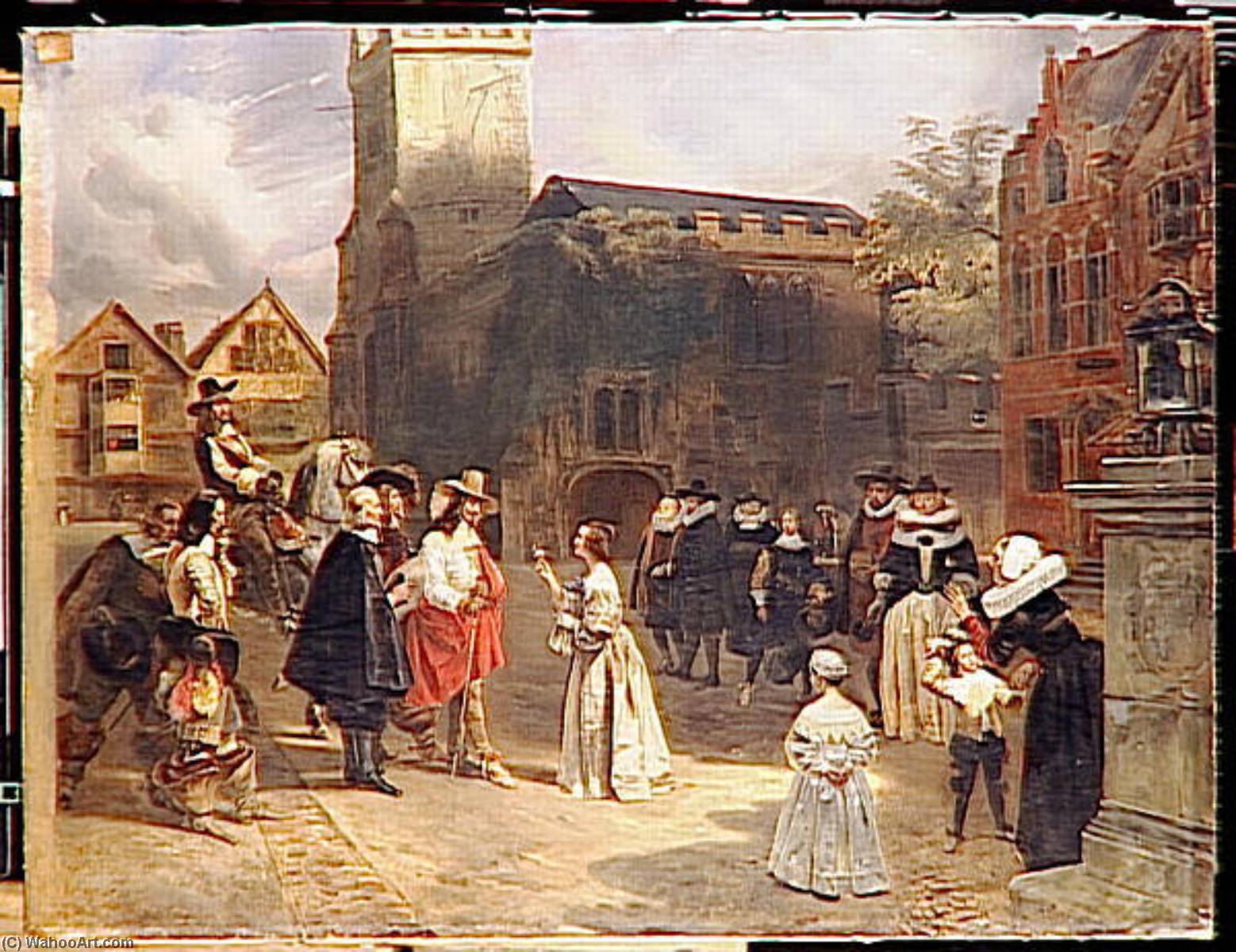
CHARLES 1ER RECEVANT UNE ROSE DES MAINS D'UNE JEUNE FILLE, AU MOMENT OU IL EST CONDUIT PRISONNIER AU CHATEAU DE CARISBROOK


 詳細を見る
詳細を見る




P118B $10

P118H $10

P118W $10

P438Z $10

P508JH $12

P508YH $12

P805H $10

P805Z $10

P919BZ $10

P919G $10

P919XJ $10

P959ZH $10

P968JZ $12

W106C $8

W218G $10

W218JH $8

W218Y $10

W307PJ $10

W316G $10

W316PJ $8

W316Y $10

W398PJ $8

W4111J $10

W500HY $15

W500JH $15

W692G $12

W849H $8

W940BG $15

W953PJ $8




作品のオリジナル比率に合わせた、当店の規定サイズからお選びください。

特定のフレームやスペースに合わせて、ご希望のサイズをご入力いただけます。選択されたサイズが元の画像の比率と異なる場合、アートワークをトリミングするか、手描きで要素を追加して絵画を拡張いたします。デジタルモックアップ を制作し、制作開始前にご確認(承認)をいただきます。
画面上のプレビューは、実際のトリミングや拡張を正確に反映しているものではありません。最終的な構図は、モックアップによってのみ正確にご確認いただけます。
カスタムサイズもご利用いただけますが、元の比率を維持するためには、あらかじめ用意されたリストからサイズを選択することをお勧めいたします。
ご注文後、ArtsDot.com チームより詳細な指示をお送りするとともに、仕上がりイメージ(モックアップ)をご提供いたします。


 ガラスオプションは、110cm未満のサイズでのみご利用いただけます。

CHARLES 1ER RECEVANT UNE ROSE DES MAINS D'UNE JEUNE FILLE, AU MOMENT OU IL EST CONDUIT PRISONNIER AU CHATEAU DE CARISBROOK
複製技法
複製画のサイズ
-


合計金額
$ 263
A Moment Frozen in Time: Eugène Louis Lami’s “Charles I Receiving a Rose”
Eugène Louis Lami's "Charles I Receiving a Rose from a Girl while he is being taken as a prisoner to Carisbrooke Castle," painted circa 1829, isn’t merely a historical depiction; it’s a poignant tableau of vulnerability and quiet dignity amidst the turmoil of power. This oil on canvas, now residing within the esteemed collection of the Louvre Museum in Paris, transcends its subject matter to become a universal meditation on loss, circumstance, and the enduring strength of the human spirit. Lami masterfully captures a fleeting moment—the exchange of a single rose between King Charles I and a young girl – transforming it into an image brimming with symbolic weight.
The scene unfolds within the austere courtyard of Carisbrooke Castle on the Isle of Wight, a location steeped in history as the final prison of the beleaguered English monarch. Lami’s meticulous attention to detail transports us directly to that fraught moment. The figures are rendered with remarkable realism; Charles I, clad in regal attire yet clearly diminished by his captivity, extends a hand towards the girl, offering her a delicate rose. Her youthful face, partially obscured, conveys an expression of gentle compassion and perhaps even a touch of sadness—a silent acknowledgment of the king’s plight. The soldiers escorting him are presented not as aggressors but as figures of duty, their faces largely impassive, emphasizing the formality and inevitability of his fate.
The Romantic Palette and Lami's Artistic Influences
Lami’s artistic style is firmly rooted in the Romantic movement, a period characterized by an emphasis on emotion, individualism, and the sublime. He skillfully employs a rich, layered palette—deep blues and browns for the castle walls and shadowed figures, contrasted with the vibrant red of the rose and the girl's clothing—to create a dramatic atmosphere. His technique is distinctly watercolor-influenced, evident in the delicate brushstrokes that capture the textures of fabric, stone, and skin. This approach lends the painting an ethereal quality, softening the harsh realities of Charles I’s imprisonment and imbuing the scene with a sense of melancholy beauty.
Lami's artistic journey was shaped by his early training under masters like Horace Vernet, a celebrated history painter known for his dramatic compositions and use of light and shadow. He also benefited from instruction in watercolor realism from Richard Parkes Bonington, a technique that undoubtedly informed Lami’s ability to capture subtle nuances of expression and atmosphere. The influence of Antoine-Jean Gros, whose monumental history paintings emphasized emotional intensity and narrative power, is particularly evident in the composition—the carefully arranged figures and the dramatic lighting all contribute to a sense of heightened drama.
Symbolism and Historical Context
The rose itself is laden with symbolism. Traditionally associated with love, beauty, and remembrance, its offering represents a final gesture of grace and dignity from a king facing imminent execution. The girl, often interpreted as an allegorical figure representing innocence or compassion, serves as a counterpoint to the grim reality of Charles I’s situation. The choice of Carisbrooke Castle—a site of significant historical importance in the English Civil War—adds another layer of meaning. It was here that Charles I spent his final months before being executed for treason, solidifying the painting's connection to a pivotal moment in British history.
Furthermore, Lami’s decision to depict this specific scene – the exchange of the rose – is noteworthy. It wasn’t simply a record of an event; it was a carefully constructed narrative designed to evoke empathy and perhaps even a sense of regret for the fate of a king who ultimately lost his throne and his life. The painting's subsequent display in the French National Assembly, during a period of political upheaval, underscores its significance as a potent symbol of national identity and historical memory.
A Timeless Masterpiece: Reproduction Possibilities
“Charles I Receiving a Rose” remains a captivating work of art, offering viewers an intimate glimpse into a dramatic historical moment. ArtsDot offers high-quality reproductions that faithfully capture the painting’s rich colors, intricate details, and evocative atmosphere. Whether adorning a grand salon or a more modest interior space, this timeless masterpiece will undoubtedly serve as a conversation piece—a reminder of human resilience, the complexities of power, and the enduring beauty found even in moments of profound sadness.
関連作品
アーティストの略歴
過ぎ去りし時代の優雅:ウジェーヌ・ルイ・ラミの生涯と芸術
19世紀フランス美術という鮮やかなタペストリーにおいて、
ラミの芸術的な旅路は、厳格な古典教育を受けた名高いエコール・デ・ボザールの殿堂によって形作られました。彼の発展には、フランス・ロマン主義の巨匠たちが深い影響を与えています。オラス・ヴェルネやカミーユ・ロクレプランといった巨匠たちの指導の下、ラミは緻密なディテールと感情的な響きを融合させる能力を磨き上げました。さらに、アントワーヌ=ジャン・グロの影響も無視することはできません。グロから、ラミは劇的な物語性への傾倒と、記念碑的な歴史叙事詩を操る力を受け継ぎました。この継承された影響力こそが、古典的訓練による精密な素描技術と、ロマン主義時代の広大で感情豊かな精神との架け橋となり、彼を親密な肖像画から壮大な軍事記録までをもこなす多才なヴィルトゥオーゾへと昇華させたのです。
光、ファッション、そして社交界の華の巨匠
ラミの技術的基盤は歴史画の偉大な伝統に根ざしていましたが、彼が最も永続的な称賛を得たのは、フランスの社会構造の記録者としてでした。彼はパリの生活における優雅さに対して並外れた審美眼を持っており、当時の貴族の邸宅や華やかな集いを描いた場面を専門としました。彼の水彩画は、繊細で半透明な筆致を通じて、空気感や心理的な深みをもたらす能力において特に高く評価されています。「マルボロ・ハウスの客間への入り口」といった作品からは、当時の微妙な社会階層や、静かで洗練された親密さを感じ取ることができます。
エリートたちのサロンを超えて、ラミの芸術性はフランスの建築的な魂にまで及びました。素描家としての彼の精密さは、1848年のシャンティイ城のプロジェクトなどの詳細なスケッチや図面に顕著に表れており、古典的なデザインと構造的な正確さに対する驚くべき支配力を示しています。記念碑的な建築の壮大さと、シルクやレースの儚い質感を共に捉えるこの能力により、彼はフランス国家とその貴族の威信を記録しようとする人々にとって、好まれる芸術家となったのです。
軍事的栄光とリトグラフの革新
ラミの才能の範囲はパリのサロンを遥かに超え、戦場の煙と栄光の中へと広がっていました。軍事史や国家のアイデンティティに対する大衆の深い関心を察知したラミは、時代における武勇を記録するためにリトグラフという媒体を取り入れました。彼は騎兵や軍服の著名な記録者となり、スペイン騎兵隊の精神を捉え、ナポレオン戦争中に結ばれた極めて重要な仏英同盟を記念する画期的な版画集を生み出しました。甲冑の重み、馬の動き、そして部隊の厳格な規律を描き出す彼の能力は、印刷された紙の上に確かな現実感をもたらしました。
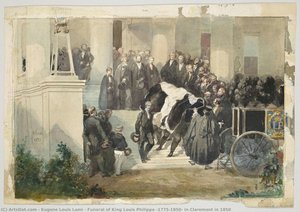
この軍事的な華やかさへの心酔は、重要な歴史的人物や出来事の描写において、おそらく最も切実に捉えられています。馬上のオルレアン公爵を描いたものから、1850年の国王ルイ・フィリップの葬儀の厳粛さを捉えたものに至るまで、ラミはロマン主義的なレンズを用いることで、歴史的な瞬間に深い重みを与えました。彼の作品は19世紀美術における記念碑的な業績として、二つの遺産を提示しています。それは、軍事および建築史の緻密な記録であると同時に、最も波乱に満ちた世紀の一つにおいてフランス精神を定義づけた、優雅さと感情の魂を揺さぶる肖像なのです。
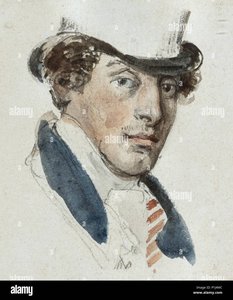
ウジェーヌ・ルイ・ラミ
1800 - 1890 , フランス
基本情報
- Artistic Movement Or Style: ロマン主義
- Artists Or Movements Influenced By This Artist: ['ロマン主義']
- Artists Who Influenced This Artist:
- オラス・ヴェルネ
- リチャード・パークス・ボニントン
- Date Of Birth: 1800年
- Date Of Death: 1890年
- Full Name: ウジェーヌ・ルイ・ラミ
- Nationality: フランス
- Notable Artworks:
- ワッティニーの戦い
- アントウェルペンの包囲
- シャンティイ城の大規模改築計画
- Place Of Birth: フランス(パリ)
関連記事
Eugène Lami: A Study in Academic Eclecticism & the Rise of 19th-Century Decorative Art
Explore the captivating world of Eugène Lami, a pivotal 19th-century French painter. Discover his eclectic style blending Romanticism & Academic traditions in history, fashion, and literary illustrations. Learn about his legacy today!
Charles-André van Loo: A Study in Rococo Portraiture & the French Court's Artistic Dynamics
Explore the elegant world of Charles-André van Loo, a master of Rococo portraiture at the French court. Discover his life, techniques, and enduring influence on 18th-century art. Hand-painted reproductions available.
Dusty Rose Hues: 10 Master Paintings & Timeless Decor Inspiration
Explore 10 famous paintings bathed in captivating dusty rose tones! From Monet to Bouguereau, discover romantic Impressionism & Renaissance masterpieces. Find museum-quality art reproductions and elevate your home decor with ArtsDot.com. Explore the full collection online.
Guy Rose: Luminism, Impressionism & the Californian Aesthetic – A Comprehensive Exploration of Life and Legacy
Explore the life & art of Guy Rose, a leading American Impressionist painter. Discover his luminous California landscapes, Giverny scenes, and enduring legacy. A comprehensive guide for collectors & enthusiasts.
Guy Orlando Rose: Capturing California's Luminosity in American Impressionism
Explore the luminous landscapes of Guy Orlando Rose, a leading American Impressionist painter deeply influenced by Monet. Discover his mastery of light, atmospheric perspective & California scenes. Learn about his legacy and find high-quality reproductions.

