

 プレビュー
プレビュー
 プリントを購入
 シェアする
シェアする シェアする
シェアする
 詳細を見る
詳細を見る

 ダウンロード
 似ている作品
 X線調査
X線調査 スライドショー
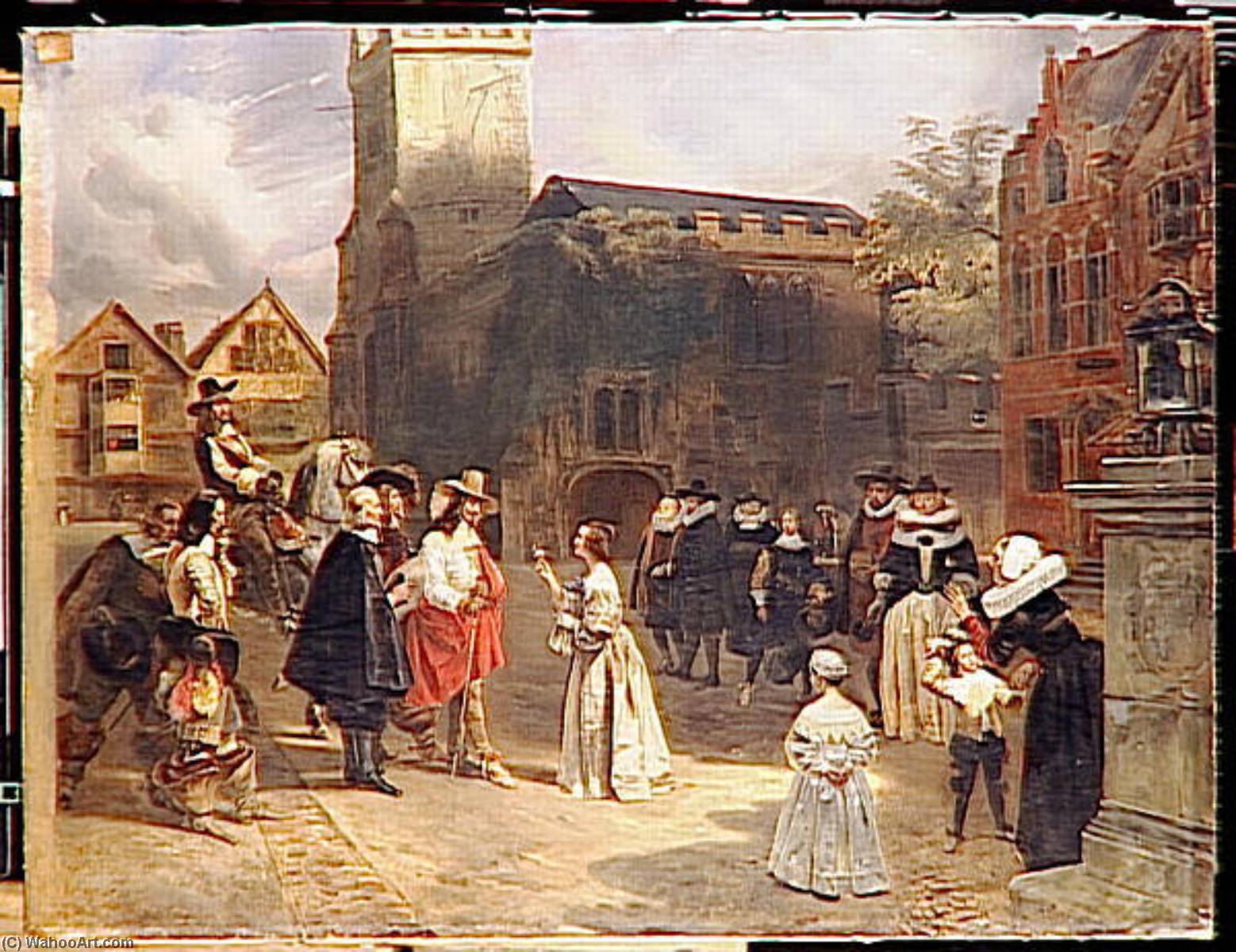
CHARLES 1ER RECEVANT UNE ROSE DES MAINS D'UNE JEUNE FILLE, AU MOMENT OU IL EST CONDUIT PRISONNIER AU CHATEAU DE CARISBROOK


 詳細を見る
詳細を見る
オンラインプレビューをはるかに凌ぐ、高解像度で鮮明なデジタル画像をご購入いただけます。
各ファイルは、社内の専門家が高度なツールと熟練した手作業によるレタッチを用いて、細心の注意を払って準備されています。すべての画像において、卓越した鮮明度、正確な色彩再現性、そして繊細なディテールを保証いたします。
最終ファイルは、プロフェッショナルな編集・印刷環境ですぐにご利用いただけるよう最適化された状態で、72時間以内にメールにてお届けいたします。これは、一流のデザインスタジオ、出版社、ギャラリーから信頼されているものと同等の品質です。
デジタル画像のご注文に付随する特典
高品質なデジタル画像配信を、確かな品質で。
ArtsDot.com を選ぶことは、単に画像を手に入れることではありません。それは、プロの手によって精密に仕上げられ、満足保証が付いた高品質なデジタルアートワークを受け取ることを意味します。ご注文いただいた際に自動的に付随する内容は、以下の通りです:

メールですぐにお届け
ご注文から72時間以内に、高解像度のデジタル画像ファイルがメールでお手元に届きます。すぐにそのままご利用いただけます。

AI技術で最適化されたデジタルファイル
お客様の作品は、高度なAIツールと専門家による手作業の編集を組み合わせてプロフェッショナルに最適化されており、細部のディテール、鮮明さ、そして正確な色再現性を最大限に引き出しています。

一生涯無料の再送サービス
ファイルを誤って削除したり、紛失してしまったりしましたか?ご安心ください。いつでも無料で再送いたします。

輸入手数料は一切かかりません
関税や手数料、配送料を気にすることなく、お気に入りのアートワークをすぐにお楽しみいただけます。デジタルダウンロードは常に免税です。

色彩再現の保証
プロ仕様のツールとカラーマネジメント技術を用いることで、デジタル画像が元の色を最大限に忠実に再現することを保証いたします。

60日間満足保証
ご購入いただいたデジタル画像にご満足いただけない場合は、60日以内であれば、修正または100%の返金(理由を問う必要はありません)をさせていただきます。

100% 返金保証
ご満足いただけない場合は、デジタルファイルを受け取ってから60日以内であれば、理由を問わず全額返金いたします。

まとめ買い割引
3枚購入で10%OFF - 5枚購入で15%OFF - 10枚以上購入で20%OFF。クリエイティブなプロジェクト、ギャラリー、エージェンシーに最適です。
A Moment Frozen in Time: Eugène Louis Lami’s “Charles I Receiving a Rose”
Eugène Louis Lami's "Charles I Receiving a Rose from a Girl while he is being taken as a prisoner to Carisbrooke Castle," painted circa 1829, isn’t merely a historical depiction; it’s a poignant tableau of vulnerability and quiet dignity amidst the turmoil of power. This oil on canvas, now residing within the esteemed collection of the Louvre Museum in Paris, transcends its subject matter to become a universal meditation on loss, circumstance, and the enduring strength of the human spirit. Lami masterfully captures a fleeting moment—the exchange of a single rose between King Charles I and a young girl – transforming it into an image brimming with symbolic weight.
The scene unfolds within the austere courtyard of Carisbrooke Castle on the Isle of Wight, a location steeped in history as the final prison of the beleaguered English monarch. Lami’s meticulous attention to detail transports us directly to that fraught moment. The figures are rendered with remarkable realism; Charles I, clad in regal attire yet clearly diminished by his captivity, extends a hand towards the girl, offering her a delicate rose. Her youthful face, partially obscured, conveys an expression of gentle compassion and perhaps even a touch of sadness—a silent acknowledgment of the king’s plight. The soldiers escorting him are presented not as aggressors but as figures of duty, their faces largely impassive, emphasizing the formality and inevitability of his fate.
The Romantic Palette and Lami's Artistic Influences
Lami’s artistic style is firmly rooted in the Romantic movement, a period characterized by an emphasis on emotion, individualism, and the sublime. He skillfully employs a rich, layered palette—deep blues and browns for the castle walls and shadowed figures, contrasted with the vibrant red of the rose and the girl's clothing—to create a dramatic atmosphere. His technique is distinctly watercolor-influenced, evident in the delicate brushstrokes that capture the textures of fabric, stone, and skin. This approach lends the painting an ethereal quality, softening the harsh realities of Charles I’s imprisonment and imbuing the scene with a sense of melancholy beauty.
Lami's artistic journey was shaped by his early training under masters like Horace Vernet, a celebrated history painter known for his dramatic compositions and use of light and shadow. He also benefited from instruction in watercolor realism from Richard Parkes Bonington, a technique that undoubtedly informed Lami’s ability to capture subtle nuances of expression and atmosphere. The influence of Antoine-Jean Gros, whose monumental history paintings emphasized emotional intensity and narrative power, is particularly evident in the composition—the carefully arranged figures and the dramatic lighting all contribute to a sense of heightened drama.
Symbolism and Historical Context
The rose itself is laden with symbolism. Traditionally associated with love, beauty, and remembrance, its offering represents a final gesture of grace and dignity from a king facing imminent execution. The girl, often interpreted as an allegorical figure representing innocence or compassion, serves as a counterpoint to the grim reality of Charles I’s situation. The choice of Carisbrooke Castle—a site of significant historical importance in the English Civil War—adds another layer of meaning. It was here that Charles I spent his final months before being executed for treason, solidifying the painting's connection to a pivotal moment in British history.
Furthermore, Lami’s decision to depict this specific scene – the exchange of the rose – is noteworthy. It wasn’t simply a record of an event; it was a carefully constructed narrative designed to evoke empathy and perhaps even a sense of regret for the fate of a king who ultimately lost his throne and his life. The painting's subsequent display in the French National Assembly, during a period of political upheaval, underscores its significance as a potent symbol of national identity and historical memory.
A Timeless Masterpiece: Reproduction Possibilities
“Charles I Receiving a Rose” remains a captivating work of art, offering viewers an intimate glimpse into a dramatic historical moment. ArtsDot offers high-quality reproductions that faithfully capture the painting’s rich colors, intricate details, and evocative atmosphere. Whether adorning a grand salon or a more modest interior space, this timeless masterpiece will undoubtedly serve as a conversation piece—a reminder of human resilience, the complexities of power, and the enduring beauty found even in moments of profound sadness.
関連作品
作家の略歴
The Elegance of a Bygone Era: The Life and Art of Eugène Louis Lami
In the vibrant tapestry of nineteenth-century French art, few threads shimmer with as much grace and historical precision as those woven by Eugène Louis Lami. Born in Paris in 1800, Lami emerged during a transformative epoch, a time when the Romantic movement began to intertwine with the burgeoning grandeur of the Second Empire. His life’s work serves as a luminous window into a lost world, capturing the delicate nuances of Parisian high society and the thundering majesty of military triumph. Through his mastery of watercolor, lithography, and illustration, Lami did more than merely record events; he breathed life into the very atmosphere of his age, preserving the ephemeral beauty of fashion, architecture, and ceremony for eternity.
Lami’s artistic journey was shaped by the prestigious halls of the École des Beaux-Arts, where he underwent a rigorous classical education. His development was profoundly influenced by the giants of French Romanticism. Under the guidance of masters such as Horace Vernet and Camille Roqueplan, Lami refined his ability to blend meticulous detail with emotional resonance. Furthermore, the impact of Antoine-Jean Gros cannot be overstated; from Gros, Lami inherited a penchant for dramatic storytelling and a command over monumental historical narratives. This lineage of influence allowed him to bridge the gap between the precise draughtsmanship of classical training and the sweeping, emotive spirit of the Romantic era, making him a versatile virtuoso capable of both intimate portraiture and epic military documentation.
A Master of Light, Fashion, and Social Splendor
While Lami’s technical foundation was rooted in the grand traditions of history painting, he found his most enduring acclaim as a chronicler of the social fabric of France. He possessed an extraordinary eye for the elegance of Parisian life, specializing in scenes that depicted the aristocratic residences and fashionable gatherings of the era. His watercolor works are particularly celebrated for their ability to convey atmosphere and psychological depth through delicate, translucent brushstrokes. In pieces such as “Entry to a Drawing Room at Marlborough House,” one can sense the subtle social hierarchies and the quiet, refined intimacy of the period.
Beyond the drawing rooms of the elite, Lami’s artistry extended to the architectural soul of France. His precision as a draftsman is evident in his detailed sketches and drawings, such as his 1848 project for the Château de Chantilly, which showcases a remarkable command of classical design and structural accuracy. This ability to capture both the grandeur of monumental architecture and the fleeting textures of silk and lace made him a preferred artist for those seeking to document the prestige of the French state and its nobility.
Military Glory and Lithographic Innovation
The scope of Lami’s talent reached far beyond the salons of Paris, extending into the smoke and splendor of the battlefield. Recognizing the profound public interest in military history and national identity, Lami embraced the medium of lithography to document the martial prowess of his time. He became a celebrated chronicler of cavalry and uniform, producing groundbreaking sets of prints that captured the spirit of the Spanish Cavalry and commemorated the vital Franco-British alliances forged during the Napoleonic Wars. His ability to render the weight of armor, the movement of horses, and the rigid discipline of troops brought a sense of tangible reality to the printed page.
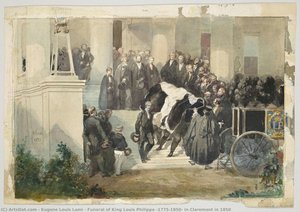
This fascination with military splendor is perhaps most poignantly captured in his depictions of significant historical figures and events. Whether portraying the Duke of Orleans on horseback or capturing the solemnity of the Funeral of King Louis Philippe in 1850, Lami utilized a Romantic lens to imbue historical moments with a sense of profound gravity. His work stands as a monumental achievement in 19th-century art, offering a dual legacy: a meticulous record of military and architectural history, and a soulful, evocative portrait of the elegance and emotion that defined the French spirit during one of its most storied centuries.
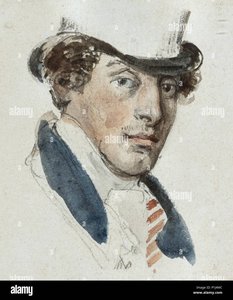
eugene louis lami
1800 - 1890

