

 プレビュー
プレビュー
 シェアする
シェアする シェアする
シェアする
 詳細を見る
詳細を見る

 ダウンロード
 似ている作品
 X線調査
X線調査 スライドショー
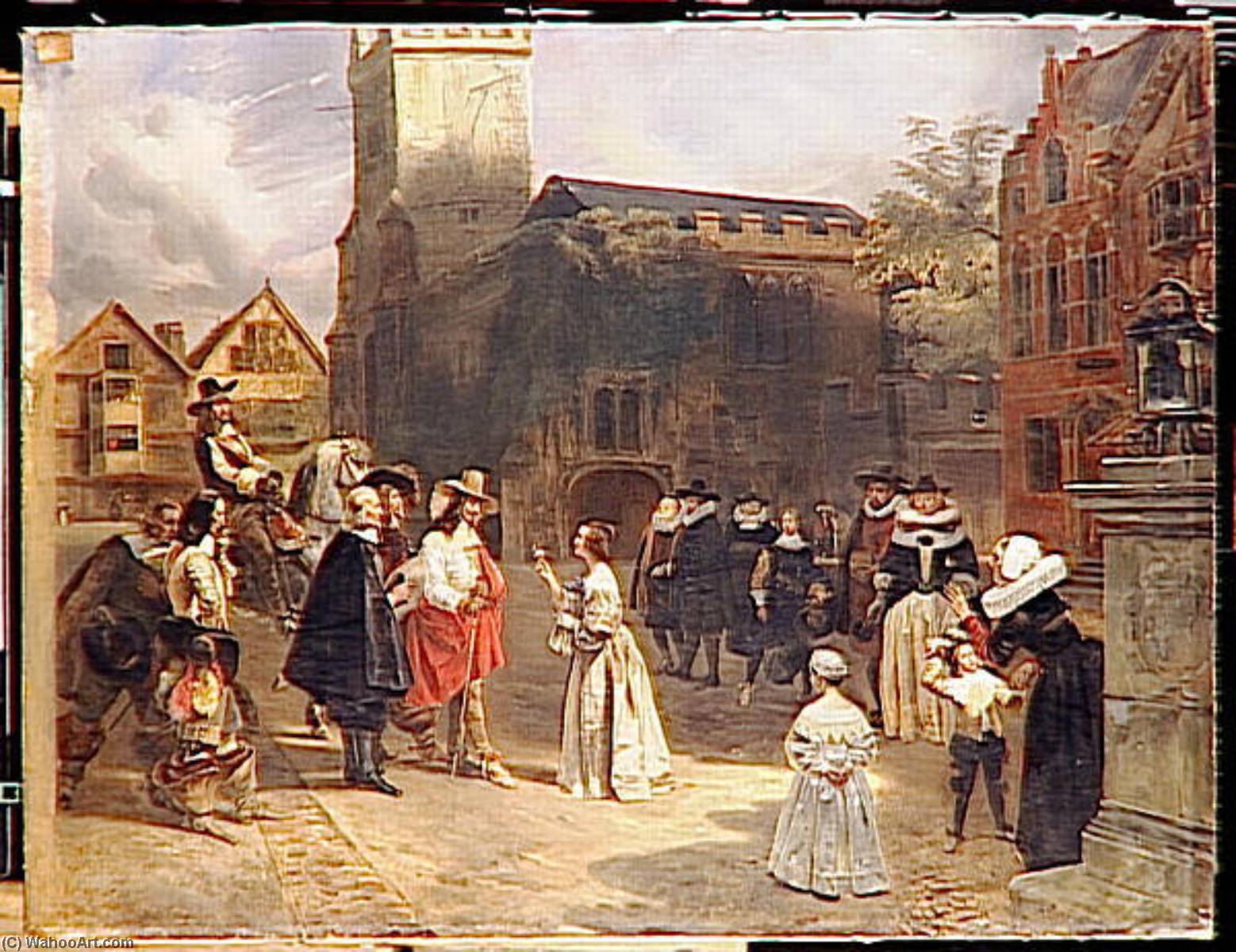
CHARLES 1ER RECEVANT UNE ROSE DES MAINS D'UNE JEUNE FILLE, AU MOMENT OU IL EST CONDUIT PRISONNIER AU CHATEAU DE CARISBROOK


 詳細を見る
詳細を見る
ジークレー/アートプリント
迅速な制作と多彩な仕上げオプションを備えた、ミュージアムクオリティのジークレーまたはキャンバスプリント。 ( 手描きの絵画を購入 画像を購入)




P118B $10

P118H $10

P118W $10

P438Z $10

P508JH $12

P508YH $12

P805H $10

P805Z $10

P919BZ $10

P919G $10

P919XJ $10

P959ZH $10

P968JZ $12

W106C $8

W218G $10

W218JH $8

W218Y $10

W307PJ $10

W316G $10

W316PJ $8

W316Y $10

W398PJ $8

W4111J $10

W500HY $15

W500JH $15

W692G $12

W849H $8

W940BG $15

W953PJ $8




作品のオリジナル比率に合わせた、当店の規定サイズからお選びください。

特定のフレームやスペースに合わせて、ご自身でサイズを指定することも可能です。選択されたサイズが元の画像の比率と一致しない場合、作品をトリミングするか、鏡面反射または単色での塗りつぶしによって画像を拡張いたします。制作を開始する前に、ご確認用のデジタルモックアップをお送りいたします。
画面上のプレビューには、実際のトリミングや拡張は反映されませんのでご注意ください。最終的な構図を正確に確認できるのは、モックアップのみとなります。
カスタムサイズも承っておりますが、元の比率を維持するためには、あらかじめ用意されたリストからサイズを選択することをお勧めいたします。


 ガラスオプションは、110cm未満のサイズでのみご利用いただけます。

CHARLES 1ER RECEVANT UNE ROSE DES MAINS D'UNE JEUNE FILLE, AU MOMENT OU IL EST CONDUIT PRISONNIER AU CHATEAU DE CARISBROOK
ジークレー/アートプリント
複製画のサイズ
-


合計金額
$ 62
A Moment Frozen in Time: Eugène Louis Lami’s “Charles I Receiving a Rose”
Eugène Louis Lami's "Charles I Receiving a Rose from a Girl while he is being taken as a prisoner to Carisbrooke Castle," painted circa 1829, isn’t merely a historical depiction; it’s a poignant tableau of vulnerability and quiet dignity amidst the turmoil of power. This oil on canvas, now residing within the esteemed collection of the Louvre Museum in Paris, transcends its subject matter to become a universal meditation on loss, circumstance, and the enduring strength of the human spirit. Lami masterfully captures a fleeting moment—the exchange of a single rose between King Charles I and a young girl – transforming it into an image brimming with symbolic weight.
The scene unfolds within the austere courtyard of Carisbrooke Castle on the Isle of Wight, a location steeped in history as the final prison of the beleaguered English monarch. Lami’s meticulous attention to detail transports us directly to that fraught moment. The figures are rendered with remarkable realism; Charles I, clad in regal attire yet clearly diminished by his captivity, extends a hand towards the girl, offering her a delicate rose. Her youthful face, partially obscured, conveys an expression of gentle compassion and perhaps even a touch of sadness—a silent acknowledgment of the king’s plight. The soldiers escorting him are presented not as aggressors but as figures of duty, their faces largely impassive, emphasizing the formality and inevitability of his fate.
The Romantic Palette and Lami's Artistic Influences
Lami’s artistic style is firmly rooted in the Romantic movement, a period characterized by an emphasis on emotion, individualism, and the sublime. He skillfully employs a rich, layered palette—deep blues and browns for the castle walls and shadowed figures, contrasted with the vibrant red of the rose and the girl's clothing—to create a dramatic atmosphere. His technique is distinctly watercolor-influenced, evident in the delicate brushstrokes that capture the textures of fabric, stone, and skin. This approach lends the painting an ethereal quality, softening the harsh realities of Charles I’s imprisonment and imbuing the scene with a sense of melancholy beauty.
Lami's artistic journey was shaped by his early training under masters like Horace Vernet, a celebrated history painter known for his dramatic compositions and use of light and shadow. He also benefited from instruction in watercolor realism from Richard Parkes Bonington, a technique that undoubtedly informed Lami’s ability to capture subtle nuances of expression and atmosphere. The influence of Antoine-Jean Gros, whose monumental history paintings emphasized emotional intensity and narrative power, is particularly evident in the composition—the carefully arranged figures and the dramatic lighting all contribute to a sense of heightened drama.
Symbolism and Historical Context
The rose itself is laden with symbolism. Traditionally associated with love, beauty, and remembrance, its offering represents a final gesture of grace and dignity from a king facing imminent execution. The girl, often interpreted as an allegorical figure representing innocence or compassion, serves as a counterpoint to the grim reality of Charles I’s situation. The choice of Carisbrooke Castle—a site of significant historical importance in the English Civil War—adds another layer of meaning. It was here that Charles I spent his final months before being executed for treason, solidifying the painting's connection to a pivotal moment in British history.
Furthermore, Lami’s decision to depict this specific scene – the exchange of the rose – is noteworthy. It wasn’t simply a record of an event; it was a carefully constructed narrative designed to evoke empathy and perhaps even a sense of regret for the fate of a king who ultimately lost his throne and his life. The painting's subsequent display in the French National Assembly, during a period of political upheaval, underscores its significance as a potent symbol of national identity and historical memory.
A Timeless Masterpiece: Reproduction Possibilities
“Charles I Receiving a Rose” remains a captivating work of art, offering viewers an intimate glimpse into a dramatic historical moment. ArtsDot offers high-quality reproductions that faithfully capture the painting’s rich colors, intricate details, and evocative atmosphere. Whether adorning a grand salon or a more modest interior space, this timeless masterpiece will undoubtedly serve as a conversation piece—a reminder of human resilience, the complexities of power, and the enduring beauty found even in moments of profound sadness.
関連作品
関連記事
Eugène Lami: A Study in Academic Eclecticism & the Rise of 19th-Century Decorative Art
Explore the captivating world of Eugène Lami, a pivotal 19th-century French painter. Discover his eclectic style blending Romanticism & Academic traditions in history, fashion, and literary illustrations. Learn about his legacy today!
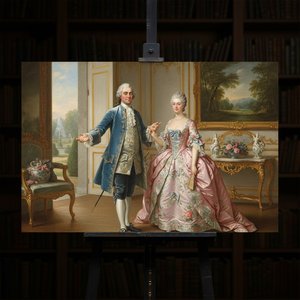
Charles-André van Loo: A Study in Rococo Portraiture & the French Court's Artistic Dynamics
Explore the elegant world of Charles-André van Loo, a master of Rococo portraiture at the French court. Discover his life, techniques, and enduring influence on 18th-century art. Hand-painted reproductions available.
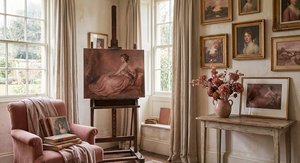
Dusty Rose Hues: 10 Master Paintings & Timeless Decor Inspiration
Explore 10 famous paintings bathed in captivating dusty rose tones! From Monet to Bouguereau, discover romantic Impressionism & Renaissance masterpieces. Find museum-quality art reproductions and elevate your home decor with ArtsDot.com. Explore the full collection online.
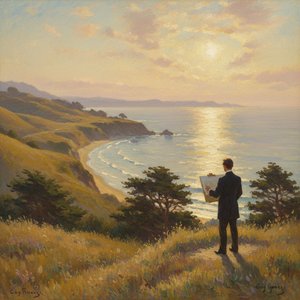
Guy Rose: Luminism, Impressionism & the Californian Aesthetic – A Comprehensive Exploration of Life and Legacy
Explore the life & art of Guy Rose, a leading American Impressionist painter. Discover his luminous California landscapes, Giverny scenes, and enduring legacy. A comprehensive guide for collectors & enthusiasts.
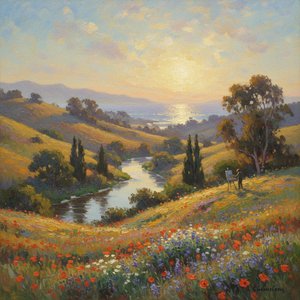
Guy Orlando Rose: Capturing California's Luminosity in American Impressionism
Explore the luminous landscapes of Guy Orlando Rose, a leading American Impressionist painter deeply influenced by Monet. Discover his mastery of light, atmospheric perspective & California scenes. Learn about his legacy and find high-quality reproductions.

