

 プレビュー
プレビュー
 シェアする
シェアする シェアする
シェアする
 詳細を見る
詳細を見る

 ダウンロード
 似ている作品
 X線調査
X線調査 スライドショー
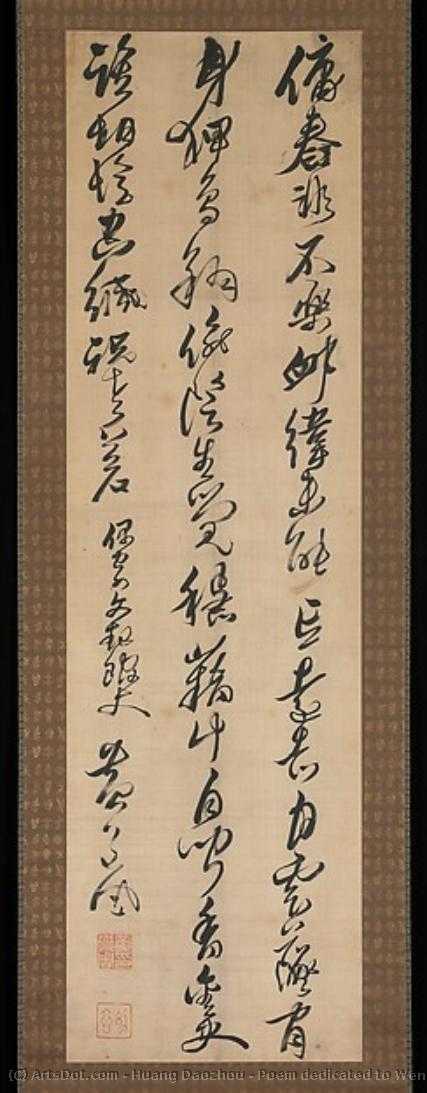
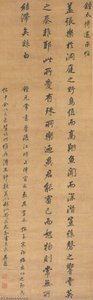
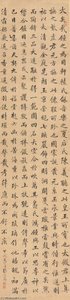
Poem dedicated to Wen Zhenmeng (1574–1636)
 Classical Chinese Painting
 174.0 x 50.0 cm
 詳細を見る
詳細を見る
ジークレー/アートプリント
迅速な制作と多彩な仕上げオプションを備えた、ミュージアムクオリティのジークレーまたはキャンバスプリント。 ( 手描きの絵画を購入 画像を購入)




































作品のオリジナル比率に合わせた、当店の規定サイズからお選びください。

特定のフレームやスペースに合わせて、ご自身でサイズを指定することも可能です。選択されたサイズが元の画像の比率と一致しない場合、作品をトリミングするか、鏡面反射または単色での塗りつぶしによって画像を拡張いたします。制作を開始する前に、ご確認用のデジタルモックアップをお送りいたします。
画面上のプレビューには、実際のトリミングや拡張は反映されませんのでご注意ください。最終的な構図を正確に確認できるのは、モックアップのみとなります。
カスタムサイズも承っておりますが、元の比率を維持するためには、あらかじめ用意されたリストからサイズを選択することをお勧めいたします。


 ガラスオプションは、110cm未満のサイズでのみご利用いただけます。

Poem dedicated to Wen Zhenmeng (1574–1636)
ジークレー/アートプリント
複製画のサイズ
-


合計金額
$ 62
関連作品

アーティストの略歴
The Scholar’s Unyielding Spirit
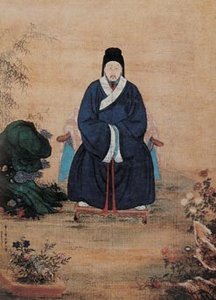
Born in the coastal serenity of Dongshan County around 1585, Huang Daozhou was a man whose life was defined by a profound tension between the delicate precision of the scholar's brush and the turbulent, often violent, realities of imperial politics. A figure of immense intellectual weight during the late Ming Dynasty, Huang’s journey was one of rising brilliance and tragic descent. After attaining the prestigious Jinshi degree in 1622, he entered the heart of the Ming bureaucracy, eventually serving in roles as significant as the Minister for Education. Yet, his career was never merely a matter of administrative duty; it was a battlefield of conscience. Known for his unwavering integrity and a refusal to remain silent in the face of corruption, Huang frequently offered candid, often biting, critiques to the Chongzhen Emperor. This very honesty, while earning him the respect of many intellectuals, alienated the powerful factions within the court, leading to a cycle of demotions and imprisonable offenses that would shadow his entire official life.
The Fluidity of the Cursive Script
In the realm of calligraphy, Huang Daozhou achieved a level of mastery that mirrored his internal fortitude—a style that was as energetic as it was disciplined. He became one of the preeminent exponents of caoshu, or cursive script, during the twilight of the Ming era. To observe his work is to witness a brush that races across the silk, rarely pausing to lift between characters, creating cascading textures of ink that seem to move with a life of their own. This technique was not merely an aesthetic choice but an expression of a spirit that refused to be constrained by rigid boundaries. In works such as his Poem dedicated to Wen Zhenmeng, the fluidity of the script captures a sense of continuous motion, much like the historical currents that were sweeping through China at the time. His calligraphy serves as a testament to a moment in history where the elegance of tradition met the frantic energy of a changing world.
Nature as an Allegory of Constancy
Beyond the rhythmic dance of ink, Huang’s artistic vision extended into the landscape, where he utilized natural motifs to communicate deep philosophical truths. He is perhaps most admired for his depictions of pines and rocks—elements that, in Chinese iconography, serve as enduring symbols of perseverance, strength, and moral constancy. In his notable scroll, Pines and Rock, created for his disciple Zhang Ruizhong, Huang employs a landscape that is both rugged and contemplative. The towering pines, standing amidst craggy formations, act as metaphors for the scholar who remains upright despite the storms of political upheaval. His deep understanding of the Book of Changes is woven into these works, often accompanied by inscriptions that reflect his stoic resolve. Through these paintings, Huang transformed the natural world into a mirror for the human soul, illustrating the struggle to maintain one's essence in an era of profound instability.
A Legacy Written in Blood and Ink
The tragedy of Huang Daozhou lies in the fact that his commitment to principle could not be contained within the quietude of a studio or the halls of academia. As the Ming Dynasty crumbled under the weight of the Manchurian invasion, the scholar-official transitioned into the role of a military general. His final chapter was written not with a brush, but with the ultimate sacrifice of a man who refused to surrender his values. Captured during the conflict, he chose death over capitulation, ensuring that his historical legacy would be one of martyrdom as much as artistry. Today, we remember him through:
- His calligraphic mastery, which captured the kinetic energy of the late Ming period.
- His landscape paintings, which provided a visual language for Confucian virtue and resilience.
- His political integrity, which remains a poignant study of the cost of intellectual dissent.
huang daozhou
1585 - 1646 , China
基本情報
- Artistic Movement Or Style: Sumi-e
- Date Of Birth: Dongshan County, China (1585)
- Date Of Death: 1646
- Full Name: Huang Daozhou
- Nationality: Chinese
- Notable Artworks: ['Pines and Rock']
- Place Of Birth: China
関連記事
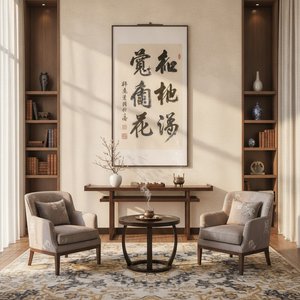
Timeless Elegance: Discovering the Soulful Beauty of Chinese Calligraphy for Sophisticated Home Interiors
Elevate your home with the serene beauty of Chinese calligraphy art. Explore our collection of hand-painted ink wash reproductions and bespoke commissions at ArtsDot.com. Discover museum-quality pieces designed to bring cultural elegance and tranquility to your modern interior.
Ephemeral Expressions: Exploring the Nuances of Ink on Paper Through History & Contemporary Art
Explore the captivating world of ink wash painting – from its ancient origins to contemporary masters. Discover techniques, symbolism & conservation insights with ArtsDot.com.
Xie Zhiliu: A Legacy of Ink Wash Painting & Modern Chinese Literati Tradition
Explore the legacy of Xie Zhiliu, a master of Chinese ink wash painting & prominent figure in modern art. Discover his techniques, influences, and contributions to literati tradition. A guide for discerning collectors.
Ephemeral Lines: Exploring Emotional Resonance in Ink Sketching Traditions
Explore the profound art of ink sketching! Discover techniques to express emotion, master line work, and cultivate artistic sensitivity. Learn from historical masters & unlock your creative potential.
The Beauty of Ink Wash: Discover Serene & Soulful Art for Your Home
Discover the tranquil beauty of ink wash painting. Explore how Sumi-e and monochrome landscapes bring Zen-inspired serenity and soulful elegance to your home decor through expert curation and timeless East Asian aesthetics.

