

 プレビュー
プレビュー
 プリントを購入
 シェアする
シェアする シェアする
シェアする
 詳細を見る
詳細を見る

 ダウンロード
 似ている作品
 X線調査
X線調査 スライドショー
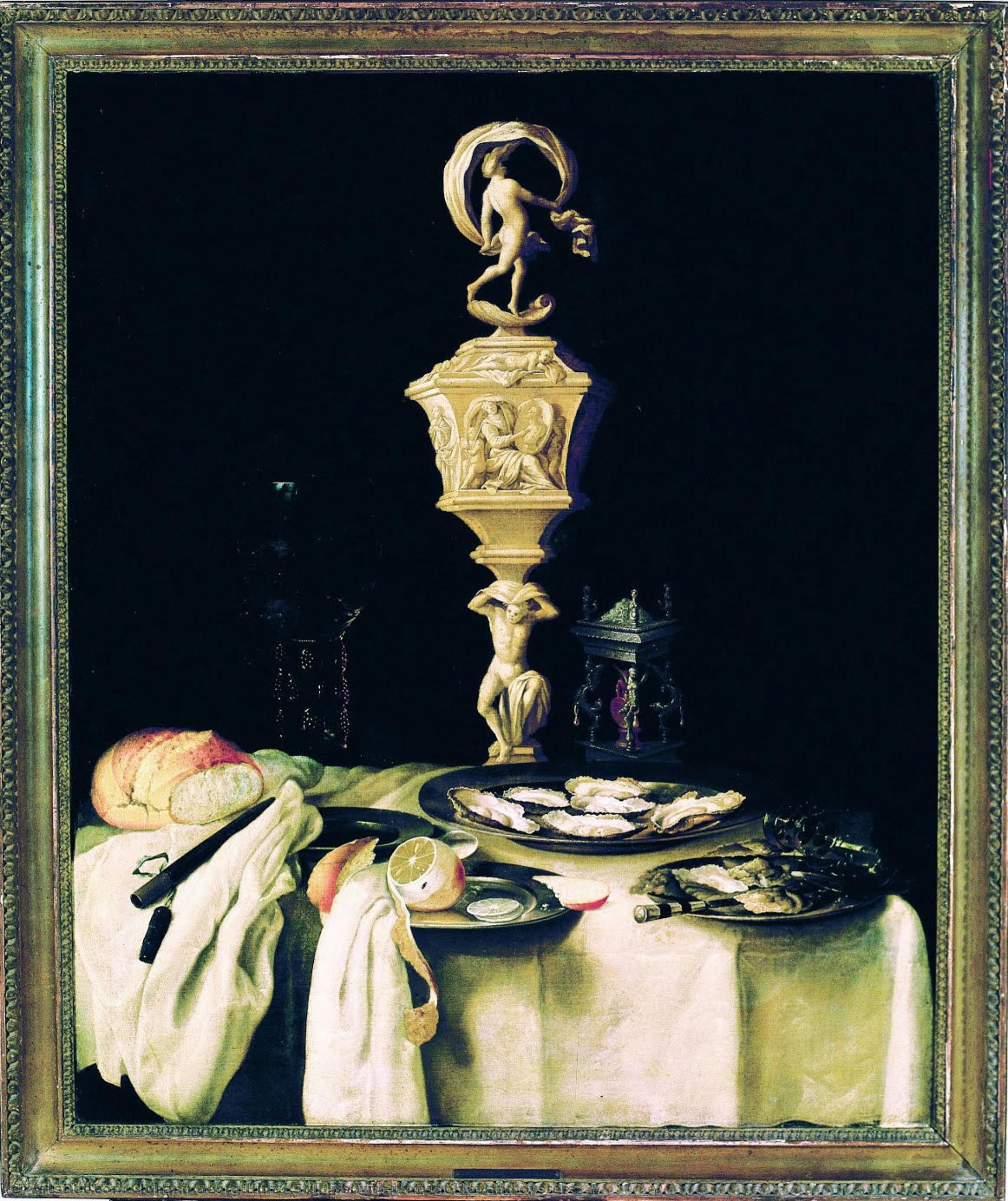
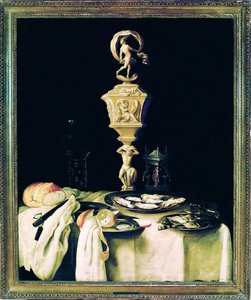
Still life with ivory goblet and oysters


 詳細を見る
詳細を見る




































作品のオリジナル比率に合わせた、当店の規定サイズからお選びください。

特定のフレームやスペースに合わせて、ご希望のサイズをご入力いただけます。選択されたサイズが元の画像の比率と異なる場合、アートワークをトリミングするか、手描きで要素を追加して絵画を拡張いたします。デジタルモックアップ を制作し、制作開始前にご確認(承認)をいただきます。
画面上のプレビューは、実際のトリミングや拡張を正確に反映しているものではありません。最終的な構図は、モックアップによってのみ正確にご確認いただけます。
カスタムサイズもご利用いただけますが、元の比率を維持するためには、あらかじめ用意されたリストからサイズを選択することをお勧めいたします。
ご注文後、ArtsDot.com チームより詳細な指示をお送りするとともに、仕上がりイメージ(モックアップ)をご提供いたします。


 ガラスオプションは、110cm未満のサイズでのみご利用いただけます。

Still life with ivory goblet and oysters
複製技法
複製画のサイズ
-


合計金額
$ 263
関連作品
アーティストの略歴
The Luminous World of Johann Georg Hinz
In the grand tapestry of the German Baroque, few threads shimmer with as much quiet, meticulous brilliance as those woven by Johann Georg Hinz. A master of the still life, Hinz possessed a rare ability to transform the mundane objects of everyday existence—a glinting oyster, a heavy pewter tankard, or a dew-kissed piece of fruit—into profound meditations on texture, light, and the fleeting nature of time. While history often reserves its loudest praises for the sweeping dramas of Rubens or the psychological depth of Rembrandt, Hinz carved out a sanctuary of intimacy. His work invites the viewer not into a theater of grand gestures, but into a private, silent room where every surface tells a story of tactile beauty and ephemeral splendor.
Born in 1630, likely in Altenau or within the artistic orbit of the Rhineland, Hinz’s early life was shaped by the burgeoning traditions of Northern European realism. His lineage suggests a deep-seated connection to the craft; with a father, Johann Christoph Hinz, who was himself an engraver and painter, the language of visual precision was his first mother tongue. This foundational training in the nuances of line and shadow prepared him for a career defined by an almost scientific devotion to observation. As he moved through the artistic landscapes of his era, possibly spending formative time in Amsterdam, he absorbed the sophisticated Dutch approach to the pronkstilleven—the ostentatious still life—blending it with a distinctly German sensibility that favored a certain grounded, earthy elegance.
A Legacy of Light and Texture
The true genius of Hinz lies in his command over the sensory experience of paint. To look upon a Hinz composition is to feel the cold dampness of an oyster shell or the smooth, chilled surface of an ivory goblet. He was a painter of surfaces, obsessed with the way light interacts with different materials: the way it clings to the velvet skin of a peach, how it refracts through a glass of amber beer, or how it dances upon the metallic rim of a silver vessel. His workshop, established in the mid-17th century, became a beacon for those seeking to master this delicate interplay of light and shadow. Through his tutelage, he influenced a generation of artists, including Christian Berentz and potentially Franz Werner von Tamm, ensuring that his meticulous approach to detail would ripple through the subsequent decades of German art.
His subject matter often revolved around the concept of the curiosity cabinet, presenting collections of precious objects that reflected the humanist interests of the age. These were not merely displays of wealth, but carefully curated arrangements of nature and artifice. In his hands, a simple breakfast scene becomes an exploration of abundance and decay, a subtle memento mori hidden within the lushness of a fruit bowl. This duality—the celebration of life's richness paired with the quiet reminder of its transience—is what gives his oeuvre such enduring psychological resonance.
Historical Significance and Artistic Impact
Though the biographical records of Hinz’s later years are occasionally fragmented, his impact on the development of the German Baroque still life is undeniable. He was a pioneer who brought the sophisticated techniques of the Dutch masters to the German territories, specifically in regions like Hamburg, where he became a foundational figure in the local artistic identity. His ability to elevate the "lesser" genres of painting—still life and minor objects—to a level of high art helped expand the boundaries of what was considered worthy of the canvas.
Today, the works of Johann Georg Hinz serve as exquisite windows into the 17th century. They offer more than just aesthetic pleasure; they provide a window into the soul of an era that found divinity in the details. His legacy remains preserved in the silent, breathtaking moments captured within his frames:
- The Mastery of Materiality: His unparalleled ability to replicate the tactile essence of glass, metal, and organic matter.
- The Influence of the Düsseldorf School: The propagation of a style defined by luminous color palettes and meticulous detail.
- A Bridge Between Traditions: His role in synthesizing Dutch realism with German Baroque sensibilities.
johann georg hinz
1630 - 1688
基本情報
- Artistic Movement Or Style: Baroque Painting
- Artists Or Movements Influenced By This Artist: ['Dutch Masters']
- Artists Who Influenced This Artist: ['Peter Paul Rubens']
- Date Of Death: 1688
- Full Name: Johann Georg Hinz
- Nationality: German
- Notable Artworks: ['Still Life with Fruit and Flowers']
- Place Of Birth: Germany
関連記事

ジョルジュ・ブラック傑作25選:革新的なキュビスムの世界と装飾への誘い
ジョルジュ・ブラックの傑作25選。キュビスムを代表する画家、その革新的な色彩と技法に迫ります。名画から知られざる逸品まで、美術史に残る作品群をArtsDot.comで鑑賞。お部屋を彩るアートプリントも多数ご用意。今すぐオンラインでコレクションをご覧ください。

ジョルジュ・スーラ傑作25選:光と色彩の科学が織りなす芸術の世界|ArtsDot
ジョルジュ・スーラの傑作25選。点描画の光と色彩、印象派から新印象派へ—ArtsDotで美術史を紐解き、リビングやダイニングを彩る高品質なアートプリントを見つけましょう。セーラ作品集をオンラインで鑑賞ください。

Dutch Baroque Masters: 10 Paintings That Shaped an Era | ArtsDot
Journey through the Golden Age with our guide to the Top 10 Dutch Baroque masterpieces! Explore iconic paintings by Rembrandt, Vermeer & Frans Hals. Find museum-quality art reproductions and elevate your home decor at ArtsDot.com.

黄金世紀の巨匠たち:バロック絵画が彩る10選|ArtsDot
オランダ黄金時代の10大傑作を紐解く!レンブラント、フェルメール…バロック絵画の魅力と時代背景を深く探求。ArtsDotで、至高のアートコレクションと空間演出のヒントを見つけよう。高品質なアートプリントで、お部屋を華やかに。

Golden Age Reflections: Dutch Baroque Painting & Cultural Innovation
Explore the Dutch Golden Age of painting! Discover key artists like Vermeer & ter Borch, their innovative techniques, and the rich cultural context behind these Baroque masterpieces. Learn about collecting & appreciating this iconic art period.

