

 プレビュー
プレビュー
 プリントを購入
 シェアする
シェアする シェアする
シェアする
 詳細を見る
詳細を見る

 ダウンロード
 似ている作品
 X線調査
X線調査 スライドショー
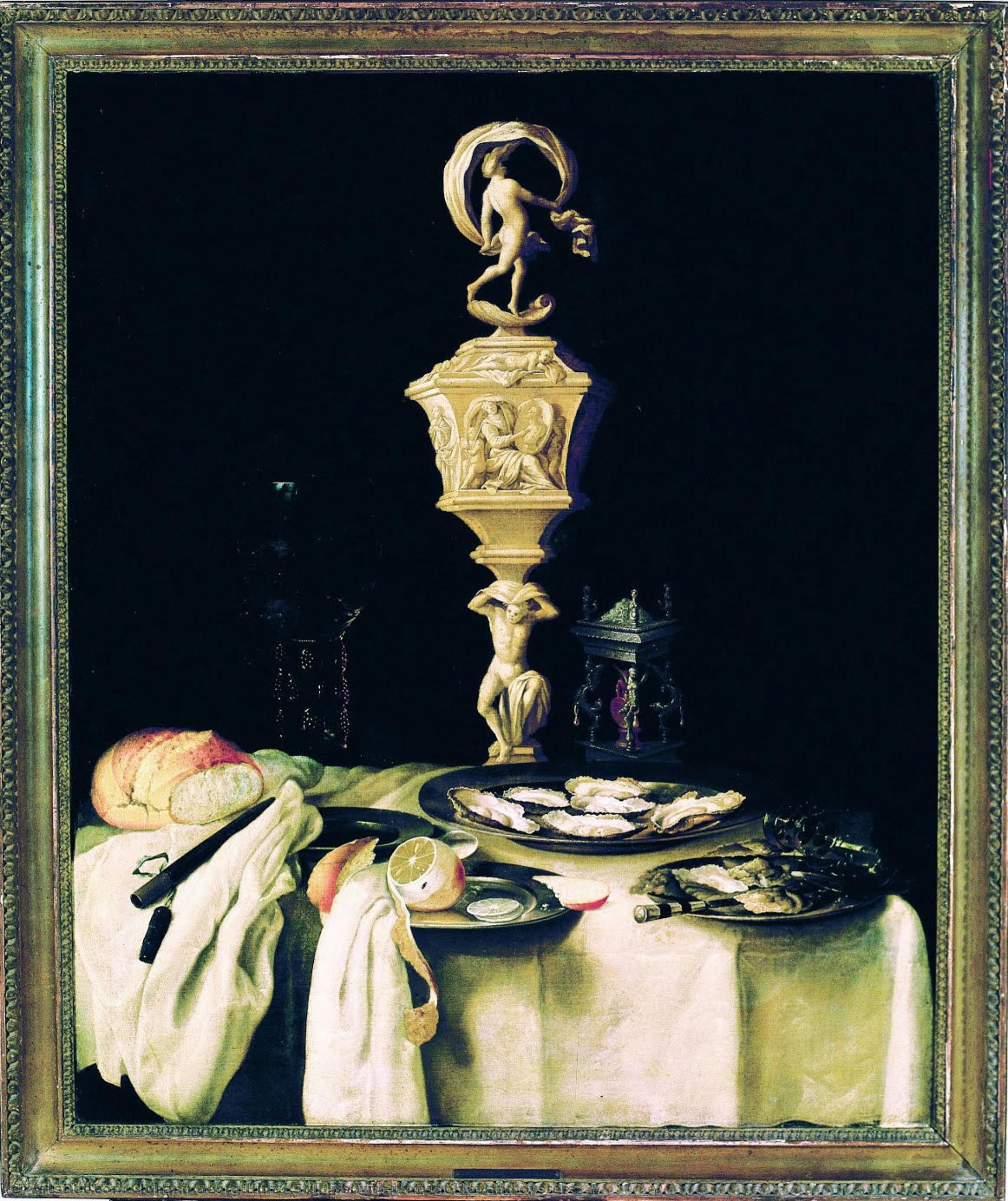
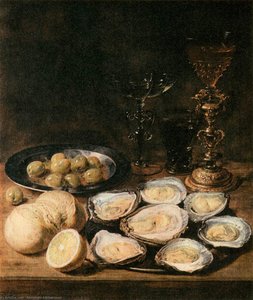
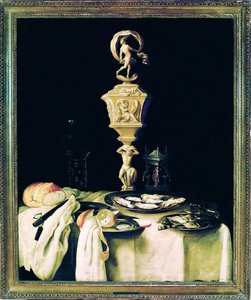
Still life with ivory goblet and oysters


 詳細を見る
詳細を見る
オンラインプレビューをはるかに凌ぐ、高解像度で鮮明なデジタル画像をご購入いただけます。
各ファイルは、社内の専門家が高度なツールと熟練した手作業によるレタッチを用いて、細心の注意を払って準備されています。すべての画像において、卓越した鮮明度、正確な色彩再現性、そして繊細なディテールを保証いたします。
最終ファイルは、プロフェッショナルな編集・印刷環境ですぐにご利用いただけるよう最適化された状態で、72時間以内にメールにてお届けいたします。これは、一流のデザインスタジオ、出版社、ギャラリーから信頼されているものと同等の品質です。
デジタル画像のご注文に付随する特典
高品質なデジタル画像配信を、確かな品質で。
ArtsDot.com を選ぶことは、単に画像を手に入れることではありません。それは、プロの手によって精密に仕上げられ、満足保証が付いた高品質なデジタルアートワークを受け取ることを意味します。ご注文いただいた際に自動的に付随する内容は、以下の通りです:

メールですぐにお届け
ご注文から72時間以内に、高解像度のデジタル画像ファイルがメールでお手元に届きます。すぐにそのままご利用いただけます。

AI技術で最適化されたデジタルファイル
お客様の作品は、高度なAIツールと専門家による手作業の編集を組み合わせてプロフェッショナルに最適化されており、細部のディテール、鮮明さ、そして正確な色再現性を最大限に引き出しています。

一生涯無料の再送サービス
ファイルを誤って削除したり、紛失してしまったりしましたか?ご安心ください。いつでも無料で再送いたします。

輸入手数料は一切かかりません
関税や手数料、配送料を気にすることなく、お気に入りのアートワークをすぐにお楽しみいただけます。デジタルダウンロードは常に免税です。

色彩再現の保証
プロ仕様のツールとカラーマネジメント技術を用いることで、デジタル画像が元の色を最大限に忠実に再現することを保証いたします。

60日間満足保証
ご購入いただいたデジタル画像にご満足いただけない場合は、60日以内であれば、修正または100%の返金(理由を問う必要はありません)をさせていただきます。

100% 返金保証
ご満足いただけない場合は、デジタルファイルを受け取ってから60日以内であれば、理由を問わず全額返金いたします。

まとめ買い割引
3枚購入で10%OFF - 5枚購入で15%OFF - 10枚以上購入で20%OFF。クリエイティブなプロジェクト、ギャラリー、エージェンシーに最適です。
関連作品
作家の略歴
The Luminous World of Johann Georg Hinz
In the grand tapestry of the German Baroque, few threads shimmer with as much quiet, meticulous brilliance as those woven by Johann Georg Hinz. A master of the still life, Hinz possessed a rare ability to transform the mundane objects of everyday existence—a glinting oyster, a heavy pewter tankard, or a dew-kissed piece of fruit—into profound meditations on texture, light, and the fleeting nature of time. While history often reserves its loudest praises for the sweeping dramas of Rubens or the psychological depth of Rembrandt, Hinz carved out a sanctuary of intimacy. His work invites the viewer not into a theater of grand gestures, but into a private, silent room where every surface tells a story of tactile beauty and ephemeral splendor.
Born in 1630, likely in Altenau or within the artistic orbit of the Rhineland, Hinz’s early life was shaped by the burgeoning traditions of Northern European realism. His lineage suggests a deep-seated connection to the craft; with a father, Johann Christoph Hinz, who was himself an engraver and painter, the language of visual precision was his first mother tongue. This foundational training in the nuances of line and shadow prepared him for a career defined by an almost scientific devotion to observation. As he moved through the artistic landscapes of his era, possibly spending formative time in Amsterdam, he absorbed the sophisticated Dutch approach to the pronkstilleven—the ostentatious still life—blending it with a distinctly German sensibility that favored a certain grounded, earthy elegance.
A Legacy of Light and Texture
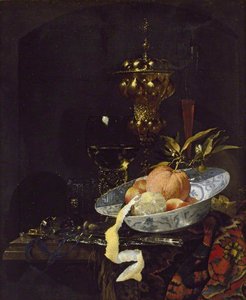
The true genius of Hinz lies in his command over the sensory experience of paint. To look upon a Hinz composition is to feel the cold dampness of an oyster shell or the smooth, chilled surface of an ivory goblet. He was a painter of surfaces, obsessed with the way light interacts with different materials: the way it clings to the velvet skin of a peach, how it refracts through a glass of amber beer, or how it dances upon the metallic rim of a silver vessel. His workshop, established in the mid-17th century, became a beacon for those seeking to master this delicate interplay of light and shadow. Through his tutelage, he influenced a generation of artists, including Christian Berentz and potentially Franz Werner von Tamm, ensuring that his meticulous approach to detail would ripple through the subsequent decades of German art.
His subject matter often revolved around the concept of the curiosity cabinet, presenting collections of precious objects that reflected the humanist interests of the age. These were not merely displays of wealth, but carefully curated arrangements of nature and artifice. In his hands, a simple breakfast scene becomes an exploration of abundance and decay, a subtle memento mori hidden within the lushness of a fruit bowl. This duality—the celebration of life's richness paired with the quiet reminder of its transience—is what gives his oeuvre such enduring psychological resonance.
Historical Significance and Artistic Impact
Though the biographical records of Hinz’s later years are occasionally fragmented, his impact on the development of the German Baroque still life is undeniable. He was a pioneer who brought the sophisticated techniques of the Dutch masters to the German territories, specifically in regions like Hamburg, where he became a foundational figure in the local artistic identity. His ability to elevate the "lesser" genres of painting—still life and minor objects—to a level of high art helped expand the boundaries of what was considered worthy of the canvas.
Today, the works of Johann Georg Hinz serve as exquisite windows into the 17th century. They offer more than just aesthetic pleasure; they provide a window into the soul of an era that found divinity in the details. His legacy remains preserved in the silent, breathtaking moments captured within his frames:
- The Mastery of Materiality: His unparalleled ability to replicate the tactile essence of glass, metal, and organic matter.
- The Influence of the Düsseldorf School: The propagation of a style defined by luminous color palettes and meticulous detail.
- A Bridge Between Traditions: His role in synthesizing Dutch realism with German Baroque sensibilities.
johann georg hinz
1630 - 1688
プロフィール概要
- Artistic Movement Or Style: Baroque Painting
- Artists Or Movements Influenced By This Artist: ['Dutch Masters']
- Artists Who Influenced This Artist: ['Peter Paul Rubens']
- Date Of Death: 1688
- Full Name: Johann Georg Hinz
- Nationality: German
- Notable Artworks: ['Still Life with Fruit and Flowers']
- Place Of Birth: Germany

