


 プレビュー
プレビュー
 プリントを購入
 シェアする
シェアする シェアする
シェアする
 詳細を見る
詳細を見る

 ダウンロード
 似ている作品
 X線調査
X線調査 スライドショー
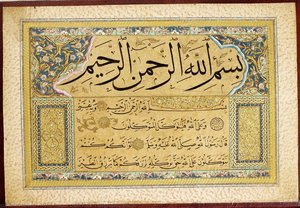
Levha (calligraphic inscription)
 Acrylic On Paper
- Ottoman Calligraphy
 1879
1879- 19th Century
 49.0 x 50.0 cm
 Sakıp Sabancı Museum
 詳細を見る
詳細を見る
オンラインプレビューをはるかに凌ぐ、高解像度で鮮明なデジタル画像をご購入いただけます。
各ファイルは、社内の専門家が高度なツールと熟練した手作業によるレタッチを用いて、細心の注意を払って準備されています。すべての画像において、卓越した鮮明度、正確な色彩再現性、そして繊細なディテールを保証いたします。
最終ファイルは、プロフェッショナルな編集・印刷環境ですぐにご利用いただけるよう最適化された状態で、72時間以内にメールにてお届けいたします。これは、一流のデザインスタジオ、出版社、ギャラリーから信頼されているものと同等の品質です。
デジタル画像のご注文に付随する特典
高品質なデジタル画像配信を、確かな品質で。
ArtsDot.com を選ぶことは、単に画像を手に入れることではありません。それは、プロの手によって精密に仕上げられ、満足保証が付いた高品質なデジタルアートワークを受け取ることを意味します。ご注文いただいた際に自動的に付随する内容は、以下の通りです:

メールですぐにお届け
ご注文から72時間以内に、高解像度のデジタル画像ファイルがメールでお手元に届きます。すぐにそのままご利用いただけます。

AI技術で最適化されたデジタルファイル
お客様の作品は、高度なAIツールと専門家による手作業の編集を組み合わせてプロフェッショナルに最適化されており、細部のディテール、鮮明さ、そして正確な色再現性を最大限に引き出しています。

一生涯無料の再送サービス
ファイルを誤って削除したり、紛失してしまったりしましたか?ご安心ください。いつでも無料で再送いたします。

輸入手数料は一切かかりません
関税や手数料、配送料を気にすることなく、お気に入りのアートワークをすぐにお楽しみいただけます。デジタルダウンロードは常に免税です。

色彩再現の保証
プロ仕様のツールとカラーマネジメント技術を用いることで、デジタル画像が元の色を最大限に忠実に再現することを保証いたします。

60日間満足保証
ご購入いただいたデジタル画像にご満足いただけない場合は、60日以内であれば、修正または100%の返金(理由を問う必要はありません)をさせていただきます。

100% 返金保証
ご満足いただけない場合は、デジタルファイルを受け取ってから60日以内であれば、理由を問わず全額返金いたします。

まとめ買い割引
3枚購入で10%OFF - 5枚購入で15%OFF - 10枚以上購入で20%OFF。クリエイティブなプロジェクト、ギャラリー、エージェンシーに最適です。
作品の詳細
A Testament to Ottoman Grace: Levha (Calligraphic Inscription) by Mehmed Ali Efendi
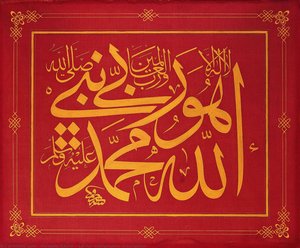
This exquisite hand-painted reproduction captures the essence of “Levha” (calligraphic inscription), a seminal work by the esteemed Ottoman calligrapher, Mehmed Ali Efendi. Executed in 1879, just months before his passing, this piece stands as a poignant testament to a lifetime dedicated to elevating the art of Arabic script into a breathtaking visual experience. Measuring 49 x 50 cm, it’s a remarkably intimate scale that belies the profound depth and historical significance contained within.
The Celî Style and its Spiritual Resonance
Mehmed Ali Efendi was a master of the celî style – a hallmark of Ottoman calligraphy during his era. Characterized by its dynamic, flowing lines and generous flourishes, the celî script wasn’t merely about conveying words; it sought to embody spiritual meaning. The intricate patterns surrounding the text are not mere decoration but integral components of this visual prayer, reflecting the deep religious convictions that informed Mehmed Ali Efendi's artistic practice. The use of red paper itself carries symbolic weight – often associated with passion, sacrifice, and divine revelation within Islamic tradition.
Technique and Materials: A Window into Ottoman Craftsmanship
- Paper: The artwork utilizes high-quality red paper, a deliberate choice reflecting the importance of color in Ottoman aesthetics.
- Ink: Traditional Arabic inks, meticulously ground and mixed, provide rich blacks and deep tones that enhance the calligraphy’s legibility and visual impact.
- Gold Leaf: The strategically placed gold accents are not just decorative; they represent divine illumination and signify the sacred nature of the text. Gold was a precious material, reserved for religious and imperial contexts, further elevating the work's status.
- Brushwork: The piece showcases Mehmed Ali Efendi’s exceptional control and skill with the brush, demonstrating the precision and artistry required to execute celî script flawlessly.
Historical Context and Legacy
Created in 1879, “Levha” represents a crucial moment in Ottoman artistic history – a period of both decline and enduring tradition. Mehmed Ali Efendi’s work exemplifies the continued relevance of classical forms within a rapidly changing world. Today, reproductions like this allow us to appreciate not only his technical brilliance but also the cultural richness of the Ottoman Empire. The piece is currently held at the Sakıp Sabancı Museum in Istanbul, a testament to its enduring value and importance within Turkish art heritage.
Bringing Beauty into Your Space
This hand-painted reproduction offers more than just an image; it’s an opportunity to own a piece of Ottoman artistic history. Its elegant design and rich colors will undoubtedly add a touch of sophistication and spiritual depth to any interior space. Perfect for collectors, art enthusiasts, or those seeking unique decorative elements, “Levha” is a timeless investment in beauty and cultural heritage.
関連作品
作家の略歴
early life and background
mehmed ali efendi, a renowned calligrapher, was born in istanbul, turkey in the early 19th century (1800) and passed away in 1879. his work had a profound impact on the development of ottoman calligraphy, earning him a revered place in the annals of art history.artistic contributions
mehmed ali efendi was particularly skilled in the celî style of calligraphy, characterized by its flowing script and intricate flourishes. this style, prevalent during the ottoman empire, added an aesthetic dimension to written works, transforming them into veritable masterpieces.notable works and collections
several of mehmed ali efendi's notable works are housed in prominent museums, including:- mehmed ali efendi: levha (calligraphic inscription), showcased at the sakıp sabancı museum (istanbul, türkiye), exemplifies his mastery of calligraphy. this piece, measuring 49 x 50 cm, is a testament to his skill in creating visually stunning works on paper.
- another notable example is yedikuleli seyyid abdullah efendi: kıt’a (single piece), also part of the sakıp sabancı museum's collection, which demonstrates the influence of mehmed ali efendi's style on subsequent calligraphers.
legacy and influence
mehmed ali efendi's contributions to ottoman calligraphy have been widely recognized. his work can be seen as part of a broader cultural movement that sought to elevate the beauty of written script, influencing not just art but also literature and education.- for more information on mehmed ali efendi and his works, visit mehmed ali efendi's page on ArtsDot.
- explore the the ilkhanid art movement, which, although distinct from mehmed ali efendi's style, offers insights into the broader context of islamic art during that period.
conclusion
mehmed ali efendi remains a pivotal figure in the history of ottoman calligraphy, his works continuing to inspire artists and scholars alike. through his masterful use of the celî style, he has left an indelible mark on the world of art.
mehmed ali efendi
1800 - 1879 , Turkey
プロフィール概要
- Artistic Movement Or Style: 19th Century Art
- Artists Or Movements Influenced By This Artist: ['Later artists on WahooArt']
- Artists Who Influenced This Artist:
- Caspar David Friedrich
- J.M.W. Turner
- George Catlin
- Date Of Death: 1879
- Nationality: WahooArt

