

 プレビュー
プレビュー
 シェアする
シェアする シェアする
シェアする
 詳細を見る
詳細を見る

 ダウンロード
 似ている作品
 X線調査
X線調査 スライドショー
 統計情報
統計情報Crucifixion
 Oil On Canvas
- WallArt
- Baroque
 1550
1550- Renaissance
 54.0 x 39.0 cm
 ルーブル美術館
 詳細を見る
詳細を見る
手描き油彩複製画
当社のアーティストが、お客様のご希望のサイズと額縁に合わせて、キャンバスに手描きで制作する油彩画です。 ( プリント版に切り替え デジタル画像販売へ切り替え)




P118B $10

P118H $10

P118W $10

P438Z $10

P508JH $12

P508YH $12

P805H $10

P805Z $10

P919BZ $10

P919G $10

P919XJ $10

P959ZH $10

P968JZ $12

W106C $8

W218G $10

W218JH $8

W218Y $10

W307PJ $10

W316G $10

W316PJ $8

W316Y $10

W398PJ $8

W4111J $10

W500HY $15

W500JH $15

W692G $12

W849H $8

W940BG $15

W953PJ $8




作品のオリジナル比率に合わせた、当店の規定サイズからお選びください。

特定のフレームやスペースに合わせて、ご希望のサイズをご入力いただけます。選択されたサイズが元の画像の比率と異なる場合、アートワークをトリミングするか、手描きで要素を追加して絵画を拡張いたします。デジタルモックアップ を制作し、制作開始前にご確認(承認)をいただきます。
画面上のプレビューは、実際のトリミングや拡張を正確に反映しているものではありません。最終的な構図は、モックアップによってのみ正確にご確認いただけます。
カスタムサイズもご利用いただけますが、元の比率を維持するためには、あらかじめ用意されたリストからサイズを選択することをお勧めいたします。
ご注文後、ArtsDot.com チームより詳細な指示をお送りするとともに、仕上がりイメージ(モックアップ)をご提供いたします。


 ガラスオプションは、110cm未満のサイズでのみご利用いただけます。

Crucifixion
複製技法
複製画のサイズ
-


合計金額
$ 563
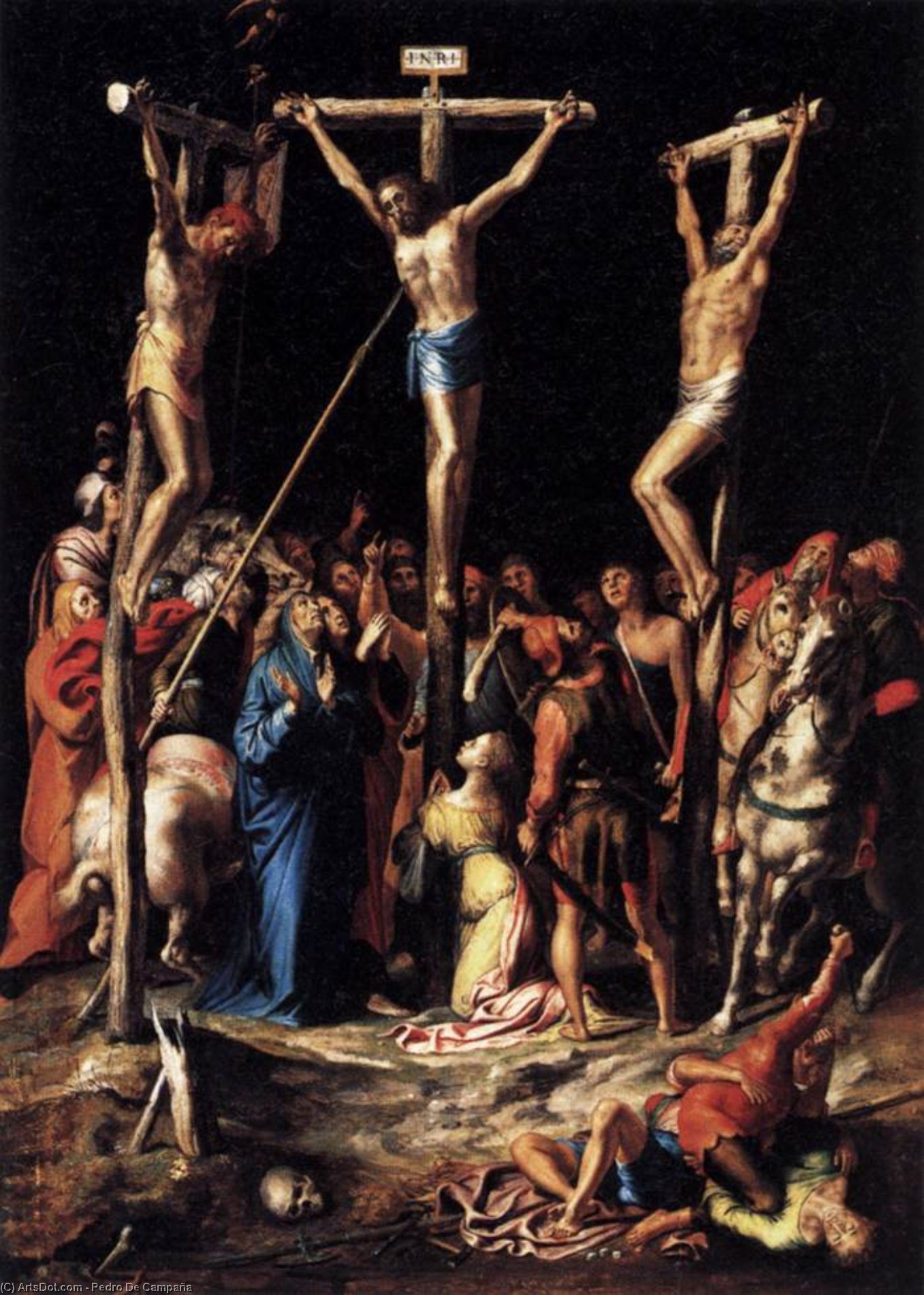
The Weight of Sacrifice: An Encounter with Campaña's Crucifixion
To stand before Pedro de Campaña’s Crucifixion is not merely to observe a painting; it is to be enveloped by an overwhelming tide of profound human emotion. This large-scale oil masterpiece, dating from 1550, plunges the viewer into the heart of Christian theology's most pivotal moment. The composition itself commands attention with its dramatic verticality, centering on the stark, imposing form of the cross. Campaña masterfully captures the raw drama of the event, rendering it not as a distant historical tableau, but as an immediate, visceral confrontation with suffering and redemption.
Baroque Drama and Technical Mastery
The style here speaks directly to the height of Baroque realism. One can almost feel the weight of the wood beneath Christ’s body and sense the tension in every outstretched limb. Campaña employs a technique that is both meticulous and emotionally charged. The use of oil paint, built up through careful glazing, allows for an astonishing luminosity, particularly where the divine light seems to strike the pallor of skin or the folds of rich drapery. Notice how the deep shadows—the tenebrism characteristic of the period—are not mere absences of light, but active participants in the narrative, deepening the mood of sorrow and despair. The rendering of textures, from rough-hewn wood to silken garments, showcases a virtuosity that speaks to Campaña’s training under masters who valued both classical idealism and palpable realism.
Compositional Depth and Human Drama
What elevates this piece beyond mere religious iconography is its complex composition. The scene is densely populated, layered with figures ranging from the central, suffering Christ to the grieving followers and the vast, silent crowd observing from the periphery. Campaña directs the viewer's eye through strong, directional lines—the beams of the cross acting as anchors against the organic chaos of human grief. While the perspective possesses a certain flattening typical of Baroque prioritization of emotional impact over strict scientific realism, this choice serves the narrative perfectly. Depth is achieved not through vanishing points alone, but through the sheer accumulation of gesture and palpable sorrow emanating from every depicted face.
Symbolism and Enduring Resonance
Every element within Crucifixion pulses with symbolic weight. The cross itself is the ultimate symbol of sacrifice, while the instruments surrounding it serve as stark reminders of human cruelty juxtaposed against divine grace. Yet, it is the faces—the expressions of lamentation, devotion, and shock among the onlookers—that resonate most deeply. This painting forces a meditation on suffering, empathy, and the enduring promise of redemption. For the modern collector or designer, this piece offers more than just decoration; it provides a focal point for contemplation, an object that anchors a space with profound historical weight and timeless spiritual resonance.
関連作品

アーティストの略歴
Pedro Campaña (1503–1586): A Renaissance Painter Bridging Flanders and Spain
Pedro Campaña, born in Brussels around 1503, stands as a pivotal figure in the artistic landscape of the Renaissance—a Flemish painter who skillfully traversed the cultural currents between Italy and Spain. Initially trained under Bernard van Orley, Campaña’s early career unfolded amidst the vibrant intellectual milieu of Florence, where he meticulously studied the masterful works of Raphael, establishing himself as his protégé. This formative period profoundly shaped his artistic sensibilities, imbuing him with a dedication to classical ideals and meticulous observation. Recognizing Campaña's talent, Cardinal Domenico Grimani encouraged him to relocate to Seville in 1530, believing it would propel his artistic endeavors. He swiftly established himself as part of Luis de Vargas’s burgeoning studio, fostering a school of painting that soon became the Academy of the Place—a beacon of artistic innovation within Spain. Among Campaña's pupils was Morales, cementing his legacy as an educator and shaping the future of Spanish art. His output during this time included monumental altar-pieces for Seville Cathedral, notably “The Descent from the Cross” (1548), a dramatic depiction reflecting Michelangelo’s influence and capturing the emotional intensity characteristic of Renaissance painting. The artwork was later removed due to the cathedral's ruinous state. Campaña continued his artistic pursuits in Seville until approximately 1563 or 1565, where he undertook the ambitious task of restoring and repainting a chapel commissioned by Hernando de Jaén—a testament to his unwavering commitment to craftsmanship and artistic excellence. Furthermore, Campaña’s influence extended beyond Seville; Murillo specifically requested that his burial take place near Campaña's painting, symbolizing their shared artistic vision. Sadly, the church housing Campaña’s masterpiece succumbed to destruction during the Napoleonic Wars, resulting in the loss of his tomb—a poignant reminder of the ephemeral nature of artistic achievement and historical preservation. His prolific output spanned across various churches throughout Seville, showcasing a remarkable versatility in style and subject matter. Among his most celebrated works are “The Purification of the Virgin” and “The Resurrection,” grand retables embodying Baroque realism and meticulous detail. These paintings exemplify Campaña’s mastery of technique—particularly chiaroscuro—creating luminous effects that heighten emotional impact. His artistic legacy resides not only in these monumental pieces but also in the broader context of Renaissance art history, representing a crucial link between Flemish innovation and Spanish grandeur.- Notable Works: “The Descent from the Cross,” “Crucifixion,” “Pictures of Dona Leonor and Dona Mencia de Cabrera and his daughters”, Chapel Restoration for Hernando de Jaén
- Influences: Raphael, Bernard van Orley
- School: Academy of the Place (Seville)
- Historical Significance: Bridged Flemish and Spanish artistic traditions; Shaped Seville’s Baroque art scene.
Further Exploration
You can delve deeper into Pedro Campaña's artistry by visiting these resources:- Wikipedia Article: https://en.wikipedia.org/wiki/Pedro_Campa%C3%B1a
- Artwork Database: Explore “The Descent from the Cross” Detail
- Museums Database: Hospital de la Caridad – Seville, Municipal Museum of Art of La Plata
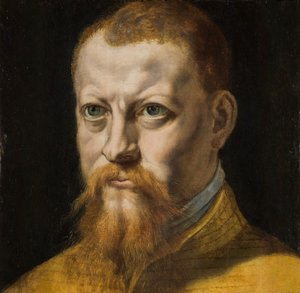
pedro de campaña
1503 - 1586 , Belgium
基本情報
- Artistic Movement Or Style: Renaissance
- Artists Or Movements Influenced By This Artist:
- Luis de Vargas
- Murillo
- Artists Who Influenced This Artist:
- Bernhard van Orley
- Raphael
- Date Of Birth: Brussels, Belgium (1503)
- Date Of Death: 1586
- Full Name: Pedro de Kempeneer / Pedro Campaña
- Nationality: Flemish
- Notable Artworks:
- Descent from the Cross
- Crucifixion
- Pictures of Dona Leonor and Dona Mencia de Cabrera and his daughters
- Hospital de la Caridad
- Municipal Museum of Art of La Plata
- Place Of Birth: Brussels
関連記事

The Dramatic Flourish: Exploring the Baroque Movement's Enduring Legacy in Art History
Explore the dramatic world of Baroque art! Discover iconic artists like Caravaggio & Rubens, defining techniques, and its lasting impact on art history. Expert insights for collectors & enthusiasts at ArtsDot.
The Golden Age Reforged: Dramatic Realism & Religious Zeal in Spanish Baroque Art
Explore the dramatic world of Spanish Baroque art! Discover masters like Zurbarán & the powerful influence of religious zeal on painting techniques – a guide for collectors and enthusiasts.

バロック美術を極めた至宝:時代を彩る10大名作の世界
バロック美術の華!カラヴァッジョ、ベルニーニら巨匠が創り上げた10大名作を徹底解剖。ドラマチックな色彩と豪華絢爛の世界観に触れ、至宝のアートプリントで空間を彩ろう。ArtsDot.comで美術館品質の複製と洗練されたインテリアを見つけましょう!

About Us
Discover our story! We bring world-class art into your life through expert curation, personalized creations, and free previews. Trusted by individuals and businesses since 2000.

ゴヤ傑作25選:スペインの魂を揺さぶる、深遠な芸術の世界 | ArtsDot
ゴヤ傑作25選:ロマン主義を代表するスペインの巨匠、フランシスコ・デ・ゴヤの世界へ。黒衣の女からマハまで、魂を揺さぶる絵画の物語と技法を紐解きます。ArtsDotで高品質なアートレプリカを見つけ、インテリアに深みと風格を。今すぐコレクションをご覧ください。