

 プレビュー
プレビュー
 シェアする
シェアする シェアする
シェアする
 詳細を見る
詳細を見る

 ダウンロード
 似ている作品
 X線調査
X線調査 スライドショー
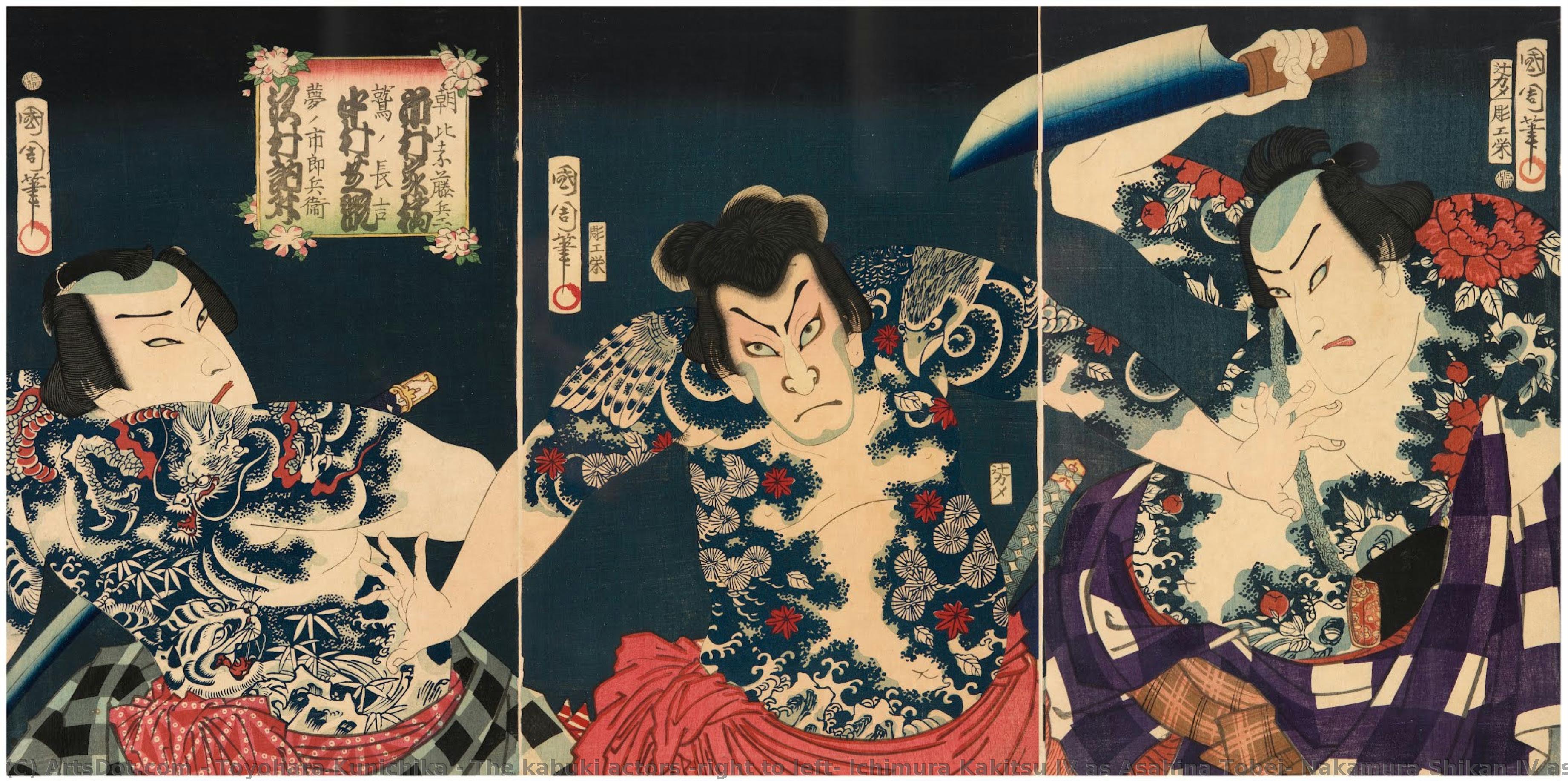
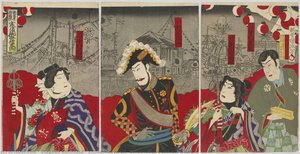
The kabuki actors (right to left) Ichimura Kakitsu IV as Asahina Tobei, Nakamura Shikan IV as Washi no Chokichi and Sawamura Tosshi II as Yume no Ichirobei, IV/1868
 Woodblock Print
- Ukiyo-e
 1868
1868- 19th Century
 25.0 x 37.0 cm
 南オーストラリア・ギャラリー
 詳細を見る
詳細を見る
ジークレー/アートプリント
迅速な制作と多彩な仕上げオプションを備えた、ミュージアムクオリティのジークレーまたはキャンバスプリント。 ( 手描きの絵画を購入 画像を購入)




P118B $10

P118H $10

P118W $10

P438Z $10

P508JH $12

P508YH $12

P805H $10

P805Z $10

P919BZ $10

P919G $10

P919XJ $10

P959ZH $10

P968JZ $12

W106C $8

W218G $10

W218JH $8

W218Y $10

W307PJ $10

W316G $10

W316PJ $8

W316Y $10

W398PJ $8

W4111J $10

W500HY $15

W500JH $15

W692G $12

W849H $8

W940BG $15

W953PJ $8




作品のオリジナル比率に合わせた、当店の規定サイズからお選びください。

特定のフレームやスペースに合わせて、ご自身でサイズを指定することも可能です。選択されたサイズが元の画像の比率と一致しない場合、作品をトリミングするか、鏡面反射または単色での塗りつぶしによって画像を拡張いたします。制作を開始する前に、ご確認用のデジタルモックアップをお送りいたします。
画面上のプレビューには、実際のトリミングや拡張は反映されませんのでご注意ください。最終的な構図を正確に確認できるのは、モックアップのみとなります。
カスタムサイズも承っておりますが、元の比率を維持するためには、あらかじめ用意されたリストからサイズを選択することをお勧めいたします。


 ガラスオプションは、110cm未満のサイズでのみご利用いただけます。

The kabuki actors (right to left) Ichimura Kakitsu IV as Asahina Tobei, Nakamura Shikan IV as Washi no Chokichi and Sawamura Tosshi II as Yume no Ichirobei, IV/1868
ジークレー/アートプリント
複製画のサイズ
-


合計金額
$ 62
作品詳細説明
A Dramatic Encounter in Wood and Ink
In the vibrant twilight of the Edo period, the world of Kabuki theater served as the beating heart of Japanese social life, a realm where myth and reality collided under the glow of paper lanterns. Toyohara Kunichika, a master of the ukiyo-e tradition, captures this electric atmosphere in his 1868 masterpiece, The kabuki actors (right to left) Ichimura Kakitsu IV as Asahina Tobei, Nakamura Shikan IV as Washi no Chokichi and Sawamura Tosshi II as Yume no Ichirobei. This exquisite woodblock print is not merely a portrait of performers; it is a window into a vanished era of theatrical grandeur. Through his precise linework and masterful use of color, Kunichika invites the viewer to step onto the stage, feeling the tension of the drama and the weight of the historical moment.
The composition is a breathtaking study in movement and character. The print presents a dynamic arrangement of legendary figures, each rendered with the distinct intensity required for yakusha-e—the specialized genre of actor portraits. As the eye traverses the panels, one encounters the commanding presence of Ichimura Kakitsu IV, Nakamura Shikan IV, and Sawamura Tosshi II. Kunichika utilizes a sophisticated technique of layered pigments to define the intricate patterns of their costumes and the expressive, often exaggerated, facial features that defined Kabuki performance. The interplay of light and shadow across the figures creates a sense of three-dimensionality, making the actors appear as if they are emerging from the very paper itself.
Beyond the technical brilliance, the artwork is steeped in symbolic depth. The presence of swords scattered throughout the scene serves as a poignant reminder of the underlying themes of conflict, honor, and the precarious nature of life during the transition from the Edo to the Meiji era. These elements of danger contrast beautifully with the stylized elegance of the figures, creating an emotional resonance that oscillates between excitement and melancholy. For the discerning collector or interior designer, this piece offers more than just aesthetic beauty; it provides a narrative anchor for a room, evoking a sense of timelessness and cultural sophistication.
Integrating such a profound work into a contemporary space allows for a dialogue between modern minimalism and historical richness. Whether placed as a focal point in a curated gallery or used to add a layer of storied texture to a sophisticated living area, this reproduction of Kunichika’s work brings the soul of 19th-century Japan into the present. It is an invitation to contemplate the enduring power of performance and the artistry that preserves our collective human history.
関連作品
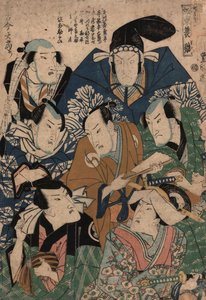
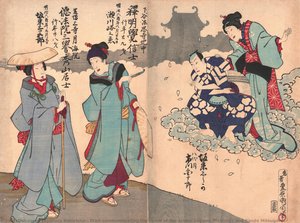
![[mitate] Actors In The Evening, Returning To The Dressing Room — Toyohara Kunichika, Ukiyo-e](/media/artworks/images-thumb/e3/f8/e3f80dd3372e57f69ae58e37c73e0518.jpg)
アーティストの略歴
early life and training
toyohara kunichika, a renowned japanese woodblock print artist, was born on june 30, 1835. recognized for his exceptional talent at a young age, he became a student of utagawa kunisada, tokyo's leading print maker, at the age of thirteen.artistic style and themes
kunichika's deep understanding of kabuki drama led to his primary production of yakusha-e, woodblock prints of kabuki actors and scenes from popular plays. additionally, he portrayed women deemed beautiful (bijinga), contemporary social life, and a few landscapes and historical scenes.- notable works:
- the actor's portrait (1880) - a fine example of kunichika's yakusha-e style.
- beautiful woman in a brocade robe (1890) - showcase of his bijinga art.
career and legacy
kunichika successfully worked during the edo period, carrying those traditions into the meiji period. his contemporaries and modern art historians view this as a significant achievement during a transitional period of great social and political change in japan's history.- key contributions:
- preservation of traditional japanese print-making techniques.
- influence on the development of modern japanese art.
resources
for more information on toyohara kunichika and his works, visit:- toyohara kunichika's profile on ArtsDot.com
- the kanō school style art movement - understand the context of japanese art during kunichika's time.
- shūsei's profile - explore another influential japanese artist from a different period.
conclusion
toyohara kunichika remains an important figure in the history of japanese art, particularly in the realm of woodblock prints. his dedication to preserving traditional techniques while adapting to changing social and political landscapes has left a lasting impact on modern japanese art.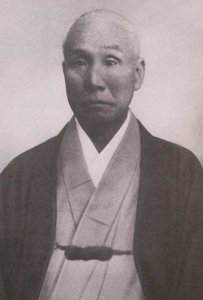
Toyohara Kunichika
1835 - 1900 , Japan
基本情報
- Artistic Movement Or Style: Ukiyo-e (Yakusha-e, Bijinga)
- Artists Or Movements Influenced By This Artist: ['Meiji Ukiyo-e']
- Artists Who Influenced This Artist:
- Utagawa Kunisada
- Toyohara Chikanobu
- Date Of Birth: June 30, 1835
- Date Of Death: 1900
- Full Name: Toyohara Kunichika
- Nationality: Japanese
- Notable Artworks:
- The Actor's Portrait
- Beautiful Woman in a Brocade Robe
- Place Of Birth: Tokyo, Japan
関連記事

葛飾北斎:25の傑作が語る浮世絵の世界 - ArtsDot
葛飾北斎の25選:『神奈川沖浪裏』や『富嶽三十六景』など、浮世絵の世界を深く探求。木版画の技法と日本美術の美をArtsDotで。高品質なアートプリントで空間に感動を。コレクションはこちら。
Ukiyo-e: Exploring Japan's Floating World & Enduring Artistic Legacy
Explore the captivating world of Ukiyo-e – Japan's iconic woodblock prints! Discover masters like Hokusai & Hiroshige, learn about Edo period culture, and find expert art collecting guidance at ArtsDot.
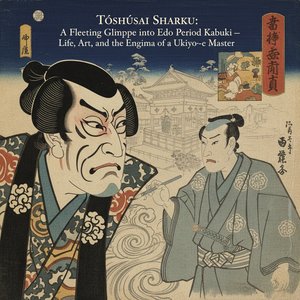
Tōshūsai Sharaku: A Fleeting Glimpse into Edo Period Kabuki – Life, Art, and the Enigma of a Ukiyo-e Master
Explore the captivating world of Tōshūsai Sharaku, the enigmatic Edo period ukiyo-e master. Discover his iconic Kabuki actor portraits and unravel the mystery behind this fleeting artistic genius. Learn about his unique style & lasting legacy.
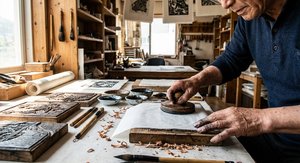
The Enduring Legacy of Woodblock Printmaking: Technique, History & Artistic Expression
Explore the rich history of woodblock printmaking – from ancient techniques to Ukiyo-e masterpieces. Discover expert insights on collecting, preserving & appreciating this enduring art form.
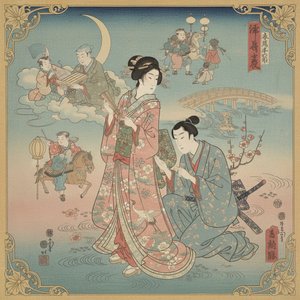
Suzuki Harunobu: Pioneering Ukiyo-e & the Refinement of Edo Period Printmaking
Discover the revolutionary world of Suzuki Harunobu, a pioneer of ukiyo-e printmaking. Explore his exquisite nishiki-e techniques, diverse subjects & lasting impact on Japanese art history. Learn more at ArtsDot.

