

 プレビュー
プレビュー
 シェアする
シェアする シェアする
シェアする
 詳細を見る
詳細を見る

 ダウンロード
 似ている作品
 X線調査
X線調査 スライドショー
 統計情報
統計情報An Introduction to Square Word Calligraphy
 Ink On Paper
 1994
1994- Contemporary
 48.0 x 518.0 cm
 詳細を見る
詳細を見る
オンラインプレビューをはるかに凌ぐ、高解像度で鮮明なデジタル画像をご購入いただけます。
各ファイルは、社内の専門家が高度なツールと熟練した手作業によるレタッチを用いて、細心の注意を払って準備されています。すべての画像において、卓越した鮮明度、正確な色彩再現性、そして繊細なディテールを保証いたします。
最終ファイルは、プロフェッショナルな編集・印刷環境ですぐにご利用いただけるよう最適化された状態で、72時間以内にメールにてお届けいたします。これは、一流のデザインスタジオ、出版社、ギャラリーから信頼されているものと同等の品質です。
デジタルアート
個人での鑑賞、印刷、クリエイティブなプロジェクト用に、高解像度ファイルをダウンロードできます。 ( プリント版に切り替え 手描きの絵画を購入)
デジタル画像のご注文に付随する特典
高品質なデジタル画像配信を、確かな品質で。
ArtsDot.com を選ぶことは、単に画像を手に入れることではありません。それは、プロの手によって精密に仕上げられ、満足保証が付いた高品質なデジタルアートワークを受け取ることを意味します。ご注文いただいた際に自動的に付随する内容は、以下の通りです:

メールですぐにお届け
ご注文から72時間以内に、高解像度のデジタル画像ファイルがメールでお手元に届きます。すぐにそのままご利用いただけます。

AI技術で最適化されたデジタルファイル
お客様の作品は、高度なAIツールと専門家による手作業の編集を組み合わせてプロフェッショナルに最適化されており、細部のディテール、鮮明さ、そして正確な色再現性を最大限に引き出しています。

一生涯無料の再送サービス
ファイルを誤って削除したり、紛失してしまったりしましたか?ご安心ください。いつでも無料で再送いたします。

輸入手数料は一切かかりません
関税や手数料、配送料を気にすることなく、お気に入りのアートワークをすぐにお楽しみいただけます。デジタルダウンロードは常に免税です。

色彩再現の保証
プロ仕様のツールとカラーマネジメント技術を用いることで、デジタル画像が元の色を最大限に忠実に再現することを保証いたします。

100日間満足保証
ご購入いただいたデジタル画像にご満足いただけない場合は、100日以内であれば、理由を問わず修正または100%の返金対応をさせていただきます。

100% 返金保証
ご満足いただけない場合は、デジタルファイルを受け取ってから100日以内であれば、理由を問わず全額返金いたします。

まとめ買い割引
3枚購入で10%OFF - 5枚購入で15%OFF - 10枚以上購入で20%OFF。クリエイティブなプロジェクト、ギャラリー、エージェンシーに最適です。
A Bridge Between Worlds: The Linguistic Alchemy of Xu Bing
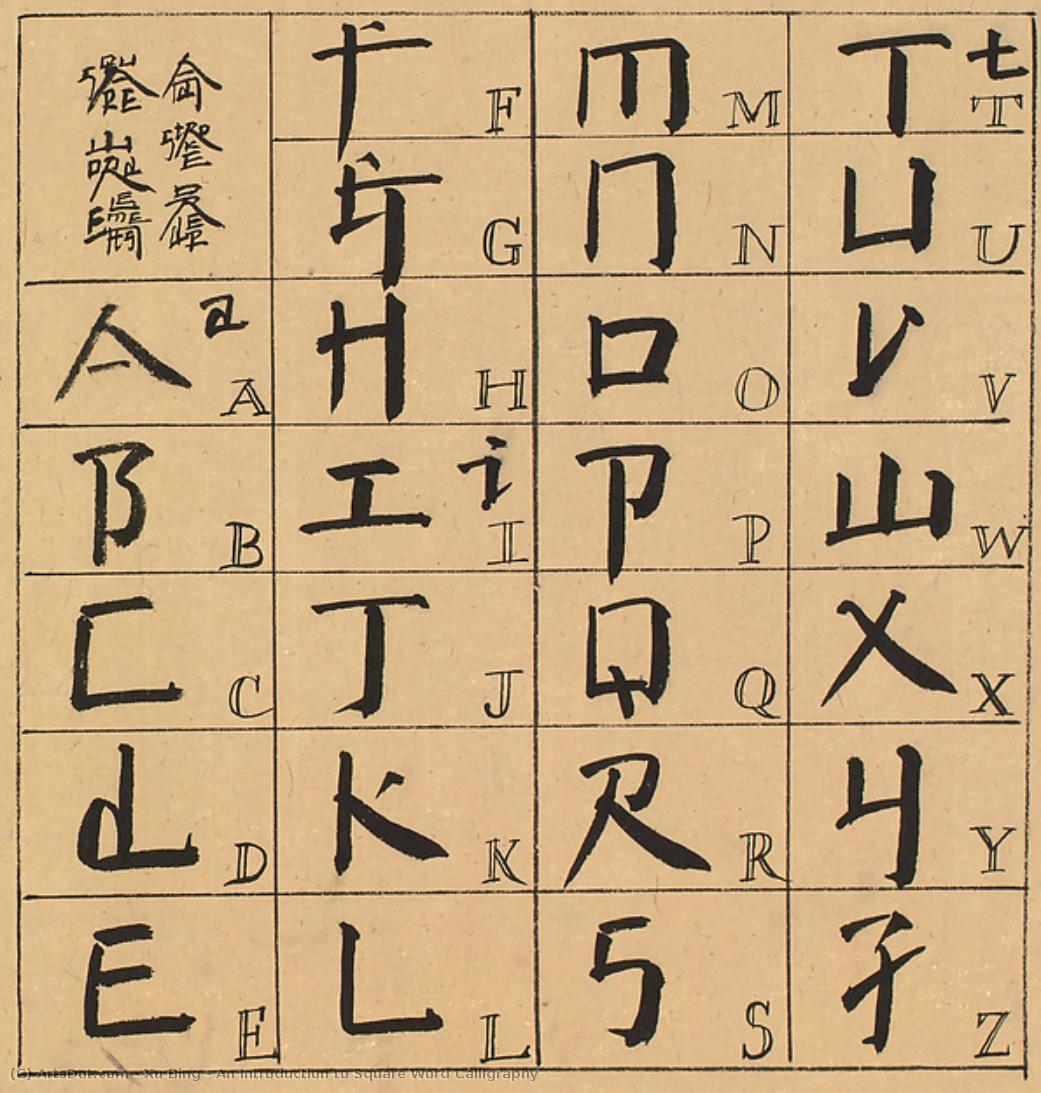
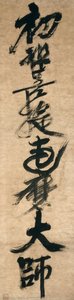
In the vast landscape of contemporary art, few works possess the profound ability to dissolve cultural boundaries as elegantly as Xu Bing’s "An Introduction to Square Word Calligraphy." Created in 1994, this masterpiece serves as a mesmerizing intersection between the familiar and the foreign. At first glance, the viewer is met with a rhythmic, grid-like arrangement of characters that pulse with the structural gravity of traditional Chinese calligraphy. Yet, upon closer inspection, a delightful cognitive dissonance emerges. The artist has masterfully reconfigured the Latin alphabet into square, block-like structures that mimic the aesthetic logic of Chinese logograms. This is not merely an exercise in graphic design; it is a profound experiment in perception, inviting the observer to inhabit a space where the English language is transformed into a visual poetry of form and stroke.
The technique behind this work is deeply rooted in the disciplined traditions of printmaking and brushwork, reflecting Xu Bing’s rigorous training at the Central Academy of Fine Arts. Each "word" is meticulously constructed within its own square cell, utilizing varying line weights and structural components that suggest a complex, invented lexicon. The black and white medium strips away the distraction of color, forcing the eye to focus entirely on the interplay of negative space and ink. This starkness lends the piece a timeless, archival quality, reminiscent of ancient manuscripts or scholarly texts, making it an intellectually stimulating centerpiece for any sophisticated collection.
The Symbolism of Deciphering the Unknown
To engage with this artwork is to participate in a ritual of decoding. Xu Bing, whose life was shaped by the linguistic upheavals of the Cultural Revolution, uses this piece to explore how language functions as both a barrier and a gateway. By imposing the structural rules of Chinese characters onto English words, he demystifies the "otherness" of the East for Western audiences while simultaneously challenging Westerners to see their own language through a new, more sculptural lens. The symbolism lies in the act of translation itself—the idea that meaning is not just found in what we read, but in how we perceive the architecture of communication.
For the collector or interior designer, this piece offers a unique emotional resonance. It carries an aura of quiet contemplation and intellectual curiosity. The repetitive, meditative nature of the grid provides a sense of order and stability, making it an ideal choice for spaces dedicated to study, reflection, or high-concept modern living. It is a work that does not merely decorate a wall; it invites conversation, prompting guests to lean in, squint, and ultimately find joy in the process of discovery.
A Timeless Addition to the Modern Interior
Whether displayed as a large-scale focal point or integrated into a curated gallery wall, a high-quality reproduction of "An Introduction to Square Word Calligraphy" brings a sense of global sophistication to an environment. Its monochromatic palette ensures seamless integration with minimalist, contemporary, or even classical decor, acting as a sophisticated anchor that bridges the gap between traditional craftsmanship and avant-garde conceptualism. Owning this piece is an invitation to celebrate the beauty of structural harmony and the endless possibilities of human expression.
関連作品
作家の略歴
A Disruptor of Language: The Life and Art of Xu Bing
Xu Bing, born in Chongqing, China, in 1955, is a name synonymous with innovation and intellectual rigor within the landscape of contemporary art. His journey, deeply intertwined with the tumultuous socio-political climate of 20th and 21st century China, has led him to become one of the most internationally recognized artists emerging from the country. Growing up in Beijing as the son of a professor at Peking University, Xu’s early life was marked by both intellectual stimulation and the upheaval of the Cultural Revolution. This period, where he was sent to the countryside for re-education between 1975 and 1977, proved formative, instilling within him a profound awareness of language as a tool of power and control—a theme that would become central to his artistic practice. Returning to Beijing, Xu formally began his artistic training at the Central Academy of Fine Arts (CAFA) in 1977, focusing on printmaking and drawing, eventually earning his Master’s degree in 1987. This foundational education provided him with the technical mastery he would later subvert and reimagine in groundbreaking ways.Deconstructing Communication: Key Works and Artistic Development
Xu Bing's early work demonstrated a proficiency within the established Socialist Realism style, but it was his departure from this tradition that truly signaled his artistic arrival. Pieces like “Shattered Jade” (1977) and “Bustling Village on the Water” (1980-81), while technically accomplished, served as stepping stones toward a more conceptually driven practice. The pivotal moment came with Book from the Sky (1987-1991). This monumental installation—comprising thousands of meticulously carved woodblocks and printed scrolls filled with invented Chinese characters—immediately catapulted Xu to international acclaim. It wasn’t about deciphering a message, but confronting the very notion of meaning itself. The sheer scale and painstaking execution demanded respect, while the illegibility provoked questions about cultural understanding, linguistic authority, and the illusion of knowledge. This exploration of language continued with Ghosts Pounding the Wall (1990), another installation that delved into the complexities of communication and perception. He didn’t stop there; Square Word Calligraphy (1994-ongoing) further blurred boundaries by reconfiguring English words to visually resemble Chinese characters, creating a fascinating visual dialogue between two distinct linguistic systems. Later works like Background Story (2004-ongoing), utilizing found materials to mimic traditional Song Dynasty landscapes, and Where Does the Dust Collect Itself? (2004)—created from dust collected after 9/11—demonstrate a continued engagement with themes of memory, authenticity, and cultural representation.Influences and Philosophical Underpinnings
Xu Bing’s artistic vision is a complex synthesis of personal experience, cultural heritage, and intellectual inquiry. The shadow of the Cultural Revolution looms large over his work, shaping his critical perspective on language's potential for both liberation and oppression. He draws deeply from Chinese calligraphy and printmaking traditions—not to replicate them, but to deconstruct and reimagine their possibilities. His understanding of these historical techniques is evident in the meticulous craftsmanship that characterizes even his most conceptually challenging pieces. Simultaneously, Xu’s work resonates with Western Conceptual Art movements, prioritizing ideas over traditional aesthetic concerns. Philosophically, he engages with questions surrounding perception, cultural identity, and the constructed nature of reality. He challenges viewers to question their assumptions about language, culture, and communication, exposing the inherent limitations of human understanding. At its core, Xu Bing’s art is an invitation to critically examine the systems we use to make sense of the world around us.Recognition and Lasting Legacy
Xu Bing's contributions to contemporary art have been widely recognized through numerous prestigious awards and exhibitions. He was honored with a MacArthur Fellowship in 1999, acknowledging his originality and significant contribution to the field. Further accolades include the Fukuoka Prize (2003) and the Artes Mundi Prize (2004), specifically for Where Does the Dust Collect Itself?. In 2015, he received the U.S. Department of State Medal of Arts, cementing his international stature. His work has been showcased in solo exhibitions at major museums worldwide, including the Museum of Modern Art, the Venice Biennale, and the British Museum. From 2008 to 2014, Xu Bing served as Vice President of the Central Academy of Fine Arts in Beijing, further solidifying his position as a leading figure in Chinese art education. He is considered a pioneer of contemporary Chinese art, bridging Eastern and Western artistic traditions through his unique approach to language and visual representation. His work continues to inspire artists and scholars alike, offering a powerful commentary on the role of language in shaping our perceptions and understanding of the world—a legacy that ensures his place as one of the most important artists of our time.A Cultural Bridge
Xu Bing’s impact extends beyond the realm of fine art; he functions as a vital cultural bridge, fostering dialogue between East and West. His work doesn't simply present Chinese culture to a Western audience or vice versa—it actively deconstructs the very notion of “culture” itself, revealing its constructed nature and inherent biases. By challenging conventional understandings of language and communication, Xu encourages viewers from all backgrounds to question their own assumptions and engage in critical self-reflection. He demonstrates that meaning is not inherent in words or images but is created through interpretation and context. This nuanced approach has resonated globally, making his art universally accessible while remaining deeply rooted in his personal experiences and cultural heritage. Xu Bing’s enduring contribution lies not only in his innovative artistic techniques but also in his ability to provoke thought, challenge perceptions, and ultimately, foster a deeper understanding of our shared human experience.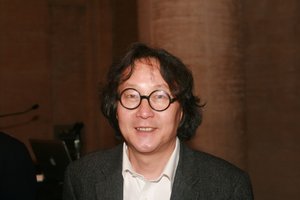
Xu Bing
1955 - , China
プロフィール概要
- Artistic Movement Or Style: Conceptual Art, Printmaking
- Artists Or Movements Influenced By This Artist:
- Contemporary Chinese art
- Conceptual art practices
- Artists Who Influenced This Artist:
- Chinese calligraphy tradition
- Western Conceptual Art
- Date Of Birth: 1955
- Full Name: Xu Bing
- Nationality: Chinese
- Notable Artworks:
- Book from the Sky
- Ghosts Pounding the Wall
- Square Word Calligraphy
- Background Story
- Place Of Birth: Chongqing, China