

 Предпросмотр
 Поделиться
 Поделиться
 Детали произведения

 Скачать
 Похожие работы
 Рентгенография
 Слайд-шоу
 Статистика
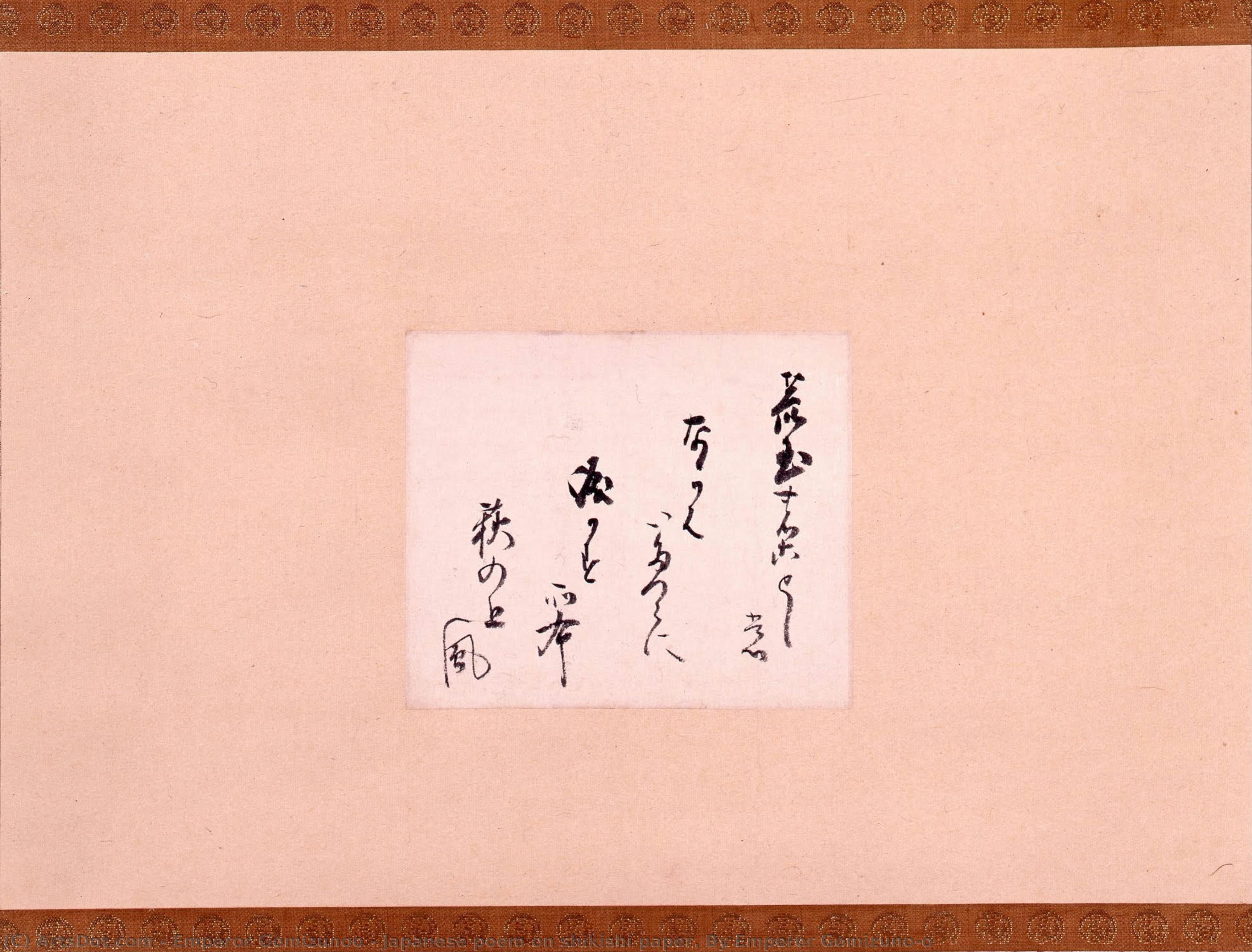
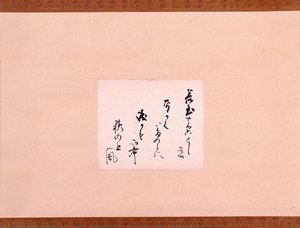
Japanese poem on shikishi paper. By Emperor Gomizuno-o


 Читать далее
Масляная репродукция ручной работы
Картина маслом на холсте в выбранном вами размере и раме, написанная на заказ нашими художниками. ( Перейти к печати Перейти к цифровым изображениям)




P118B $10

P118H $10

P118W $10

P438Z $10

P508JH $12

P508YH $12

P805H $10

P805Z $10

P919BZ $10

P919G $10

P919XJ $10

P959ZH $10

P968JZ $12

W106C $8

W218G $10

W218JH $8

W218Y $10

W307PJ $10

W316G $10

W316PJ $8

W316Y $10

W398PJ $8

W4111J $10

W500HY $15

W500JH $15

W692G $12

W849H $8

W940BG $15

W953PJ $8




Выберите один из наших стандартных размеров, соответствующих оригинальным пропорциям произведения искусства.

Вы можете указать собственные размеры, чтобы картина идеально вписалась в выбранную раму или пространство. Если выбранный вами размер не соответствует пропорциям оригинала, мы либо обрежем полотно, либо расширим его за счет дополнительных элементов, написанных вручную. Цифровой макет будет отправлен вам на утверждение перед началом производства.
Обратите внимание, что предварительный просмотр на экране не отражает фактическую обрезку или расширение. Только макет точно покажет окончательную композицию.
Хотя доступны индивидуальные размеры, мы рекомендуем выбирать вариант из предопределенного списка, чтобы сохранить исходные пропорции.
После оформления заказа команда ArtsDot.com свяжется с клиентом по электронной почте для уточнения деталей и предоставит предварительный макет
Доставка по всему миру () за 3–4 недели вместо стандартных 5 недель. (13 Сентябрь). Без компромиссов в качестве.

Бесплатная экспресс-доставка по всему миру

Высококачественный льняной холст

Полное страхование доставки

Гарантия возмещения таможенных пошлин

Гарантия точного соответствия цветов

100-дневная политика возврата (только при обнаружении дефектов)

Гарантия возврата 100% средств

Предложение оптовых скидок
 Вариант со стеклом доступен только для размеров менее 110 см

Japanese poem on shikishi paper. By Emperor Gomizuno-o
Техника репродукции
Размер репродукции
-


Итоговая стоимость
$ 263
Похожие произведения
Биография художника
A Reign Reflected in Ink: The Art of Emperor Gomizunoo
Emperor Gomizunoo, born Kotohito in 1596 and passing in 1680, occupies a singular position in Japanese history. As the 108th emperor of Japan, his reign was entirely contained within the Edo period – a time of relative peace and flourishing arts under the Tokugawa shogunate. While political power resided with the shogun, Gomizunoo cultivated a profound legacy not through governance but through artistic expression, specifically in the delicate art of *shikishi*. He wasn’t merely a patron of the arts; he was a dedicated practitioner, imbuing his calligraphy and poetry with the weight of imperial tradition and a distinctly personal sensibility. His life unfolded against a backdrop of shifting power dynamics, yet he carved out a space for himself as a refined aesthete and a vital link to Japan's cultural past. Born the third son of Emperor Go-Yōzei and Konoe Sakiko – herself an adopted daughter of Toyotomi Hideyoshi – Gomizunoo’s lineage connected him to both the established imperial court and the recently diminished, yet still influential, Toyotomi clan. This unique position likely informed his cautious approach to political matters and his dedication to preserving cultural heritage.The Shikishi as a Mirror of Imperial Life
Gomizunoo’s artistic output is almost entirely focused on *shikishi*, small, rectangular slips of paper used for exchanging poems and calligraphy. These weren't grand pronouncements intended for public display; rather, they were intimate communications within the courtly circles – gifts exchanged between nobles, expressions of condolence, or simply elegant reflections on nature and life. The significance lies not in quantity—his surviving works are relatively few—but in their quality and the insight they offer into his inner world. He favored classical Chinese poetry as a vehicle for expression, meticulously copying verses from renowned Tang Dynasty poets like Du Fu and Li Bai. However, he wasn’t simply replicating; Gomizunoo infused these borrowed forms with his own unique style, characterized by a restrained elegance and subtle emotional depth. His calligraphy is notable for its precise brushwork, balanced composition, and the careful selection of ink tones. Each *shikishi* becomes a miniature world, reflecting not only the poem’s content but also the emperor's state of mind and his reverence for tradition. The act of creating these pieces was itself a form of meditation, a way to connect with past masters and express his own understanding of beauty and impermanence.Influences and Artistic Development
The artistic landscape surrounding Gomizunoo was one steeped in classical Japanese aesthetics. He received rigorous training in calligraphy and poetry from an early age, absorbing the principles of *waka* (Japanese poetry) and Chinese literary traditions. The influence of his predecessors – particularly Emperors Go-Yozei and Ogimachi, both known for their artistic inclinations – is palpable in his work. However, Gomizunoo distinguished himself through a deliberate refinement of existing styles. He moved away from the more flamboyant expressions favored by some earlier court poets, opting instead for a quiet dignity and understated grace. The political climate also played a role. The Edo period saw a rise in Confucianism, which emphasized social harmony and moral rectitude. This likely influenced Gomizunoo’s choice of subject matter – often focusing on themes of nature, solitude, and the transience of life—and his restrained artistic approach. He wasn't seeking to shock or innovate; he was striving for a timeless beauty rooted in classical principles.Legacy and Historical Significance
While Gomizunoo’s reign lacked significant political events, his cultural contributions were profound. His dedication to *shikishi* helped preserve the art form and elevate it as a symbol of imperial refinement. More importantly, he embodied a vision of the emperor as a guardian of tradition and a patron of the arts – a role that would become increasingly important in the centuries following his death. In an era where political power was concentrated elsewhere, Gomizunoo demonstrated the enduring influence of cultural authority. His *shikishi* offer invaluable insights into the aesthetic sensibilities of the Edo period court and provide a glimpse into the inner life of a man who navigated a complex world with grace and intelligence. His work stands as a testament to the power of art to transcend political limitations, offering a timeless expression of beauty, contemplation, and imperial dignity. The surviving examples are now treasured artifacts, studied by scholars and admired for their exquisite craftsmanship and subtle emotional resonance. They represent not just the artistry of an emperor but also the enduring spirit of Japanese culture.Exploring Gomizunoo’s Artistic Themes
- Nature as a Source of Inspiration: Recurring motifs in his *shikishi* include plum blossoms, bamboo, and landscapes – symbols of resilience, purity, and harmony.
- The Transience of Life (Mono no Aware): A central theme is the acceptance of impermanence, often expressed through poems reflecting on seasonal changes or the passage of time.
- Classical Chinese Poetry: His mastery of Tang Dynasty verse demonstrates his deep understanding of literary tradition and his ability to adapt it to a Japanese context.
- Imperial Identity: While subtle, his work reflects a sense of imperial dignity and a commitment to preserving cultural heritage.
emperor gomizunoo
1596 - 1680 , Japan
Основные сведения
- Artistic Movement Or Style: Shikishi Art
- Date Of Birth: June 29, 1596
- Date Of Death: September 11, 1680
- Full Name: Kotohito (Masahito)
- Nationality: Japanese
- Notable Artworks: ['Japanese Poem on Shikishi Paper']
- Place Of Birth: Kyoto, Japan
Похожие статьи
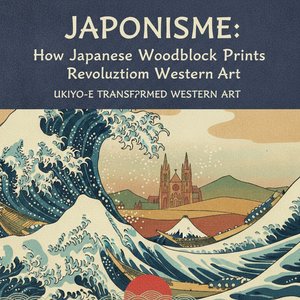
Japonisme: How Japanese Woodblock Prints Revolutionized Western Art
Explore the profound impact of Japonisme on Western art. Discover how Japanese ukiyo-e woodblock prints revolutionized perspective, color, and composition for masters like Monet and Van Gogh, forever changing the course of modern art history.
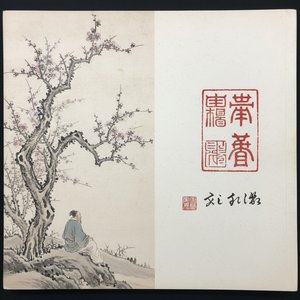
Xie Zhiliu: A Legacy of Ink Wash Painting & Modern Chinese Literati Tradition
Explore the legacy of Xie Zhiliu, a master of Chinese ink wash painting & prominent figure in modern art. Discover his techniques, influences, and contributions to literati tradition. A guide for discerning collectors.

Serenity on Canvas: A Guide to the Timeless Beauty of Japanese Landscape Painting
Discover the serene beauty of Japanese landscape painting. From Hokusai's iconic woodblock prints to meditative sumi-e ink washes, explore a visual journey through the 'floating world' and learn how to bring this timeless Zen aesthetic into your modern home decor.
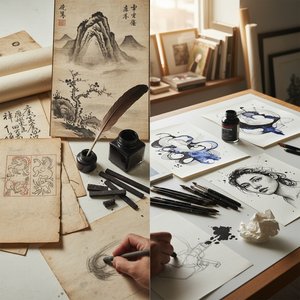
Ephemeral Expressions: Exploring the Nuances of Ink on Paper Through History & Contemporary Art
Explore the captivating world of ink wash painting – from its ancient origins to contemporary masters. Discover techniques, symbolism & conservation insights with ArtsDot.com.
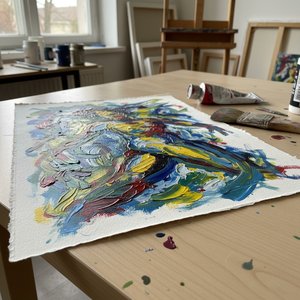
Acrylic on Paper: A Modern Canvas for Contemporary Expression
Explore the versatility of acrylic painting on paper! Discover expert techniques, artist insights & archival practices for creating stunning contemporary art. Learn more at ArtsDot.