

 Предпросмотр
 Поделиться
 Поделиться
 Детали произведения

 Скачать
 Похожие работы
 Рентгенография
 Слайд-шоу
 Статистика
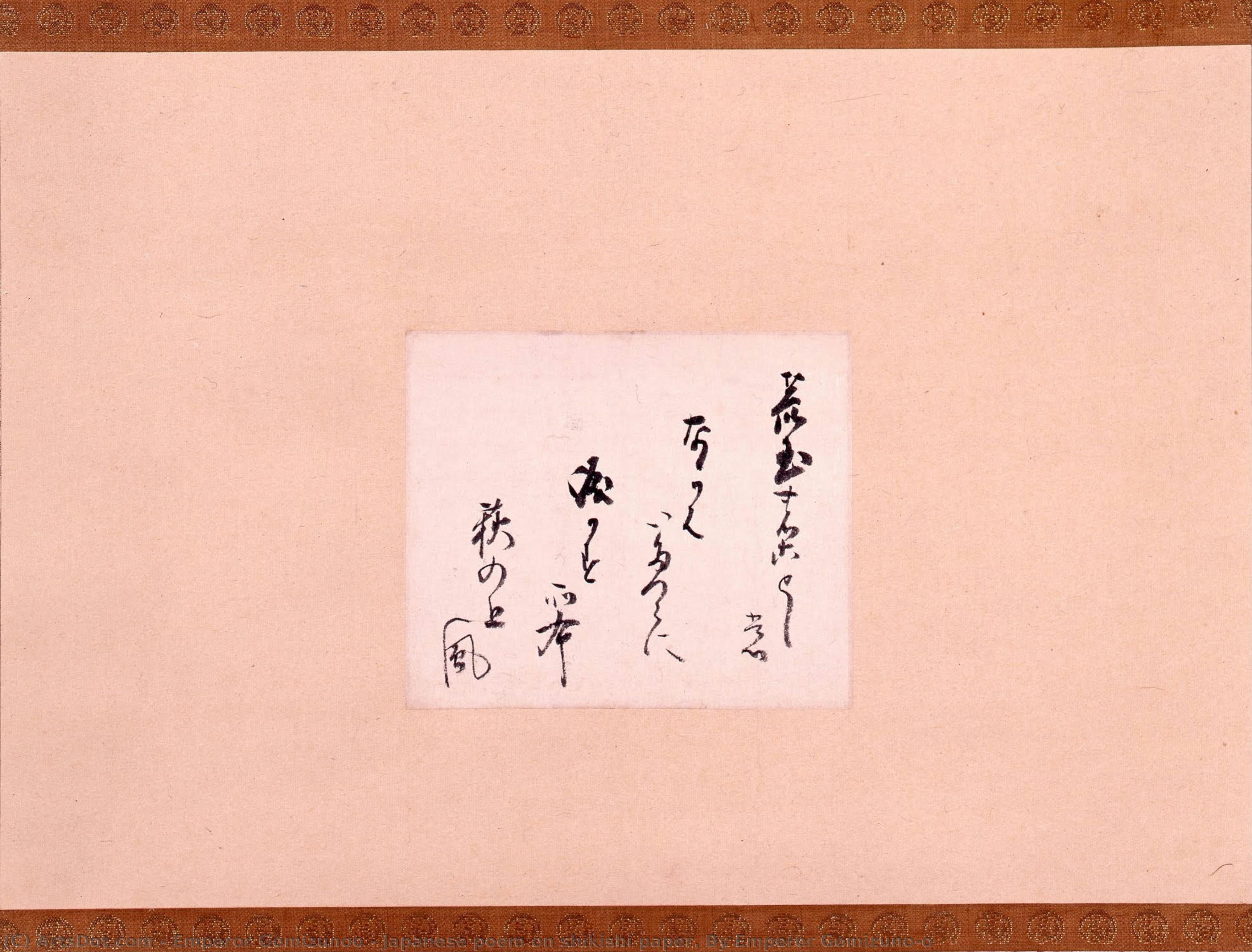
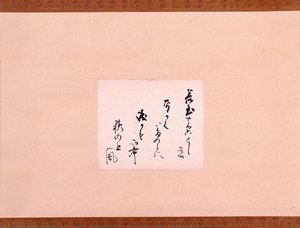
Japanese poem on shikishi paper. By Emperor Gomizuno-o


 Читать далее
Приобретите цифровое изображение высокого разрешения в улучшенном качестве, которое значительно превосходит онлайн-превью.
Каждый файл тщательно подготавливается нашими специалистами с использованием передовых инструментов и экспертной ручной ретуши. Мы гарантируем исключительную четкость, точную цветопередачу и детальную проработку каждого изображения.
Финальный файл доставляется по электронной почте в течение 72 часов и оптимизирован для немедленного использования в профессиональной среде, при верстке и печати. Это тот же уровень качества, которому доверяют ведущие дизайнерские студии, издательства и галереи.
Цифровое изображение
Скачайте файл высокого разрешения для личного использования, печати и творческих проектов. ( Перейти к печати Купить картину ручной работы)
Включено в каждый заказ цифровых изображений
Гарантия экспертной цифровой доставки
Выбирая ArtsDot.com, вы получаете не просто изображение — вы приобретаете профессионально обработанное цифровое произведение искусства, созданное с безупречной точностью и под защитой гарантии качества. Вот всё, что автоматически входит в ваш заказ:

Мгновенная доставка по e-mail
Ваш цифровой файл в высоком разрешении будет отправлен вам по электронной почте в течение 72 часов после оформления заказа — и сразу станет доступен для использования.

Цифровой файл с ИИ-улучшением
Ваше произведение искусства проходит профессиональную оптимизацию с использованием передовых инструментов ИИ и ручной обработки, что гарантирует максимальную детализацию, четкость и точность цветопередачи.

Бессрочная бесплатная повторная доставка
Случайно удалили или потеряли файл? Не беспокойтесь — мы отправим его вам повторно в любое время и совершенно бесплатно.

Без импортных пошлин — навсегда
Наслаждайтесь вашим произведением искусства мгновенно без таможенных пошлин, сборов или затрат на доставку — цифровые загрузки всегда не облагаются налогом.

Гарантия точности цветопередачи
Мы гарантируем, что ваше цифровое изображение максимально точно передает оригинальные цвета благодаря использованию профессиональных инструментов и систем управления цветом.

Гарантия удовлетворенности 100 дней
Если вы не будете удовлетворены своим цифровым изображением, мы внесем правки или вернем 100% стоимости в течение 100 дней — без лишних вопросов.

100% Гарантия возврата средств
Не удовлетворены покупкой? Получите полный возврат средств в течение 100 дней после получения цифрового файла — без лишних вопросов.

Скидки на оптовые заказы
Купите 3 изображения, сэкономьте 10% — Купите 5, сэкономьте 15% — Купите 10+, сэкономьте 20%. Отличное решение для творческих проектов, галерей и агентств.
Похожие произведения
Биография художника
A Reign Reflected in Ink: The Art of Emperor Gomizunoo
Emperor Gomizunoo, born Kotohito in 1596 and passing in 1680, occupies a singular position in Japanese history. As the 108th emperor of Japan, his reign was entirely contained within the Edo period – a time of relative peace and flourishing arts under the Tokugawa shogunate. While political power resided with the shogun, Gomizunoo cultivated a profound legacy not through governance but through artistic expression, specifically in the delicate art of *shikishi*. He wasn’t merely a patron of the arts; he was a dedicated practitioner, imbuing his calligraphy and poetry with the weight of imperial tradition and a distinctly personal sensibility. His life unfolded against a backdrop of shifting power dynamics, yet he carved out a space for himself as a refined aesthete and a vital link to Japan's cultural past. Born the third son of Emperor Go-Yōzei and Konoe Sakiko – herself an adopted daughter of Toyotomi Hideyoshi – Gomizunoo’s lineage connected him to both the established imperial court and the recently diminished, yet still influential, Toyotomi clan. This unique position likely informed his cautious approach to political matters and his dedication to preserving cultural heritage.The Shikishi as a Mirror of Imperial Life
Gomizunoo’s artistic output is almost entirely focused on *shikishi*, small, rectangular slips of paper used for exchanging poems and calligraphy. These weren't grand pronouncements intended for public display; rather, they were intimate communications within the courtly circles – gifts exchanged between nobles, expressions of condolence, or simply elegant reflections on nature and life. The significance lies not in quantity—his surviving works are relatively few—but in their quality and the insight they offer into his inner world. He favored classical Chinese poetry as a vehicle for expression, meticulously copying verses from renowned Tang Dynasty poets like Du Fu and Li Bai. However, he wasn’t simply replicating; Gomizunoo infused these borrowed forms with his own unique style, characterized by a restrained elegance and subtle emotional depth. His calligraphy is notable for its precise brushwork, balanced composition, and the careful selection of ink tones. Each *shikishi* becomes a miniature world, reflecting not only the poem’s content but also the emperor's state of mind and his reverence for tradition. The act of creating these pieces was itself a form of meditation, a way to connect with past masters and express his own understanding of beauty and impermanence.Influences and Artistic Development
The artistic landscape surrounding Gomizunoo was one steeped in classical Japanese aesthetics. He received rigorous training in calligraphy and poetry from an early age, absorbing the principles of *waka* (Japanese poetry) and Chinese literary traditions. The influence of his predecessors – particularly Emperors Go-Yozei and Ogimachi, both known for their artistic inclinations – is palpable in his work. However, Gomizunoo distinguished himself through a deliberate refinement of existing styles. He moved away from the more flamboyant expressions favored by some earlier court poets, opting instead for a quiet dignity and understated grace. The political climate also played a role. The Edo period saw a rise in Confucianism, which emphasized social harmony and moral rectitude. This likely influenced Gomizunoo’s choice of subject matter – often focusing on themes of nature, solitude, and the transience of life—and his restrained artistic approach. He wasn't seeking to shock or innovate; he was striving for a timeless beauty rooted in classical principles.Legacy and Historical Significance
While Gomizunoo’s reign lacked significant political events, his cultural contributions were profound. His dedication to *shikishi* helped preserve the art form and elevate it as a symbol of imperial refinement. More importantly, he embodied a vision of the emperor as a guardian of tradition and a patron of the arts – a role that would become increasingly important in the centuries following his death. In an era where political power was concentrated elsewhere, Gomizunoo demonstrated the enduring influence of cultural authority. His *shikishi* offer invaluable insights into the aesthetic sensibilities of the Edo period court and provide a glimpse into the inner life of a man who navigated a complex world with grace and intelligence. His work stands as a testament to the power of art to transcend political limitations, offering a timeless expression of beauty, contemplation, and imperial dignity. The surviving examples are now treasured artifacts, studied by scholars and admired for their exquisite craftsmanship and subtle emotional resonance. They represent not just the artistry of an emperor but also the enduring spirit of Japanese culture.Exploring Gomizunoo’s Artistic Themes
- Nature as a Source of Inspiration: Recurring motifs in his *shikishi* include plum blossoms, bamboo, and landscapes – symbols of resilience, purity, and harmony.
- The Transience of Life (Mono no Aware): A central theme is the acceptance of impermanence, often expressed through poems reflecting on seasonal changes or the passage of time.
- Classical Chinese Poetry: His mastery of Tang Dynasty verse demonstrates his deep understanding of literary tradition and his ability to adapt it to a Japanese context.
- Imperial Identity: While subtle, his work reflects a sense of imperial dignity and a commitment to preserving cultural heritage.
emperor gomizunoo
1596 - 1680 , Japan
Основные сведения
- Artistic Movement Or Style: Shikishi Art
- Date Of Birth: June 29, 1596
- Date Of Death: September 11, 1680
- Full Name: Kotohito (Masahito)
- Nationality: Japanese
- Notable Artworks: ['Japanese Poem on Shikishi Paper']
- Place Of Birth: Kyoto, Japan