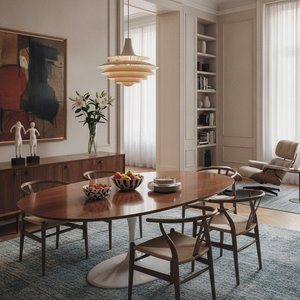
The Chiaroscuro Concept: Using Light and Shadow to Sculpt Dining Space
 Illuminating Masterpieces: The Art of Chiaroscuro in High-End Culinary Design and Restaurant Ambience
The Chiaroscuro Concept: Mastering Light and Shadow in Fine Dining Chiaroscuro In art, chiaroscuro (English: kee-AR-ə-SKOOR-oh, -SKURE-, Italian: [ˌkjaroˈskuːro]; lit. 'light-dark') is the use of strong contrasts between light and dark, usually bold...
In the high-stakes arena of fine dining, the sensory journey begins long before the first course is presented. It commences with the atmosphere—that intangible, ethereal quality that envelops a guest upon entry. To achieve true distinction, a restaurateur must look beyond mere illumination and embrace the profound Italian concept of chiaroscical. This technique, literally translating to light-dark, is far more than a lighting preference; it is a sophisticated method of using strong contrasts to sculpt space, create volume, and direct the eye. Just as the masters of the Baroque period used dramatic shifts in luminosity to breathe life into their canvases, a discerning restaurateur can use light to define the very soul of their establishment.
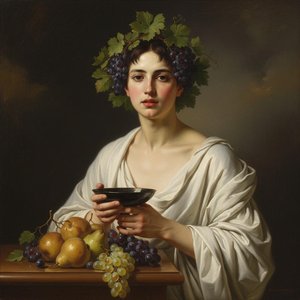
When we speak of chiaroscuro in a culinary context, we are discussing the intentional interplay between brilliance and obscurity. It is the art of knowing where to let the light fall—perhaps upon the crystalline rim of a vintage flute or the rich, glistening texture of a reduction—and where to allow the shadows to linger. This deliberate tension creates a sense of depth and mystery, transforming a dining room from a mere physical space into a theatrical stage. By mastering this balance, you invite your guests into a world that feels both intimate and expansive, much like the captivating works of Caravaggio or Rembrandt, where every shadow holds a secret and every highlight tells a story.
Architectural Illumination: Defining Zones through Contrast and Intensity
 Architectural lighting design
Architectural lighting design is a field of work or study concerned with the design of lighting systems within the built environment, both interior and exterior. It can include the manipulation and design of daylight, electric light, or both, to serv...
Effective architectural lighting design serves as the invisible hand that guides movement and mood within the built environment. In a restaurant setting, the objective is to balance the art and science of lighting to create visual interest while meeting technical requirements. Through the strategic manipulation of light intensity, a designer can effectively partition a large dining hall into intimate pockets of experience without the need for physical barriers. This is achieved by varying the brightness levels across different zones; a brightly lit bar area may encourage social energy and high turnover, while a low-intensity, shadowed corner provides the sanctuary required for private, prolonged celebrations.
The mastery of architectural illumination lies in its ability to define restaurant zones through contrast. By utilizing focused spotlights or recessed lighting, one can highlight specific architectural features or decorative elements, such as a grand staircase or a bespoke bar counter, creating a sense of hierarchy within the room. This prevents the space from feeling monolithic and instead offers a layered, multidimensional experience. When light is used to emphasize certain paths and dim others, it subtly directs the guest's focus, ensuring that the most critical elements of your brand—be they the open kitchen or a curated art collection—receive the spotlight they deserve.
Visual Cohesion: Integrating Masterpiece Reproductions with Lighting Design
 Taste the Visuals: How to Match Bold Art to Your Restaurant's Culinary Flavor
The Gastronomic Stage: Why Interior Design is Your Secret Ingredient The Gastronomic Stage: Interior Design as Narrative Framework in the Contemporary Restaurant Experience The Evolving Narrative: From Functional Space to Immersive Experience For cen...
True luxury in hospitality is found in visual cohesion, where every element of the interior works in harmony to reinforce a singular narrative. The integration of fine art into a lighting scheme requires a deep understanding of how light interacts with texture and pigment. A common pitfall in restaurant design is the disconnect between the artwork on the walls and the illumination hitting them. For instance, a high-gloss print may suffer from distracting glare under direct spotlights, whereas a 100% hand-painted oil reproduction on cotton canvas offers a much richer, more forgiving interaction with light. The visible brushstrokes and impasto textures of an authentic oil painting catch the light at varying angles, creating a dynamic surface that changes as the guest moves through the room.
To achieve seamless integration, one must consider how the lighting enhances the specific characteristics of the chosen art. When selecting works for a dining environment, professionals often look toward large-format pieces or multi-panel sets that can span wide walls or staircases. These group set paintings, which can be split across three, four, or even five panels, allow for a modern architectural look where colors and brushstrokes flow seamlessly across the room's geometry. When these works are lit with precision, they become more than mere decoration; they become focal points that anchor the entire design concept, bridging the gap between the physical architecture and the culinary artistry.
Color Temperature and Artistry: Matching Palette to Ambient Glow
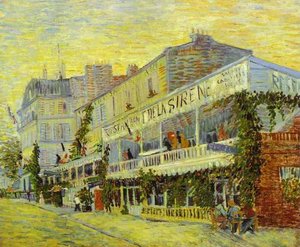 The Restaurant de la Sirène
Introduction to the Painting The Restaurant de la Sirène is a painting by Vincent Van Gogh , which is available for purchase as a hand-made oil painting reproduction on ArtsDot.com . This painting, created in 1887, showcases the artist's un...
The relationship between color temperature and the art on your walls is a critical component of atmospheric design. The warmth or coolness of your lighting can fundamentally alter the perceived palette of your interior. Warm, low-Kelvin lighting—reminplementing the amber glows found in Van Gogh’s
The Restaurant de la Sirène—can enhance the rich yellows, reds, and oranges of a cozy, inviting space, making food appear more appetizing and the environment more intimate. Conversely, cooler lighting can lend a modern, crisp, and energetic feel to a contemporary bistro, but it requires careful curation to ensure that the artwork does not appear washed out or clinical.
A sophisticated designer must match the ambient glow to the color themes of the selected artworks. For those utilizing our specialized search tools to browse by color palette, the goal is to create a symbiotic relationship between the light and the pigment. If your restaurant features deep blues and teals, a warmer light can provide a beautiful, high-contrast complement, whereas a cooler light might lean into a monochromatic, serene aesthetic. This level of detail ensures that the visual experience is not just a collection of beautiful objects, but a unified sensory landscape where the lighting serves to amplify the inherent beauty of the art and the culinary offerings alike.
Strategic Curation: Selecting Large-Format Murals and Multi-Panel Sets for Impact
 Cultivating Ambiance: The Strategic Role of Art in Shaping Guest Experience within Restaurant & Dining Environments
The Psychology of Restaurant Design: Beyond Aesthetics Wikipedia: Environmental psychology Environmental psychology is a branch of psychology that explores the relationship between humans and the external world. It examines the way in which the natur...
For large-scale hospitality projects, such as hotel lobbies or expansive dining halls, the scale of the artwork must match the scale of the architecture. Small, scattered frames can often feel lost in a grand space, failing to command the necessary attention. This is where strategic curation through large-format murals and ceiling frescoes becomes essential. Our ability to create massive canvas rolls allows professionals to recreate historical grandeur, such as the intricate ceilings of the Renaissance, effectively transforming a standard room into an immersive landmark. These works are installed similarly to high-end wallpaper, providing a seamless, grand-scale impact that is impossible to achieve with smaller, modular pieces.
Furthermore, the trend toward multi-panel compositions offers a versatile solution for modern restaurant layouts. By splitting a single masterpiece across multiple panels, designers can navigate complex architectural challenges like pillars or wide, unobstructed walls. This approach maintains the integrity of the original composition while providing a contemporary, rhythmic energy to the room. Whether it is a custom-commissioned portrait or a reproduction of a classical landscape, the use of large-scale, multi-panel art ensures that the visual narrative is powerful enough to compete with the grand scale of modern architectural design, leaving a lasting impression on every guest.
Operational Excellence: Implementing Durable, High-Impact Art in Hospitality
Applied aestheticsApplied aesthetics is the application of the branch of philosophy of aesthetics to cultural constructs. In a variety of fields, artifacts (whether physical or abstract) are created that have both practical functionality and aesthetic affectation. In ...
For the procurement manager or restaurant owner, the beauty of art must be balanced with operational reality. In a high-traffic dining environment, durability and ease of maintenance are paramount. This is why the choice between a Giclée print and a handmade oil reproduction should be a calculated business decision. While prints offer a cost-effective solution for rapid refreshes, a hand-painted oil reproduction provides a level of prestige and longevity that justifies the investment. These works, finished with protective Damar varnish, are engineered to resist dust, moisture, and atmospheric pollutants, ensuring that the pigments remain vibrant for generations.
Ultimately, the goal is to implement an art strategy that supports your bottom line through reliability and ease of management. At ArtsDot.com, we understand the pressures of large-scale procurement. We provide a streamlined, professional service designed for the hospitality industry: from digital mockups that allow you to preview art on your walls before painting begins, to robust logistics via DHL and FedEx that ensure timely delivery across 70 countries. By treating art as a strategic asset—one that is durable, scalable, and visually cohesive—you can elevate your dining ambience into a world-class experience that drives guest loyalty and reinforces your brand's excellence. For professional inquiries, volume discounts, or custom project coordination, please visit us at ArtsDot.com.