 Pregledaj u prostoru
 Pošalji
 Podeli
 Detalji o delu

 Преузми
 Slični predmeti
 Rendgenski snimak
 Slajdovi
Los trabajos de Persiles y Sigismunda (trans. The Trials of Persiles and Sigismunda)


 Pročitaj više
Ručno rađena uljana reprodukcija
Ručno oslikano uljanim bojama na platnu u dimenzijama i okviru po vašem izboru, izrađeno po porudžbini od strane naših umetnika. ( Kupi print Kupi digitalnu sliku)




P118B $10

P118H $10

P118W $10

P438Z $10

P508JH $12

P508YH $12

P805H $10

P805Z $10

P919BZ $10

P919G $10

P919XJ $10

P959ZH $10

P968JZ $12

W106C $8

W218G $10

W218JH $8

W218Y $10

W307PJ $10

W316G $10

W316PJ $8

W316Y $10

W398PJ $8

W4111J $10

W500HY $15

W500JH $15

W692G $12

W849H $8

W940BG $15

W953PJ $8




Izaberite jednu od naših unapred definisanih veličina koje odgovaraju originalnim proporcijama umetničkog dela.

Можете унети сопствене димензије како бисте прилагодили дело одређеном оквиру или простору. Ако одабрана величина не одговара пропорцијама оригинала, слика ће бити исечена или проширена додатним елементима који се ручно насликавају. Дигитални prikaz ће вам бити послат на одобрење пре почетка производње.
Имајте на уму да преглед на екрану не одражава стварно исецање или проширење. Само приказ (mockup) ће тачно приказати коначну композицију.
Иако су доступне прилагођене величине, препоручујемо да одаберете димензију из дефинисане листе како бисте сачували оригиналне пропорције.
Nakon narudžbine, tim ArtsDot.com će klijentu putem e-pošte poslati uputstva i dostaviti prikaz predloženog rešenja
Isporuka širom sveta () za 3/4 nedelje umesto uobičajenih 5 nedelja. (3 септембар). Bez kompromisa po pitanju kvaliteta.

Besplatna ekspresna dostava širom sveta

Visokokvalitetno laneno platno

Kompletno osiguranje transporta

Garancija povraćaja carine i uvoznih dažbina

Garancija vernosti boja

Politika povrata u roku od 60 dana (samo u slučaju nedostataka)

Garancija povrata novca od 100%

Popust pri grupnoj kupovini
 Opcija sa staklom dostupna je samo za dimenzije manje od 110 cm

Los trabajos de Persiles y Sigismunda (trans. The Trials of Persiles and Sigismunda)
Tehnika reprodukcije
Dimenzije reprodukcije
-


Konačna cena
$ 288
Los Trabajos de Persiles y Sigismunda: Un Estudio Sobre la Última Obra Maestras de Miguel de Cervantes
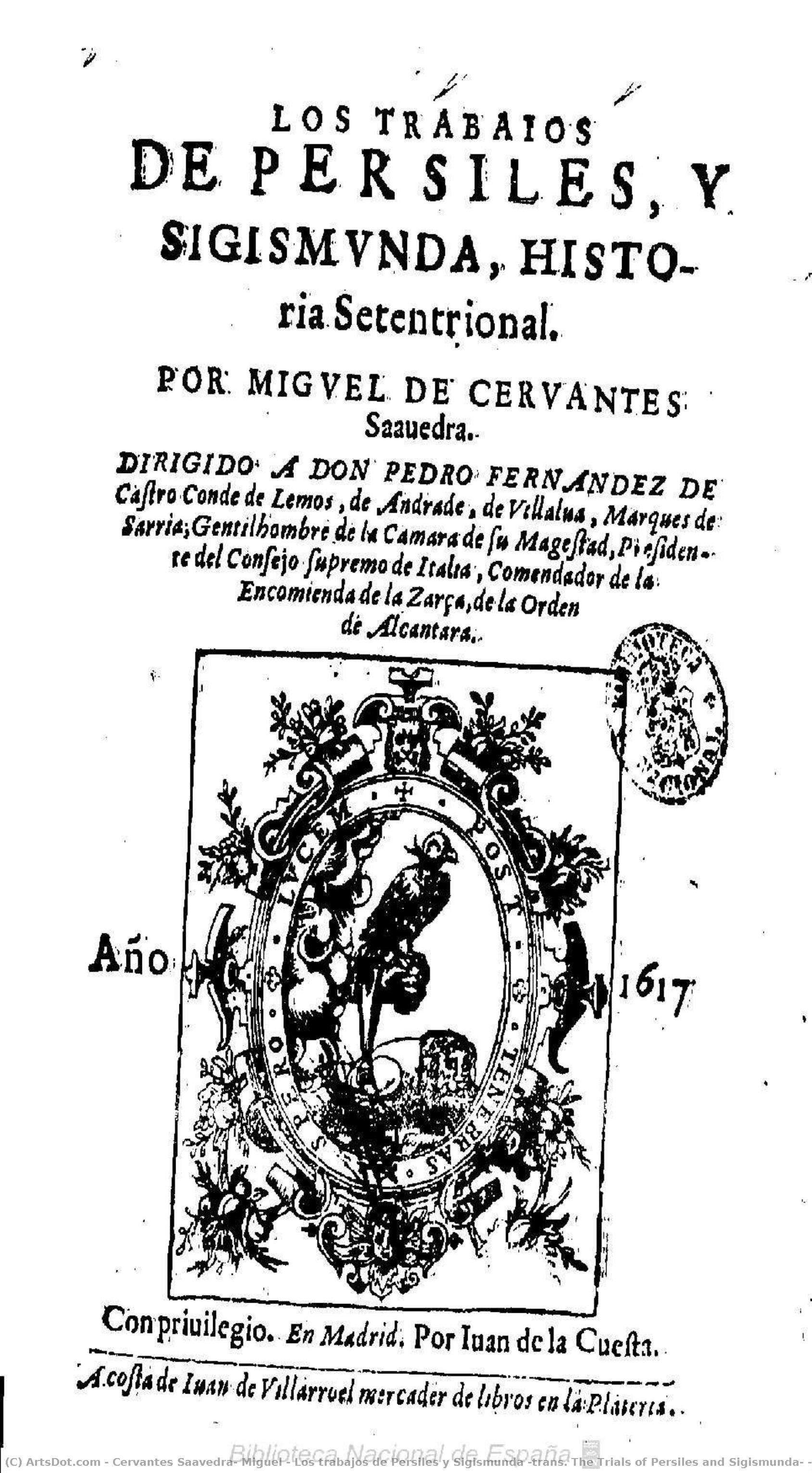
La Biblioteca Nacional Española alberga una pieza excepcional que encapsula el espíritu del Renacimiento tardío español y la genialidad artística de Miguel de Cervantes Saavedra: *Los trabajos de Persiles y Sigismunda*. Esta obra monumental, publicada poco después de la muerte del escritor en 1617, representa un punto culminante en su trayectoria literaria y ofrece una ventana fascinante al mundo intelectual y artístico de la época. Más allá de ser simplemente una novela histórica, *Persiles y Sigismunda* es un complejo ejercicio estilístico que demuestra la maestría de Cervantes como arquitecto del lenguaje y como observador profundo de la condición humana.- El Contexto Histórico: España bajo Felipe III enfrentaba desafíos políticos y económicos significativos durante el reinado de Cervantes, pero también experimentaba una floreciente actividad artística impulsada por el apoyo real a las artes liberales. Esta atmósfera intelectual favoreció la creación de obras que exploraban temas filosóficos y morales con gran sensibilidad.
- Estilo y Técnica: Cervantes emplea un estilo barroco caracterizado por la complejidad narrativa, el uso abundante de recursos estilísticos como metáforas y alegorías, y una atención meticulosa al detalle descriptivo. La novela destaca por su riqueza sensorial y por la creación de personajes psicológicamente complejos que reflejan las inquietudes de la época.
- El Ilustración Central: Una imagen particularmente impresionante ocupa el centro de la página impresa: un hombre y una mujer bajo un árbol con aves, rodeados de una decoración floral elaborada en un marco dorado. Esta representación simboliza la unión entre razón y naturaleza, valores fundamentales del pensamiento barroco que Cervantes buscaba transmitir a través de su obra.
- El Uso Del Color Y La Textura: Aunque reproducida en blanco y negro, la imagen conserva las cualidades originales del grabado litográfico utilizado para imprimir el libro. Las líneas suaves y precisas capturan los detalles arquitectónicos y vegetales con una sorprendente fidelidad, ofreciendo una visión evocadora de la estética artística española del siglo XVII.
- El Legado Literario: *Los trabajos de Persiles y Sigismunda* sigue siendo estudiada hoy en día como un texto clave para comprender el desarrollo de la novela moderna y la influencia de Cervantes en autores posteriores como Tolstoi y Dickens. Su exploración profunda de temas como el honor, el amor y la libertad continúa resonando con lectores contemporáneos que buscan inspiración y belleza artística.
Srodna umetnička dela
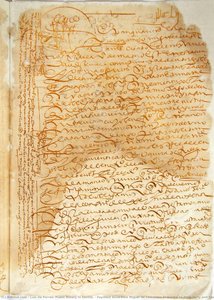
![Autograph Statement Requesting That The Guarantee Provided Be Considered Sufficient (biblioteca Nacional De España)\n\n[page 1] — Cervantes Saavedra, Miguel](/media/artworks/images-thumb/be/4d/be4d8356b5c62cf26a2aac9cd48fa43b.jpg)
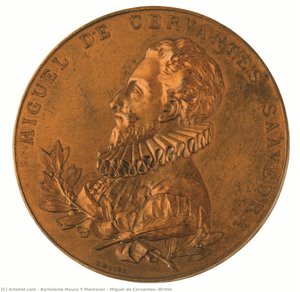
![Vida De Miguel De Cervantes Saavedra (life Of Miguel De Cervantes Saavedra). Book V Of The Edition Of Don Quixote (biblioteca Nacional De España)\n\n[7] — Martín Fernández De Navarrete Y Ximénez De Tejada, Academic Art](/media/artworks/images-thumb/8c/b6/8cb67a4dd450447373a546c8dd039e57.jpg)
![La Verdadera Patria De Miguel De Cervantes (miguel De Cervantes’s True Homeland) (biblioteca Nacional De España)\n\n[4][fol.1] — Pedro José García Balboa, Baroque Rococo Revival](/media/artworks/images-thumb/a6/d8/a6d842058b3ffb23732e0ff43fd89aac.jpg)
Biografija umetnika
Miguel de Cervantes Saavedra: The Architect of Modern Literature
Miguel de Cervantes Saavedra (1547-1616) stands as an unparalleled figure in the annals of literature, rightfully crowned as Spain’s greatest writer and arguably one of the world's most influential novelists. His magnum opus, *Don Quixote*, transcends mere storytelling; it fundamentally reshaped the genre, establishing itself as the progenitor of the modern novel and securing its place amongst the literary titans of all time—a testament lauded by authors like Tolstoy and Dickens themselves. Born in Alcalá de Henares, Spain, Cervantes’s life unfolded amidst considerable hardship and obscurity, a stark contrast to the enduring legacy he bequeathed upon humanity.- Early Life & Education: Cervantes received his initial education at Universidad Complutense, where he studied theology—a path that ultimately proved unsuccessful for him due to financial constraints. Despite facing difficulties securing stable employment, he honed his skills as a soldier and traveled extensively throughout Europe during the turbulent years of the Thirty Years’ War, experiences which would profoundly shape his worldview and fuel his imaginative prowess.
- Literary Beginnings & Early Works: Cervantes began his literary career with poems and plays—often overshadowed by his later fame—demonstrating a versatility that foreshadowed his future accomplishments. However, it was *La Novela Ejemplar* (*Concerning Notable Novels*) which garnered initial recognition, showcasing his mastery of prose style and exploring themes of chivalry and idealism. Tragically, many of these early works vanished into obscurity, leaving only fragments to tantalize scholars.
Don Quixote: A Revolution in Narrative Form
Published in two parts between 1605 and 1615, *Don Quixote* irrevocably altered the conventions of storytelling. Departing from the episodic romances prevalent at the time, Cervantes crafted a sprawling narrative characterized by psychological depth, realistic portrayal of characters, and intricate plot development—elements that would become hallmarks of the modern novel. The tale chronicles the delusional adventures of Alonso Quijano, an aging nobleman who embarks on a quest to revive chivalric ideals after indulging in fantastical tales of knights errant. Through Sancho Panza’s pragmatic foil, Cervantes deftly juxtaposes idealism and reality, prompting readers to contemplate the nature of illusion and perception.- Themes & Symbolism: *Don Quixote* delves into profound philosophical questions concerning human ambition, disillusionment, and the importance of imagination. The windmill obsession serves as a potent symbol of Quijano’s futile pursuit of unattainable goals—a motif that resonates across centuries and continues to inspire interpretations.
- Renaissance & Baroque Influences: Cervantes's work embodies both Renaissance humanist ideals and Baroque stylistic flourishes. His meticulous attention to detail, combined with vivid descriptions of landscapes and characters, reflects the Baroque fascination for grandeur and emotion—a deliberate contrast to the restrained aesthetic sensibilities of earlier periods.
Legacy & Historical Significance
Cervantes’s influence extends far beyond the literary realm. His novel established a new standard for narrative complexity and psychological realism, shaping subsequent generations of writers and cementing his position as a cornerstone of Western literature. More than simply recounting a fantastical adventure, *Don Quixote* offered a nuanced critique of societal values and explored the human condition with unparalleled sensitivity—a timeless masterpiece that continues to captivate audiences worldwide. His enduring fame is reflected in the phrase “the language of Cervantes,” signifying his indelible mark on Spanish culture and demonstrating the profound impact of his creative vision.- Influence on Subsequent Writers: Authors such as Dickens, Tolstoy, Kafka, and Márquez acknowledged Cervantes’s monumental contribution to literature, citing *Don Quixote* as a formative influence on their own artistic endeavors.
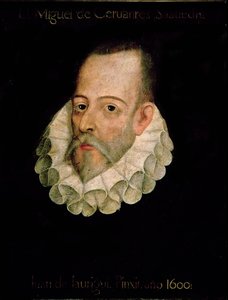
cervantes saavedra, miguel
1547 - 1616 , Spain
Osnovne informacije
- Artistic Movement Or Style: Renaissance & Baroque
- Artists Or Movements Influenced By This Artist: ['Romanticism']
- Artists Who Influenced This Artist: ['William Shakespeare']
- Date Of Birth: September 29, 1547
- Date Of Death: April 22, 1616
- Full Name: Miguel de Cervantes Saavedra
- Nationality: Spanish
- Notable Artworks: ['Don Quixote']
- Place Of Birth: Alcalá de Henares, Spain
Povezani članci
Rafael de Penagos: A Study in Spanish Portraiture & Artistic Identity
Explore the life & art of Rafael de Penagos, a leading Spanish Art Deco illustrator. Discover his iconic 'Penagos Woman', commercial work, and lasting legacy. Learn about this pivotal figure in 20th-century Spanish art history.

The Golden Age Reforged: Dramatic Realism & Religious Zeal in Spanish Baroque Art
Explore the dramatic world of Spanish Baroque art! Discover masters like Zurbarán & the powerful influence of religious zeal on painting techniques – a guide for collectors and enthusiasts.
José Gutiérrez Solana: A Chronicle of Spanish Society Through Expressionist Vision
Explore the captivating world of José Gutiérrez Solana, a pivotal Spanish Expressionist painter. Discover his haunting depictions of early 20th-century Spain, influenced by Goya & El Greco. Learn about his key works and lasting legacy.
Manuel Benedito Vives: A Study of Light, Color & Emotional Resonance in Contemporary Spanish Painting
Explore the captivating world of Manuel Benedito Vives, a celebrated Spanish painter influenced by Sorolla. Discover his masterful portraits, luminous landscapes & enduring legacy – a favorite of the Spanish Royal Family. Art collectors will appreciate this in-depth study.
Top 25 Remek-dela Prado Muzeja: Umetnička Baština Španije za Vaš Dom
Istražite 25 remek-dela Prado muzeja u Madridu! Otkrijte priče iza Velázqueza, Goye i El Greca. Pronađite inspiraciju za dekoraciju enterijera uz reprodukcije slika vrhunskog kvaliteta na ArtsDot.com.