

 Pregledaj u prostoru
 Pošalji
 Podeli
 Detalji o delu

 Преузми
 Slični predmeti
 Rendgenski snimak
 Slajdovi
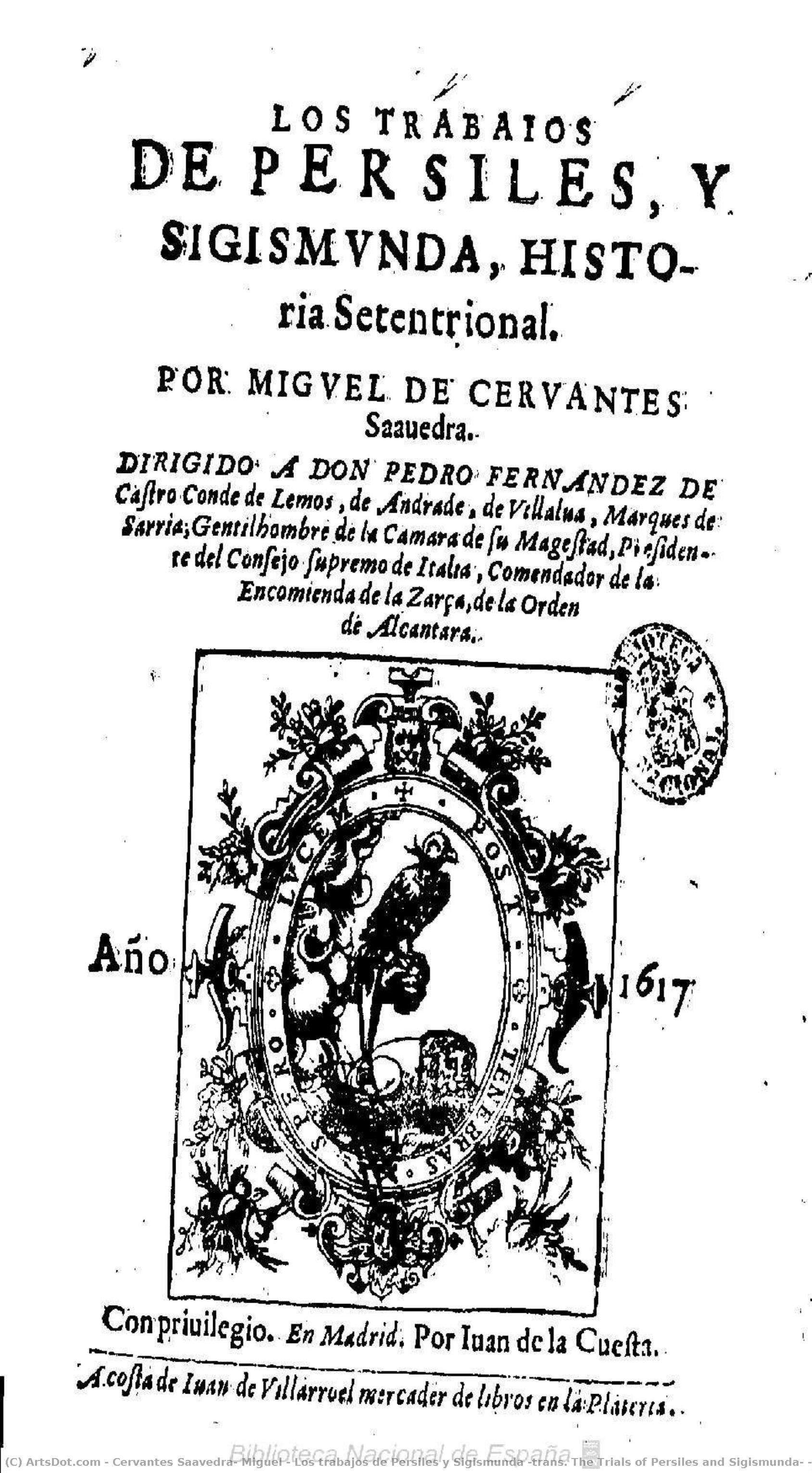
Los trabajos de Persiles y Sigismunda (trans. The Trials of Persiles and Sigismunda)


 Pročitaj više
Kupite digitalnu sliku visoke rezolucije i poboljšanog kvaliteta, koja je znatno superiornija od onoga što vidite u online prikazu.
Svaka datoteka je pedantno pripremljena od strane naših stručnjaka koristeći napredne alate i profesionalnu ručnu retušu. Osiguravamo da svaka slika ima izuzetnu oštrinu, preciznu reprodukciju boja i fine detalje.
Konačna datoteka se dostavlja putem e-pošte u roku od 72 sata, optimizovana za neposrednu upotrebu u profesionalnim, izdavačkim i štamparskim okruženjima. To je isti kvalitet kojem veruju vrhunski studiji dizajna, izdavači i galerije.
Digitalna slika
Preuzmite datoteku visoke rezolucije za ličnu upotrebu, štampanje i kreativne projekte. ( Kupi print Kupi ručno naslikanu sliku)
Uključeno uz svaku porudžbinu digitalne slike
Profesionalna digitalna isporuka, zagarantovana
Kada odaberete ArtsDot.com, ne dobijate samo sliku – vi primate profesionalno unapređeno digitalno umetničko delo, izrađeno sa najvećom preciznošću i uz garanciju zadovoljstva. Evo svega što automatski dolazi uz vašu porudžbinu:

Brza dostava putem e-pošte
Vaša digitalna slika visoke rezolucije biće vam poslata putem e-pošte u roku od 72 sata od poručivanja – spremna za trenutnu upotrebu.

Digitalna datoteka unapređena veštačkom inteligencijom
Vaše umetničko delo je profesionalno optimizovano korišćenjem naprednih AI alata i ručne obrade, čime se osiguravaju maksimalni detalji, oštrina i preciznost boja.

Besplatna ponovna isporuka doživotno
Slučajno ste obrisali ili izgubili svoju datoteku? Ne brinite – poslaćemo vam je ponovo u bilo kom trenutku, potpuno besplatno.

Bez troškova uvoza – zauvek
Uživajte u svojim umetničkim delima trenutno, bez carine, dažbina ili troškova dostave – digitalni download je uvek bez poreza.

Garancija vernosti boja
Uz pomoć profesionalnih alata i upravljanja bojama, osiguravamo da vaša digitalna slika što vernije odražava originalne boje.

Garancija zadovoljstva u roku od 60 dana
Ako niste zadovoljni svojom digitalnom slikom, revidirat ćemo je ili vratiti 100% novca u roku od 60 dana – bez ikakvih pitanja.

100% garancija povrata novca
Niste zadovoljni? Obezbedite pun povrat novca u roku od 60 dana od trenutka kada ste primili svoju digitalnu datoteku – bez suvišnih pitanja.

Popusti na velike porudžbine
Kupite 3 slike, uštedite 10% - Kupite 5 slika, uštedite 15% - Kupite 10+ slika, uštedite 20%. Odlično za kreativne projekte, galerije i agencije.
Los Trabajos de Persiles y Sigismunda: Un Estudio Sobre la Última Obra Maestras de Miguel de Cervantes
La Biblioteca Nacional Española alberga una pieza excepcional que encapsula el espíritu del Renacimiento tardío español y la genialidad artística de Miguel de Cervantes Saavedra: *Los trabajos de Persiles y Sigismunda*. Esta obra monumental, publicada poco después de la muerte del escritor en 1617, representa un punto culminante en su trayectoria literaria y ofrece una ventana fascinante al mundo intelectual y artístico de la época. Más allá de ser simplemente una novela histórica, *Persiles y Sigismunda* es un complejo ejercicio estilístico que demuestra la maestría de Cervantes como arquitecto del lenguaje y como observador profundo de la condición humana.- El Contexto Histórico: España bajo Felipe III enfrentaba desafíos políticos y económicos significativos durante el reinado de Cervantes, pero también experimentaba una floreciente actividad artística impulsada por el apoyo real a las artes liberales. Esta atmósfera intelectual favoreció la creación de obras que exploraban temas filosóficos y morales con gran sensibilidad.
- Estilo y Técnica: Cervantes emplea un estilo barroco caracterizado por la complejidad narrativa, el uso abundante de recursos estilísticos como metáforas y alegorías, y una atención meticulosa al detalle descriptivo. La novela destaca por su riqueza sensorial y por la creación de personajes psicológicamente complejos que reflejan las inquietudes de la época.
- El Ilustración Central: Una imagen particularmente impresionante ocupa el centro de la página impresa: un hombre y una mujer bajo un árbol con aves, rodeados de una decoración floral elaborada en un marco dorado. Esta representación simboliza la unión entre razón y naturaleza, valores fundamentales del pensamiento barroco que Cervantes buscaba transmitir a través de su obra.
- El Uso Del Color Y La Textura: Aunque reproducida en blanco y negro, la imagen conserva las cualidades originales del grabado litográfico utilizado para imprimir el libro. Las líneas suaves y precisas capturan los detalles arquitectónicos y vegetales con una sorprendente fidelidad, ofreciendo una visión evocadora de la estética artística española del siglo XVII.
- El Legado Literario: *Los trabajos de Persiles y Sigismunda* sigue siendo estudiada hoy en día como un texto clave para comprender el desarrollo de la novela moderna y la influencia de Cervantes en autores posteriores como Tolstoi y Dickens. Su exploración profunda de temas como el honor, el amor y la libertad continúa resonando con lectores contemporáneos que buscan inspiración y belleza artística.
Srodna umetnička dela


![Autograph Statement Requesting That The Guarantee Provided Be Considered Sufficient (biblioteca Nacional De España)\n\n[page 1] — Cervantes Saavedra, Miguel](/media/artworks/images-thumb/be/4d/be4d8356b5c62cf26a2aac9cd48fa43b.jpg)
![Vida De Miguel De Cervantes Saavedra (life Of Miguel De Cervantes Saavedra). Book V Of The Edition Of Don Quixote (biblioteca Nacional De España)\n\n[7] — Martín Fernández De Navarrete Y Ximénez De Tejada, Academic Art](/media/artworks/images-thumb/8c/b6/8cb67a4dd450447373a546c8dd039e57.jpg)
![La Verdadera Patria De Miguel De Cervantes (miguel De Cervantes’s True Homeland) (biblioteca Nacional De España)\n\n[4][fol.1] — Pedro José García Balboa, Baroque Rococo Revival](/media/artworks/images-thumb/a6/d8/a6d842058b3ffb23732e0ff43fd89aac.jpg)
Biografija umetnika
Miguel de Cervantes Saavedra: The Architect of Modern Literature
Miguel de Cervantes Saavedra (1547-1616) stands as an unparalleled figure in the annals of literature, rightfully crowned as Spain’s greatest writer and arguably one of the world's most influential novelists. His magnum opus, *Don Quixote*, transcends mere storytelling; it fundamentally reshaped the genre, establishing itself as the progenitor of the modern novel and securing its place amongst the literary titans of all time—a testament lauded by authors like Tolstoy and Dickens themselves. Born in Alcalá de Henares, Spain, Cervantes’s life unfolded amidst considerable hardship and obscurity, a stark contrast to the enduring legacy he bequeathed upon humanity.- Early Life & Education: Cervantes received his initial education at Universidad Complutense, where he studied theology—a path that ultimately proved unsuccessful for him due to financial constraints. Despite facing difficulties securing stable employment, he honed his skills as a soldier and traveled extensively throughout Europe during the turbulent years of the Thirty Years’ War, experiences which would profoundly shape his worldview and fuel his imaginative prowess.
- Literary Beginnings & Early Works: Cervantes began his literary career with poems and plays—often overshadowed by his later fame—demonstrating a versatility that foreshadowed his future accomplishments. However, it was *La Novela Ejemplar* (*Concerning Notable Novels*) which garnered initial recognition, showcasing his mastery of prose style and exploring themes of chivalry and idealism. Tragically, many of these early works vanished into obscurity, leaving only fragments to tantalize scholars.
Don Quixote: A Revolution in Narrative Form
Published in two parts between 1605 and 1615, *Don Quixote* irrevocably altered the conventions of storytelling. Departing from the episodic romances prevalent at the time, Cervantes crafted a sprawling narrative characterized by psychological depth, realistic portrayal of characters, and intricate plot development—elements that would become hallmarks of the modern novel. The tale chronicles the delusional adventures of Alonso Quijano, an aging nobleman who embarks on a quest to revive chivalric ideals after indulging in fantastical tales of knights errant. Through Sancho Panza’s pragmatic foil, Cervantes deftly juxtaposes idealism and reality, prompting readers to contemplate the nature of illusion and perception.- Themes & Symbolism: *Don Quixote* delves into profound philosophical questions concerning human ambition, disillusionment, and the importance of imagination. The windmill obsession serves as a potent symbol of Quijano’s futile pursuit of unattainable goals—a motif that resonates across centuries and continues to inspire interpretations.
- Renaissance & Baroque Influences: Cervantes's work embodies both Renaissance humanist ideals and Baroque stylistic flourishes. His meticulous attention to detail, combined with vivid descriptions of landscapes and characters, reflects the Baroque fascination for grandeur and emotion—a deliberate contrast to the restrained aesthetic sensibilities of earlier periods.
Legacy & Historical Significance
Cervantes’s influence extends far beyond the literary realm. His novel established a new standard for narrative complexity and psychological realism, shaping subsequent generations of writers and cementing his position as a cornerstone of Western literature. More than simply recounting a fantastical adventure, *Don Quixote* offered a nuanced critique of societal values and explored the human condition with unparalleled sensitivity—a timeless masterpiece that continues to captivate audiences worldwide. His enduring fame is reflected in the phrase “the language of Cervantes,” signifying his indelible mark on Spanish culture and demonstrating the profound impact of his creative vision.- Influence on Subsequent Writers: Authors such as Dickens, Tolstoy, Kafka, and Márquez acknowledged Cervantes’s monumental contribution to literature, citing *Don Quixote* as a formative influence on their own artistic endeavors.
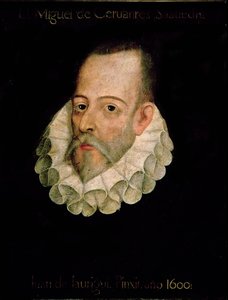
cervantes saavedra, miguel
1547 - 1616 , Spain
Kratke činjenice
- Artistic Movement Or Style: Renaissance & Baroque
- Artists Or Movements Influenced By This Artist: ['Romanticism']
- Artists Who Influenced This Artist: ['William Shakespeare']
- Date Of Birth: September 29, 1547
- Date Of Death: April 22, 1616
- Full Name: Miguel de Cervantes Saavedra
- Nationality: Spanish
- Notable Artworks: ['Don Quixote']
- Place Of Birth: Alcalá de Henares, Spain

