

 Pregledaj u prostoru
 Pošalji
 Podeli
 Detalji o delu

 Преузми
 Slični predmeti
 Rendgenski snimak
 Slajdovi
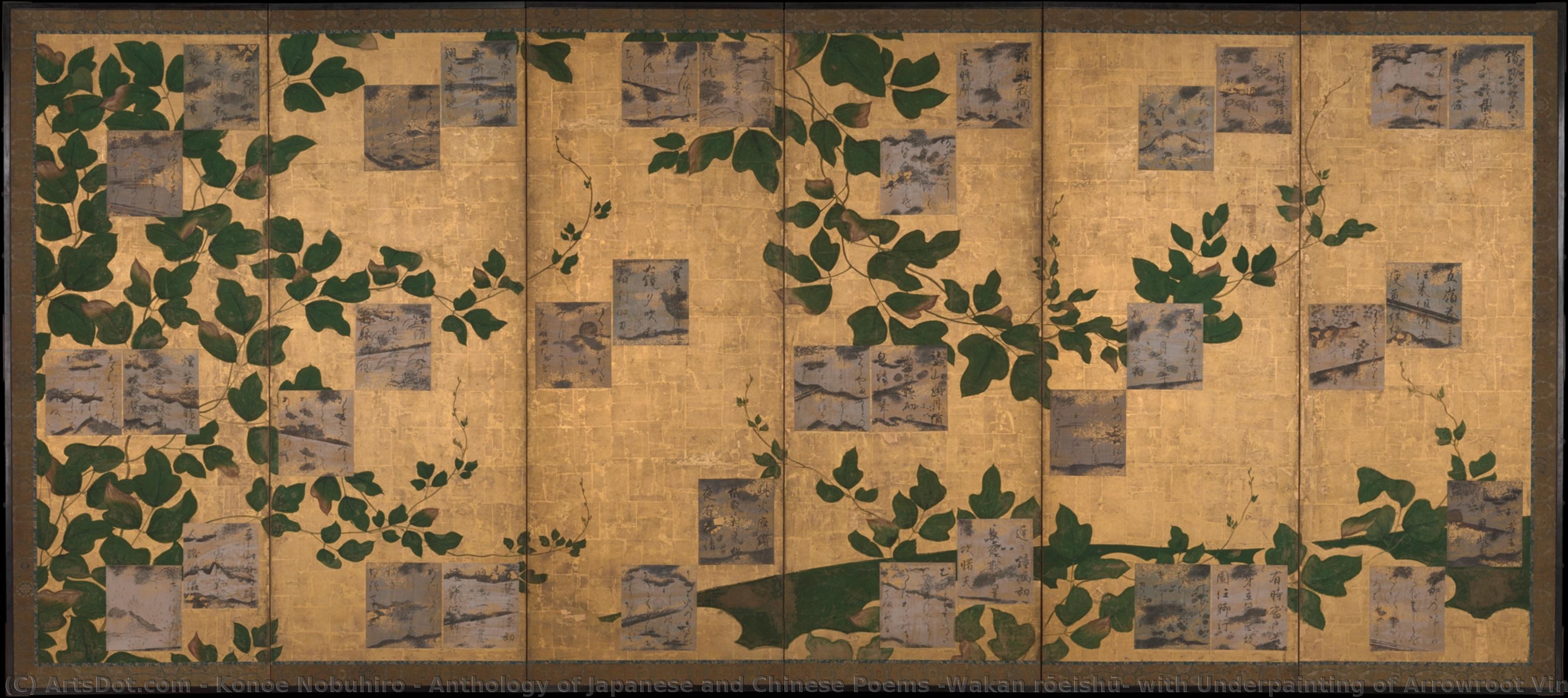
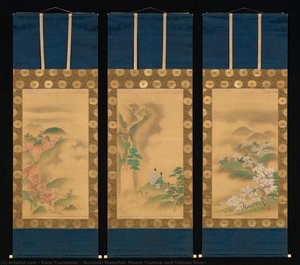
Anthology of Japanese and Chinese Poems (Wakan rōeishū) with Underpainting of Arrowroot Vines


 Pročitaj više
Kupite digitalnu sliku visoke rezolucije i poboljšanog kvaliteta, koja je znatno superiornija od onoga što vidite u online prikazu.
Svaka datoteka je pedantno pripremljena od strane naših stručnjaka koristeći napredne alate i profesionalnu ručnu retušu. Osiguravamo da svaka slika ima izuzetnu oštrinu, preciznu reprodukciju boja i fine detalje.
Konačna datoteka se dostavlja putem e-pošte u roku od 72 sata, optimizovana za neposrednu upotrebu u profesionalnim, izdavačkim i štamparskim okruženjima. To je isti kvalitet kojem veruju vrhunski studiji dizajna, izdavači i galerije.
Digitalna slika
Preuzmite datoteku visoke rezolucije za ličnu upotrebu, štampanje i kreativne projekte. ( Kupi print Kupi ručno naslikanu sliku)
Uključeno uz svaku porudžbinu digitalne slike
Profesionalna digitalna isporuka, zagarantovana
Kada odaberete ArtsDot.com, ne dobijate samo sliku – vi primate profesionalno unapređeno digitalno umetničko delo, izrađeno sa najvećom preciznošću i uz garanciju zadovoljstva. Evo svega što automatski dolazi uz vašu porudžbinu:

Brza dostava putem e-pošte
Vaša digitalna slika visoke rezolucije biće vam poslata putem e-pošte u roku od 72 sata od poručivanja – spremna za trenutnu upotrebu.

Digitalna datoteka unapređena veštačkom inteligencijom
Vaše umetničko delo je profesionalno optimizovano korišćenjem naprednih AI alata i ručne obrade, čime se osiguravaju maksimalni detalji, oštrina i preciznost boja.

Besplatna ponovna isporuka doživotno
Slučajno ste obrisali ili izgubili svoju datoteku? Ne brinite – poslaćemo vam je ponovo u bilo kom trenutku, potpuno besplatno.

Bez troškova uvoza – zauvek
Uživajte u svojim umetničkim delima trenutno, bez carine, dažbina ili troškova dostave – digitalni download je uvek bez poreza.

Garancija vernosti boja
Uz pomoć profesionalnih alata i upravljanja bojama, osiguravamo da vaša digitalna slika što vernije odražava originalne boje.

Garancija zadovoljstva u roku od 60 dana
Ako niste zadovoljni svojom digitalnom slikom, revidirat ćemo je ili vratiti 100% novca u roku od 60 dana – bez ikakvih pitanja.

100% garancija povrata novca
Niste zadovoljni? Obezbedite pun povrat novca u roku od 60 dana od trenutka kada ste primili svoju digitalnu datoteku – bez suvišnih pitanja.

Popusti na velike porudžbine
Kupite 3 slike, uštedite 10% - Kupite 5 slika, uštedite 15% - Kupite 10+ slika, uštedite 20%. Odlično za kreativne projekte, galerije i agencije.
Srodna umetnička dela


Biografija umetnika
Diego Velázquez: The Master of Light and Observation
Diego Rodríguez de Silva y Velázquez, a name synonymous with artistic mastery in the 17th century, remains one of the most revered figures in Western art history. Born in Seville in 1599, his life was inextricably linked to the court of King Philip IV of Spain, and it was within those gilded walls that he honed his extraordinary talent – a talent characterized by an unparalleled ability to capture not just appearances but also the very essence of human experience. Velázquez’s legacy isn't simply one of technical skill; it’s a testament to his profound understanding of light, shadow, and the subtle nuances of observation, qualities that continue to inspire artists centuries later.
Early Life and Artistic Training
Velázquez’s early life remains somewhat shrouded in mystery. He was baptized on June 6, 1599, in Seville, the firstborn son of Juan Rodríguez de Silva y Velázquez, a notary, and Jerónima Velázquez. His family's origins were complex; his paternal grandparents were Portuguese conversos – Jews who had converted to Christianity – adding an intriguing layer to his lineage. He received his initial artistic training under the tutelage of Francisco Pacheco, a local painter whose studio served as a vibrant hub for aspiring artists. Pacheco’s approach emphasized naturalism and meticulous detail, providing Velázquez with a solid foundation in traditional techniques. However, it was Pacheco's own style – characterized by idealized portraits and religious scenes – that Velázquez quickly sought to transcend, embarking on a journey toward a more direct and emotionally resonant representation of reality.
The Court Painter and the Development of His Style
Velázquez’s career truly took flight when he was summoned to Madrid in 1623 to paint a portrait of King Philip IV. This commission proved pivotal, catapulting him into the heart of the Spanish court and establishing his position as the king's official painter. Over the next four decades, he served as a tireless chronicler of royal life, producing an astonishing array of portraits – not just of the royal family but also of courtiers, servants, dwarves, and even stray dogs. Initially influenced by the Venetian painters whose works were housed in the Spanish Royal Collection, Velázquez gradually developed his own distinctive style, characterized by a masterful use of *tenebrismo*—a dramatic contrast between light and dark—and loose, expressive brushwork. He moved away from the polished surfaces favored by earlier generations, embracing a more tactile and immediate approach to painting.
Key Works and Artistic Innovations
Velázquez’s oeuvre is remarkably diverse, encompassing historical scenes, mythological subjects, still lifes, and, most famously, portraits. *Las Meninas* (1656), arguably his masterpiece, remains a subject of endless fascination and scholarly debate. This complex and layered painting depicts the Infanta Margarita being attended by her maids of honor, with King Philip IV and Queen Mariana observing from a mirror. It’s a brilliant exploration of perspective, illusion, and the very act of representation – questioning who is truly being painted and what constitutes reality within the scene. Other significant works include *The Surrender at Breda* (1634-35), a monumental depiction of the end of the Eighty Years' War, and numerous portraits of Philip IV and his family, each capturing the sitter’s personality with remarkable insight. His still lifes, particularly those depicting kitchen scenes, are equally compelling, showcasing his ability to render textures and details with astonishing precision.
Legacy and Influence
Diego Velázquez's influence on subsequent generations of artists is immeasurable. His innovative use of light, shadow, and brushwork paved the way for Impressionism in the 19th century, inspiring figures like Édouard Manet, Claude Monet, and Paul Cézanne. Artists as diverse as Pablo Picasso, Salvador Dalí, and Francis Bacon have repeatedly turned to Velázquez’s work for inspiration, reinterpreting his iconic images and exploring their psychological depth. Today, his paintings reside primarily in the Museo del Prado in Madrid, where they continue to draw millions of visitors each year. Velázquez's legacy extends beyond the realm of art; he is remembered as a master observer, a keen psychologist, and one of the greatest painters who ever lived – a testament to the power of seeing, capturing, and conveying the world around us with unparalleled skill and sensitivity.
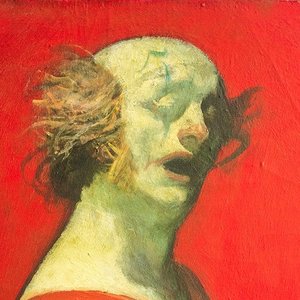
konoe nobuhiro
1599 - 1649 , Japan
Kratke činjenice
- Artistic Movement Or Style: Baroque, Tenebrism
- Artists Or Movements Influenced By This Artist:
- Realism
- Impressionism
- Artists Who Influenced This Artist:
- Caravaggio
- Venetian painting
- Date Of Birth: June 6, 1599
- Date Of Death: August 6, 1660
- Full Name: Diego Rodríguez de Silva y Velázquez
- Nationality: Spanish
- Notable Artworks:
- Las Meninas
- Philip IV
- Venus at Her Mirror
- Place Of Birth: Seville, Spain

