

 Pregledaj u prostoru
 Pošalji
 Podeli
 Detalji o delu

 Преузми
 Slični predmeti
 Rendgenski snimak
 Slajdovi
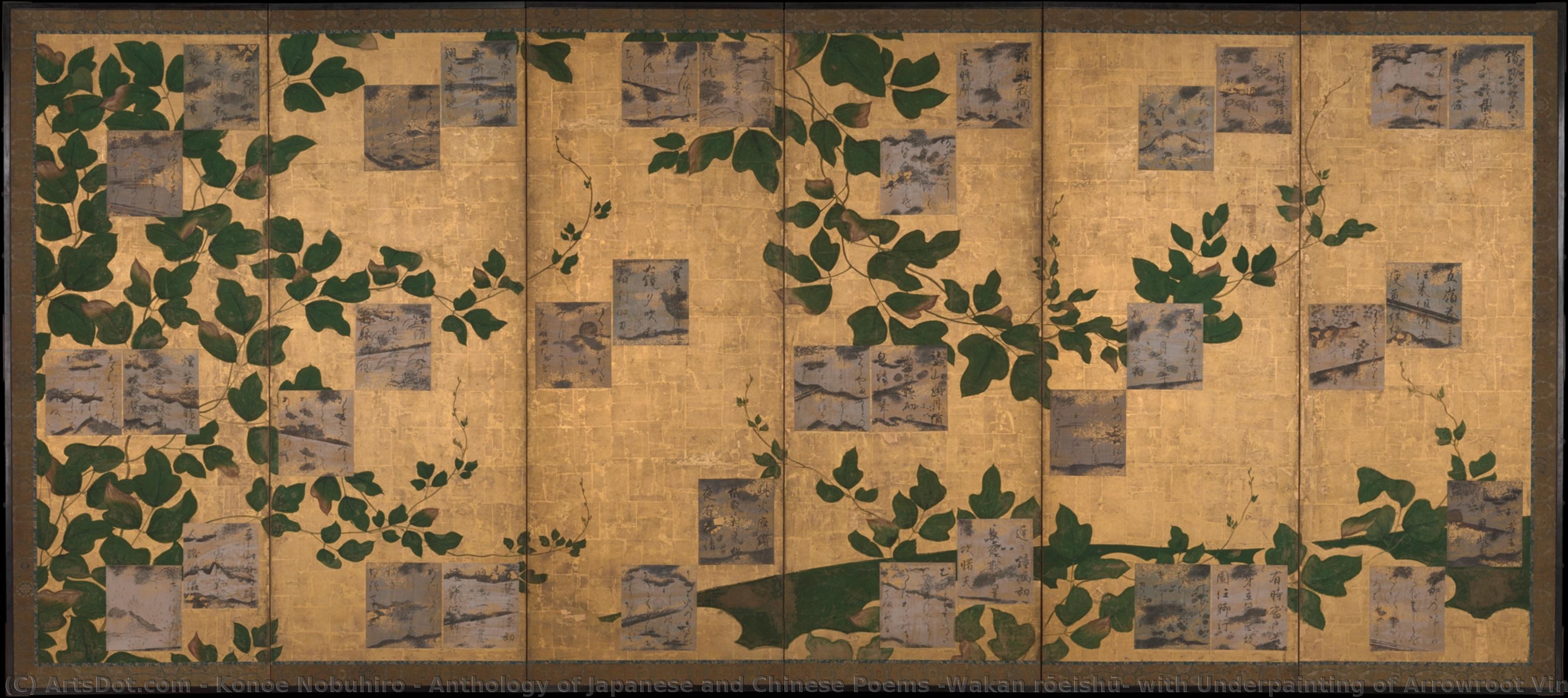
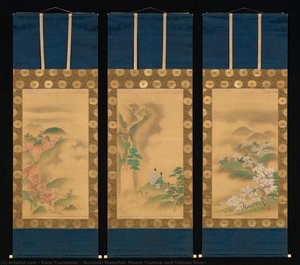
Anthology of Japanese and Chinese Poems (Wakan rōeishū) with Underpainting of Arrowroot Vines


 Pročitaj više
Giclee štampa / Umetnički otisak
Giclée štampa ili print na platnu muzejskog kvaliteta uz brzu proizvodnju i fleksibilne opcije završne obrade. ( Kupi ručno naslikanu sliku Kupi digitalnu sliku)




































Izaberite jednu od naših unapred definisanih veličina koje odgovaraju originalnim proporcijama umetničkog dela.

Možete uneti sopstvene dimenzije kako biste umetničko delo prilagodili specifičnom okviru ili prostoru. Ako odabrani format ne odgovara proporcijama originalne slike, mi ćemo ili iscrtati deo dela ili proširiti sliku pomoću ogledane ivice ili jednobojnog popunjavanja. Digitalni prikaz će vam biti poslat na odobrenje pre početka proizvodnje.
Imajte na umu da pregled na ekranu ne odražava stvarno iscrtavanje ili proširivanje. Samo će prikaz (mockup) precizno pokazati finalnu kompoziciju.
Iako su prilagođene dimenzije dostupne, preporučujemo da odaberete dimenziju sa unapred definisane liste kako biste očuvali originalne proporcije.
Dostava širom sveta () za 2 nedelje umesto uobičajenih 4/5 nedelja. (29 август)

Besplatna ekspresna dostava širom sveta

Visokokvalitetno laneno platno

Kompletno osiguranje transporta

Garancija povraćaja carine i uvoznih dažbina

Garancija vernosti boja

Politika povrata u roku od 60 dana (samo u slučaju nedostataka)

Garancija povrata novca od 100%

Popust pri grupnoj kupovini
 Opcija sa staklom dostupna je samo za dimenzije manje od 110 cm

Anthology of Japanese and Chinese Poems (Wakan rōeishū) with Underpainting of Arrowroot Vines
Giclee štampa / Umetnički otisak
Dimenzije reprodukcije
-


Konačna cena
$ 62
Srodna umetnička dela
Biografija umetnika
Diego Velázquez: The Master of Light and Observation
Diego Rodríguez de Silva y Velázquez, a name synonymous with artistic mastery in the 17th century, remains one of the most revered figures in Western art history. Born in Seville in 1599, his life was inextricably linked to the court of King Philip IV of Spain, and it was within those gilded walls that he honed his extraordinary talent – a talent characterized by an unparalleled ability to capture not just appearances but also the very essence of human experience. Velázquez’s legacy isn't simply one of technical skill; it’s a testament to his profound understanding of light, shadow, and the subtle nuances of observation, qualities that continue to inspire artists centuries later.
Early Life and Artistic Training
Velázquez’s early life remains somewhat shrouded in mystery. He was baptized on June 6, 1599, in Seville, the firstborn son of Juan Rodríguez de Silva y Velázquez, a notary, and Jerónima Velázquez. His family's origins were complex; his paternal grandparents were Portuguese conversos – Jews who had converted to Christianity – adding an intriguing layer to his lineage. He received his initial artistic training under the tutelage of Francisco Pacheco, a local painter whose studio served as a vibrant hub for aspiring artists. Pacheco’s approach emphasized naturalism and meticulous detail, providing Velázquez with a solid foundation in traditional techniques. However, it was Pacheco's own style – characterized by idealized portraits and religious scenes – that Velázquez quickly sought to transcend, embarking on a journey toward a more direct and emotionally resonant representation of reality.
The Court Painter and the Development of His Style
Velázquez’s career truly took flight when he was summoned to Madrid in 1623 to paint a portrait of King Philip IV. This commission proved pivotal, catapulting him into the heart of the Spanish court and establishing his position as the king's official painter. Over the next four decades, he served as a tireless chronicler of royal life, producing an astonishing array of portraits – not just of the royal family but also of courtiers, servants, dwarves, and even stray dogs. Initially influenced by the Venetian painters whose works were housed in the Spanish Royal Collection, Velázquez gradually developed his own distinctive style, characterized by a masterful use of *tenebrismo*—a dramatic contrast between light and dark—and loose, expressive brushwork. He moved away from the polished surfaces favored by earlier generations, embracing a more tactile and immediate approach to painting.
Key Works and Artistic Innovations
Velázquez’s oeuvre is remarkably diverse, encompassing historical scenes, mythological subjects, still lifes, and, most famously, portraits. *Las Meninas* (1656), arguably his masterpiece, remains a subject of endless fascination and scholarly debate. This complex and layered painting depicts the Infanta Margarita being attended by her maids of honor, with King Philip IV and Queen Mariana observing from a mirror. It’s a brilliant exploration of perspective, illusion, and the very act of representation – questioning who is truly being painted and what constitutes reality within the scene. Other significant works include *The Surrender at Breda* (1634-35), a monumental depiction of the end of the Eighty Years' War, and numerous portraits of Philip IV and his family, each capturing the sitter’s personality with remarkable insight. His still lifes, particularly those depicting kitchen scenes, are equally compelling, showcasing his ability to render textures and details with astonishing precision.
Legacy and Influence
Diego Velázquez's influence on subsequent generations of artists is immeasurable. His innovative use of light, shadow, and brushwork paved the way for Impressionism in the 19th century, inspiring figures like Édouard Manet, Claude Monet, and Paul Cézanne. Artists as diverse as Pablo Picasso, Salvador Dalí, and Francis Bacon have repeatedly turned to Velázquez’s work for inspiration, reinterpreting his iconic images and exploring their psychological depth. Today, his paintings reside primarily in the Museo del Prado in Madrid, where they continue to draw millions of visitors each year. Velázquez's legacy extends beyond the realm of art; he is remembered as a master observer, a keen psychologist, and one of the greatest painters who ever lived – a testament to the power of seeing, capturing, and conveying the world around us with unparalleled skill and sensitivity.
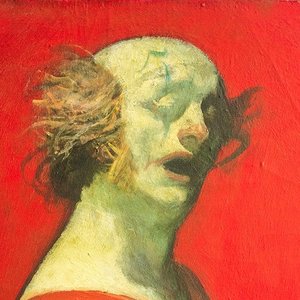
konoe nobuhiro
1599 - 1649 , Japan
Osnovne informacije
- Artistic Movement Or Style: Baroque, Tenebrism
- Artists Or Movements Influenced By This Artist:
- Realism
- Impressionism
- Artists Who Influenced This Artist:
- Caravaggio
- Venetian painting
- Date Of Birth: June 6, 1599
- Date Of Death: August 6, 1660
- Full Name: Diego Rodríguez de Silva y Velázquez
- Nationality: Spanish
- Notable Artworks:
- Las Meninas
- Philip IV
- Venus at Her Mirror
- Place Of Birth: Seville, Spain
Povezani članci
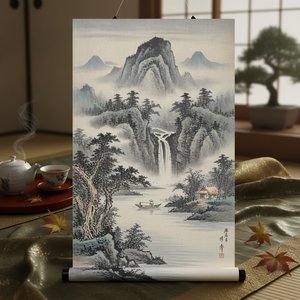
Serenity on Canvas: A Guide to the Timeless Beauty of Japanese Landscape Painting
Discover the serene beauty of Japanese landscape painting. From Hokusai's iconic woodblock prints to meditative sumi-e ink washes, explore a visual journey through the 'floating world' and learn how to bring this timeless Zen aesthetic into your modern home decor.

Xie Zhiliu: A Legacy of Ink Wash Painting & Modern Chinese Literati Tradition
Explore the legacy of Xie Zhiliu, a master of Chinese ink wash painting & prominent figure in modern art. Discover his techniques, influences, and contributions to literati tradition. A guide for discerning collectors.

Katsushika Hokusai: 25 Remek-dela Japanskog Umetnika za Vaš Dom | ArtsDot
Uronite u svet Katsushike Hokusaija! Otkrijte 25 remek-dela japanskog umetnika, uključujući čuveni 'Veliki talas'. Ukiyo-e štampe, pejzaži i istorija iza svakog dela. Pronađite inspiraciju za dekor enterijera i kupite reprodukcije slika vrhunskog kvaliteta na ArtsDot.com.

William Owen: A Poetic Vision of War & Landscape in British Modernism
Explore the poignant war poetry of Wilfred Owen, a key figure in British Modernism. Discover his innovative style, themes of loss & camaraderie, and lasting impact on 20th-century literature. Analysis & historical context included.
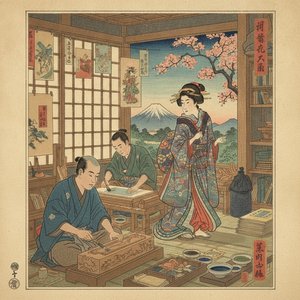
Floating World: The Captivating Art and Legacy of Japanese Ukiyo-e
Explore the profound beauty of Japanese Ukiyo-e. Discover the history, masters like Hokusai, and the enduring legacy of the 'Floating World' through an expert art-historical lens.

