

 Pregledaj u prostoru
 Pošalji
 Podeli
 Detalji o delu

 Преузми
 Slični predmeti
 Rendgenski snimak
 Slajdovi
 Statistika
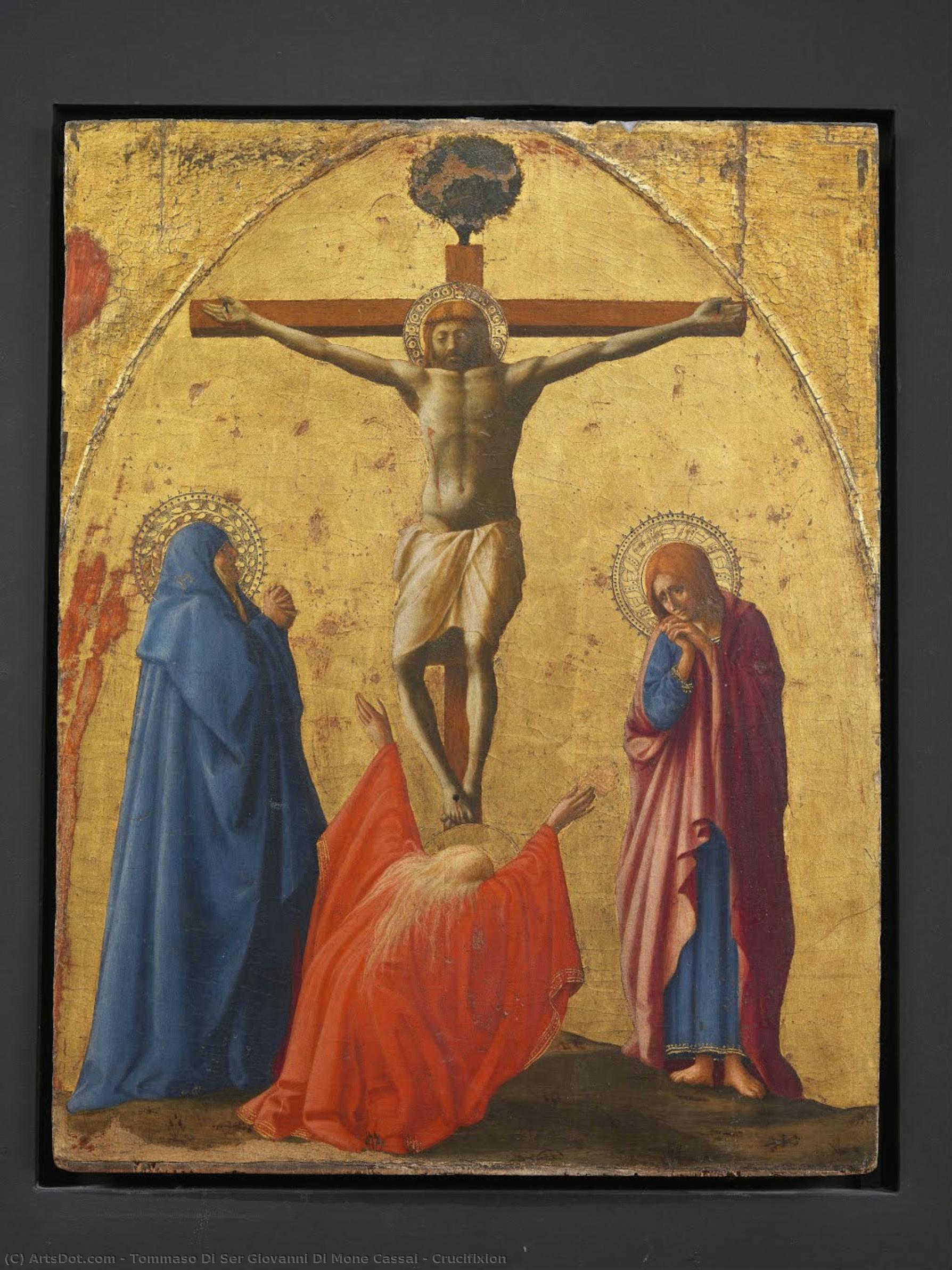
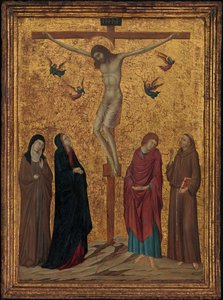
Crucifixion


 Pročitaj više
Ručno rađena uljana reprodukcija
Ručno oslikano uljanim bojama na platnu u dimenzijama i okviru po vašem izboru, izrađeno po porudžbini od strane naših umetnika. ( Pređi na štampu Pređi na digitalnu sliku)




































Izaberite jednu od naših unapred definisanih veličina koje odgovaraju originalnim proporcijama umetničkog dela.

Можете унети сопствене димензије како бисте прилагодили дело одређеном оквиру или простору. Ако одабрана величина не одговара пропорцијама оригинала, слика ће бити исечена или проширена додатним елементима који се ручно насликавају. Дигитални prikaz ће вам бити послат на одобрење пре почетка производње.
Имајте на уму да преглед на екрану не одражава стварно исецање или проширење. Само приказ (mockup) ће тачно приказати коначну композицију.
Иако су доступне прилагођене величине, препоручујемо да одаберете димензију из дефинисане листе како бисте сачували оригиналне пропорције.
Nakon narudžbine, tim ArtsDot.com će klijentu putem e-pošte poslati uputstva i dostaviti prikaz predloženog rešenja
Isporuka širom sveta () za 3/4 nedelje umesto uobičajenih 5 nedelja. (8 септембар). Bez kompromisa po pitanju kvaliteta.

Besplatna ekspresna dostava širom sveta

Visokokvalitetno laneno platno

Kompletno osiguranje transporta

Garancija povraćaja carine i uvoznih dažbina

Garancija vernosti boja

Politika povraćaja u roku od 100 dana (isključivo u slučaju nedostataka)

Garancija povrata novca od 100%

Popust pri grupnoj kupovini
 Opcija sa staklom dostupna je samo za dimenzije manje od 110 cm

Crucifixion
Tehnika reprodukcije
Dimenzije reprodukcije
-


Konačna cena
$ 313
Srodna umetnička dela
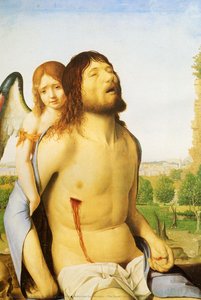
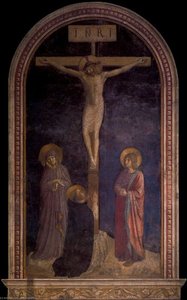
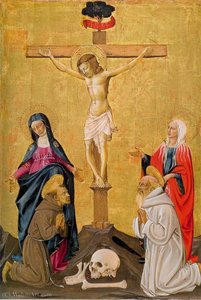
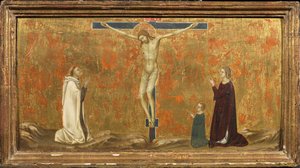
Biografija umetnika
Tommaso di Ser Giovanni di Mone Cassai: The Dawn of Renaissance Vision
Tommaso di Ser Giovanni di Mone Cassai, more famously known as Masaccio, stands as a pivotal figure in the transition from medieval to Renaissance art – a revolutionary painter whose brief but intensely productive career fundamentally reshaped Western artistic practice. Born in Castel San Giovanni di Valdarno, near Florence, in December 1401, his life was tragically cut short at the age of twenty-seven, yet within those six years he laid the groundwork for countless artists to come. His story is one of remarkable innovation, a testament to the power of observation and a profound understanding of human form and space – qualities that would define the burgeoning Renaissance spirit. Little is definitively known about his early life beyond his family’s notary lineage; however, it's believed he received his initial artistic training under Bicci di Lorenzo, absorbing the stylistic conventions of the time while simultaneously developing an independent vision.The Revolutionary Techniques of a Florentine Master
Masaccio’s genius lay not in elaborate ornamentation or fantastical narratives, but in a radical commitment to realism and spatial representation. He was among the first artists to truly master linear perspective – a technique rediscovered from ancient architectural principles – and to apply it with breathtaking accuracy to painting. This wasn't merely a clever illusion; Masaccio used perspective to create a convincing sense of depth and volume within his compositions, drawing the viewer into the scene as if it were an extension of their own world. Alongside linear perspective, he skillfully employed *chiaroscuro* – the dramatic contrast between light and shadow – to model forms with astonishing realism, giving figures weight, solidity, and a palpable sense of three-dimensionality. His frescoes in the Brancacci Chapel of Santa Maria del Carmine in Florence are prime examples of this mastery; works like “San Giovenale Triptych” and “The Trinity” demonstrate his ability to depict not just appearances but also underlying structure and emotional resonance. Notably, Masaccio moved away from the prevalent International Gothic style, characterized by its decorative flourishes and stylized figures, embracing a more naturalistic approach that prioritized clarity, proportion, and psychological insight.Key Works and Influences
Masaccio’s artistic output was remarkably concentrated within his short career. The Brancacci Chapel frescoes are undoubtedly his most celebrated achievements, but he also produced significant works such as “Madonna and Child with St Anne,” a poignant depiction of the Virgin Mary, her mother Saint Anne, and the infant Christ – a painting that showcases his delicate handling of color and texture. His "San Giovenale Triptych" is particularly noteworthy for its innovative use of perspective and its integration of narrative elements within a complex compositional framework. Masaccio’s work was profoundly influenced by Giotto di Bondone, the Florentine painter who had pioneered naturalism in the late 13th and early 14th centuries. However, unlike Giotto's somewhat ethereal figures, Masaccio imbued his subjects with a tangible humanity, capturing their emotions and gestures with unprecedented accuracy. He also drew inspiration from sculpture, particularly the works of Donatello, whose dynamic poses and realistic portrayal of human anatomy served as a model for Masaccio’s depictions of the human form.Legacy and Lasting Impact
Masaccio's innovations had an immediate and profound impact on subsequent generations of artists. Paolo Uccello and Andrea Mantegna were among those who eagerly adopted his techniques, building upon his foundations to develop their own distinctive styles. His emphasis on linear perspective and *chiaroscuro* became cornerstones of Renaissance painting, influencing artists like Leonardo da Vinci, Michelangelo, and Raphael. More than just a technical innovator, Masaccio’s work signaled a shift in artistic philosophy – a move away from the symbolic and allegorical towards a more humanistic approach that celebrated the beauty and dignity of the individual. His frescoes in the Brancacci Chapel, though sadly damaged over time, continue to inspire awe and admiration for their sheer power and emotional depth. Masaccio’s legacy endures as the first truly Renaissance painter, a visionary who dared to challenge artistic conventions and usher in a new era of realism, perspective, and humanism in Western art.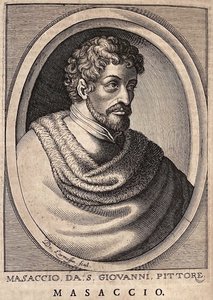
tommaso di ser giovanni di mone cassai
1401 - 1428 , Italy
Osnovne informacije
- Artistic Movement Or Style: Early Renaissance, Quattrocento
- Artists Or Movements Influenced By This Artist:
- Paolo Uccello
- Andrea Mantegna
- Artists Who Influenced This Artist:
- Giotto
- Filippo Brunelleschi
- Date Of Birth: December 21, 1401
- Date Of Death: Autumn 1428
- Full Name: Tommaso di Ser Giovanni di Mone Cassai
- Nationality: Italian
- Notable Artworks:
- San Giovenale Triptych
- Virgin and Child with St Anne
- Holy Trinity
- Expulsion of Adam and Eve
- Place Of Birth: Florence, Italy
Povezani članci
Proto-Renaissance Masters: 10 Artworks That Changed History | ArtsDot
Journey back to the dawn of Renaissance art! Explore 10 iconic Proto-Renaissance masterpieces by Giotto, Cimabue & Duccio. Discover their stories, techniques & lasting impact. Find museum-quality reproductions for your home at ArtsDot.com
Top 25 dela sa Bijenala u Veneciji: Umetnička remekapela za vaš dom | ArtsDot.com
Istražite 25 remekapela sa Bijenala u Veneciji! Otkrijte priče iza poznatih slikara, stilova i tehnika. Reprodukcije slika vrhunskog kvaliteta za dekoraciju enterijera. Inspiracija & kupovina na ArtsDot.com
Fra Anđeo: 25 Remek-dela Renesansnog Duha za Vaš Dom | ArtsDot
Uronite u svet Fra Anđela – 25 remek-dela renesansnog slikara. Otkrijte priče iza njegovih čuvenih fresaka i oltarskih slika, inspiracija za enterijer i duhovni mir. Kupite reprodukcije vrhunskog kvaliteta na ArtsDot.com!
Giotto di Bondone: 25 Remek-dela koji definišu renesansu | ArtsDot
Istražite 25 remek-dela Giotta di Bondonea i otkrijte renesansnu umetnost u punom sjaju. Freske, oltarske slike & istorija italijanske umetnosti na ArtsDot.com! Reprodukcije vrhunskog kvaliteta za vaš dom.
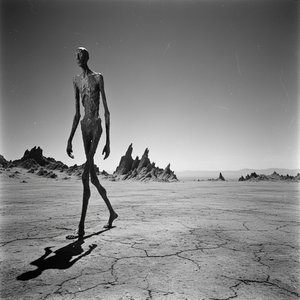
Giovanni Giacometti: Sculpting Existentialism – A Study of Form, Space, and the Human Condition
Explore the profound artistic journey of Giovanni Giacometti, father to Alberto. Discover his unique transition from Surrealism to Existentialist sculpture and painting – a compelling study for elite collectors and art enthusiasts.