

 Pregledaj u prostoru
 Pošalji
 Podeli
 Detalji o delu

 Преузми
 Slični predmeti
 Rendgenski snimak
 Slajdovi
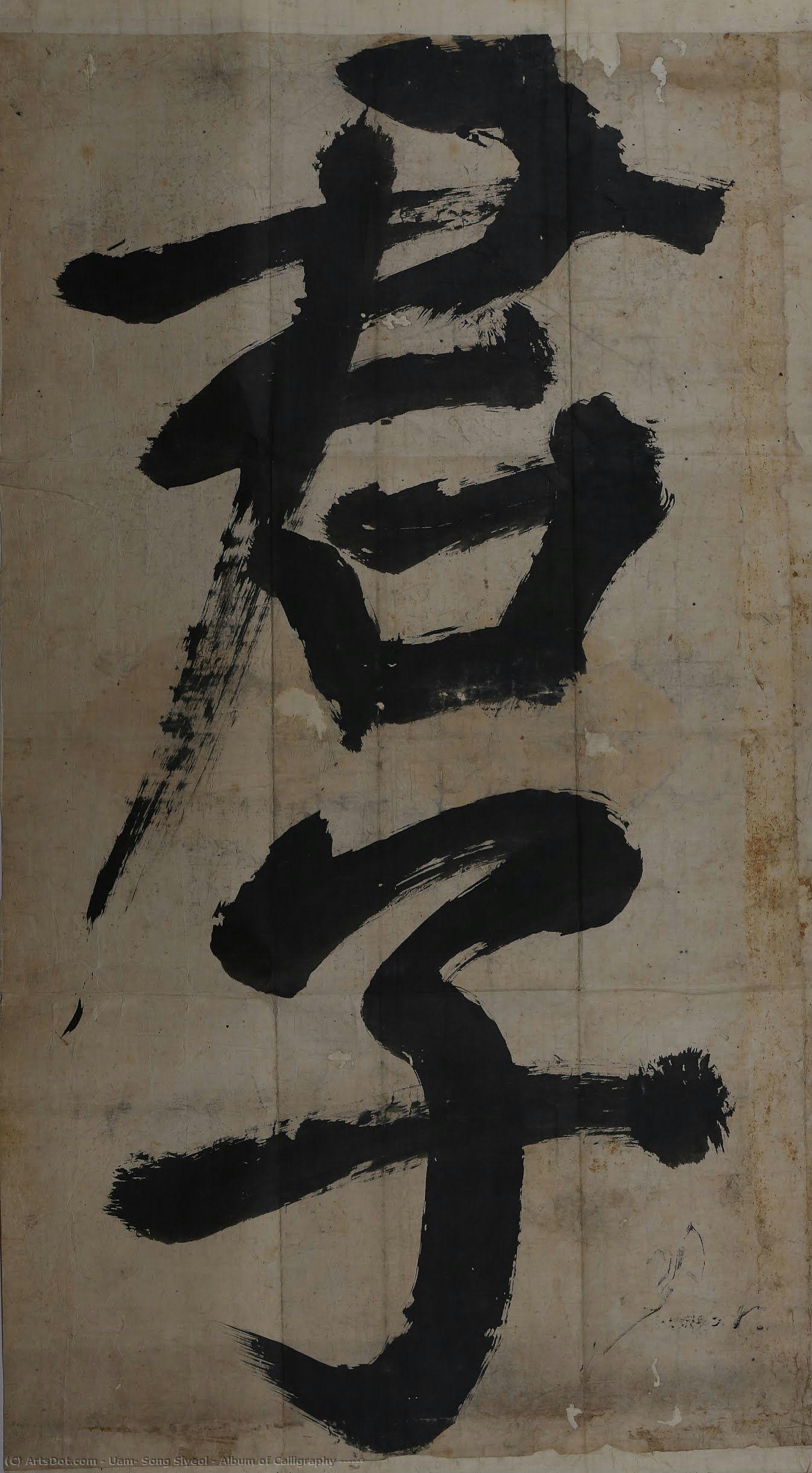
Album of Calligraphy (君子存心)


 Pročitaj više
Giclee štampa / Umetnički otisak
Giclée štampa ili print na platnu muzejskog kvaliteta uz brzu proizvodnju i fleksibilne opcije završne obrade. ( Kupi ručno naslikanu sliku Kupi digitalnu sliku)




































Izaberite jednu od naših unapred definisanih veličina koje odgovaraju originalnim proporcijama umetničkog dela.

Možete uneti sopstvene dimenzije kako biste umetničko delo prilagodili specifičnom okviru ili prostoru. Ako odabrani format ne odgovara proporcijama originalne slike, mi ćemo ili iscrtati deo dela ili proširiti sliku pomoću ogledane ivice ili jednobojnog popunjavanja. Digitalni prikaz će vam biti poslat na odobrenje pre početka proizvodnje.
Imajte na umu da pregled na ekranu ne odražava stvarno iscrtavanje ili proširivanje. Samo će prikaz (mockup) precizno pokazati finalnu kompoziciju.
Iako su prilagođene dimenzije dostupne, preporučujemo da odaberete dimenziju sa unapred definisane liste kako biste očuvali originalne proporcije.
Dostava širom sveta () za 2 nedelje umesto uobičajenih 4/5 nedelja. (30 август)

Besplatna ekspresna dostava širom sveta

Visokokvalitetno laneno platno

Kompletno osiguranje transporta

Garancija povraćaja carine i uvoznih dažbina

Garancija vernosti boja

Politika povrata u roku od 60 dana (samo u slučaju nedostataka)

Garancija povrata novca od 100%

Popust pri grupnoj kupovini
 Opcija sa staklom dostupna je samo za dimenzije manje od 110 cm

Album of Calligraphy (君子存心)
Giclee štampa / Umetnički otisak
Dimenzije reprodukcije
-


Konačna cena
$ 62
Srodna umetnička dela
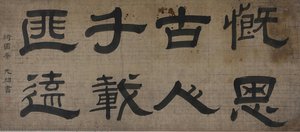
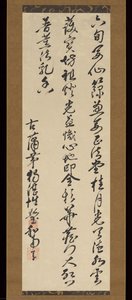
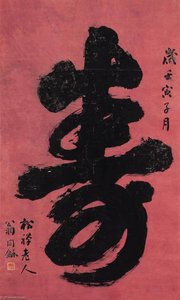
Biografija umetnika
Biography of uam, song siyeol
uam, song siyeol (尤庵 宋時烈, 1607-1689) stands as a pivotal figure in Korean intellectual history—a philosopher and statesman whose unwavering commitment to Confucian ideals shaped the trajectory of Joseon Dynasty politics. Born in Okcheon, Chungcheongbukdo, he ascended to prominence through decades of dedicated service within the royal court, earning recognition for his profound understanding of ethical principles and social responsibility. His name reverberates throughout Joseon annals, appearing over 3,000 times—a testament to his influence on governmental decisions and shaping the cultural landscape of his era. Tragically, his life ended abruptly in 1689 following a politically motivated execution, marking a poignant conclusion to a brilliant yet turbulent career.- Early Life & Education: Song Siyeol’s formative years were marked by rigorous Confucian scholarship under the guidance of Kim Jangsaeng, arguably Yi I's most esteemed disciple. This intellectual foundation instilled in him a lifelong devotion to Chu Hsi’s philosophy—a cornerstone of Neo-Confucian thought that championed virtue and moral governance.
- Political Career: From 1635 onwards, Song Siyeol embarked on an illustrious political journey, serving as tutor to King Injo's second son and steadily climbing the ranks of bureaucratic administration. Despite facing periods of exile due to factional disputes within the court—fueled by disagreements over mourning rituals following Hyojong’s death—he consistently demonstrated resilience and intellectual integrity.
- Notable Achievements: Perhaps Song Siyeol’s most enduring legacy resides in his masterful calligraphy, notably his inscription commemorating Admiral Yi Sunsin's epitaph at Chungnyeolsa Shrine (historical site no. 236). This poignant gesture solidified his reputation as a humanist artist deeply attuned to the moral values of his time and cemented his place within Korean cultural heritage.
Artistic Style & Technique
Song Siyeol’s artistic endeavors extended beyond calligraphy, demonstrating exceptional skill in painting—specifically in album paintings (君子存心). His works exemplify the stylistic conventions of Ming Dynasty art, characterized by meticulous brushwork and aged textures. These scrolls convey a sense of solemn contemplation and reflect his philosophical convictions through evocative imagery and subtle tonal variations. The deliberate use of muted colors contributes to an atmosphere of understated grandeur—a hallmark of Neo-Confucian aesthetics that prioritized harmony and spiritual depth.- Album of Calligraphy (君子存心): This masterpiece showcases Song Siyeol’s mastery of brushstroke technique, capturing the essence of Confucian ideals through serene landscapes and carefully rendered calligraphy.
- Influence of Yi I & Chu Hsi: His philosophical outlook was profoundly shaped by the teachings of Yi Hwang (Toegye) and Yi I (Yulgok), who championed the principle of gi—the animating force underlying all existence—as opposed to I—the moral essence of human nature.
Historical Significance & Legacy
Song Siyeol’s execution underscored the volatile political climate of his era, highlighting the dangers inherent in challenging established authority. However, his unwavering commitment to Confucian ethics and his profound contribution to Korean intellectual discourse ensured that he would endure as a symbol of moral integrity—a figure revered for upholding virtue amidst turbulent times. His name continues to appear prominently in Joseon annals—a testament to his enduring influence on Korean history and culture. Furthermore, the Song Art Museum in Beijing celebrates his artistic achievements and honors his legacy as a champion of humanist values within the broader context of Chinese art history.Further Exploration
To delve deeper into Song Siyeol’s life and work, consider visiting the Song Art Museum in Beijing—a repository of Chinese contemporary art and international masterpieces that offers insights into his artistic milieu. Also, explore Heritage Search for detailed information on his portrait – a national treasure reflecting the profound spirit of Korean Confucianism.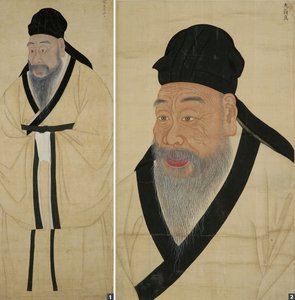
uam, song siyeol
1607 - 1689 , South Korea
Osnovne informacije
- Artistic Movement Or Style: Neo Confucianism
- Artists Or Movements Influenced By This Artist: ['Yi I']
- Artists Who Influenced This Artist: ['Kim Jangsaeng']
- Date Of Birth: 1607
- Full Name: Song Siyeol
- Nationality: Korean
- Notable Artworks: ['Album of Calligraphy']
- Place Of Birth: Okcheon, South Korea
Povezani članci
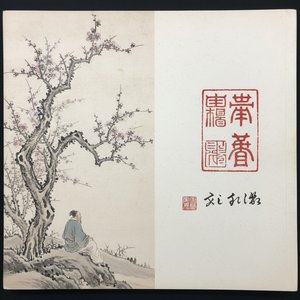
Xie Zhiliu: A Legacy of Ink Wash Painting & Modern Chinese Literati Tradition
Explore the legacy of Xie Zhiliu, a master of Chinese ink wash painting & prominent figure in modern art. Discover his techniques, influences, and contributions to literati tradition. A guide for discerning collectors.
Yi Eungro: Bridging East & West in the Landscape of Korean Modernism
Explore the captivating world of Yi Eungro (Lee Ungno), a pivotal figure in Korean modernism. Discover his unique fusion of Eastern and Western artistic traditions, abstract masterpieces, and lasting legacy. A must-read for discerning art collectors.
Pu Xinyu's 'Puru': A Legacy of Literati Painting & Emotional Resonance
Explore the captivating world of Pu Xinyu (Puru), the last great literati painter. Discover his imperial heritage, masterful ink wash techniques & enduring legacy – a valuable addition to any discerning art collection.
Cy Twombly: Scribbles of Emotion – Deconstructing Post-War Expressionism Through Calligraphy & Abstraction
Explore the captivating world of Cy Twombly with ArtsDot. Discover the emotional depth & artistic significance behind his abstract calligraphy. Expert insights for collectors.
Ephemeral Expressions: Exploring the Nuances of Ink on Paper Through History & Contemporary Art
Explore the captivating world of ink wash painting – from its ancient origins to contemporary masters. Discover techniques, symbolism & conservation insights with ArtsDot.com.

