 Preview
 Send
Send Share
Share
 Details

 Download
 Similars
 X-Ray
X-Ray Diaporama
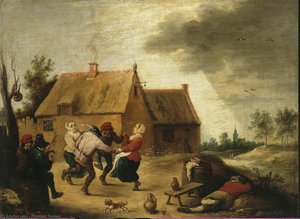
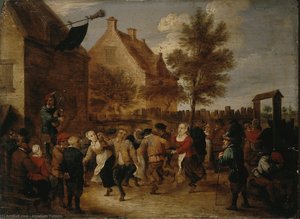
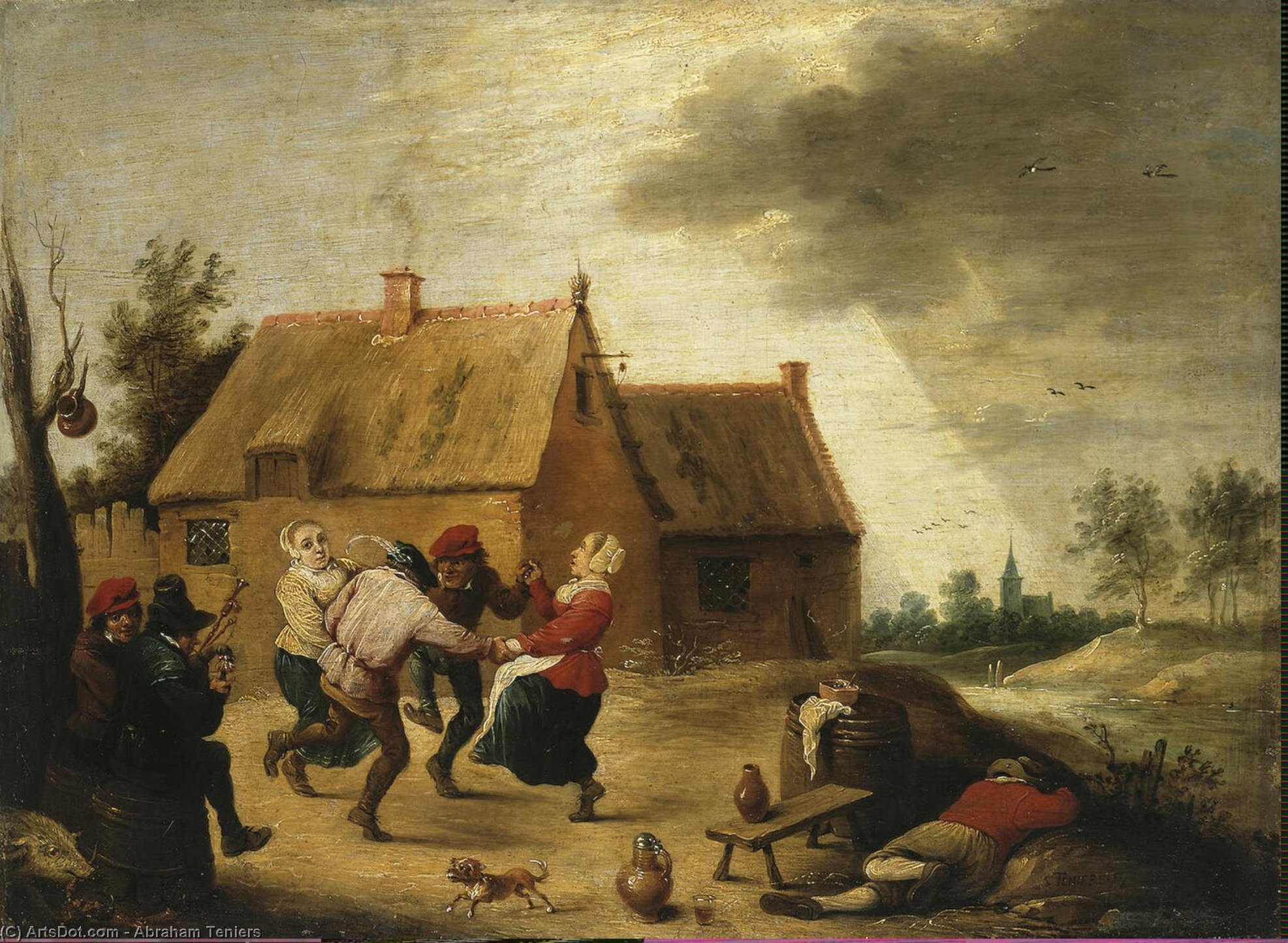
Dancing Peasants
 Oil On Canvas
- WallArt
- Baroque
 1660
1660 28.0 x 38.0 cm
 Hermitage Museum
 Read More
Giclée / Art Print
Museum-quality giclée or canvas print with fast production and flexible finish options. ( Buy Hand Made Painting Buy Image)




P118B $10

P118H $10

P118W $10

P438Z $10

P508JH $12

P508YH $12

P805H $10

P805Z $10

P919BZ $10

P919G $10

P919XJ $10

P959ZH $10

P968JZ $12

W106C $8

W218G $10

W218JH $8

W218Y $10

W307PJ $10

W316G $10

W316PJ $8

W316Y $10

W398PJ $8

W4111J $10

W500HY $15

W500JH $15

W692G $12

W849H $8

W940BG $15

W953PJ $8




Pick from our preset sizes that match the artwork's original proportions.

You may enter your own dimensions to fit a specific frame or space. If your selected size does not match the original image's proportions, we will either crop the artwork or extend the image with a mirrored or solid-fill edge. A digital mockup will be sent for your approval before production begins.
Please note that the on-screen preview does not reflect the actual cropping or extension. Only the mockup will accurately show the final composition.
While custom sizes are available, we recommend selecting a dimension from the predefined list to preserve the original proportions.
Worldwide Delivery () in 2 weeks instead of standard 4/5 weeks. (17 August)

Free Worldwide Express Shipping

High-Quality Linen Canvas

Full Shipping Insurance

Customs Tax Refund Guarantee

True Color Matching Guarantee

60-Day Return Policy (Defects Only)

100% Money-Back Guarantee

Bulk Discount Offer
 Glass option is only available in size under 110 CM

Dancing Peasants
Giclée / Art Print
Reproduction Size
-


Total Price
$ 63
Collectible Description
Dancing Peasants by Abraham Teniers
Abraham Teniers II (1610–90) stands as one of Flanders’ most prolific Baroque painters, leaving behind an astonishing oeuvre that encompasses genre scenes, portraits, landscapes and mythological compositions. Yet, it is his dedication to capturing the everyday life of rural communities—particularly through his celebrated peasant genre—that cemented his legacy as a pivotal figure in Northern Renaissance art. Teniers' artistic journey began under the tutelage of his father, David Teniers I, establishing a familial tradition of artistic excellence that would extend across generations. His brother, Abraham Teniers I (1629–97), also pursued painting with considerable success, furthering the family’s renown within Antwerp’s artistic circles.- Subject Matter: Teniers' canvases frequently depict scenes from rural life—peasants engaged in festive gatherings, celebrations of harvest festivals, and lively social interactions. These depictions weren’t merely observational; they served as a conduit for exploring themes of community spirit, religious piety, and the complexities of human relationships within a pastoral setting.
- Style: Teniers' artistic style embodies the Baroque aesthetic—characterized by dynamism, theatrical lighting, and an emphasis on emotional expression. He skillfully employed illusionistic techniques to create depth and realism, mirroring the grandeur and drama prevalent in contemporary art.
- Technique: Primarily working with oil paint on canvas, Teniers mastered the impasto technique—applying thick layers of pigment onto the surface—to imbue his paintings with textural richness and visual impact. This method allowed him to convey not only form but also mood and atmosphere, capturing the vibrancy of rural life with remarkable precision.
- Historical Context: Teniers’ work flourished during a period marked by significant artistic innovation and intellectual ferment in Antwerp—a city that served as a hub for Flemish art production. His paintings reflect the broader cultural currents of the Baroque era, mirroring the fascination with theatricality and grandeur that defined the time.
- Symbolism: Recurring motifs within Teniers’ compositions—such as musical instruments, dancing figures, and depictions of religious rituals—carried symbolic significance, conveying moral lessons and reinforcing societal values. These elements underscored the artist's belief in art's capacity to illuminate human experience and inspire contemplation.
Related Artworks

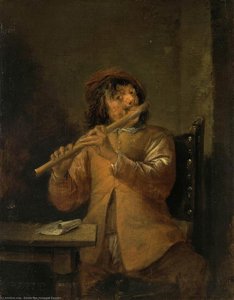
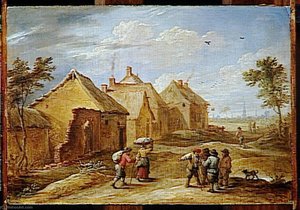
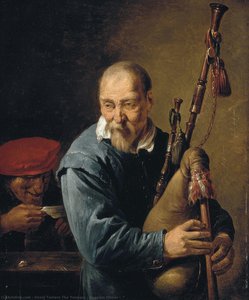
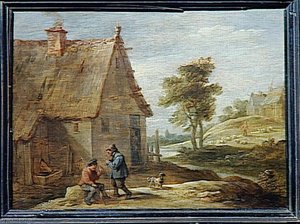
Artist Biography
A Legacy of Flemish Charm: The Life of Abraham Teniers
In the vibrant heart of seventeenth-century Antwerp, a period defined by the flourishing of the Flemish Baroque, Abraham Teniers emerged as a vital contributor to the rich tapestry of genre painting. Born in 1629 into one of the most prestigious artistic dynasties in Europe, his life was inextricably linked to the rhythms of the Guild of Saint Luke. As the son of the esteemed David Teniers the Elder and brother to the legendary David Teniers the Younger, Abraham was born into a world where the brush and the engraver's tool were the primary languages of expression. His early years in Antwerp, marked by his baptism on the first of March, 1629, laid the foundation for a career deeply rooted in the traditions of his kin, yet marked by a distinctively playful spirit.
The development of Abraham’s artistry was likely shaped within the very walls of his family studio. Under the tutelage of his father and older brother, he mastered the delicate nuances of capturing light, texture, and the boisterous energy of everyday life. By 1646, he had achieved the prestigious status of a wijnmeester—a master's son—within the Antwerp Guild of Saint Luke, signaling his formal acceptance into the professional elite. His technical prowess was not merely confined to the canvas; he was also an active publisher, ensuring that the visual narratives of his era reached a wider audience through printmaking.
The Playful Spirit of Genre and Singerie
While many artists of his era sought the grandeur of historical or religious epics, Abraham Teniers found his true calling in the intimate, often humorous, depictions of common life. His repertoire was characterized by a delightful variety of themes that captured the soul of the Flemish countryside and the lively atmosphere of urban taverns. He possessed a remarkable ability to breathe life into scenes of village festivities, where peasants could be seen dancing, playing music, or simply enjoying the fruits of their labor. These works often hummed with a sense of communal joy and rhythmic movement.
Perhaps his most enchanting contribution to the genre was his mastery of singerie—the whimsical "monkey scenes" that became a hallmark of his style. In these compositions, monkeys are depicted mimicking human behaviors, dressed in finery, drinking, or engaging in sophisticated social rituals. This satirical element allowed Teniers to explore themes of folly and human nature through a lens of playful mockery. Beyond the whimsy of primates, he also captured the earthy reality of inns and guardrooms, where the smoke of pipes and the clinking of mugs provided a sensory backdrop to the lives of soldiers and travelers alike.
Social Standing and Historical Significance
Abraham Teniers was much more than a painter; he was a prominent figure in the social fabric of Antwerp. His life was marked by civic duty and cultural engagement, serving as a captain of the local schutterij (civil militia) and participating actively in the 'Olyftack' chamber of rhetoric. This involvement in the intellectual and defensive life of his city mirrored the prestige of his family name. His talent even earned him recognition at the highest levels of power; like his brother, he found favor at the court in Brussels, notably under the patronage of Archduke Leopold Wilhelm of Austria, who appointed him as a court painter.
Though his life was relatively short, ending in 1670, the impact of his work remains etched in the history of Flemish art. His ability to blend the technical precision of the Teniers tradition with a unique sense of humor and social observation ensures his place in the canon of seventeenth-century masters. Today, his works serve as windows into a bygone era, offering a nostalgic and spirited glimpse into the customs, celebrations, and satirical reflections of the Flemish Golden Age.
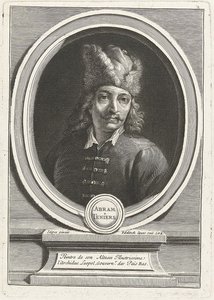
abraham teniers
1629 - 1670 , Belgium
Quick Facts
- Artistic Movement Or Style: Genre painting, Singerie
- Artists Who Influenced This Artist:
- David Teniers the Elder
- David Teniers the Younger
- Date Of Birth: March 1, 1629
- Date Of Death: 1670
- Full Name: Abraham Teniers
- Nationality: Flemish
- Place Of Birth: Antwerp, Belgium
Related Articles
David Teniers the Younger: Genre Painting & Social Commentary in Baroque Flanders
Explore the captivating world of David Teniers the Younger, a leading Flemish Baroque painter. Discover his genre scenes, social commentary, and lasting influence on 17th-century art. Learn about his life, techniques & legacy.

Golden Age Reflections: Dutch Baroque Painting & Cultural Innovation
Explore the Dutch Golden Age of painting! Discover key artists like Vermeer & ter Borch, their innovative techniques, and the rich cultural context behind these Baroque masterpieces. Learn about collecting & appreciating this iconic art period.

Dutch Baroque Masters: 10 Paintings That Shaped an Era | ArtsDot
Journey through the Golden Age with our guide to the Top 10 Dutch Baroque masterpieces! Explore iconic paintings by Rembrandt, Vermeer & Frans Hals. Find museum-quality art reproductions and elevate your home decor at ArtsDot.com.
David Teniers II: Master of Flemish Genre & Social Commentary
Explore the captivating world of David Teniers II, a leading Flemish Baroque painter renowned for his lively genre scenes & insightful social commentary. Discover his masterpieces and legacy with ArtsDot.
Adriaen Brouwer: Capturing Dutch Life & Social Commentary Through Genre Painting
Explore the captivating world of Adriaen Brouwer, a master of Dutch Golden Age genre painting. Discover his vivid depictions of peasant life, social commentary, and lasting influence on art history. Learn more at ArtsDot.