 Preview
 Send
Send Share
Share
 Details

 Download
 Similars
 X-Ray
X-Ray Diaporama
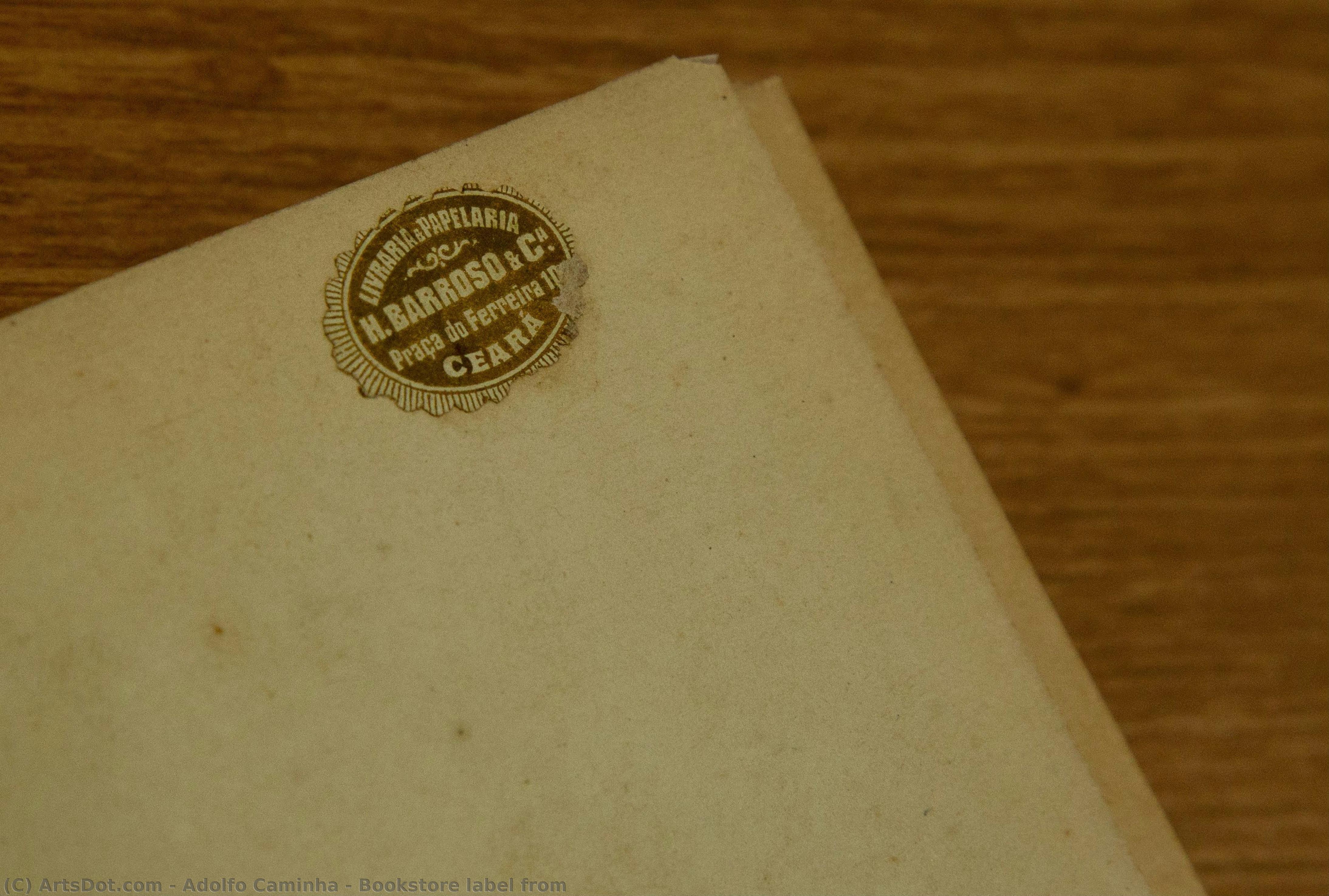
Bookstore label from


 Read More
Hand Made Oil Reproduction
Hand-painted oil on canvas in your size and frame, made to order by our artists. ( Buy Print Buy Image)




































Pick from our preset sizes that match the artwork's original proportions.

You may enter your own dimensions to fit a specific frame or space. If your selected size does not match the original image's proportions, we will either crop the artwork or extend the painting with additional hand-painted elements. A digital mockup will be sent for your approval before production begins.
Please note that the on-screen preview does not reflect the actual cropping or extension. Only the mockup will accurately show the final composition.
While custom sizes are available, we recommend selecting a dimension from the predefined list to preserve the original proportions.
After order, ArtsDot.com team will email client for instructions and provide a mockup preview
Worldwide Delivery () in 3/4 weeks instead of standard 5 weeks. (17 August). No compromise on quality.

Free Worldwide Express Shipping

High-Quality Linen Canvas

Full Shipping Insurance

Customs Tax Refund Guarantee

True Color Matching Guarantee

60-Day Return Policy (Defects Only)

100% Money-Back Guarantee

Bulk Discount Offer
 Glass option is only available in size under 110 CM

Bookstore label from
Reproduction Medium
Reproduction Size
-


Total Price
$ 263
Artwork Description
A Whisper from the Archives: The Soul of a Lost Era
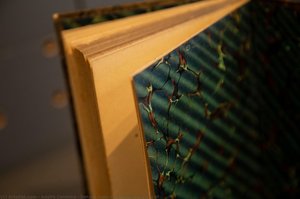
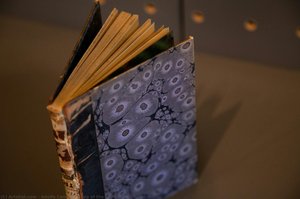
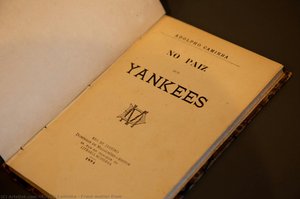
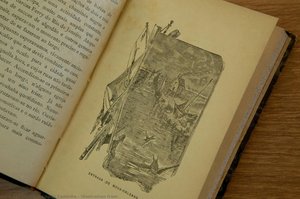
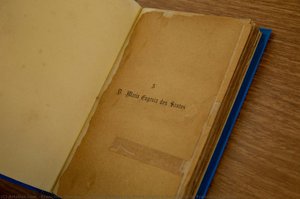
In the quiet corners of history, where the scent of aged paper meets the weight of forgotten memories, lies a fragment of a bygone era. This delicate bookstore label, dating back to 1894, serves as more than just a mere administrative mark; it is a tactile window into the intellectual landscape of late 19th-century Brazil. The piece captures a moment of profound stillness, focusing on a label that bears the prestigious imprint of the Biblioteca Pública Estadual do Ceará. As the eye wanders across the textured surface, one can almost feel the grain of the wooden shelf and the heavy, historical gravity of the tome it once adorned. It is an artifact of curation, representing a time when libraries were not just repositories of information, but sacred sanctuaries of culture and identity.
The aesthetic charm of this piece lies in its understated elegance and the soft, nostalgic atmosphere it evokes. The composition utilizes a shallow depth of field, allowing the intricate serif typography and the delicate floral flourishes at the corner to emerge from a dreamlike blur. This technique creates an intimate connection between the viewer and the object, pulling us into a close-up encounter with history. The subtle interplay of light and shadow across the book's spine suggests a candid, unposed moment—as if we have stumbled upon a hidden treasure in a sunlit study. For the collector or interior designer, this work offers a sense of "found beauty," bringing an air of scholarly sophistication and antique warmth to any curated space.
Beyond its visual allure, the label carries deep symbolic resonance. It speaks to the preservation of knowledge and the enduring legacy of Brazilian institutions. The presence of such a mark connects us to the literary pioneers of the era, including figures like Adolfo Caminha, whose life and works were deeply intertwined with the social and cultural currents of the time. To display a reproduction of this piece is to celebrate the concept of the archive—the idea that even the smallest fragment of paper can hold the echoes of an entire civilization. It serves as a poignant reminder of our shared human desire to document, categorize, and remember.
Integrating such a piece into a modern interior provides a grounding element of authenticity. Whether placed within a grand library setting or used as a subtle accent in a contemporary study, the label introduces a layer of narrative depth. It invites conversation about history, travel, and the romantic allure of the old world. For those seeking to decorate with intention, this artwork offers an unparalleled opportunity to infuse a room with character, elegance, and a profound sense of timelessness.
Related Artworks

Artist Biography
Adolfo Caminha: Life and Legacy
Adolfo Ferreira Caminha (born May 29, 1867, in Aracati, Brazil – died 1897) was a groundbreaking Brazilian naturalist novelist. Though his life was tragically short, he left an indelible mark on Latin American literature with his bold exploration of taboo subjects and unflinching portrayal of social realities.
Early Life and Education
Caminha’s early life was marked by hardship. He became orphaned at the age of ten and subsequently moved to Fortaleza to live with his uncle. In 1883, he relocated to Rio de Janeiro, where a relative enrolled him in naval school – an experience that would later inform some of his writing. Despite this formal education, Caminha’s true passion lay in literature.
Literary Beginnings and Journalism
Caminha began publishing his work early, releasing his first book, Voos Incertos (Uncertain Flights), in 1886. He also actively contributed to several prominent Brazilian journals – including Jornal do Commercio, Gazeta de Notícias, and O País – often writing under the pseudonym Félix Guanabarino. This journalistic work provided him with a platform to observe and critique Brazilian society.
The Rise of Naturalism and *Bom-Crioulo*
Caminha’s literary style aligned with the burgeoning naturalist movement, which sought to depict reality objectively and scientifically, often focusing on the darker aspects of human existence. His most famous work, *Bom-Crioulo* (Good Creole), published in 1895, is a pivotal novel in Brazilian literature. It fearlessly tackled themes of race, homosexuality, and social injustice – subjects considered highly controversial at the time.
Key Themes and Artistic Development
Caminha’s novels are characterized by:
- Naturalistic Realism: A commitment to portraying life as it is, without idealization or romanticism.
- Social Critique: An examination of the inequalities and hypocrisies within Brazilian society.
- Exploration of Sexuality: A groundbreaking depiction of same-sex desire in a literary context.
- Racial Dynamics: A nuanced portrayal of racial tensions and prejudices in Brazil.
Major Works
Beyond *Bom-Crioulo*, Caminha authored several other novels, including:
- A Normalista (The Teacher Training College Student)
- Cartas Literárias (Literary Letters)
- Tentação (Temptation)
Tragic End and Lasting Significance
Sadly, Adolfo Caminha’s life was cut short by tuberculosis. He died in 1897 at the young age of 29, leaving two novels unfinished. Despite his premature death, his work continues to be celebrated for its courage, honesty, and literary merit.
Historical Significance
Adolfo Caminha is recognized as a pioneer in Brazilian literature who challenged societal norms and paved the way for future generations of writers to explore complex and controversial themes. *Bom-Crioulo*, in particular, remains a landmark achievement – a bold and provocative novel that continues to resonate with readers today. His work offers valuable insights into the social and cultural landscape of 19th-century Brazil and its enduring struggles with race, sexuality, and inequality.
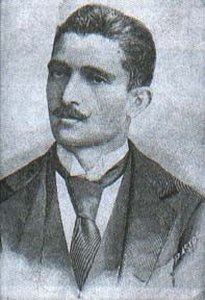
Adolfo Caminha
1867 - 1897 , Brazil
Quick Facts
- Birth Date: May 29, 1867
- Birth Place: Aracati, Brazil
- Death Date: 1897
- Movement: Naturalism
- Name: Adolfo Caminha
- Nationality: Brazilian
- Notable Works: Bom-Crioulo
Related Articles
Echoes of Time: Nostalgia, Technique & Cultural Significance in Vintage Paintings
Explore the captivating world of vintage paintings! Discover key styles, cultural significance & collecting tips from art experts at ArtsDot. Find authentic reproductions and elevate your home décor.
Echoes of Time: Exploring the Enduring Appeal of Vintage Artwork
Explore the captivating world of vintage art! Discover its history, enduring appeal, & how to build your own collection. Expert advice, custom reproductions & museum-quality prints at ArtsDot.

Echoes of Time: Exploring the Enduring Appeal & Historical Context of Vintage Art Prints
Explore the captivating world of vintage art prints! Discover their history, collecting tips & enduring appeal. Expert insights on chromolithography and building a legacy collection with ArtsDot.
Echoes of Eras Past: Exploring Themes & Techniques in Vintage Art Collections
Explore the captivating world of vintage art! Discover historical movements, iconic themes & collecting tips. Find handmade reproductions & expert appraisal at ArtsDot.
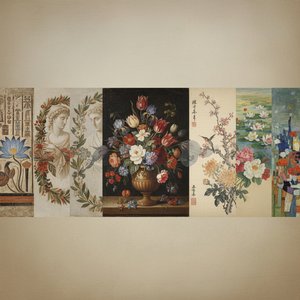
Blossoms of Time: A Historical & Aesthetic Exploration of Floral Painting Across Cultures
Explore the rich history of floral painting! Discover symbolism, techniques & masterpieces from Van Huysum to O'Keeffe. Expert insights for art lovers & collectors at ArtsDot.