

 Preview
 Send
Send Share
Share
 Details

 Download
 Similars
 X-Ray
X-Ray Diaporama
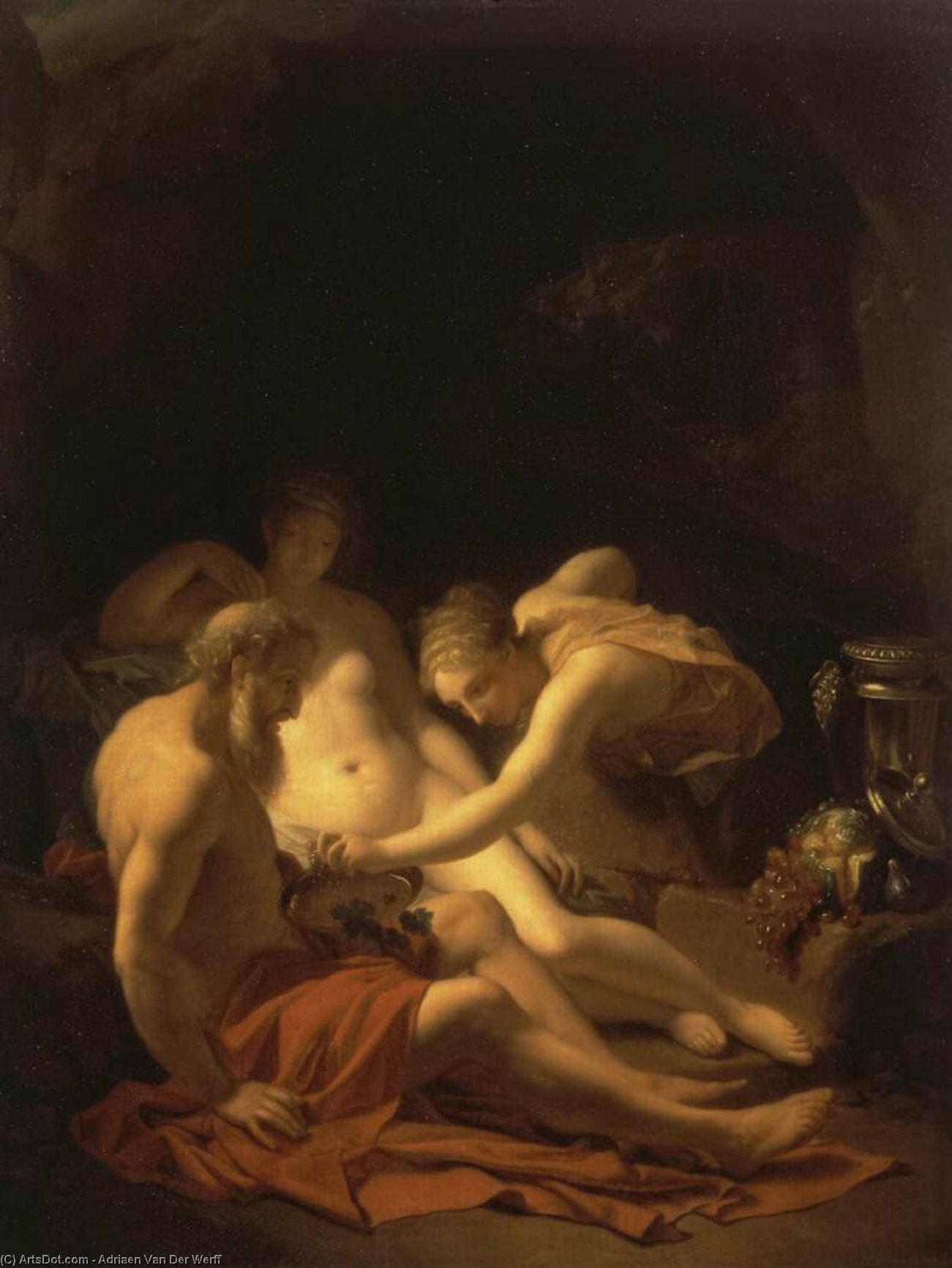
Lot and his Daughters
 Acrylic On Canvas
- WallArt
- Dutch Baroque
 1711
1711 45.0 x 35.0 cm
 Hermitage Museum
 Read More
Purchase a high-resolution, enhanced digital image, far superior to the online preview.
Each file is meticulously prepared by our in-house specialists using advanced tools and expert manual retouching. We ensure every image has exceptional clarity, precise color accuracy, and fine detail.
The final file is delivered via email within 72 hours, optimized for immediate use in professional, editorial, and print environments. This is the same quality trusted by top-tier design studios, publishers, and galleries.
Digital Image
Download a high-resolution file for personal display, printing, and creative projects. ( Buy Print Buy Hand Made Painting)
Included in Every Digital Image Order
Expert Digital Delivery, Guaranteed
When you choose ArtsDot.com, you're not just getting an image - you're receiving a professionally enhanced digital artwork, crafted with precision and backed by a satisfaction guarantee. Here's everything that comes with your order, automatically:

Fast Email Delivery
Your high-resolution digital image file will be emailed to you within 72 hours of ordering - ready for immediate use.

AI-Enhanced Digital File
Your artwork is professionally optimized using advanced AI tools and manual editing, ensuring maximum detail, clarity, and color accuracy.

Free Lifetime Re-Delivery
Accidentally deleted or lost your file? No worries - we'll resend it to you anytime, free of charge.

No Import Fees - Ever
Enjoy your artwork instantly with zero customs, duties, or delivery fees - digital downloads are always tax-free.

Color Accuracy Guarantee
We ensure your digital image reflects the original colors as closely as possible using professional tools and color management.

60-Day Satisfaction Guarantee
If you're not satisfied with your digital image, we'll revise it or refund 100% within 60 days - no questions asked.

100% Money-Back Guarantee
Not satisfied? Get a full refund within 60 days of receiving your digital file - no questions asked.

Bulk Order Discounts
Buy 3 images, save 10% - Buy 5, save 15% - Buy 10+, save 20%. Great for creative projects, galleries, and agencies.
Collectible Description
Lot and His Daughters: A Baroque Drama of Faith and Consequences
Adriaen van der Werff’s “Lot and His Daughters” (1711) transcends mere depiction; it embodies the very essence of Dutch Baroque painting—a breathtaking fusion of meticulous observation, dramatic lighting, and profound psychological insight. Housed within the esteemed Hermitage Museum in St. Petersburg, Russia, this oil on panel artwork remains a cornerstone of seventeenth-century artistic achievement. More than just a biblical narrative rendered visually, it’s an exploration of moral responsibility and familial devotion executed with unparalleled artistry.A Masterclass in Chiaroscuro Technique
Werff's genius lies primarily in his masterful manipulation of chiaroscuro—the dramatic interplay between light and shadow—a technique perfected during the Baroque period. He achieves this effect not merely through skillful brushwork but through a deep understanding of how light sculpts form and conveys emotion. The cavernous space depicted is bathed in an unsettling luminescence, highlighting Lot’s anguished posture and emphasizing the vulnerability of his daughters. This deliberate contrast amplifies the scene's tension and underscores its thematic core: the inescapable repercussions of transgression against divine law. Notice how Werff uses subtle gradations of tone to create a palpable sense of depth and realism—a hallmark of Baroque painting that distinguishes it from earlier styles.Symbolism Rooted in Biblical Narrative
The composition itself is laden with symbolic significance, reflecting the anxieties prevalent during the era. Lot, representing humanity’s moral failings, stands at the center, burdened by the consequences of his daughters' defiance – a deliberate allusion to Genesis 19 where Lot and his companions succumb to temptation and engage in incestuous acts. The daughters’ expressions convey both fear and determination, embodying the complexities of familial loyalty amidst ethical dilemmas. Their positioning—one supporting Lot’s arm, the other reaching towards him—represents the desperate plea for forgiveness and underscores the inescapable gravity of their actions. Furthermore, the dark cave setting symbolizes refuge from divine judgment but also serves as a visual metaphor for the inner turmoil experienced by Lot and his family.The Artist's Vision: Rembrandt's Influence
Werff’s style bears unmistakable traces of Rembrandt van Rijn—a titan whose influence extended throughout the Dutch artistic landscape. Like Rembrandt, Werff prioritized capturing human emotion with unflinching honesty, prioritizing psychological realism over idealized beauty. The smooth finish achieved through meticulous layering and blending speaks to a dedication to craftsmanship that rivals even Rembrandt's own unparalleled skill. This unwavering commitment to detail elevates “Lot and His Daughters” beyond mere visual representation; it invites contemplation on themes of faith, morality, and the enduring power of familial bonds—themes central to Baroque art’s broader philosophical agenda.A Legacy Enduring Through Reproduction
Today, a high-quality reproduction of “Lot and His Daughters” offers an opportunity to experience Werff's artistic brilliance firsthand. Explore more paintings by Adriaen Van Der Werff at /art/list/?Filter=adriaen+van+der+werff,adriaen,werff/, or delve deeper into his oeuvre with Painting by 'Adriaen Van Der Werff' | Adriaen Van Der Werff:Lot and his Daughters and Painting by 'Adriaen Van Der Werff' | Adriaen Van Der Werff:Self-Portrait.Related Artworks
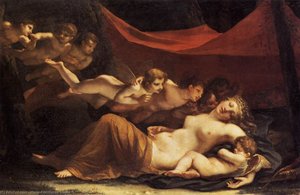
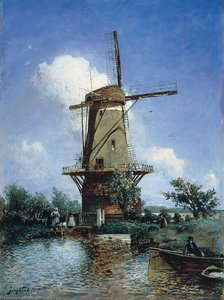
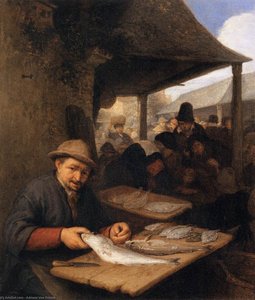
Artist Biography
The Master of Meticulous Grace: The Life of Adriaen van der Werff
In the grand tapestry of the Dutch Golden Age, few threads shine with as much polished brilliance as the work of Adriaen van der Werff. Born in The Hague in 1659, Van der Werff emerged from a lineage of artistic talent, the son of a painter, which provided him with an early and intimate introduction to the nuances of light and form. His formative years were shaped by the rigorous tutelage of Eglon van der Neer, a master of costume and drapery whose influence is still visible in the exquisite, silken textures that define Van der Werff’s later compositions. This early training instilled in him a devotion to precision, transforming his brush into an instrument capable of capturing the most delicate transitions of skin and fabric.
As his career progressed, Van der Werff moved beyond mere technical proficiency to achieve a level of psychological depth that captivated the European aristocracy. Alongside his brother and pupil, Pieter van der Werff, he established a formidable studio in Rotterdam. His ascent within the artistic community was marked by his leadership of the Saint Luke Guild, a position of immense prestige that allowed him to command the attention of the most influential patrons of the era. His work became a bridge between the rugged realism of earlier Dutch masters and the refined, elegant sensibilities of the burgeoning Rococo movement.
A Symphony of Light and Myth
The true magic of Van der Werff’s oeuvre lies in his ability to breathe life into the mythological and biblical narratives of antiquity. He did not merely illustrate stories; he staged them with a dramatic intensity that utilized chiaroscuro to evoke profound emotion. In works such as 'Lot and his Daughters', one can witness the masterful interplay of shadow and light, where every flicker of candlelight serves to heighten the tension and symbolic weight of the scene. His canvases often serve as windows into a world of classical elegance, where the human form is rendered with a porcelain-like perfection that feels both ethereal and tangibly present.
His technical repertoire was remarkably diverse, allowing him to navigate between different modes of portraiture and narrative painting:
- Mythological Grandeur: His depictions of gods and heroes often utilized monumental compositions to convey power and grace.
- Intimate Portraiture: In works like his 'Self-Portrait', he demonstrated an unflinching honesty, capturing the confidence and character of the subject through meticulous detail.
- Genre and Groupings: Pieces such as 'Children Playing before a Hercules Group' showcase his ability to blend domestic tenderness with the imposing presence of classical sculpture, creating a layered narrative of innocence meeting antiquity.
Legacy and Historical Significance
The reach of Adriaen van der Werff extended far beyond the borders of the Netherlands. His reputation as a "fine painter" earned him the patronage of the highest echelons of European royalty, including Johann Wilhelm, the Elector Palatine, and the illustrious Anna Maria Luisa de' Medici. The commission of monumental works for the Florentine court stands as a testament to his status as an international figure of the Baroque era. His ability to satisfy the sophisticated tastes of the Medici family solidified his legacy as an artist who could marry Northern precision with Southern elegance.
Ultimately, Van der Werff’s significance lies in his role as a transitional figure. He took the foundational elements of Dutch realism—the obsession with texture, light, and truth—and elevated them into a refined, courtly language that would influence the trajectory of 18th-century art. Though the era of the great Dutch Masters would eventually give way to new movements, the luminous, polished world created by Van der Werff remains an enduring monument to the heights of Baroque artistry.
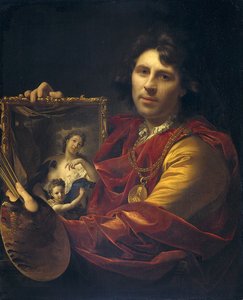
Adriaen van der Werff
1659 - 1722 , Netherlands
Quick Facts
- Artistic Movement Or Style: Baroque
- Artists Or Movements Influenced By This Artist: ['Dutch Masters']
- Artists Who Influenced This Artist: ['Eglon van der Neer']
- Date Of Birth: The Hague, Netherlands (1659)
- Date Of Death: 1722
- Full Name: Adriaen van der Werff
- Nationality: Dutch
- Notable Artworks:
- SAINTE MADELEINE MEDITANT DANS LA SOLITUDE
- ADAM ET EVE
- SARAH PRESENTE AGAR A ABRAHAM
- Place Of Birth: The Hague

