 Preview
 Send
Send Share
Share
 Details

 Download
 Similars
 X-Ray
X-Ray Diaporama
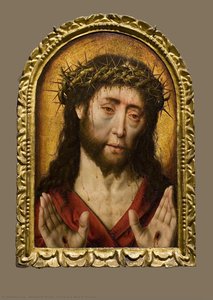
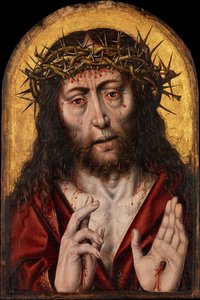
Christ as a Man of Sorrow
 Oil
Oil- WallArt
- Early Renaissance
 Renaissance
 55.0 x 41.0 cm
 Chrysler Museum of Art
 Read More
Hand Made Oil Reproduction
Hand-painted oil on canvas in your size and frame, made to order by our artists. ( Buy Print Buy Image)




P118B $10

P118H $10

P118W $10

P438Z $10

P508JH $12

P508YH $12

P805H $10

P805Z $10

P919BZ $10

P919G $10

P919XJ $10

P959ZH $10

P968JZ $12

W106C $8

W218G $10

W218JH $8

W218Y $10

W307PJ $10

W316G $10

W316PJ $8

W316Y $10

W398PJ $8

W4111J $10

W500HY $15

W500JH $15

W692G $12

W849H $8

W940BG $15

W953PJ $8




Pick from our preset sizes that match the artwork's original proportions.

You may enter your own dimensions to fit a specific frame or space. If your selected size does not match the original image's proportions, we will either crop the artwork or extend the painting with additional hand-painted elements. A digital mockup will be sent for your approval before production begins.
Please note that the on-screen preview does not reflect the actual cropping or extension. Only the mockup will accurately show the final composition.
While custom sizes are available, we recommend selecting a dimension from the predefined list to preserve the original proportions.
After order, ArtsDot.com team will email client for instructions and provide a mockup preview
Worldwide Delivery () in 3/4 weeks instead of standard 5 weeks. (31 August). No compromise on quality.

Free Worldwide Express Shipping

High-Quality Linen Canvas

Full Shipping Insurance

Customs Tax Refund Guarantee

True Color Matching Guarantee

60-Day Return Policy (Defects Only)

100% Money-Back Guarantee

Bulk Discount Offer
 Glass option is only available in size under 110 CM

Christ as a Man of Sorrow
Reproduction Medium
Reproduction Size
-


Total Price
$ 263
A Vision of Divine Suffering
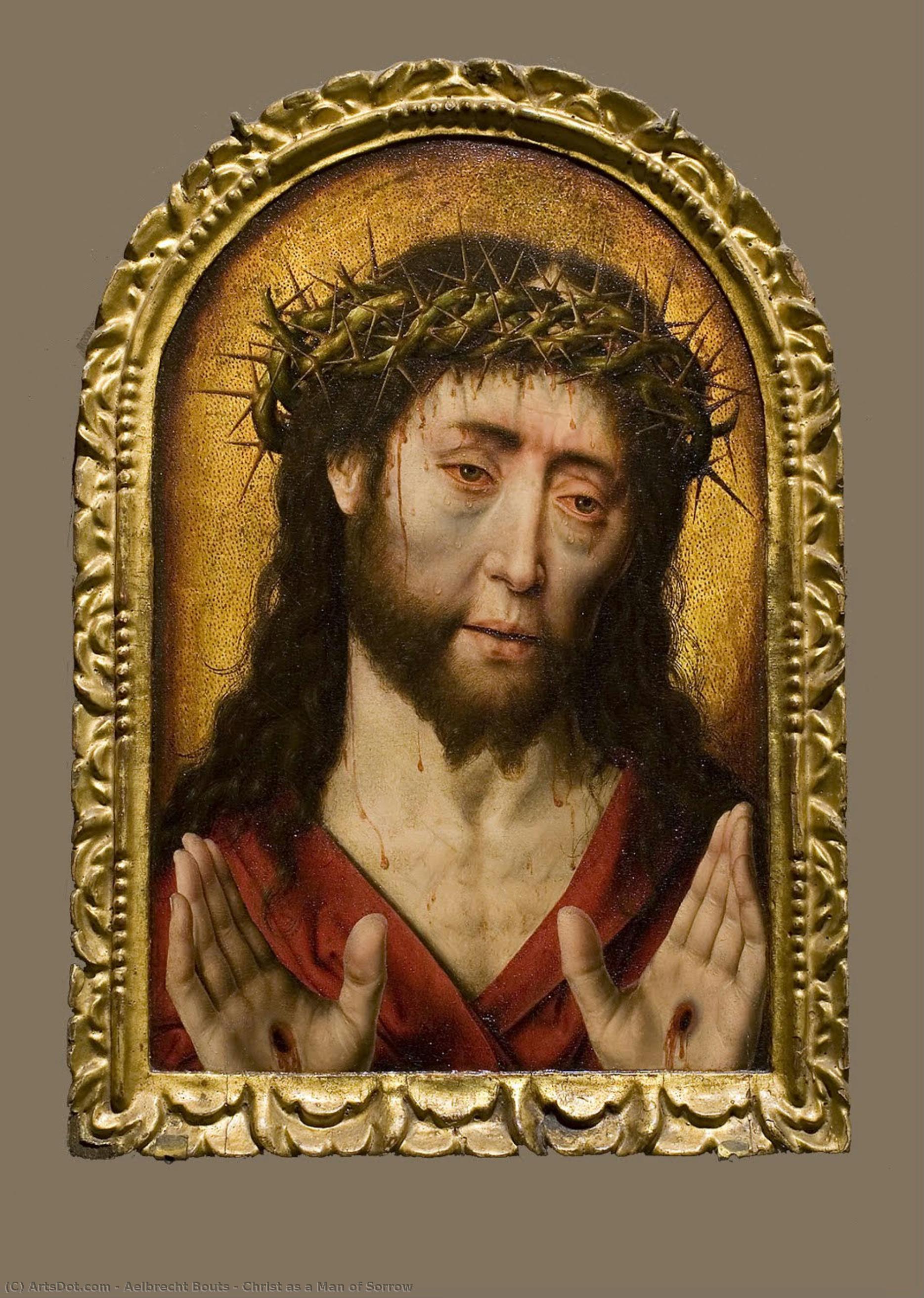
In the quiet intimacy of late fifteenth-century Flemish devotion, few images command the soul quite like Aelbrecht Bouts’ Christ as a Man of Sorrow. This profound close-up serves as more than just a portrait; it is a window into a moment of cosmic tragedy and spiritual transcendence. Originally conceived as part of a modest two-part altarpiece—paired with the sorrowing Mother of Christ, the Mater Dolorosa—this work was designed for the private chambers of the faithful. It invites the viewer into a deeply personal dialogue with the divine, focusing intently on the raw, human vulnerability of Jesus during his Passion. Through Bouts’ masterful hand, the historical reality of the crucifixion is elevated into an eternal, iconographic presence that continues to resonate with collectors and art enthusiasts today.
The composition is a masterclass in emotional restraint and symbolic depth. Bouts utilizes a striking gold ground, an abstract and luminous backdrop that strips away the distractions of time and geography. This gilded surface does not merely serve as a decorative element; it transforms the figure of Christ into a holy icon, lifting him out of the earthly realm and into a celestial space. Yet, even within this golden abstraction, the physical reality of suffering is inescapable. The artist meticulously depicts the crown of thorns pressing into the brow and the visible wounds upon his hands, ensuring that the viewer cannot look away from the cost of sacrifice. A particularly haunting detail is the presence of hundreds of tiny, blood-red dots scattered across the golden surface, an evocative technique that echoes the weeping wounds of Christ and creates a rhythmic, almost visceral connection between the figure and his environment.
The Mastery of Early Netherlandish Detail
Technically, the work exemplifies the pinnacle of the Early Netherlandish tradition. Aelbrecht Bouts, born into a prestigious lineage of painters in Leuven, inherited a profound sensitivity to detail that allowed him to manipulate light and texture with unparalleled precision. In this piece, his ability to render the subtle sheen of skin, the dampness of tears, and the sharp edges of the thorns creates a tactile experience for the observer. The interplay between the smooth, luminous flesh and the textured, patterned gold ground demonstrates a sophisticated command of contrast, making the subject appear to emerge from the very light itself.
For the discerning interior designer or art collector, a high-quality reproduction of this masterpiece offers an unparalleled opportunity to introduce a sense of historical gravity and contemplative peace into a space. Whether placed in a quiet study, a library, or as a focal point in a gallery-style living room, the painting’s rich palette of gold, crimson, and earthy tones provides a sophisticated anchor for classical or contemporary decor. It is an artwork that does not merely decorate a wall; it commands the atmosphere, inviting a moment of stillness and profound reflection in an increasingly hurried world.
Related Artworks
Artist Biography
Aelbrecht Bouts: A Master of Sorrow and Subtle Detail
Born around 1452 in Leuven, the heart of early Renaissance Flanders, Aelbrecht Bouts emerged as a significant figure within the vibrant artistic landscape of the late fifteenth century. His life was inextricably linked to his family’s legacy – he was the son of Dieric Bouts the Elder, a renowned painter already established by 1415, and brother to Dieric Bouts the Younger, a master known for his altarpieces. This familial connection undoubtedly shaped his artistic trajectory, yet Aelbrecht quickly forged his own distinctive style, one characterized by an intense emotionality and a remarkable sensitivity to detail that set him apart from his contemporaries.
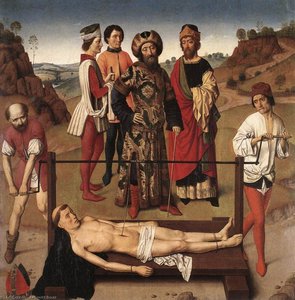
Leuven, at this time, was a thriving center of art and commerce, fueled by the wool trade and the patronage of wealthy merchants and religious institutions. Bouts’ early training likely involved apprenticeships within his father's workshop, absorbing the established techniques and stylistic conventions of the era. However, it wasn’t simply imitation; Aelbrecht demonstrated an innate ability to imbue his paintings with a profound sense of human experience – particularly themes of sorrow, loss, and spiritual contemplation. This is immediately evident in some of his most celebrated works, such as the poignant ‘Martyrdom of St. Erasmus,’ where the depiction of the saint’s suffering resonates with a quiet dignity that transcends mere representation.
The Development of a Unique Style
While initially influenced by his father's style – particularly in the meticulous rendering of drapery and the use of rich, earthy colors – Aelbrecht Bouts gradually developed a more personal and expressive approach. His paintings are distinguished by a heightened sense of drama, achieved through carefully orchestrated lighting effects and subtle shifts in color palette. Unlike some of his contemporaries who favored bold, flamboyant compositions, Bouts often opted for a more restrained aesthetic, prioritizing psychological depth over overt spectacle.
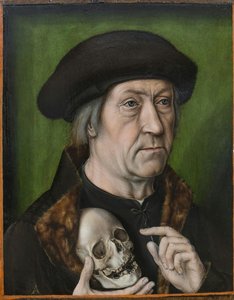
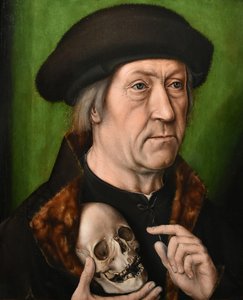
A key element of his distinctive style is the use of ‘subtlety’ – a term frequently applied to works from this period. This doesn't imply a lack of detail, but rather an ability to convey complex emotions and ideas through nuanced gestures, averted gazes, and carefully chosen symbolic elements. His self-portrait, featuring a skull resting on his lap, is a particularly striking example of this approach – a meditation on mortality rendered with understated elegance.
Major Works and Themes
Aelbrecht Bouts’ oeuvre comprises a relatively small number of paintings, yet each one reveals the depth of his artistic vision. The ‘Martyrdom of St. Erasmus,’ housed at the Noordbrabants Museum in 's-Hertogenbosch, is arguably his most famous work. It depicts the saint's final moments with agonizing realism, capturing not only the physical suffering but also the profound sense of despair and resignation that accompanies martyrdom. The ‘Prophet Elijah in the Desert,’ another significant painting, showcases Bouts’ mastery of atmospheric perspective and his ability to evoke a sense of isolation and spiritual yearning.
Beyond these iconic works, Bouts created numerous altarpieces, panels, and individual portraits, each reflecting his evolving artistic sensibilities. His religious scenes are particularly noteworthy for their emotional intensity and psychological insight – he wasn’t simply depicting biblical events; he was exploring the human condition itself.
Legacy and Historical Significance
Aelbrecht Bouts died in Leuven in 1549, leaving behind a legacy as one of the most important figures of the Early Netherlandish period. While his work was often overshadowed by the towering achievements of Jan van Eyck and Rogier van der Weyden, Bouts’ unique style – characterized by its emotional depth, subtle detail, and profound sense of human experience – has earned him considerable recognition in recent decades. His paintings offer a valuable window into the intellectual and spiritual climate of fifteenth-century Flanders, reflecting a growing interest in individual psychology and the complexities of faith.
His influence can be seen in subsequent generations of Flemish painters, particularly those who sought to capture the inner lives of their subjects with greater psychological realism. Aelbrecht Bouts’ enduring appeal lies not only in his technical skill but also in his ability to connect with viewers on a deeply emotional level – reminding us of our shared humanity and the inevitability of sorrow and loss.
aelbrecht bouts
1450 - 1549 , Netherlands
Quick Facts
- Artistic Movement Or Style: Early Netherlandish
- Artists Or Movements Influenced By This Artist: ['Dieric Bouts the Younger']
- Artists Who Influenced This Artist: ['Dieric Bouts the Elder']
- Date Of Birth: c.1452
- Date Of Death: March 1549
- Full Name: Aelbrecht Bouts
- Nationality: Flemish
- Notable Artworks:
- Martyrdom Of St Erasmus
- Prophet Elijah In The Desert
- Self portrait with a dead head
- Place Of Birth: Leuven, Netherlands
Related Articles

Giclée Prints: Archival Quality & Aesthetic Nuances for the Discerning Collector
Explore the world of giclée prints with ArtsDot. Learn about archival quality, aesthetic nuances & investment potential. Expert guidance for discerning art collectors seeking museum-quality reproductions and lasting value.

The Enduring Legacy of Fine Art Prints: Technique, History & Aesthetic Impact
Explore the rich history & techniques of fine art prints. Discover investment potential, assess authenticity, and learn how to preserve your collection with expert guidance. Trusted insights for discerning collectors.

Echoes of Time: Exploring the Enduring Appeal & Historical Context of Vintage Art Prints
Explore the captivating world of vintage art prints! Discover their history, collecting tips & enduring appeal. Expert insights on chromolithography and building a legacy collection with ArtsDot.

Fra Angelico's Masterpieces: 25 Renaissance Paintings for Your Home | ArtsDot
Explore 25 breathtaking masterpieces by Fra Angelico, a Renaissance master. Discover the stories behind his iconic frescoes, Annunciations & religious art. Find museum-quality reproductions and elevate your home decor with ArtsDot.com.
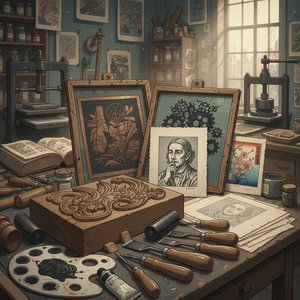
The Enduring Legacy of Printmaking: Techniques, Themes & Artistic Innovation Across Centuries
Explore the rich history of printmaking with ArtsDot. Discover techniques from intaglio to lithography, learn about collecting valuable prints & find museum-quality reproductions. Expert insights for art enthusiasts and collectors.