

 Preview
 Send
Send Share
Share
 Details

 Download
 Similars
 X-Ray
X-Ray Diaporama
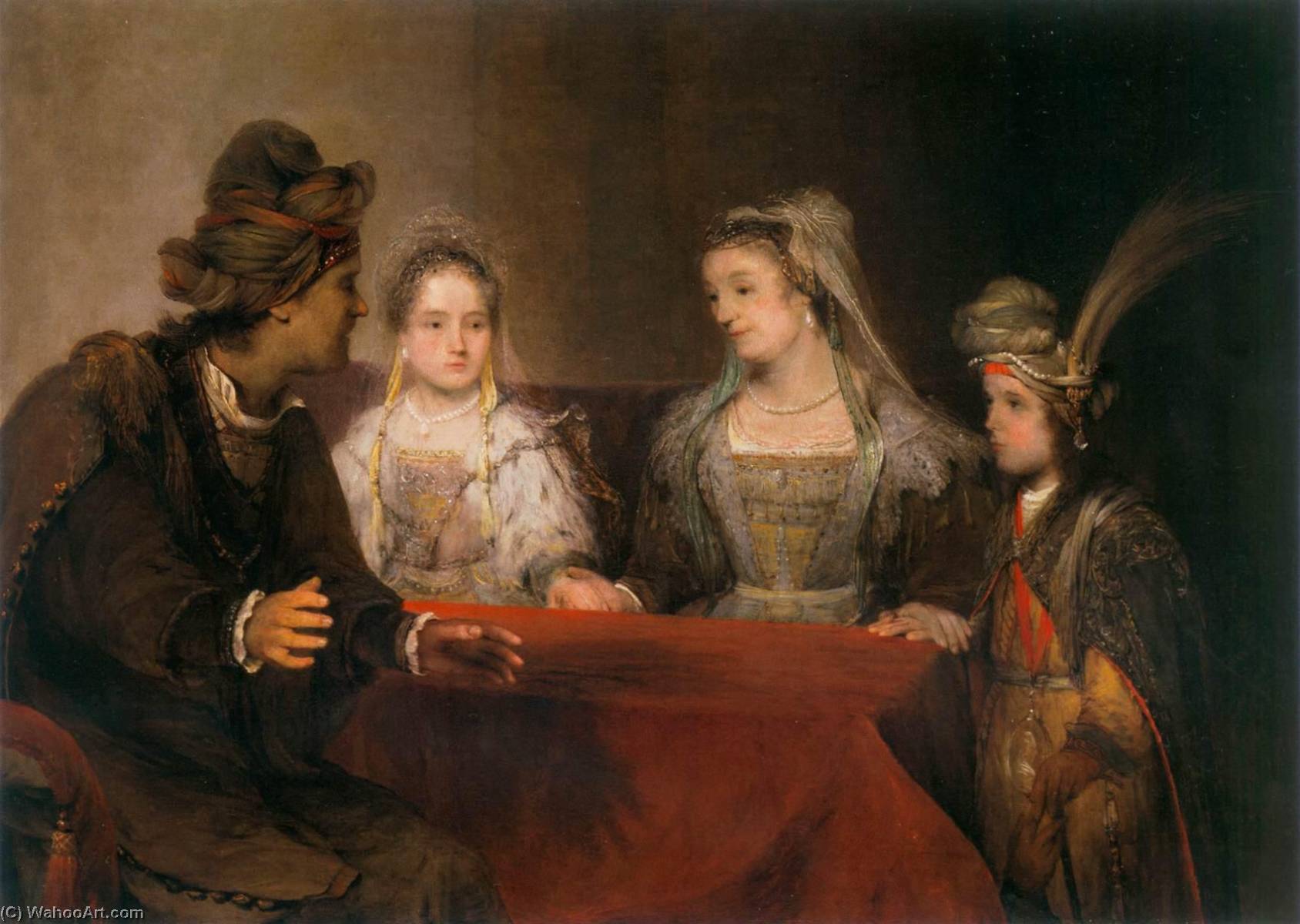
Tobias in the House of Edna and Raguel
 Oil
Oil- WallArt
- Baroque
 1690
1690- Early Modern
 113.0 x 154.0 cm
 The Leiden Collection
 Read More
Purchase a high-resolution, enhanced digital image, far superior to the online preview.
Each file is meticulously prepared by our in-house specialists using advanced tools and expert manual retouching. We ensure every image has exceptional clarity, precise color accuracy, and fine detail.
The final file is delivered via email within 72 hours, optimized for immediate use in professional, editorial, and print environments. This is the same quality trusted by top-tier design studios, publishers, and galleries.
Digital Image
Download a high-resolution file for personal display, printing, and creative projects. ( Buy Print Buy Hand Made Painting)
Included in Every Digital Image Order
Expert Digital Delivery, Guaranteed
When you choose ArtsDot.com, you're not just getting an image - you're receiving a professionally enhanced digital artwork, crafted with precision and backed by a satisfaction guarantee. Here's everything that comes with your order, automatically:

Fast Email Delivery
Your high-resolution digital image file will be emailed to you within 72 hours of ordering - ready for immediate use.

AI-Enhanced Digital File
Your artwork is professionally optimized using advanced AI tools and manual editing, ensuring maximum detail, clarity, and color accuracy.

Free Lifetime Re-Delivery
Accidentally deleted or lost your file? No worries - we'll resend it to you anytime, free of charge.

No Import Fees - Ever
Enjoy your artwork instantly with zero customs, duties, or delivery fees - digital downloads are always tax-free.

Color Accuracy Guarantee
We ensure your digital image reflects the original colors as closely as possible using professional tools and color management.

60-Day Satisfaction Guarantee
If you're not satisfied with your digital image, we'll revise it or refund 100% within 60 days - no questions asked.

100% Money-Back Guarantee
Not satisfied? Get a full refund within 60 days of receiving your digital file - no questions asked.

Bulk Order Discounts
Buy 3 images, save 10% - Buy 5, save 15% - Buy 10+, save 20%. Great for creative projects, galleries, and agencies.
A Masterpiece of Intimacy and Light
To encounter Aert de Gelder’s Tobias in the House of Edna and Raguel is to step directly into a moment of quiet, profound human connection. Painted around 1690, this evocative work transcends its biblical origins to present a scene of universal warmth and domestic grace. The composition centers on four figures gathered around a table, their lives momentarily suspended in a shared breath of conversation and companionship. Through the masterful use of light and shadow, De Gellamer invites the viewer not merely to observe a historical narrative, but to inhabit the very atmosphere of the room, feeling the weight of the silence and the soft glow of the flickering candlelight that seems to dance across the surfaces of bowls, cups, and spoons.
The painting serves as a breathtaking testament to the Dutch Golden Age's ability to find the divine within the mundane. While the subject matter draws from the Book of Tobit, the execution focuses on the tactile reality of the setting. We see the delicate texture of a turbaned man’s attire and the whimsical elegance of a woman adorned with a feather in her hair. The table, meticulously rendered with various vessels, acts as an anchor for the composition, grounding the spiritual significance of the gathering in a tangible, earthly reality. For the collector or interior designer, this piece offers a sophisticated interplay of textures and tones that can serve as a soulful centerpiece in any curated space.
The Legacy of the Rembrandt Spirit
Aert de Gelder was far more than a mere follower; he was the spiritual heir to Rembrandt van Rijn. Having trained in Rembrandt’s own studio, De Gelder infused his work with that master's signature chiaroscuro—the dramatic tension between deep, velvety shadows and piercing highlights. In Tobias in the House of Edna and Raguel, this technique is used to sculpt the figures out of the darkness, giving them a three-dimensional presence that feels almost startlingly real. The brushwork possesses a certain expressive freedom, a characteristic of De Gelder’s late style, where the paint itself seems to vibrate with life, capturing the fleeting essence of light hitting ceramic or fabric.
This mastery of light does more than provide visual depth; it directs the emotional narrative. The shadows do not merely represent absence of light, but rather a sense of mystery and intimacy, pulling the viewer closer to the private world of the subjects. For those seeking a high-quality reproduction, this painting offers an unparalleled opportunity to bring the dramatic, emotive power of 17th-century Dutch realism into a modern home. It is a work that demands contemplation, rewarding the eye with intricate details and the heart with a sense of timeless peace.
A Timeless Addition to the Collector's Gallery
Beyond its historical and technical brilliance, this artwork possesses a unique ability to harmonize with diverse interior aesthetics. Whether placed in a classic study lined with leather-bound books or used as a bold, dramatic statement in a contemporary minimalist setting, the painting’s rich palette of earth tones and deep ochres provides a sense of established grandeur. The composition's balance—the way the figures are distributed around the table—creates a rhythmic stability that is inherently soothing to the eye.
Owning a reproduction of such a significant piece allows for the preservation of this historical atmosphere within one's personal sanctuary. It is an investment in emotion and history, providing a window into a bygone era where every shadow told a story and every light held a prayer. As a focal point, Tobias in the House of Edna and Raguel does not just decorate a wall; it transforms a room into a gallery of profound human experience.
Related Artworks


Artist Biography
The Echo of a Master: Aert de Gelder's Devotion to the Rembrandt Spirit
To stand before the works of Aert de Gelder is to encounter an echo—a vibrant, passionate resonance of one of history’s greatest masters. Though his earthly journey was tragically brief, De Gelder carved out a significant niche in the annals of Dutch art, forever linked by devotion to the profound chiaroscuro and emotional depth of Rembrandt van Rijn. Born in Dordrecht around 1645, his life seems almost too short to encompass such an intense artistic output. Yet, within those fleeting years, he absorbed the very essence of a master’s technique, channeling it into a body of work that speaks volumes about human drama and spiritual fervor.
His training was not merely academic; it was an immersion. Studying in Rembrandt's own studio between 1661 and 1663 placed him at the epicenter of artistic innovation. This apprenticeship proved formative, allowing him to absorb not just brushstrokes, but a philosophy—a way of seeing the inherent drama in everyday moments and sacred narratives alike.
Mastering the Late Rembrandt Style
De Gelder’s signature style is inseparable from the late period brilliance of his mentor. It is a style characterized by an almost palpable emotional charge. His canvases do not simply depict scenes; they breathe them into existence, drawing the viewer into moments of profound contemplation or intense action. Whether tackling grand biblical narratives or intimate character studies, the human element remains paramount.
Consider the dramatic sweep of pieces like "The Baptism of Christ" or the charged tension captured in "Ahimelech Giving the Sword of Goliath to David." These works are not merely illustrations; they are meditations on faith and conflict. De Gelder possessed a remarkable gift for narrative storytelling, using light and shadow—that signature Rembrandtian technique—to guide the eye and deepen the emotional resonance of every figure.
His portraiture further attests to this mastery. In works such as "Esther and Mordecai" or his depiction of "King David," one senses not just likeness, but soul. He had an uncanny ability to convey the inner turmoil, quiet dignity, or triumphant spirit residing within his sitters.
Historical Significance and Legacy
Aert de Gelder’s career serves as a fascinating bridge in art history. His adherence to the emotionalism and narrative weight of the Dutch Golden Age masters allowed him to maintain a powerful connection to that era's zenith, even as artistic tastes began to shift toward the 18th century. He acted as a custodian of Rembrandt’s legacy, ensuring that his dramatic vocabulary remained vibrant.
His enduring significance lies in this continuation. He proved that one could build upon the monumental achievements of a master without simply mimicking them; rather, he internalized the spirit and adapted it. The fact that institutions like the Rijksmuseum house his pieces underscores his place within the canon of Dutch genius, solidifying his reputation alongside giants like Jan Lievens.
To view De Gelder’s art is to witness devotion made visible—a commitment to capturing the sublime drama inherent in the human condition, all filtered through the unforgettable lens of Rembrandt's unparalleled vision.

aert de gelder
1645 - 1645 , Netherlands
Quick Facts
- Artistic Movement Or Style: Rembrandt's late style
- Artists Who Influenced This Artist: ['rembrandt van rijn']
- Date Of Birth: 1645
- Date Of Death: 1645
- Full Name: aert de gelder
- Nationality: Dutch
- Notable Artworks:
- The baptism of christ
- King David
- Place Of Birth: Dordrecht, Netherlands

