 Send
Send Share
Share
 Details

 Download
 Similars
 Diaporama
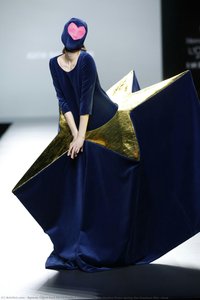
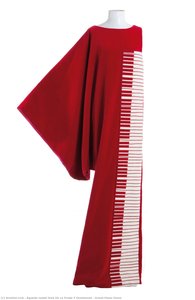
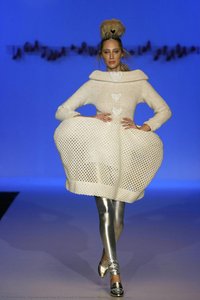
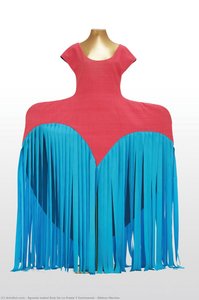
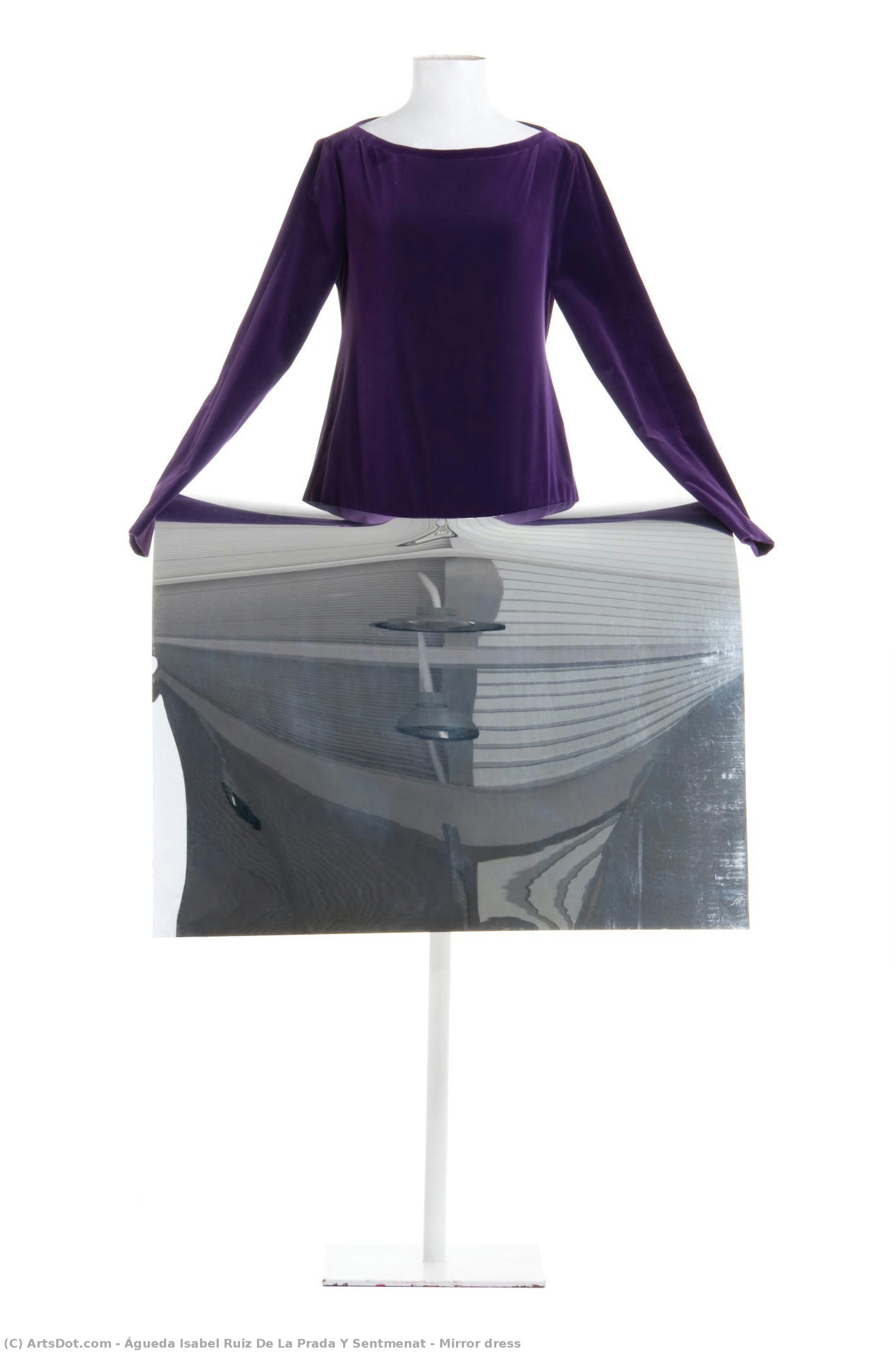
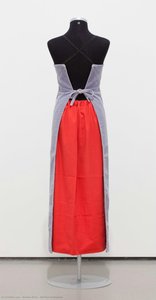
Mirror dress
 Mixed Materials
- Sculpture
- Contemporary Minimalism
 2003
2003- Contemporary
 Agatha Ruiz de la Prada Foundation
 Read More
Giclée / Art Print
Museum-quality giclée or canvas print with fast production and flexible finish options. ( Buy Hand Made Painting Buy Image)




































Pick from our preset sizes that match the artwork's original proportions.

You may enter your own dimensions to fit a specific frame or space. If your selected size does not match the original image's proportions, we will either crop the artwork or extend the image with a mirrored or solid-fill edge. A digital mockup will be sent for your approval before production begins.
Please note that the on-screen preview does not reflect the actual cropping or extension. Only the mockup will accurately show the final composition.
While custom sizes are available, we recommend selecting a dimension from the predefined list to preserve the original proportions.
Worldwide Delivery () in 2 weeks instead of standard 4/5 weeks. (23 August)

Free Worldwide Express Shipping

High-Quality Linen Canvas

Full Shipping Insurance

Customs Tax Refund Guarantee

True Color Matching Guarantee

60-Day Return Policy (Defects Only)

100% Money-Back Guarantee

Bulk Discount Offer
 Glass option is only available in size under 110 CM

Mirror dress
Giclée / Art Print
Reproduction Size
-


Total Price
$ 63
Collectible Description
A Kaleidoscope of Joy: Exploring Águeda Ruiz de la Prada’s “Mirror Dress”
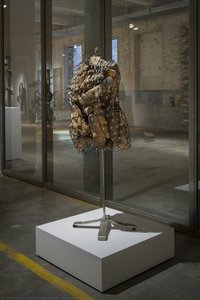
The City of Paris welcomed Agatha Ruiz de la Prada with an invitation to participate in a prestigious fashion show as part of the cultural initiatives planned for 2003. Amidst the glittering lights and fashionable attendees, one garment stood out – “Mirror Dress,” a creation that embodies Águeda Ruiz de la Prada’s distinctive artistic vision and continues to resonate with collectors and designers alike. This isn't merely clothing; it’s an exploration of perception, reflection, and the transformative power of color and texture.The Fabric of Illusion: Technique and Material Innovation
Ruiz de la Prada’s approach transcends traditional couture methods. “Mirror Dress” utilizes a masterful blend of cotton and metal – a daring combination that immediately grabs attention. The fabric itself is meticulously crafted with intricate patterns resembling mirrored surfaces, achieved through a complex printing process utilizing innovative techniques. This technique isn't simply about replicating visual motifs; it’s about manipulating light and creating an illusion of depth within the textile itself. The careful layering of cotton provides comfort and drape while the metallic accents introduce shimmer and sparkle, elevating the dress beyond mere ornamentation. It speaks to a desire for experimentation and pushing boundaries within the realm of fashion design.A Reflection of Artistic Influences: Warhol and Miró’s Legacy
Águeda Ruiz de la Prada's artistic journey began with an appreciation for the groundbreaking work of Andy Warhol and Joan Miró – artists who championed bold color palettes, playful repetition, and a rejection of academic conventions. Warhol’s silkscreen prints instilled in her a fascination with mass production and visual impact, while Miró’s surrealist landscapes fostered an interest in exploring subconscious imagery and dreamlike narratives. These influences permeate “Mirror Dress,” manifesting as vibrant hues reminiscent of Warhol's iconic prints and fragmented forms echoing Miró’s evocative compositions. The dress isn’t simply aesthetically pleasing; it’s a deliberate homage to two artistic titans who redefined the boundaries of visual art.Symbolism Beyond Surface Appearance
The mirrored pattern itself carries significant symbolic weight. Mirrors have long been associated with introspection, duality, and the exploration of identity – concepts central to Ruiz de la Prada's artistic philosophy. The dress encourages viewers to consider their own reflections, prompting contemplation on how we perceive ourselves and our surroundings. Furthermore, the repetition of geometric shapes contributes to a sense of rhythm and order amidst apparent chaos, mirroring Miró’s fascination with organic forms juxtaposed against abstract patterns. This duality reinforces the idea that beauty can be found in contradictions and that art should stimulate intellectual curiosity alongside emotional engagement.Emotional Resonance: Capturing Joyful Energy
Ultimately, “Mirror Dress” succeeds in conveying a palpable sense of joy – a characteristic hallmark of Ruiz de la Prada’s oeuvre. The dress's vibrant colors—primarily shades of purple—are known to evoke feelings of serenity and optimism. Combined with the tactile quality of the fabric and the mesmerizing shimmer of the metallic accents, it creates an immersive experience for the wearer and captivates observers alike. It embodies Ruiz de la Prada’s belief that fashion can be a vehicle for expressing emotion and celebrating life's pleasures. “Mirror Dress” isn’t just a garment; it’s a testament to the transformative power of art – a radiant reminder that beauty resides in embracing unexpected combinations and daring to challenge conventional notions of style.Related Artworks


Artist Biography
A Kaleidoscope of Joy: The World of Ágatha Ruiz de la Prada
Águeda Isabel Ruiz de la Prada y Sentmenat, known to the world as Ágatha Ruiz de la Prada, is more than a fashion designer; she’s an architect of happiness. Born in Madrid in 1960 into a family steeped in both aristocracy and artistic appreciation, her journey has been one of vibrant rebellion against convention, transforming the landscape of Spanish design with a playful spirit that continues to captivate globally. Growing up surrounded by art – her father was a collector boasting works by luminaries like Andy Warhol and Miró – instilled within young Ágatha an innate understanding of color, form, and the power of visual expression. This early exposure wasn’t about replicating masters but absorbing their audacity, their willingness to challenge norms, a seed that would blossom into her signature aesthetic. Initially aspiring to be a painter herself, she ultimately found her canvas in clothing, recognizing its potential for wearable art, for broadcasting joy directly onto the human form.From Madrid’s Movida to International Acclaim
Ágatha's entry into the fashion world was remarkably swift and impactful. In 1981, she launched her first women’s collection, a burst of color and whimsical designs that immediately resonated with a Spain undergoing its own cultural explosion – *La Movida Madrileña*. This post-Franco era saw a surge in artistic freedom and experimentation, and Ágatha became one of its most visible and exuberant proponents. Her early work wasn't about sleek sophistication; it was deliberately childlike, adorned with hearts, flowers, stars, and bold, unapologetic hues. A pivotal partnership with El Corte Inglés, the Spanish department store chain, catapulted her designs into mainstream consciousness, making them accessible to a wider audience and solidifying her position as a rising star. This wasn’t merely commercial success; it was a cultural moment, injecting a much-needed dose of optimism and playfulness into a society emerging from decades of restraint. Her expansion beyond clothing in 1991 – licensing her brand for everything from ceramics and toys to linens and makeup – demonstrated an astute business sense alongside her artistic vision, transforming “Ágatha Ruiz de la Prada” into a lifestyle empire spanning over 140 countries.Aristocratic Roots & Artistic Influences
The title of Marchioness of Castelldosríus and Baroness of Santa Pau, bestowed upon her in 2010 after a protracted legal battle with an uncle, adds another layer to the fascinating narrative of Ágatha’s life. While she embraces her aristocratic heritage, it has never defined her artistic output. Instead, it provides a unique perspective – a playful subversion of tradition. Her designs are often described as surrealist, and indeed, there's a clear lineage connecting her work to the dreamlike imagery of artists like Salvador Dalí and René Magritte. However, she also draws heavily from Pop Art, particularly the bold colors and graphic simplicity of Andy Warhol, whose influence is evident in her recurring motifs and playful appropriation of everyday objects. Beyond visual art, Ágatha cites a deep appreciation for music and performance, elements that contribute to the theatricality and energy of her fashion shows. She doesn’t simply present clothes; she creates experiences, immersive worlds where joy and imagination reign supreme.A Legacy of Color & Celebration
Ágatha Ruiz de la Prada's influence extends far beyond the realm of high fashion. She has dressed numerous celebrities, most notably Miley Cyrus, who embraced her designs with an enthusiasm that perfectly captured their spirit of playful rebellion. Her work is a celebration of individuality, encouraging people to embrace color and express themselves without reservation. The Agatha Ruiz de la Prada Foundation, established in Madrid, serves as a testament to her commitment to art and culture, showcasing her own creations alongside works by other artists who share her vision. She has collaborated with major brands like Mattel (designing a dress for Barbie) and Vorwerk (creating vibrant rug collections), demonstrating the versatility of her aesthetic and its appeal across diverse platforms. More than just a designer, Ágatha is a cultural icon, a symbol of optimism, creativity, and the enduring power of joy. Her designs aren’t simply garments; they are statements – declarations of individuality, celebrations of life, and reminders that fashion can be, above all else, *fun*.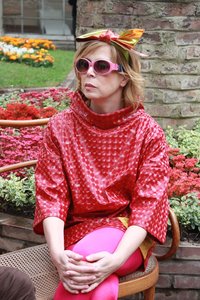
Águeda Isabel Ruiz de la Prada y Sentmenat
1960 - , Spain
Quick Facts
- Artistic Movement Or Style: Colorful fashion, Pop art
- Artists Who Influenced This Artist:
- Andy Warhol
- Miro
- Date Of Birth: July 22, 1960
- Full Name: Águeda Isabel Ruiz de la Prada
- Nationality: Spanish
- Notable Artworks:
- Sketches Greatest Hits
- Rooster
- Dress selection
- Place Of Birth: Madrid, Spain
Related Articles
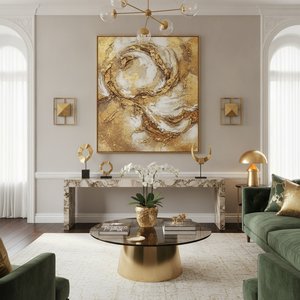
Golden Glow: How to Use Metallic Gold Artworks to Elevate Your Home Decor with Timeless Luxury
Discover how to elevate your home with the timeless elegance of metallic gold artworks. From sculptural metal pieces to gilded oil paintings, learn expert interior design tips for integrating luxurious gold accents into your space with sophistication and grace.
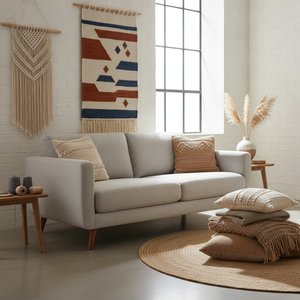
Woven Wonders: A Beginner's Guide to Elevating Your New Home with Timeless Textile Art
Discover how to transform your new home with the warmth of textile art. Our expert guide for newlyweds explores handwoven tapestries, tactile fibers, and timeless ways to curate a soulful, sophisticated interior through beautiful woven wonders.
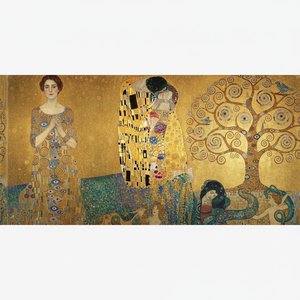
25 Klimt Masterpieces: A Journey Through Iconic Art & Decor
Delve into the world of Gustav Klimt with our top 25 masterpieces! Explore his iconic paintings – 'The Kiss,' 'Portrait of Adele,' and more. Discover museum-quality reproductions & curated decor ideas. Explore the full collection online at ArtsDot.com.

The Mirror Stage of Art History: Exploring Reflection & Identity in Painting
Explore the captivating history of reflection in art! Discover symbolism, technique & psychological depth in masterpieces from Renaissance self-portraits to modern works. Expert insights for discerning collectors.
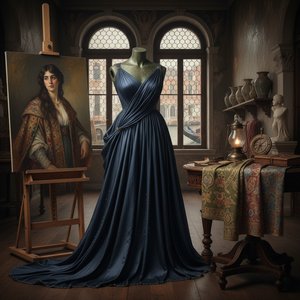
Mariano Fortuny: A Fusion of Art, Fashion & Design – Exploring a Venetian Innovator's Legacy
Explore the captivating world of Mariano Fortuny – artist, designer & innovator. Discover his revolutionary textiles, iconic Delphos gown, and lasting influence on art, fashion & interiors. A collector's guide to a Venetian master.