 Preview
 Send
Send Share
Share
 Details

 Download
 Similars
 X-Ray
X-Ray Diaporama
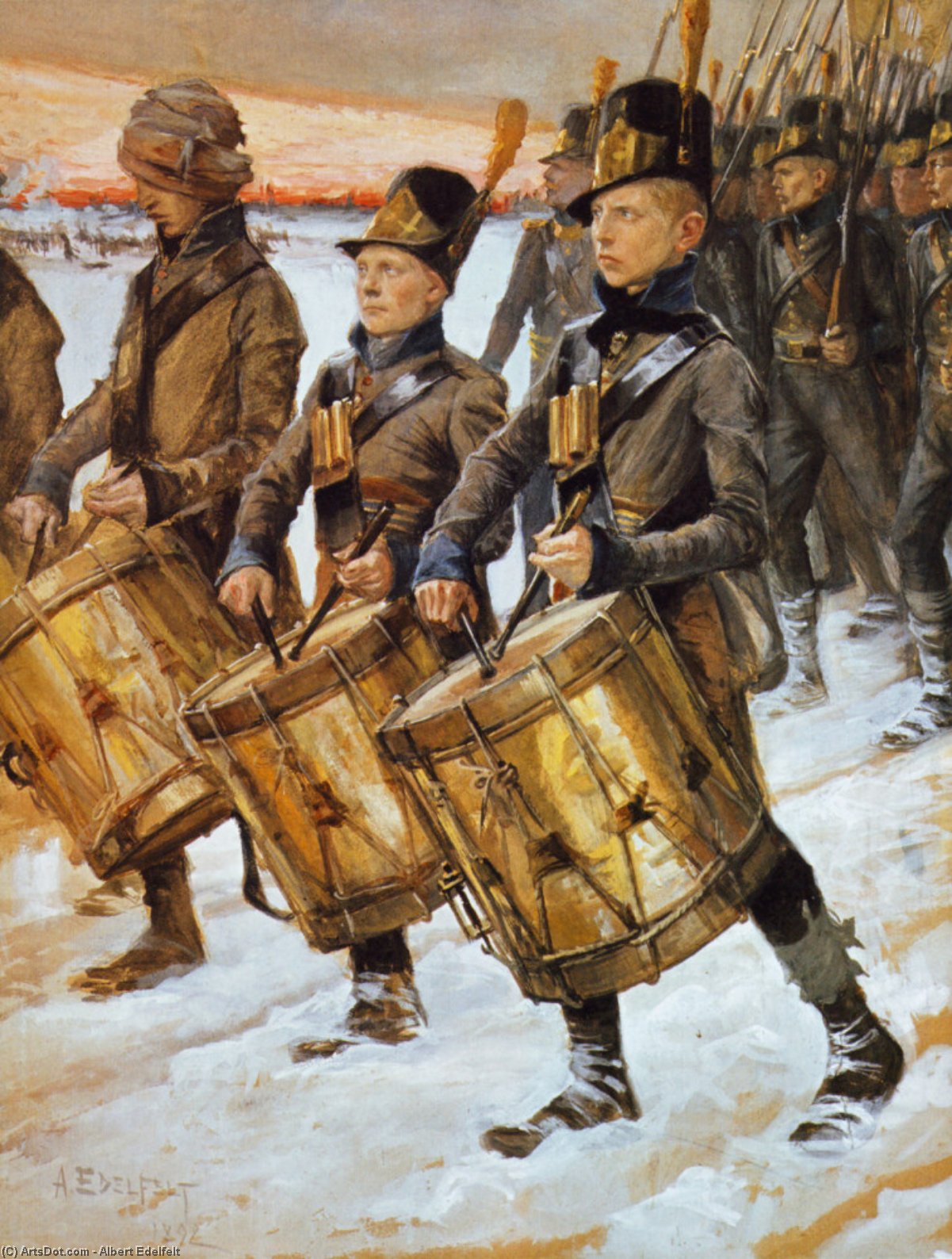
Porilaisten marssi

 Read More
Hand Made Oil Reproduction
Hand-painted oil on canvas in your size and frame, made to order by our artists. ( Buy Print Buy Image)




P118B $10

P118H $10

P118W $10

P438Z $10

P508JH $12

P508YH $12

P805H $10

P805Z $10

P919BZ $10

P919G $10

P919XJ $10

P959ZH $10

P968JZ $12

W106C $8

W218G $10

W218JH $8

W218Y $10

W307PJ $10

W316G $10

W316PJ $8

W316Y $10

W398PJ $8

W4111J $10

W500HY $15

W500JH $15

W692G $12

W849H $8

W940BG $15

W953PJ $8




Pick from our preset sizes that match the artwork's original proportions.

You may enter your own dimensions to fit a specific frame or space. If your selected size does not match the original image's proportions, we will either crop the artwork or extend the painting with additional hand-painted elements. A digital mockup will be sent for your approval before production begins.
Please note that the on-screen preview does not reflect the actual cropping or extension. Only the mockup will accurately show the final composition.
While custom sizes are available, we recommend selecting a dimension from the predefined list to preserve the original proportions.
After order, ArtsDot.com team will email client for instructions and provide a mockup preview
Worldwide Delivery () in 3/4 weeks instead of standard 5 weeks. (16 August). No compromise on quality.

Free Worldwide Express Shipping

High-Quality Linen Canvas

Full Shipping Insurance

Customs Tax Refund Guarantee

True Color Matching Guarantee

60-Day Return Policy (Defects Only)

100% Money-Back Guarantee

Bulk Discount Offer
 Glass option is only available in size under 110 CM

Porilaisten marssi
Reproduction Medium
Reproduction Size
-


Total Price
$ 263
Artwork Description
A Chronicle of Resilience: Exploring Albert Edelfelt’s “March of the Björneborg Regiment”
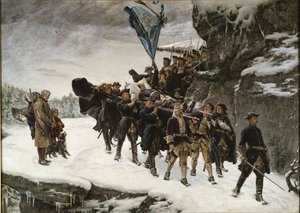
The painting "March of the Björneborg Regiment," executed by Albert Edelfelt in 1890, stands as a testament to Finnish national identity and artistic ambition during the late nineteenth century. More than just a depiction of military procession, it embodies a profound yearning for unity amidst turbulent times—a sentiment deeply rooted in Finland’s struggle for independence from Russia. This evocative artwork resides within the Ateneum collection in Helsinki, offering visitors an unparalleled glimpse into Edelfelt's masterful technique and his artistic vision.Style and Technique: Gouache on Canvas – A Blend of Impressionism and Academic Precision
Edelfelt employed gouache paint—a medium known for its opacity and luminous qualities—on a canvas to achieve remarkable tonal depth and textural richness. Unlike oil paints, which require lengthy drying times, gouache dries quickly, allowing Edelfelt to capture fleeting moments with impressive speed while maintaining exceptional color fidelity. The artist’s brushstrokes are deliberately blended, reflecting the influence of Impressionism's emphasis on capturing atmospheric effects—particularly evident in the hazy snowscape that dominates the composition. However, Edelfelt skillfully integrates academic principles of perspective and anatomical accuracy, demonstrating a commitment to classical artistic standards alongside modernist experimentation.Historical Context: Finland’s Quest for Sovereignty Amidst Imperial Ambivalence
“March of the Björneborg Regiment” emerged during a pivotal period in Finnish history—the “Finnish Autumn” of 1890. Following the assassination attempt against Tsar Alexander II, fueled by nationalist fervor, Finland experienced a surge of patriotic sentiment and calls for greater autonomy. The Björneborg Regiment, representing Finland’s military prowess, marched through Helsinki to commemorate the anniversary of Finnish independence—a symbolic gesture intended to bolster morale and reaffirm national resolve. Edelfelt's painting served as both an artistic celebration and a visual chronicle of this momentous occasion.Symbolism: Unity Through Movement – The Horse Riders and Drummers Embodied National Spirit
The composition is laden with symbolism that transcends mere representation. The prominent horse riders—positioned on the left and center—represent leadership and unwavering determination, mirroring Finland’s aspirations for strength and stability. Their rhythmic movement underscores the importance of collective action in achieving national goals. Equally significant are the drummers who accompany the marchers; their drums symbolize courage and resilience—qualities deemed essential for overcoming adversity. The snow-covered landscape serves as a backdrop that emphasizes the harsh realities faced by Finland during its struggle for freedom, yet simultaneously conveys a sense of perseverance and unwavering faith in the future.Emotional Impact: Capturing the Soul of Nationalism – A Painting That Inspires Reflection
“March of the Björneborg Regiment” transcends its historical subject matter to elicit profound emotional responses from viewers. Edelfelt’s masterful use of color—particularly the muted blues and whites—creates an atmosphere of solemn grandeur, conveying a palpable sense of pride and patriotism. The artist's meticulous attention to detail captures not only the visual splendor of the procession but also the underlying spirit of national unity—a sentiment that continues to resonate with audiences today. It is a painting that invites contemplation on themes of courage, resilience, and the enduring power of collective aspiration—a timeless masterpiece celebrating Finland’s unwavering commitment to its heritage and its vision for a brighter tomorrow.Related Artworks
Artist Biography
early life and education
albert gustaf aristides edelfelt, a renowned finnish painter, was born on july 21, 1854, in porvoo, finland. his parents, carl albert edelfelt and alexandra edelfelt (née brandt), were swedish-speaking finns. edelfelt's early life was marked by an innate passion for art, which led him to pursue formal studies at the drawing school of the finnish art society in 1869.artistic journey
edelfelt's artistic journey took him to various esteemed institutions, including:- antwerp academy of art (1873-74), where he honed his skills in history painting.
- école nationale des beaux-arts in paris (1874-78), under the tutelage of jean-léon gérôme, further refining his craft.
- a brief stint at saint petersburg (1881-82) exposed him to diverse artistic influences.
rise to prominence and notable works
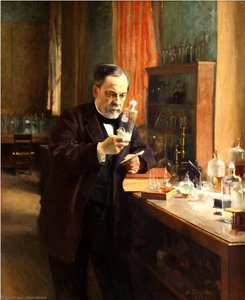
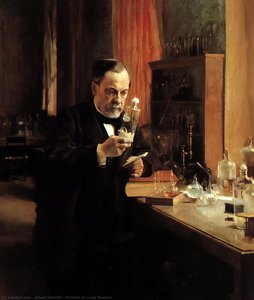
edelfelt's breakthrough came with a gold medal at the paris universal exposition of 1889. his notable works include:- portrait of louis pasteur, which earned him the legion of honour in 1886.
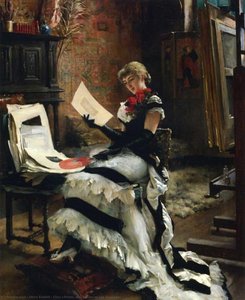
- young woman in her boudoir, showcasing his mastery of capturing the essence of femininity.
- under the birches, a poignant representation of finnish landscapes.
legacy and impact
as one of the first finnish artists to achieve international fame, edelfelt significantly contributed to the realist art movement in finland. his influence extended to younger finnish painters, such as akseli gallen-kallela and gunnar berndtson, whom he assisted in their breakthroughs in paris.museum collections and commemoration
edelfelt's works are featured in various museums, including the ateneumin taidemuseo in helsinki. his legacy was commemorated with a €100 albert edelfelt commemorative coin in 2004, celebrating his 150th birth anniversary. key artworks and museum collections: discover more:
Albert Edelfelt
1854 - 1905 , Finland
Quick Facts
- Artistic Movement Or Style: Realist
- Artists Or Movements Influenced By This Artist:
- Akseli Gallen-Kallela
- Gunnar Berndtson
- Artists Who Influenced This Artist: ['Jean-Léon Gérôme']
- Date Of Birth: July 21, 1854
- Date Of Death: 1905
- Full Name: Albert Gustaf Aristides Edelfelt
- Nationality: Finnish
- Notable Artworks:
- Portrait of Louis Pasteur
- Young woman in her boudoir
- Under the birches
- Girl from Porvoo
- Place Of Birth: Porvoo, Finland
Related Articles
Albert Edelfelt: A Pioneer of Finnish Realism & International Impressionist Circles
Explore the life & work of Albert Edelfelt, a pioneering Finnish Realist painter who bridged Impressionism & national identity. Discover his masterpieces and lasting influence on art history.
Discover Gouache: The Expert Guide to the Vibrant, Opaque Secret of Masterful Artistry
Master the vibrant world of gouache with our expert guide. Discover the unique opacity and matte brilliance that sets this medium apart from watercolor, perfect for collectors seeking bold, impactful art to elevate their home decor.
Akseli Gallen-Kallela: Shaping Finnish Identity Through National Romanticism & Symbolism
Explore the captivating world of Akseli Gallen-Kallela, Finland's iconic National Romantic painter. Discover his symbolic landscapes, Kalevala illustrations & lasting impact on Finnish identity. Expert analysis & high-quality reproductions at ArtsDot.
Albert Charles Lebourg: A Study in Atmospheric Impressionism & Rural France
Explore the serene landscapes of Albert Charles Lebourg, a master of the Rouen School Impressionists. Discover his atmospheric paintings of the Seine and enduring legacy in 19th-century French art.
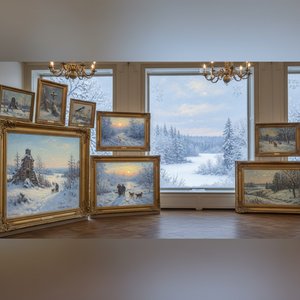
Snowy Masterpieces: 10 Famous Paintings & Art for a Winter Aesthetic
Explore 10 famous snow paintings by Monet, Degas & more! Discover the stories behind these serene winter landscapes and iconic artworks. Find museum-quality art reproductions for your home at ArtsDot.com.