The Essence of Gouache: Understanding the Opaque Power of Body Color
GouacheGouache (; French: [ɡwaʃ]), body color, or opaque watercolor is a water-medium paint consisting of natural pigment, water, a binding agent (usually gum arabic or dextrin), and sometimes additional inert material. Gouache is designed to be opaque. Gou...
To step into the world of gouache is to discover a medium that possesses a unique, commanding presence on the page. Often referred to as
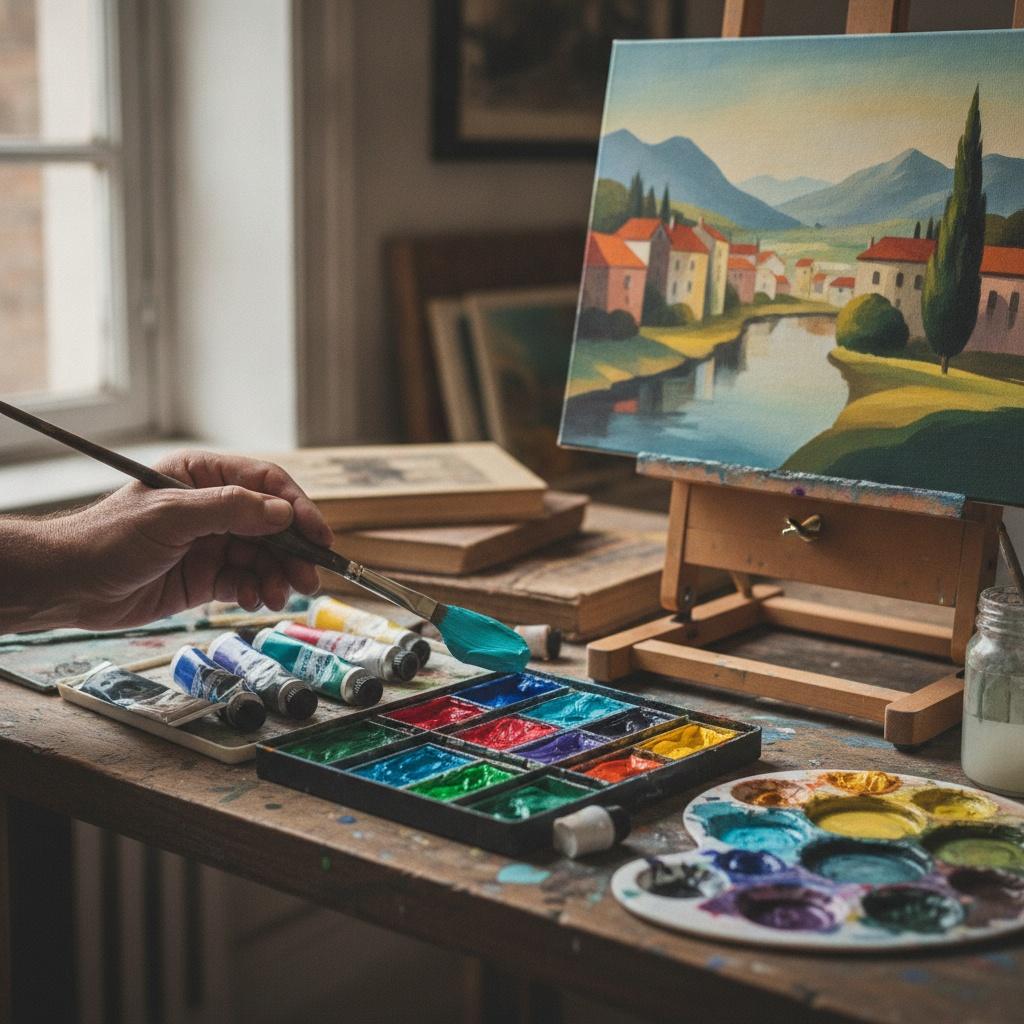
body color, gouache offers a richness that feels both substantial and ethereal. Unlike many water-based mediums that rely on the delicate translucency of light passing through thin layers, gouache is defined by its remarkable opacity. It is a paint composed of natural pigments, a water medium, and a binding agent—tradently gum arabic—but with a crucial distinction: it contains additional inert materials or fillers like chalk. This extra "body" allows the artist to lay down pigment that completely hides the surface beneath, creating a velvety, matte finish that captures light without reflecting it back in a glare.
When you observe a true gouache masterpiece, you are witnessing a dance of solid color and intense saturation. Because the particles are typically larger and the ratio of pigment to binder is much higher than in traditional watercolor, the colors do not merely tint the paper; they sit upon it with a confident, sculptural weight. This characteristic makes gouache an extraordinary tool for those who appreciate art that feels grounded and certain. It provides a level of coverage that allows for bold, graphic shapes and deep, uninterrupted tones, making it a favorite for creators who wish to communicate with clarity and impact.
Gouache vs. Watercolor: Navigating Transparency and Opacity in Your Collection
 Watercolor painting
Watercolor (American English) or watercolour (Commonwealth English; see spelling differences), also aquarelle (French: [akwaʁɛl]; from Italian diminutive of Latin aqua 'water'), is a painting method in which the paints are made of pigments suspended ...
For the burgeoning collector, distinguishing between watercolor and gouache is essential to understanding the soul of a piece. At first glance, they may appear as siblings, sharing a common lineage and a water-based DNA. Both can be rewetted, both interact beautifully with paper supports, and both offer a certain spontaneity. However, the fundamental difference lies in how they treat light. Watercolor is a medium of
transparency; it relies on the white of the paper to shine through delicate washes, creating a luminous, atmospheric effect that feels like captured sunlight. It is a medium of whispers and subtle transitions.
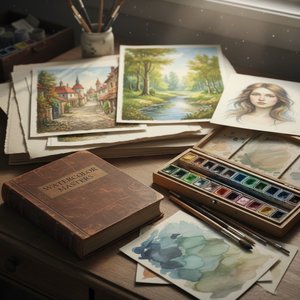
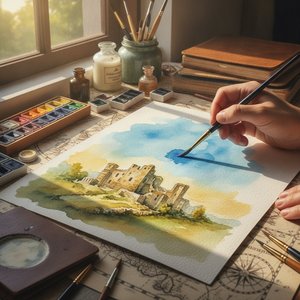
Gouache, by contrast, is a medium of statements. While watercolor invites the eye to peer into the depths of the paper, gouache commands the eye to focus on the surface itself. Because it can be made so opaque, an artist can paint light colors directly over dark ones—a feat nearly impossible in traditional watercolor without heavy masking. This allows for a much more direct and layered painting style, similar to the approach used in oils or acrylics. For a collector, choosing between these two means deciding whether you want your space to feel filled with the airy, ephemeral glow of watercolor or the bold, saturated, and matte elegance of gouache.
A Rich Heritage: From Historical Illustrations to Modern Design Masterpieces
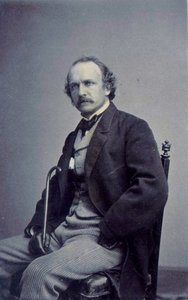 Felix Octavius Carr Darley
Felix Octavius Carr Darley: The Pioneer of American Illustration Felix Octavius Carr Darley (1822-1888) stands as a pivotal figure in the history of American art, not merely for his prolific output but for his role in establishing illustration as a r...
The history of gouache is as enduring as the pigments that compose it, stretching back at least twelve centuries. While its roots are intertwined with the evolution of water-based painting, it found a specialized niche in the worlds of commerce and documentation. For generations, gouache has been the secret weapon of illustrators, poster artists, and comic creators. Its ability to produce flat, vibrant areas of color made it the perfect medium for the burgeoning print industry, allowing for designs that were both visually striking and reproducible.
Beyond the realm of commercial art, gouache has graced the annals of history through exquisite botanical illustrations and scientific studies. It provided a level of precision and color fidelity that was necessary to document the natural world with accuracy. As we move into the modern era, this legacy continues to evolve. Today, the medium is celebrated in contemporary design and fine art alike, bridging the gap between the meticulous detail of historical manuscripts and the bold, graphic sensibilities of modern pop culture. To collect gouache-style works is to hold a piece of a tradition that has moved seamlessly from ancient scrolls to the vibrant posters of the twentieth century.
Texture and Technique: How Gouache Defines Visual Depth and Matte Brilliance
 Painting
Painting is a visual art, characterized by the practice of applying paint, pigment, color, or other medium to a solid surface. The medium is commonly applied to the base with a brush. Other implements, such as palette knives, sponges, airbrushes, the...
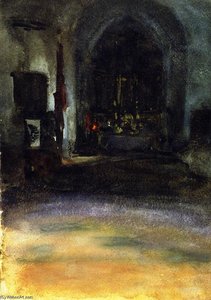
The magic of gouache lies in its technical versatility, offering a range of textures that can transform a simple composition into a multidimensional experience. Because the paint dries to a characteristic matte finish, it lacks the glossy sheen often found in oils or acrylics. This lack of reflection is precisely what gives gouache its depth; without the distraction of glare, the viewer can focus entirely on the subtle shifts in value and the richness of the pigment. An artist can use thin, watery washes to create soft gradients, or apply the paint thickly to achieve a more opaque, almost sculptural effect.
One of the most fascinating aspects of working with gouache is its "color shift" during the drying process. It is a known quirk among masters that lighter tones often dry darker, while darker tones may appear slightly lighter. This requires a profound level of skill and intuition, as the artist must anticipate how the final, dried work will look compared to the wet application. When executed with mastery, this technique results in a surface that feels incredibly tactile and visually complex, offering a matte brilliance that brings a sophisticated, modern edge to any interior setting.
Curating with Color: Integrating Gouache-Style Vibrancy into Your Home Decor
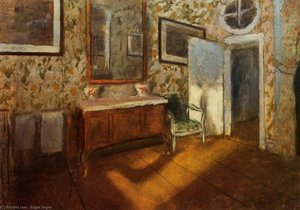
Integrating art inspired by gouache into your home is an exercise in intentional design. Because this medium excels at presenting bold, saturated color blocks and clean, graphic lines, it is a perfect choice for creating focal points in a room. For the decorator looking to add a sense of modern sophistication, a gouache-style piece can act as an anchor, providing a pop of color that feels substantial rather than fleeting. Its matte quality makes it particularly well-suited for contemporary, minimalist, or mid-century modern interiors, where texture and color are used to create warmth without clutter.
When selecting pieces for your collection, consider the mood you wish to evoke. A series of gouache-style prints in soft, muted tones can bring a sense of calm and stability to a bedroom or study, while more vibrant, high-contrast works can energize a living area or entryway. Much like the way we use textiles or architectural elements, art inspired by the opaque beauty of gouache allows you to layer color and "weight" into your space. It is about finding that perfect balance between the lightness of the atmosphere and the strength of the pigment, creating a home that feels curated, meaningful, and deeply personal.
At
ArtsDot.com, we believe that every home deserves the beauty of fine art. Whether you are looking to discover the delicate charm of a watercolor reproduction or the bold, commanding presence of an opaque gouache-style piece, our collection is designed to inspire your journey of discovery. From custom hand-painted oil reproductions to high-quality prints that bring museum-grade aesthetics into your living space, we make finding your next masterpiece an effortless and joyful experience.