 Preview
 Send
Send Share
Share
 Details

 Download
 Similars
 X-Ray
X-Ray Diaporama
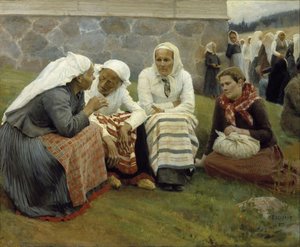
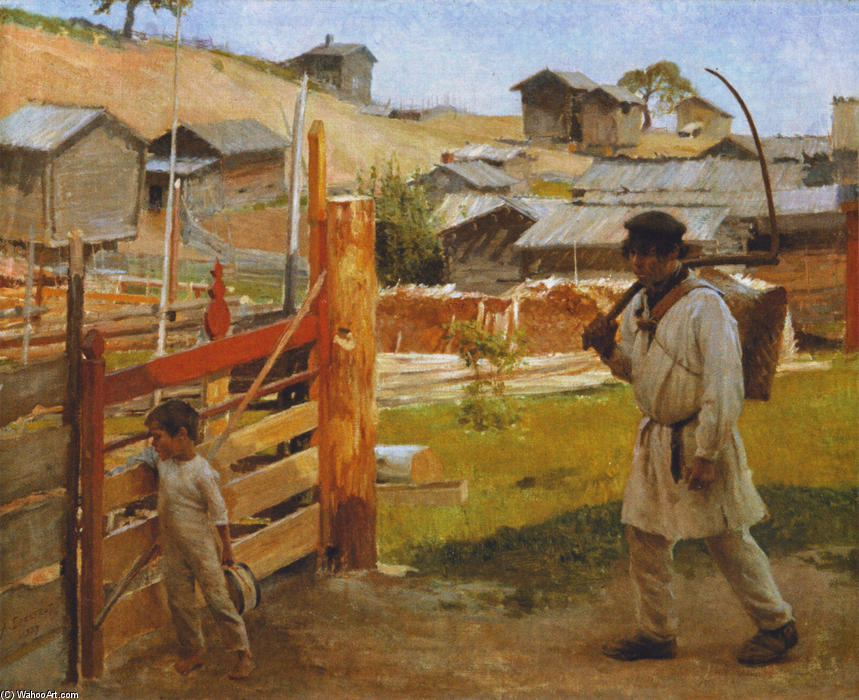
Veräjällä (Portaan kylä)

 Read More
Hand Made Oil Reproduction
Hand-painted oil on canvas in your size and frame, made to order by our artists. ( Buy Print Buy Image)




P118B $10

P118H $10

P118W $10

P438Z $10

P508JH $12

P508YH $12

P805H $10

P805Z $10

P919BZ $10

P919G $10

P919XJ $10

P959ZH $10

P968JZ $12

W106C $8

W218G $10

W218JH $8

W218Y $10

W307PJ $10

W316G $10

W316PJ $8

W316Y $10

W398PJ $8

W4111J $10

W500HY $15

W500JH $15

W692G $12

W849H $8

W940BG $15

W953PJ $8




Pick from our preset sizes that match the artwork's original proportions.

You may enter your own dimensions to fit a specific frame or space. If your selected size does not match the original image's proportions, we will either crop the artwork or extend the painting with additional hand-painted elements. A digital mockup will be sent for your approval before production begins.
Please note that the on-screen preview does not reflect the actual cropping or extension. Only the mockup will accurately show the final composition.
While custom sizes are available, we recommend selecting a dimension from the predefined list to preserve the original proportions.
After order, ArtsDot.com team will email client for instructions and provide a mockup preview
Worldwide Delivery () in 3/4 weeks instead of standard 5 weeks. (17 August). No compromise on quality.

Free Worldwide Express Shipping

High-Quality Linen Canvas

Full Shipping Insurance

Customs Tax Refund Guarantee

True Color Matching Guarantee

60-Day Return Policy (Defects Only)

100% Money-Back Guarantee

Bulk Discount Offer
 Glass option is only available in size under 110 CM

Veräjällä (Portaan kylä)
Reproduction Medium
Reproduction Size
-


Total Price
$ 263
Artwork Description
A Window Into Finnish Rural Life: Albert Edelfelt’s “Veräjällä”
The painting "Veräjällä" ("Portaan kylä"), by Albert Edelfelt, stands as a quintessential representation of late 19th-century Finnish landscape art and embodies the spirit of its time. Completed in 1893, it captures a serene tableau of rural Finland—a scene brimming with understated beauty and imbued with symbolic resonance that speaks to broader themes of family, tradition, and connection to the land.Subject Matter and Composition
At first glance, “Veräjällä” depicts a simple yet profoundly evocative setting: a farmhouse gate overlooking a meadow populated by livestock – primarily horses and cows – alongside a wooden fence enclosing a small garden area. Dominating the composition is a man standing beside his son, dressed in practical attire reflecting the working-class ethos of rural Finland. Scattered figures populate the periphery, suggesting a community gathering—perhaps celebrating a harvest or marking a seasonal transition. The inclusion of a dog adds to the lively atmosphere and reinforces the painting’s connection to everyday life.Style and Technique: Impressionistic Influences
Edelfelt's artistic approach leans heavily into impressionistic influences, albeit tempered by a meticulous realism that distinguishes it from pure abstraction. He employs loose brushstrokes—characteristic of Impressionism—to convey the fleeting effects of light and atmosphere on the landscape. However, unlike many Impressionists who prioritized capturing momentary sensations, Edelfelt painstakingly renders details with precision, particularly in portraying the textures of the horse’s coat, the wooden fence, and the foliage of the garden. The artist skillfully utilizes color palettes dominated by muted greens, browns, and yellows—colors that harmonize seamlessly to evoke a sense of tranquility and authenticity.Historical Context: Finland's National Awakening
“Veräjällä” emerged during Finland’s burgeoning nationalist movement – a period marked by increasing aspirations for self-governance from within the Swedish Empire. Artists like Edelfelt actively engaged in portraying Finnish rural life, aiming to solidify national identity and celebrate the virtues of peasant culture. The painting reflects the prevailing sentiment that Finland's strength lay not in grand cities or aristocratic patronage but in its steadfast adherence to traditional values—values embodied in the familial bonds depicted within the frame and the harmonious coexistence between humans and animals.Symbolism: Representing Finnish Values
Beyond its descriptive accuracy, “Veräjällä” operates on a symbolic level. The farmhouse gate symbolizes access to the nation’s heritage and traditions; the horses and cows represent prosperity and agricultural productivity—essential components of Finland's economic well-being during this era. The father figure embodies paternal care and responsibility, while his son represents the future generation inheriting these values. The open gate signifies openness to new possibilities while simultaneously anchoring the scene firmly in the past – a deliberate juxtaposition that underscores Edelfelt’s artistic intention.Emotional Impact: Tranquility and Nostalgia
Ultimately, “Veräjällä” succeeds in transporting viewers back to a bygone era—inspiring feelings of nostalgia for simpler times and fostering appreciation for the beauty inherent in rural landscapes. The painting's subdued colors and gentle brushstrokes evoke a profound sense of calm—a balm against the anxieties of urban life. It serves as a poignant reminder that true fulfillment resides not merely in material advancement but in cherishing connections to one’s roots and embracing traditions that bind communities together.Related Artworks
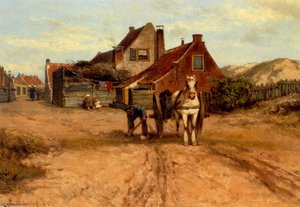
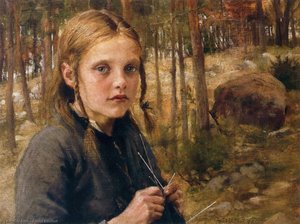
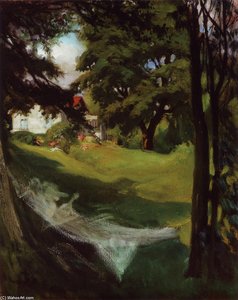
Artist Biography
early life and education
albert gustaf aristides edelfelt, a renowned finnish painter, was born on july 21, 1854, in porvoo, finland. his parents, carl albert edelfelt and alexandra edelfelt (née brandt), were swedish-speaking finns. edelfelt's early life was marked by an innate passion for art, which led him to pursue formal studies at the drawing school of the finnish art society in 1869.artistic journey
edelfelt's artistic journey took him to various esteemed institutions, including:- antwerp academy of art (1873-74), where he honed his skills in history painting.
- école nationale des beaux-arts in paris (1874-78), under the tutelage of jean-léon gérôme, further refining his craft.
- a brief stint at saint petersburg (1881-82) exposed him to diverse artistic influences.
rise to prominence and notable works
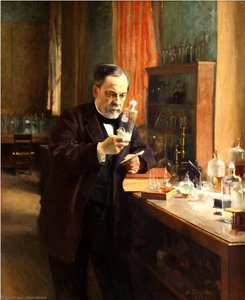
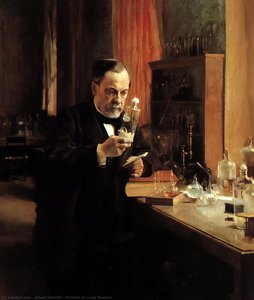
edelfelt's breakthrough came with a gold medal at the paris universal exposition of 1889. his notable works include:- portrait of louis pasteur, which earned him the legion of honour in 1886.
- young woman in her boudoir, showcasing his mastery of capturing the essence of femininity.
- under the birches, a poignant representation of finnish landscapes.
legacy and impact
as one of the first finnish artists to achieve international fame, edelfelt significantly contributed to the realist art movement in finland. his influence extended to younger finnish painters, such as akseli gallen-kallela and gunnar berndtson, whom he assisted in their breakthroughs in paris.museum collections and commemoration
edelfelt's works are featured in various museums, including the ateneumin taidemuseo in helsinki. his legacy was commemorated with a €100 albert edelfelt commemorative coin in 2004, celebrating his 150th birth anniversary. key artworks and museum collections: discover more: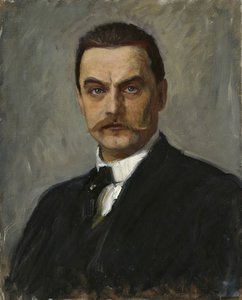
Albert Edelfelt
1854 - 1905 , Finland
Quick Facts
- Artistic Movement Or Style: Realist
- Artists Or Movements Influenced By This Artist:
- Akseli Gallen-Kallela
- Gunnar Berndtson
- Artists Who Influenced This Artist: ['Jean-Léon Gérôme']
- Date Of Birth: July 21, 1854
- Date Of Death: 1905
- Full Name: Albert Gustaf Aristides Edelfelt
- Nationality: Finnish
- Notable Artworks:
- Portrait of Louis Pasteur
- Young woman in her boudoir
- Under the birches
- Girl from Porvoo
- Place Of Birth: Porvoo, Finland
Related Articles
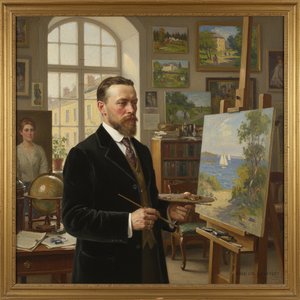
Albert Edelfelt: A Pioneer of Finnish Realism & International Impressionist Circles
Explore the life & work of Albert Edelfelt, a pioneering Finnish Realist painter who bridged Impressionism & national identity. Discover his masterpieces and lasting influence on art history.

John Constable's Masterpieces: Explore 25 Iconic Landscapes for Your Home
Journey through John Constable's 25 most celebrated landscapes. Explore Romanticism, Dedham Vale & his masterful use of light in iconic paintings like 'Hay Wain'. Find museum-quality art reproductions and elevate your home decor on ArtsDot.com.

Beyond the Horizon: 10 Landscape Masterpieces for Your Home Decor
Journey through 10 breathtaking landscape paintings by Monet, Van Gogh & more! Explore iconic artworks, artistic techniques & find inspiration for your home decor. Museum-quality reproductions at ArtsDot.com. Discover all masterpieces on ArtsDot.com
Cultivating Visions: A Historical Journey Through Rural Landscapes in Art
Explore the rich history of rural landscape painting with ArtsDot. Discover Impressionist masterpieces, key artists & movements. Find your perfect serene artwork and bring nature's beauty home.

Romantic Landscapes: 10 Masterpieces for Your Home | ArtsDot
Journey through 10 Romantic landscape masterpieces by Friedrich, Turner & Cole. Explore emotional art, sublime nature scenes & iconic 19th-century paintings. Find museum-quality reproductions for your home at ArtsDot.com – discover the full collection online!