 Preview
 Send
Send Share
Share
 Details

 Download
 Similars
 X-Ray
X-Ray Diaporama
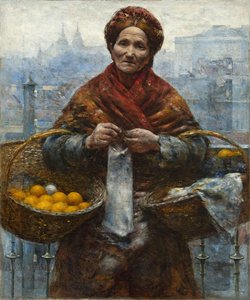
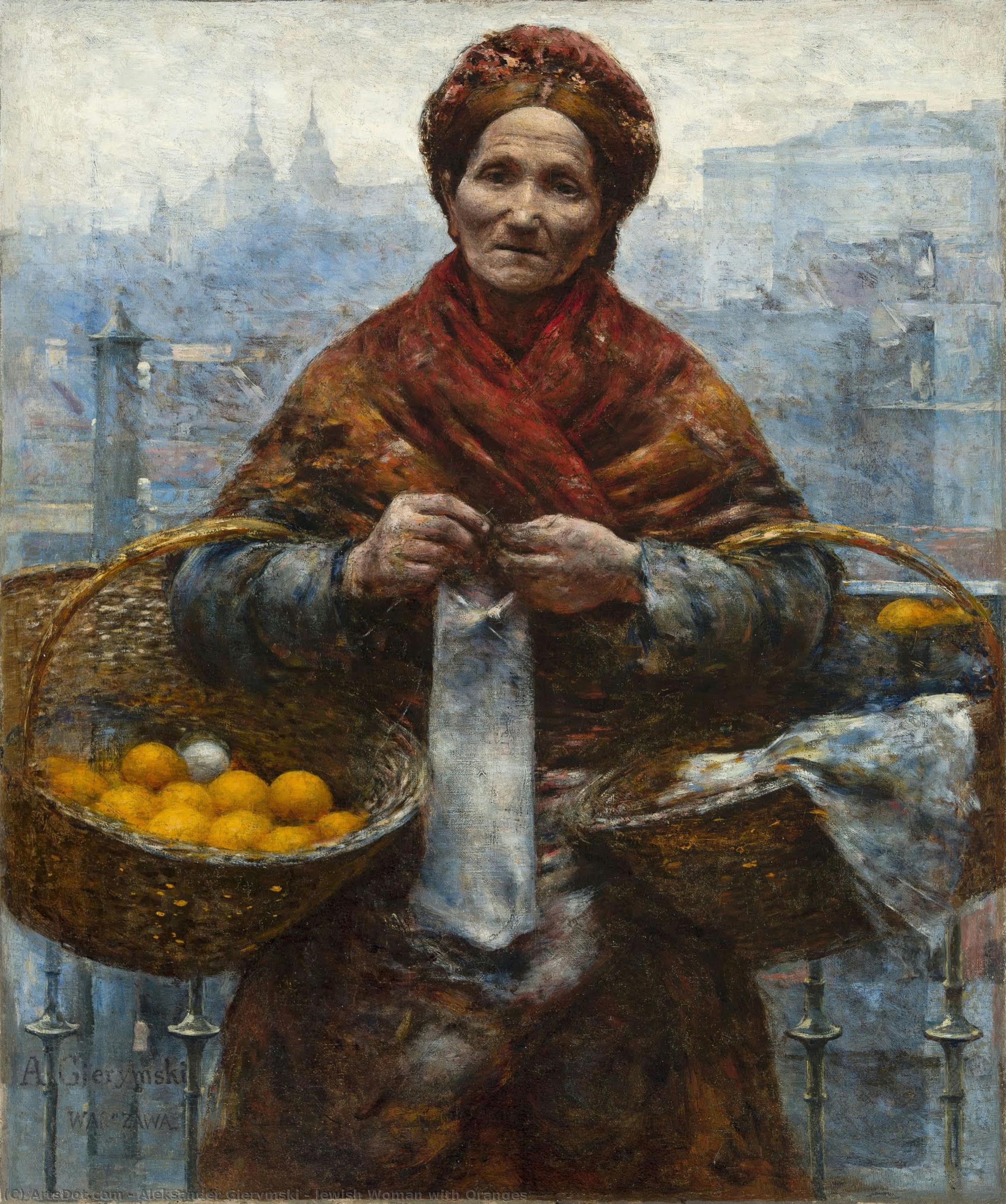
Jewish Woman with Oranges
 Acrylic On Canvas
- WallArt
- Contemporary Realism
 54.0 x 65.0 cm
 Warsaw National Museum
 Read More
Hand Made Oil Reproduction
Hand-painted oil on canvas in your size and frame, made to order by our artists. ( Buy Print Buy Image)




P118B $10

P118H $10

P118W $10

P438Z $10

P508JH $12

P508YH $12

P805H $10

P805Z $10

P919BZ $10

P919G $10

P919XJ $10

P959ZH $10

P968JZ $12

W106C $8

W218G $10

W218JH $8

W218Y $10

W307PJ $10

W316G $10

W316PJ $8

W316Y $10

W398PJ $8

W4111J $10

W500HY $15

W500JH $15

W692G $12

W849H $8

W940BG $15

W953PJ $8




Pick from our preset sizes that match the artwork's original proportions.

You may enter your own dimensions to fit a specific frame or space. If your selected size does not match the original image's proportions, we will either crop the artwork or extend the painting with additional hand-painted elements. A digital mockup will be sent for your approval before production begins.
Please note that the on-screen preview does not reflect the actual cropping or extension. Only the mockup will accurately show the final composition.
While custom sizes are available, we recommend selecting a dimension from the predefined list to preserve the original proportions.
After order, ArtsDot.com team will email client for instructions and provide a mockup preview
Worldwide Delivery () in 3/4 weeks instead of standard 5 weeks. (23 August). No compromise on quality.

Free Worldwide Express Shipping

High-Quality Linen Canvas

Full Shipping Insurance

Customs Tax Refund Guarantee

True Color Matching Guarantee

60-Day Return Policy (Defects Only)

100% Money-Back Guarantee

Bulk Discount Offer
 Glass option is only available in size under 110 CM

Jewish Woman with Oranges
Reproduction Medium
Reproduction Size
-


Total Price
$ 263
Artwork Description
Jewish Woman with Oranges – A Lost Masterpiece Rediscovered
Aleksander Gierymski’s *Jewess with Oranges*, painted in 1881, represents more than just a portrait; it embodies the spirit of Polish Realism and serves as a poignant reminder of artistic heritage tragically lost during World War II. Initially residing in obscurity within the National Museum in Warsaw—after enduring the devastation wrought by the Warsaw Uprising—the painting’s triumphant return to public view in 2010 sparked considerable excitement amongst art historians and collectors alike.
Subject Matter and Composition
The artwork depicts a solitary Jewish woman standing amidst the bustling streets of Powiśle, Warsaw. She holds baskets overflowing with oranges – a symbol of prosperity and warmth—attempting to sell them to passersby. Gierymski’s meticulous attention to detail captures not only the physical appearance of the subject but also her expressive face, etched with lines of weariness and resignation yet radiating an undeniable dignity that defies the hardships of daily life.
Style and Technique
Gierymski's approach aligns squarely with the tenets of Realism, rejecting idealized representations in favor of portraying subjects with unflinching honesty. He skillfully employs oil paint on canvas to achieve remarkable textural depth and luminosity—a technique reminiscent of Gustave Courbet and Jean-François Millet—creating an immersive landscape that transports viewers back to late 19th-century Warsaw.
Historical Context
Painted shortly before the outbreak of World War II, *Jewess with Oranges* reflects the socio-political climate of Poland at the time. The painting’s depiction of poverty and resilience speaks volumes about the experiences of ordinary Poles grappling with immense challenges during a period marked by occupation and upheaval. Its subsequent theft during the war underscores the vulnerability of cultural treasures in times of conflict.
Symbolism and Emotional Impact
Beyond its visual beauty, *Jewess with Oranges* carries profound symbolic weight. The oranges themselves symbolize hope and vitality amidst despair—a deliberate contrast to the woman’s furrowed brow and melancholic gaze. Gierymski's masterful portrayal captures not merely a scene but an emotion: the quiet dignity of perseverance in the face of adversity, a testament to the human spirit’s capacity for resilience.
Restoration and Current Condition
The painting underwent extensive restoration following its recovery from a German auction house. Experts painstakingly removed layers of paint accumulated over time, revealing Gierymski's original colors and enhancing the canvas’s luminosity. Today, *Jewess with Oranges* glows with renewed vibrancy—a tangible embodiment of artistic triumph and a poignant reminder of Poland’s cultural heritage.
Related Artworks

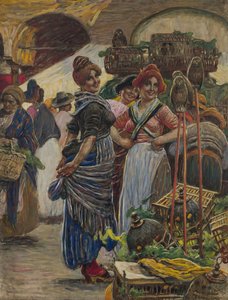
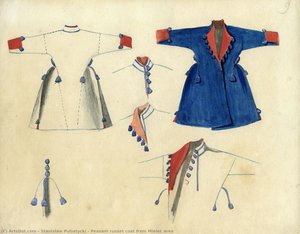
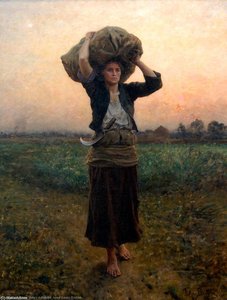
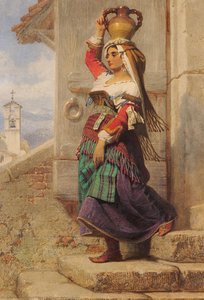
Artist Biography
Early Life and Artistic Formation
Aleksander Gierymski, born in Warsaw in 1850, emerged as a pivotal figure in Polish painting during a period of significant social and artistic transformation. Unlike many artists of his era who embraced grand historical narratives, Gierymski dedicated himself to capturing the realities of everyday life, particularly the struggles and dignity of Warsaw’s working class. Initially drawn to the study of law, he soon abandoned legal pursuits to wholeheartedly embrace art, a decision that would define his legacy. His formal training began with brief stints at the Kraków Academy of Fine Arts, followed by private lessons under the tutelage of Jan Matejko, a celebrated Polish historical painter. However, Gierymski’s artistic vision diverged sharply from Matejko's monumental style; he gravitated towards realism, finding inspiration in the works of French masters like Gustave Courbet and Jean-François Millet. These influences instilled in him a commitment to portraying life with unflinching honesty and a focus on the lives of ordinary people. This early period was crucial in shaping his artistic identity, setting the stage for a career dedicated to documenting the social fabric of Poland.The Warsaw Years: Realism and Social Commentary
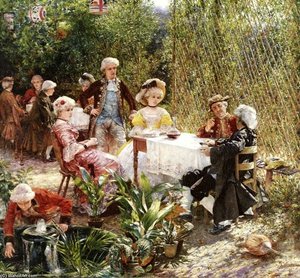
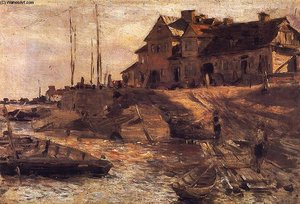
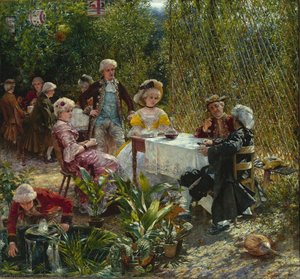
During the 1870s and early 1880s, Gierymski immersed himself in the vibrant yet often harsh realities of Warsaw’s Powiśle and Old Town districts. He meticulously documented scenes of working-class life – laborers toiling away, street vendors hawking their wares, and impoverished families navigating daily hardships. His paintings from this period are characterized by a remarkable attention to detail and an empathetic portrayal of his subjects. Jewish Woman Selling Lemons (1881) stands as a prime example of his style; the painting isn’t merely a depiction of commerce but a poignant study of human resilience and dignity in the face of adversity. Similarly, Jewess with Oranges (1881), tragically stolen during World War II but later recovered, showcases Gierymski's ability to imbue everyday scenes with profound emotional depth. These works weren’t simply aesthetic exercises; they were social commentaries, offering a glimpse into the lives of those often overlooked by mainstream society. In the Arbour (1882), while seemingly depicting a more leisurely scene, demonstrates his mastery of light and shadow, creating an atmospheric quality that enhances the emotional resonance of the work.Evolving Style and Later Influences
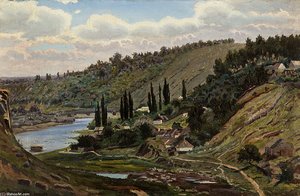
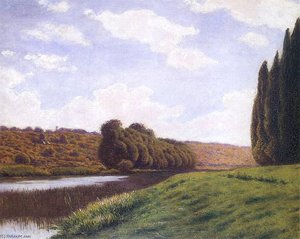
As the 1880s gave way to the 1890s, Gierymski’s artistic style began a subtle yet significant evolution. While remaining fundamentally committed to realism, he started experimenting with new techniques and exploring themes influenced by Impressionism and Symbolism. This period saw him venturing beyond purely social commentary, delving into landscapes and more introspective subjects. However, this creative exploration coincided with increasing personal challenges. Gierymski struggled with financial difficulties and bouts of mental illness, which undoubtedly impacted his artistic output. Despite these hardships, he continued to paint, producing a number of notable works that reflect both his evolving style and his inner turmoil. His later landscapes, for instance, demonstrate a growing interest in capturing the ephemeral qualities of light and atmosphere, moving beyond mere representation towards a more evocative and emotional expression.Legacy and Historical Significance
Aleksander Gierymski is rightfully recognized as one of Poland’s most important realist painters. His paintings offer invaluable insights into working-class life in Warsaw during the late 19th century, providing a unique perspective on Polish social history. He wasn't merely documenting what he saw; he was offering a compassionate and critical examination of society, challenging viewers to confront uncomfortable truths. His commitment to portraying social realities with unflinching honesty, coupled with his skillful use of realism and evolving artistic techniques, has secured his place among Poland’s most celebrated artists.- Gierymski's work profoundly influenced subsequent generations of Polish painters.
- He inspired them to explore themes of social realism and to depict the lives of ordinary people with empathy and authenticity.
- His legacy continues to be celebrated in Poland today, with his paintings prominently displayed in major museums throughout the country.
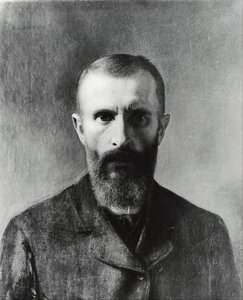
Aleksander Gierymski
1850 - 1901 , Poland
Quick Facts
- Artistic Movement Or Style: Realism, Impressionism
- Artists Or Movements Influenced By This Artist: ['Polish painters']
- Artists Who Influenced This Artist:
- Courbet
- Millet
- Date Of Birth: 1850
- Date Of Death: 1901
- Full Name: Aleksander Gierymski
- Nationality: Polish
- Notable Artworks:
- Jewish Woman Selling Lemons
- Jewess with Oranges
- In the Arbour
- Place Of Birth: Warsaw, Poland
Related Articles

Romantic Realism's Finest: 10 Masterpieces for Your Home | ArtsDot
Explore 10 defining masterpieces of Romantic Realism! Discover Courbet, Millet & Daumier's powerful paintings—capturing emotion and social realities. Find museum-quality reproductions for your home at ArtsDot.com.

Stanisław Wyspiański: Symbolism, National Identity & the Polish Secession
Explore the life & work of Stanisław Wyspiański, a pivotal figure in Polish Symbolism and the Young Poland movement. Discover his iconic paintings, dramas, and stained glass designs reflecting national identity & artistic innovation.
Jan Matejko: Historical Narrative & National Identity in 19th-Century Polish Painting
Explore the powerful historical paintings of Jan Matejko, Poland's national artist. Discover his iconic works & learn how he shaped Polish identity in the 19th century. High-quality reproductions available.

The Poetic Truth of Observation: Exploring 19th-Century Realism in Painting
Explore the captivating world of 19th-century Realism! Discover key artists like Courbet & Millet, masterpieces, and the powerful social commentary behind this influential art movement. Expert insights at ArtsDot.
Impressionism's Masterpieces: 10 Paintings That Defined a Movement | ArtsDot
Journey through Impressionism's heart with 10 iconic paintings by Monet, Renoir & Degas. Explore light, color & the stories behind these masterpieces. Find museum-quality art reproductions and elevate your home decor on ArtsDot.com.