 Preview
 Send
Send Share
Share
 Details

 Download
 Similars
 X-Ray
X-Ray Diaporama
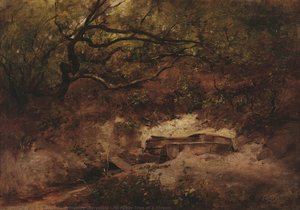
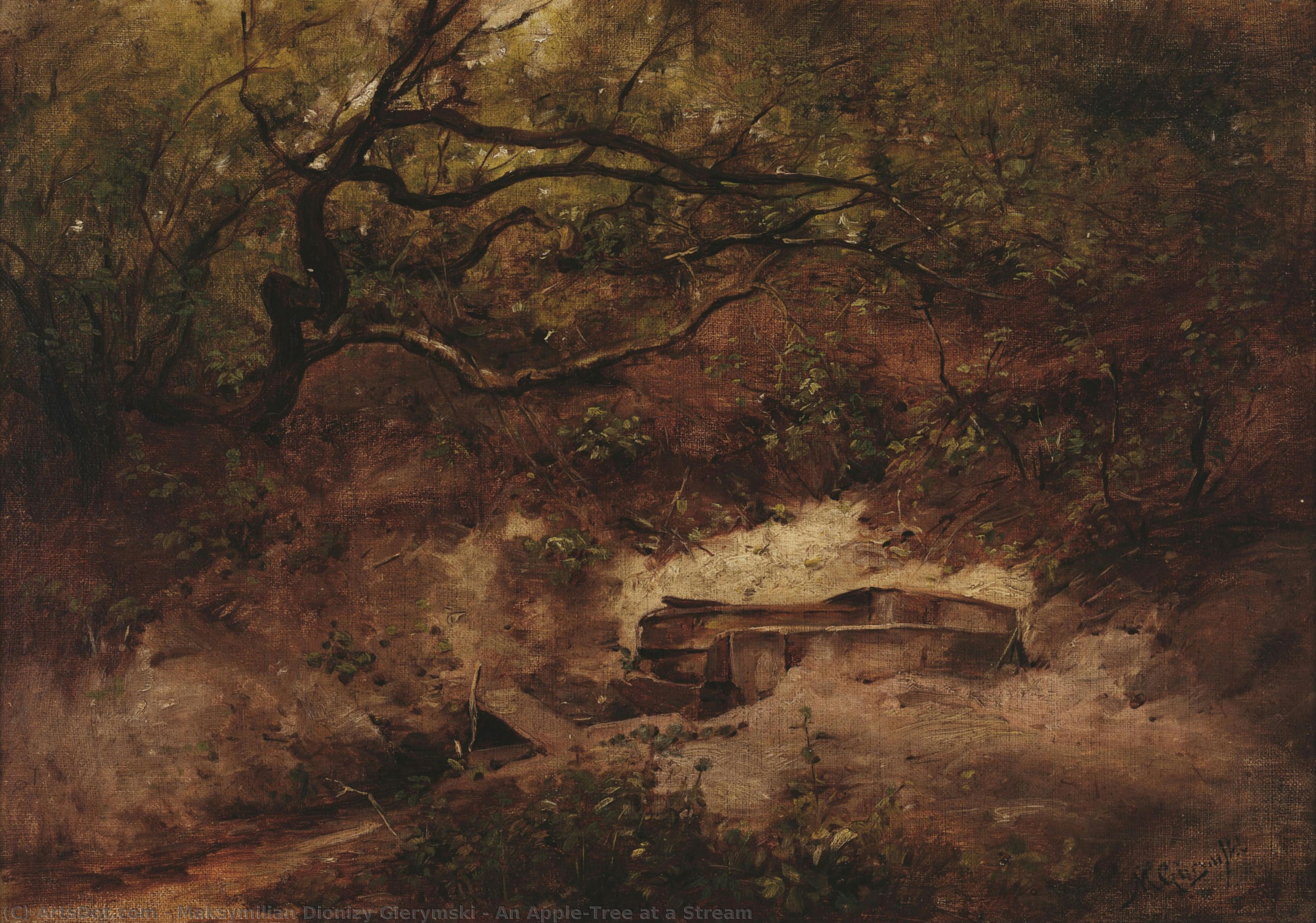
An Apple-Tree at a Stream


 Read More
Hand Made Oil Reproduction
Hand-painted oil on canvas in your size and frame, made to order by our artists. ( Buy Print Buy Image)




P118B $10

P118H $10

P118W $10

P438Z $10

P508JH $12

P508YH $12

P805H $10

P805Z $10

P919BZ $10

P919G $10

P919XJ $10

P959ZH $10

P968JZ $12

W106C $8

W218G $10

W218JH $8

W218Y $10

W307PJ $10

W316G $10

W316PJ $8

W316Y $10

W398PJ $8

W4111J $10

W500HY $15

W500JH $15

W692G $12

W849H $8

W940BG $15

W953PJ $8




Pick from our preset sizes that match the artwork's original proportions.

You may enter your own dimensions to fit a specific frame or space. If your selected size does not match the original image's proportions, we will either crop the artwork or extend the painting with additional hand-painted elements. A digital mockup will be sent for your approval before production begins.
Please note that the on-screen preview does not reflect the actual cropping or extension. Only the mockup will accurately show the final composition.
While custom sizes are available, we recommend selecting a dimension from the predefined list to preserve the original proportions.
After order, ArtsDot.com team will email client for instructions and provide a mockup preview
Worldwide Delivery () in 3/4 weeks instead of standard 5 weeks. (16 August). No compromise on quality.

Free Worldwide Express Shipping

High-Quality Linen Canvas

Full Shipping Insurance

Customs Tax Refund Guarantee

True Color Matching Guarantee

60-Day Return Policy (Defects Only)

100% Money-Back Guarantee

Bulk Discount Offer
 Glass option is only available in size under 110 CM

An Apple-Tree at a Stream
Reproduction Medium
Reproduction Size
-


Total Price
$ 263
Artwork Description
An Apple-Tree at a Stream by Maksymilian Gierymski: A Romantic Reverie
Maksymilian Dionizy Gierymski’s “An Apple-Tree at a Stream,” painted in 1868, offers a poignant glimpse into the burgeoning landscape movement of the mid-19th century. Born in Warsaw amidst the fervent nationalism following the January Uprising, Gierymski's artistic trajectory was inextricably linked to Poland’s struggle for independence and his own deeply felt patriotism. This work, influenced by both the French Barbizon School and the Munich landscape painters, transcends mere topographical representation; it embodies a Romantic belief in the profound connection between humanity and nature – a sentiment powerfully shaped by Gierymski's personal experiences.
- Subject Matter: The painting centers on a solitary apple tree, dramatically twisted and reaching towards a gently flowing stream. This isn’t a grand, imposing vista but rather an intimate, almost claustrophobic, portrayal of a small section of the forest.
- Technique: Gierymski masterfully employs diffused light to sculpt the forms of the trees and foliage, creating a sense of depth and volume within the dense interior of the grove. The muted palette – dominated by beiges, browns, and olive greens – contributes to the painting’s melancholic atmosphere.
- Composition: The composition is carefully constructed, drawing the viewer's eye through the layered textures of the forest floor and the intricate branches of the apple tree. A small bench nestled near the stream adds a subtle human element, inviting contemplation and suggesting a moment of quiet respite.
A Reflection of Romanticism and Polish Identity
"An Apple-Tree at a Stream" is more than just a beautiful landscape; it’s a testament to Gierymski's artistic vision shaped by the tumultuous political climate of his time. The painting reflects the Romantic movement’s fascination with nature as a source of spiritual solace and emotional intensity. The artist’s meticulous attention to detail, particularly in rendering the textures of bark and water, speaks to a desire to capture not just what he saw, but also how he *felt* about it – a deeply personal response to the natural world.
Furthermore, the scene subtly alludes to Polish national identity. The apple tree, a symbol of fertility and abundance, resonates with traditional Polish folklore and agricultural heritage. The neo-Rococo costumes hinted at in the zopf hunting trips (a common motif in Gierymski’s work) evoke a romanticized vision of Poland's past – a time of aristocratic splendor and national pride.
Symbolism and Emotional Impact
The painting’s subdued color palette and the solitary figure of the apple tree contribute to its melancholic mood. The diffused light, filtering through the dense foliage, creates an atmosphere of quiet contemplation, inviting viewers to reflect on themes of isolation, beauty, and the passage of time. The stream itself symbolizes fluidity and renewal, while the twisted branches of the apple tree represent resilience and endurance – qualities that resonated deeply with Gierymski’s own experiences.
Gierymski's ability to evoke such a strong emotional response through his landscape paintings is remarkable, particularly given the relatively simple subject matter. “An Apple-Tree at a Stream” remains a powerful example of Romanticism’s enduring appeal and Gierymski’s unique artistic voice.
Related Artworks
Artist Biography
Maksymilian Dionizy Gierymski: A Polish Realist Caught Between Uprising and Unseen Potential
Born in Warsaw on October 9, 1846, Maksymilian Dionizy Gierymski’s life was tragically short, ending in Reichenhall, Bavaria, in 1874 at the age of twenty-seven. Yet, within those brief years, he carved a distinctive niche for himself as one of the most compelling figures of the Munich Realistic School – a movement that sought to capture the gritty realities of Polish life and history with unflinching honesty. His story is intertwined with Poland’s turbulent 19th century, marked by political upheaval, national longing, and an often-difficult relationship between artists and the established powers.
Gierymski's early years were shaped by the January Uprising of 1863, a pivotal moment in Polish history. At seventeen, he bravely joined the insurrectionary forces, fighting against Russian rule. This experience profoundly impacted his artistic vision, instilling a deep sense of patriotism and a desire to depict the struggles of his people. Following the uprising’s suppression, he narrowly avoided persecution, utilizing a government scholarship to pursue formal training in Munich – a move that would ultimately define his career.
Training and Early Influences in Munich
Arriving in Munich in 1867, Gierymski initially enrolled in the antiquity class at the Academy of Fine Arts, ostensibly to hone his drawing skills. However, he quickly gravitated towards Juliusz Kossak, a prominent landscape painter known for his depictions of horses and hunting scenes. Kossak recognized Gierymski’s potential and introduced him to Franz Adam, a master painter specializing in battle scenes – a genre that would become central to Gierymski's oeuvre. Adam’s workshop provided the young artist with invaluable training in composition, technique, and the dramatic portrayal of historical events.
Gierymski’s artistic development was further influenced by Hermann Anschütz, a historical painter at the Academy, and later by Alexander Strähuber, both respected figures within the Munich art community. He also benefited from the tutelage of Sándor Wagner, a talented assistant who helped to shape Gierymski's understanding of light, shadow, and anatomical accuracy. The atmosphere of the workshop fostered a spirit of experimentation and innovation, allowing Gierymski to develop his own distinctive style – one characterized by its realism, emotional intensity, and often bleak portrayal of human suffering.
A Palette of Polish Realism: Themes and Techniques
Gierymski’s artistic output spanned a diverse range of subjects, but he is most celebrated for his depictions of battle scenes, insurgent life, and landscapes of southern Poland. Unlike the idealized portrayals common in academic art, Gierymski presented a raw and unflinching view of conflict – the chaos of war, the desperation of refugees, and the hardships faced by ordinary people. His paintings are not romanticized celebrations of heroism; instead, they offer poignant glimpses into moments of profound human suffering.
His mastery of watercolour was particularly noteworthy. He skillfully employed delicate washes and subtle gradations of tone to create atmospheric effects and capture the fleeting expressions on his subjects’ faces. Works like “Krajobraz leśny” (1866) showcase his ability to render the textures of nature with remarkable detail, while paintings such as “Wymarsz powstańców ze wsi w 1863 roku” (1867) and “Powrót bez pana” (1868) powerfully convey the emotional weight of historical events. His meticulous attention to detail, combined with his expressive use of color and light, created a uniquely compelling visual language.
Recognition and Legacy
Despite his talent and dedication, Gierymski’s work was largely overlooked in Poland during his lifetime. The conservative art establishment often rejected his unflinching realism, viewing it as too critical of the nation's past. He regularly exhibited his paintings in Warsaw from 1868 onwards, but they received limited acclaim within his homeland. However, in Western Europe, particularly in Germany and France, Gierymski’s work gained recognition for its emotional depth and artistic merit.
His legacy is now being reassessed as a crucial precursor to Polish realism. Works like “Insurgent Patrol” (1867) and "Celebrations of Sabbath on Vistula" (1868) offer powerful insights into the social and political realities of 19th-century Poland. His paintings are featured in prominent museums, including the Warsaw National Museum and the Museum Pomorskie in Danzig, ensuring that his artistic contributions are finally receiving the recognition they deserve. Maksymilian Gierymski’s tragically short life serves as a poignant reminder of an artist whose vision was ahead of its time – a realist who captured the spirit of a nation struggling for independence and self-determination.
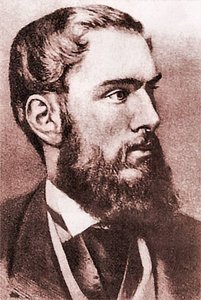
maksymilian dionizy gierymski
1846 - 1874 , Poland
Quick Facts
- Artistic Movement Or Style: Munich Realistic School
- Artists Or Movements Influenced By This Artist:
- Realism
- Romanticism
- Artists Who Influenced This Artist:
- Carl von Piloty
- Franz Adam
- Date Of Birth: 1846, Warsaw, Poland
- Date Of Death: 1874, Reichenhall, Bavaria
- Full Name: Maksymilian Dionizy Gierymski
- Nationality: Polish
- Notable Artworks:
- Krajobraz leśny (1866)
- Wymarsz powstańców (1867)
- Powrót bez pana (1868)
- Place Of Birth: Warsaw, Poland
Related Articles
Romantic Realism's Finest: 10 Masterpieces for Your Home | ArtsDot
Explore 10 defining masterpieces of Romantic Realism! Discover Courbet, Millet & Daumier's powerful paintings—capturing emotion and social realities. Find museum-quality reproductions for your home at ArtsDot.com.

Romantic Landscapes: 10 Masterpieces for Your Home | ArtsDot
Journey through 10 Romantic landscape masterpieces by Friedrich, Turner & Cole. Explore emotional art, sublime nature scenes & iconic 19th-century paintings. Find museum-quality reproductions for your home at ArtsDot.com – discover the full collection online!

Beyond the Horizon: 10 Landscape Masterpieces for Your Home Decor
Journey through 10 breathtaking landscape paintings by Monet, Van Gogh & more! Explore iconic artworks, artistic techniques & find inspiration for your home decor. Museum-quality reproductions at ArtsDot.com. Discover all masterpieces on ArtsDot.com
The Evocative Embrace of Reality: Exploring Romantic Realism in 19th-Century Painting
Explore the captivating world of Romantic Realism! Discover key artists like Courbet & Millet, masterpieces, and the social context behind this influential art movement. Expert insights for collectors at ArtsDot.

Arboreal Echoes: A Historical & Artistic Exploration of Trees in Painting
Explore the rich history of trees in painting! Discover symbolism, Romantic masterpieces by Caspar David Friedrich & beyond. A curated journey for art enthusiasts.