 Preview
 Send
Send Share
Share
 Details

 Download
 Similars
 X-Ray
X-Ray Diaporama
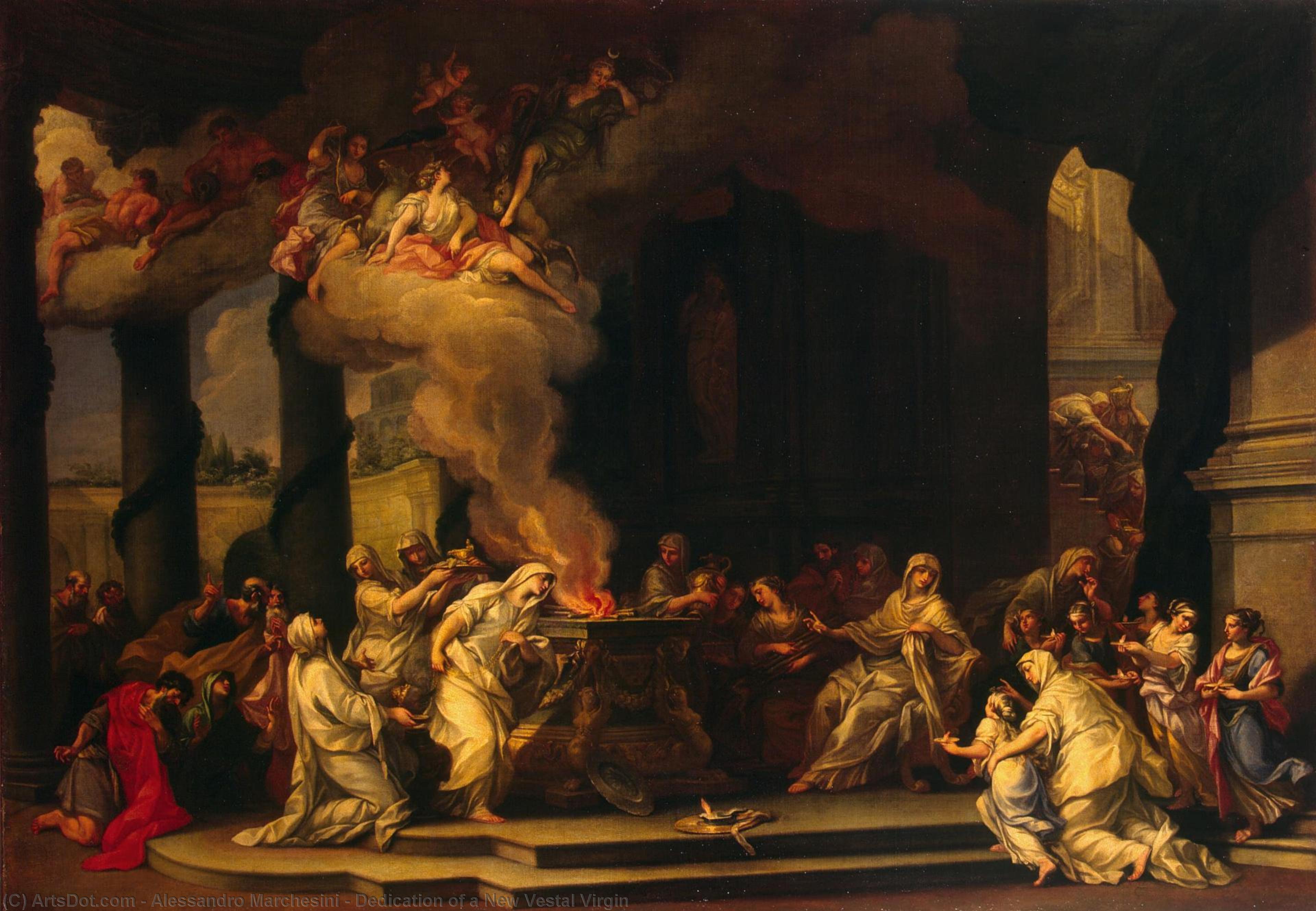
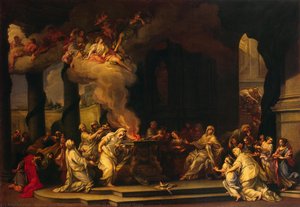
Dedication of a New Vestal Virgin
 Oil
Oil- WallArt
- Baroque
 1710
1710- Early Modern
 118.0 x 169.0 cm
 Hermitage Museum
 Read More
Hand Made Oil Reproduction
Hand-painted oil on canvas in your size and frame, made to order by our artists. ( Buy Print Buy Image)




P118B $10

P118H $10

P118W $10

P438Z $10

P508JH $12

P508YH $12

P805H $10

P805Z $10

P919BZ $10

P919G $10

P919XJ $10

P959ZH $10

P968JZ $12

W106C $8

W218G $10

W218JH $8

W218Y $10

W307PJ $10

W316G $10

W316PJ $8

W316Y $10

W398PJ $8

W4111J $10

W500HY $15

W500JH $15

W692G $12

W849H $8

W940BG $15

W953PJ $8




Pick from our preset sizes that match the artwork's original proportions.

You may enter your own dimensions to fit a specific frame or space. If your selected size does not match the original image's proportions, we will either crop the artwork or extend the painting with additional hand-painted elements. A digital mockup will be sent for your approval before production begins.
Please note that the on-screen preview does not reflect the actual cropping or extension. Only the mockup will accurately show the final composition.
While custom sizes are available, we recommend selecting a dimension from the predefined list to preserve the original proportions.
After order, ArtsDot.com team will email client for instructions and provide a mockup preview
Worldwide Delivery () in 3/4 weeks instead of standard 5 weeks. (25 August). No compromise on quality.

Free Worldwide Express Shipping

High-Quality Linen Canvas

Full Shipping Insurance

Customs Tax Refund Guarantee

True Color Matching Guarantee

60-Day Return Policy (Defects Only)

100% Money-Back Guarantee

Bulk Discount Offer
 Glass option is only available in size under 110 CM

Dedication of a New Vestal Virgin
Reproduction Medium
Reproduction Size
-


Total Price
$ 263
Artwork Description
A Sacred Ceremony Captured in Baroque Splendor
In the grand tradition of Italian Baroque mastery, Alessandro Marchesini’s "Dedication of a New Vestal Virgin" serves as a breathtaking window into the solemnity of antiquity. Painted around 1710, this evocative work transports the viewer to a moment of profound religious significance, where the boundaries between the earthly and the divine seem to blur. The composition centers on the ritualistic dedication of a young woman, a figure of purity and devotion, kneeling in a gesture of absolute humility before an assembly of onlookers. Marchesini masterfully orchestrates a crowd that feels both monumental and intimate, guiding the eye through a sea of draped fabrics and expressive faces toward the heart of the sacred ceremony.
The atmosphere is thick with a sense of hushed reverence, a quality achieved through Marchesini’s sophisticated use of light and shadow. As a student of the Bolognese school under the great Carlo Cignani, the artist employs a technique that balances classical clarity with the dramatic emotionality characteristic of the late Baroque period. The soft, directional lighting illuminates the central figure, casting a celestial glow upon her skin, while the surrounding figures emerge from deeper, more mysterious tones. This interplay of light does more than define form; it creates a rhythmic movement across the canvas, pulling the observer into the very breath of the ritual.
Symbolism and the Art of Visual Narrative
Beyond the immediate spectacle of the crowd, Marchesini weaves subtle layers of symbolism that enrich the painting's narrative depth. The presence of birds—one perched near the upper periphery and another nestled within the mid-ground—acts as a delicate metaphor for the soul and the fleeting nature of life, common motifs in 18th-century religious art. These small, natural elements provide a counterpoint to the heavy, formal gravity of the human figures, suggesting that even the natural world participates in this moment of sanctification. The textures of the garments, from heavy silks to fine linens, further emphasize the social and ritualistic importance of the event, adding a tactile dimension that invites close inspection.
For the discerning collector or interior designer, this piece offers much more than mere decoration; it provides a focal point of historical prestige. The scale of 118 x 169 cm allows the painting to command a room, making it an ideal centerpiece for a formal study, a grand dining hall, or a sophisticated gallery space. A high-quality reproduction of this work preserves the delicate brushwork and the rich, warm palette that Marchesini was known for, allowing the timeless elegance of the Venetian and Bolognese traditions to breathe new life into contemporary interiors. It is an investment in emotion, history, and the enduring power of classical beauty.
Related Artworks
Artist Biography
The Visionary of the Venetian Baroque: Alessandro Marchesini
In the vibrant tapestry of Italian art during the transition from the late Baroque to the burgeoning Rococo, few figures possess the multifaceted charm of Alessandro Marchesini. Born in Verona, his life and career served as a bridge between the heavy, dramatic grandeur of the seventeenth century and the light, airy elegance that would soon define the eighteenth. Marchesini was not merely a painter but a true connoisseur of the visual arts—an art merchant and advisor whose influence extended far beyond the bristles of his brush. His journey began in the shadows of Verona’s classical traditions, where he honed his foundational skills under the guidance of Biagio Falcieri and Antonio Calza, establishing a technical rigor that would support his later, more whimsical explorations.
The trajectory of Marchesini's artistry underwent a profound transformation when he moved to Bologna in 1687. Entering the prestigious studio of Carlo Cignani, he immersed himself in the vibrant energy of the Bolognese school. This period was instrumental in shaping his ability to balance classical clarity with emotional depth. It was during this era that Marchesini demonstrated a remarkable command of the quadratura technique—the art of creating illusionistic architectural perspectives. His monumental task, the fresco decoration of San Domenico’s vault, stands as a testament to his ability to manipulate space and light, drawing the viewer into a theatrical, celestial realm that epitomized the Baroque obsession with spectacle.
A Mastery of Scale and Symbolism
While Marchesini achieved renown through large-scale architectural decorations, his most intimate and enduring legacy lies in his mastery of the small-scale. He gained particular fame for his allegorical compositions featuring diminutive figures, a stylistic choice that allowed him to weave complex, poetic narratives within a compressed visual language. These works often functioned as windows into a more delicate, symbolic world. In masterpieces such as "Dedication of a New Vestal Virgin," painted around 1710, one can observe his sophisticated use of light and shadow to evoke a sense of sacred reverence. Through the careful placement of figures and subtle natural motifs—such as birds acting as metaphors for the fleeting nature of life—Marchesini transformed small canvases into profound spiritual contemplations.
His evolution toward the Rococo style is perhaps most evident in his later independent works. While his earlier pieces retained the weight of the Emilian late Baroque, works like "Christ Blessing the Little Children" began to exhibit a newfound lightness and grace. By the time he reached his maturity, as seen in the radiant colors of his "Triumph of Apollo," Marchesini had embraced an international Rococo aesthetic characterized by airiness and luminosity. This stylistic shift mirrored the broader movement in European art toward more decorative, fluid, and emotionally accessible compositions.
Legacy of a Connoisseur and Mentor
Beyond his personal creative output, Marchesini played a vital role in the ecosystem of the Italian art market. His move to Venice in 1700 marked a period of significant professional versatility. In this maritime republic, he specialized in creating exquisite small-scale copies of Old Master works, providing sophisticated decorations for private residences. This work required not only immense technical skill but also a deep understanding of various historical styles, making him a scholar of the very history he was helping to preserve.
Marchesini’s influence was also felt through his role as an influential agent and mentor. He possessed a keen eye for talent, famously recommending the young Carlo Salis to prominent patrons. As an advisor to collectors like the Lucchese Stefano Conti—to whom he recommended the works of Canaletto—he helped shape the collections that would define European taste for generations. His life remains a remarkable study in the intersection of creative genius and commercial acumen, leaving behind a legacy that spans from the monumental frescoes of Bologna to the intimate, jewel-like allegories of Venice.
alessandro marchesini
1644 - 1738 , Italy
Quick Facts
- Artistic Movement Or Style: Baroque & Rococo
- Artists Or Movements Influenced By This Artist: ['Luciano Carracci']
- Artists Who Influenced This Artist:
- Biagio Falcieri
- Carlo Cignani
- Date Of Birth: 1644
- Full Name: Alessandro Marchesini
- Nationality: Italian
- Notable Artworks:
- Dedication of a New Vestal Virgin
- San Silvestro
- Place Of Birth: Verona, Italy
Related Articles

Baroque Drama: Bringing Opulence & Emotion into Contemporary Interiors
Explore the opulent world of Baroque interior design! Discover key elements, modern applications & how to bring dramatic elegance into your home with 's authentic reproductions.

Baroque Masterpieces: 10 Paintings That Defined an Era |
Journey through the drama & grandeur of Baroque art! Explore 10 masterpieces by Caravaggio, Rembrandt, Rubens & more. Discover stunning oil paintings, rich colors & timeless stories. Find museum-quality reproductions at .

The Dramatic Flourish: Exploring the Baroque Movement's Enduring Legacy in Art History
Explore the dramatic world of Baroque art! Discover iconic artists like Caravaggio & Rubens, defining techniques, and its lasting impact on art history. Expert insights for collectors & enthusiasts at ArtsDot.

Simon Vouet: A Baroque Master's Journey from Italian Influence to French Classicism
Explore the life & art of Simon Vouet, a pivotal French Baroque painter who introduced Italian styles to France. Discover his masterpieces and lasting influence on 17th-century art.

The Visceral Stage: Exploring Dramatic Narratives & Emotional Intensity in Baroque Art
Explore the dramatic world of Baroque art! Discover iconic masters like Caravaggio & Rembrandt, their techniques, and the movement's lasting impact. Expert insights for collectors & enthusiasts at ArtsDot.