 Preview
 Send
Send Share
Share
 Details

 Download
 Similars
 X-Ray
X-Ray Diaporama
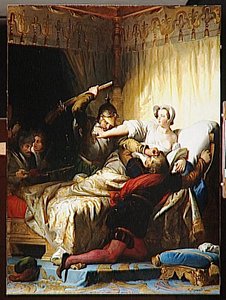
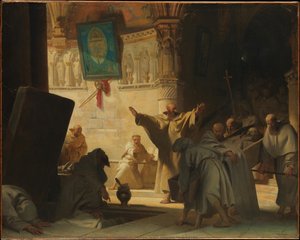
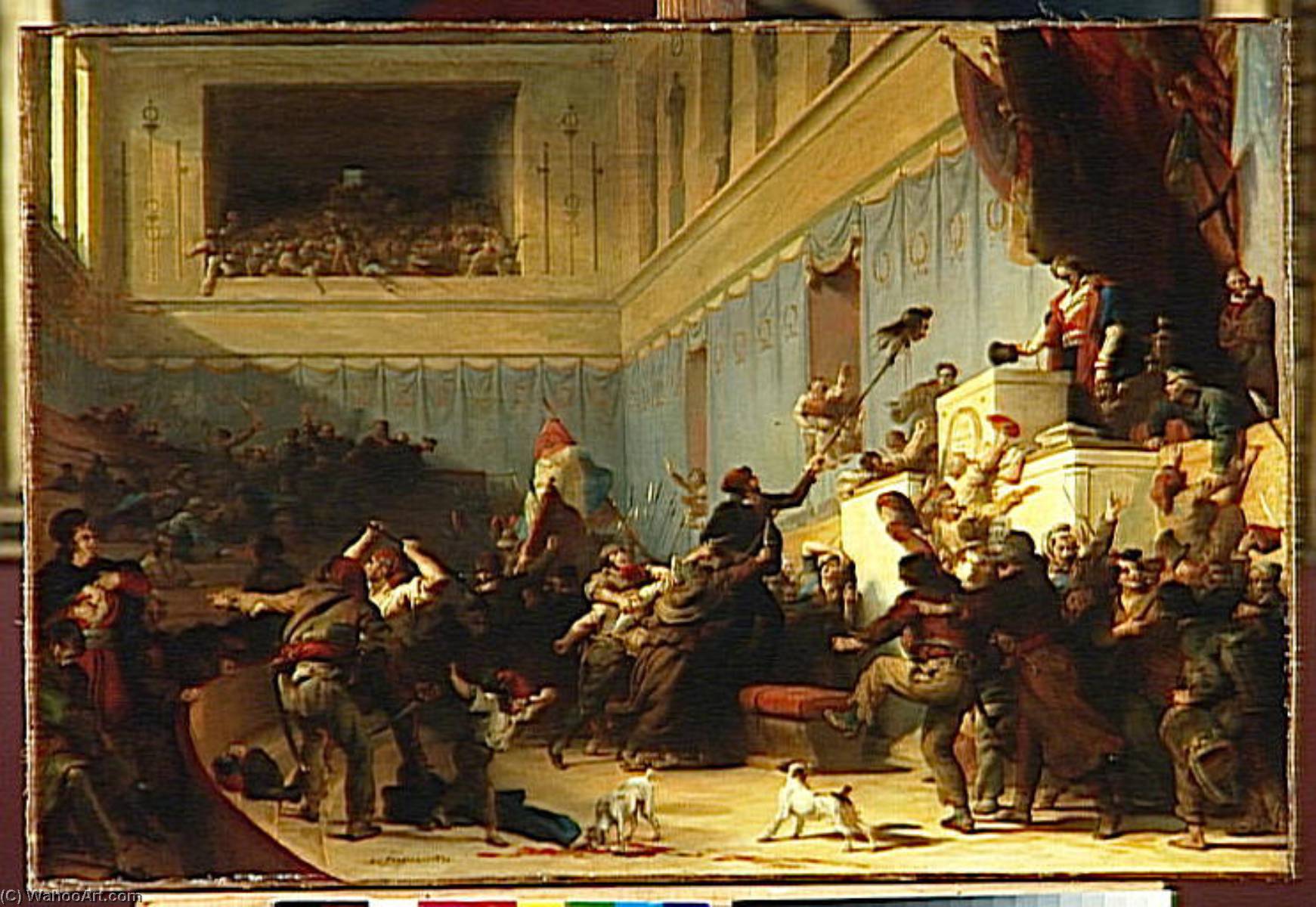
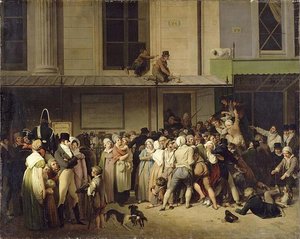
BOISSY D'ANGLAS SALUANT LA TETE DE FERAUD (Ier prairial an III)


 Read More
Giclée / Art Print
Museum-quality giclée or canvas print with fast production and flexible finish options. ( Buy Hand Made Painting Buy Image)




P118B $10

P118H $10

P118W $10

P438Z $10

P508JH $12

P508YH $12

P805H $10

P805Z $10

P919BZ $10

P919G $10

P919XJ $10

P959ZH $10

P968JZ $12

W106C $8

W218G $10

W218JH $8

W218Y $10

W307PJ $10

W316G $10

W316PJ $8

W316Y $10

W398PJ $8

W4111J $10

W500HY $15

W500JH $15

W692G $12

W849H $8

W940BG $15

W953PJ $8




Pick from our preset sizes that match the artwork's original proportions.

You may enter your own dimensions to fit a specific frame or space. If your selected size does not match the original image's proportions, we will either crop the artwork or extend the image with a mirrored or solid-fill edge. A digital mockup will be sent for your approval before production begins.
Please note that the on-screen preview does not reflect the actual cropping or extension. Only the mockup will accurately show the final composition.
While custom sizes are available, we recommend selecting a dimension from the predefined list to preserve the original proportions.
Worldwide Delivery () in 2 weeks instead of standard 4/5 weeks. (29 August)

Free Worldwide Express Shipping

High-Quality Linen Canvas

Full Shipping Insurance

Customs Tax Refund Guarantee

True Color Matching Guarantee

60-Day Return Policy (Defects Only)

100% Money-Back Guarantee

Bulk Discount Offer
 Glass option is only available in size under 110 CM

BOISSY D'ANGLAS SALUANT LA TETE DE FERAUD (Ier prairial an III)
Giclée / Art Print
Reproduction Size
-


Total Price
$ 63
A Tableau of Tumult: Decoding Revolutionary Drama
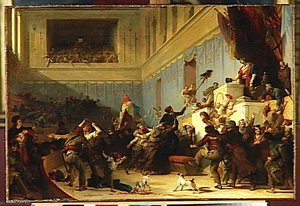
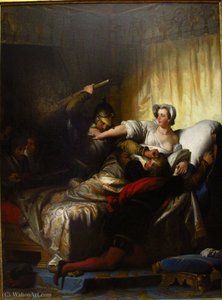
To stand before this depiction of BOISSY D'ANGLAS SALUANT LA TETE DE FERAUD is to be plunged headfirst into the visceral heart of revolutionary fervor. The scene is not merely a gathering; it is a meticulously orchestrated moment of high drama, captured within the grand, echoing confines of an ornate hall. One can almost hear the clamor—the shouts, the murmurs of judgment, and the heavy tread of boots upon polished stone. The composition itself feels breathless, a snapshot taken at the apex of chaos where celebration curdles into something far more brutal. The artist has masterfully assembled a crowd, each figure caught in a gesture that speaks volumes: gestures of shock, of morbid curiosity, and perhaps, of grim satisfaction.
The Allure of Neoclassicism Meets Romantic Intensity
Stylistically, the work dances on the precipice between two monumental movements. While the architectural framework—the imposing columns, the tiered balconies—speaks with the ordered grandeur of Neoclassicism, suggesting a return to classical ideals of civic virtue and order, the human element erupts with the untamed passion characteristic of Romanticism. The brushwork, visible upon closer inspection, hints at the rich, emotive technique of its era. It is not the polished restraint of pure classicism; rather, it possesses a palpable energy, a sense of immediate, almost overwhelming feeling that pulls the viewer into the fray. This tension between rigid structure and wild emotion is what gives the piece its enduring magnetic pull.
Symbolism in Ochre and Crimson
The palette itself contributes profoundly to the emotional weight. Dominated by warm browns, deep reds, and aged ochres, the colors suggest both the richness of historical tapestry and the stain of spilled life. The central focus—the presentation of a severed head—is an undeniable, potent symbol. It forces the viewer into a confrontation with themes of power, justice dispensed without mercy, and the terrifying fragility of human existence when societal structures collapse. These symbolic elements elevate the painting beyond mere genre scene; it becomes a profound meditation on the cost of ideology.
Crafting Drama for the Modern Interior
For those seeking to infuse a space with intellectual depth and dramatic flair, this reproduction offers unparalleled narrative power. The shallow yet densely populated perspective draws the eye inward, making the viewer feel as if they are an unseen observer positioned just at the edge of the action. Imagine this piece anchoring a grand foyer or a library—its energy will counteract any sense of staid formality. It is art that demands conversation, prompting questions about history, morality, and the nature of public spectacle. Owning such a reproduction means curating not just a wall hanging, but a focal point for contemplation.
Related Artworks

Artist Biography
A Legacy Bridging Eras: Alexandre-Évariste Fragonard
Born into the radiant world of Rococo artistry in Grasse, France, on October 26, 1780, Alexandre-Évariste Fragonard inherited a legacy that both propelled and subtly challenged his artistic path. As the son of the celebrated Jean-Honoré Fragonard and Marie-Anne Fragonard, he was immersed from infancy in an atmosphere of creative fervor, where brushstrokes danced with light and emotion. This familial connection wasn’t merely one of lineage; it was a foundational education, a direct transmission of technical skill and a sensibility for evocative subject matter that would shape his early development. However, Alexandre-Évariste wouldn't simply replicate his father’s style. His journey would be marked by a fascinating negotiation between the fading elegance of the Rococo and the rising tide of Neoclassicism, ultimately forging a distinctive voice within the evolving landscape of 19th-century French art. He passed away in Paris on November 10, 1850, leaving behind a body of work that offers valuable insights into an era defined by political upheaval and shifting aesthetic ideals.Formative Years and Artistic Education
Alexandre-Évariste’s initial artistic training was, unsurprisingly, guided by his father. Jean-Honoré Fragonard instilled in him a mastery of drawing and painting techniques, nurturing an innate talent for capturing form and expression. This early tutelage laid the groundwork for a fluid and graceful style that would remain characteristic throughout his career. Yet, recognizing the changing artistic climate, Jean-Honoré also encouraged his son to broaden his horizons. This led Alexandre-Évariste to study under Jacques-Louis David, the leading figure of Neoclassicism—a pivotal moment in his development. David’s influence introduced a new discipline and rigor to Fragonard's approach, emphasizing structured composition, precise draftsmanship, and a focus on historical accuracy. This exposure wasn’t about abandoning the Rococo entirely; rather, it was about synthesizing its inherent grace with the Neoclassical emphasis on order and clarity. The result was an artistic sensibility uniquely positioned between two worlds—a blend of emotional resonance and intellectual control.The Troubadour Style and Major Works
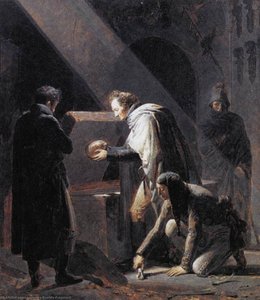
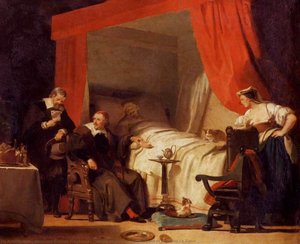
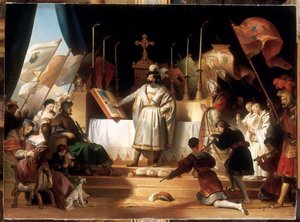
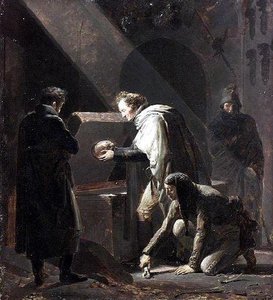
Alexandre-Évariste Fragonard found his niche within the *Troubadour* style, a popular movement in 19th-century France that romanticized historical and literary subjects. This genre allowed him to explore narratives rich with drama, emotion, and nationalistic fervor. His paintings are not merely depictions of past events; they are carefully constructed scenes designed to evoke a specific mood or convey a particular message. François Ier armé chevalier par Bayard, for example, vividly portrays the knighting of Francis I by Bayard, capturing a moment of chivalry and regal power. Vivant Denon Replacing El Cid's Remains in their Tombs is a particularly poignant work, exploring themes of mortality, grief, and the enduring legacy of heroes. Cardinal Mazarin at the Deathbed of Eustache Le Sueur offers another compelling glimpse into French history, illustrating a tender yet somber scene with masterful use of light and shadow. Beyond painting, Fragonard also excelled as a sculptor, notably creating the pediment for the Chambre des Députés (French Chamber of Deputies) and a colossal statue of General Pichegru—demonstrating his versatility and skill across different artistic mediums.Navigating a Turbulent Era
Fragonard’s career unfolded against a backdrop of immense political and social change in France, encompassing the French Revolution, the Napoleonic era, and the subsequent Restoration period. This turbulent context profoundly influenced his work. He received commissions from Napoleon Bonaparte himself, a testament to his growing reputation as an artist capable of capturing historical narratives with both grandeur and sensitivity. These commissions weren’t simply about artistic patronage; they were statements of power and national identity. The prevailing tastes of the time favored dramatic storytelling and themes that resonated with a sense of French pride—qualities that Fragonard skillfully incorporated into his paintings. He adeptly navigated the shifting political landscape, adapting his style to meet the demands of different patrons while maintaining his own artistic integrity. His ability to capture both the spectacle and the human cost of these historical events cemented his place as a significant chronicler of his time.A Lasting Impression
While Alexandre-Évariste Fragonard may not enjoy the same widespread recognition as his father, his contribution to 19th-century French art is undeniable. He successfully bridged the gap between the Rococo’s playful elegance and Neoclassicism’s formal rigor, creating a distinctive style that resonated with contemporary audiences and continues to captivate viewers today. His paintings and sculptures offer invaluable insights into the artistic preferences and historical consciousness of his era—a period marked by both upheaval and innovation. He wasn't merely an imitator of past styles; he was a synthesist, blending tradition with modernity to create works that are both visually stunning and intellectually stimulating. Fragonard’s legacy lies in his ability to tell compelling stories through art, capturing the drama, emotion, and complexity of a nation undergoing profound transformation.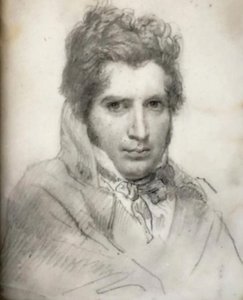
alexandre évariste fragonard
1780 - 1850 , France
Quick Facts
- Artistic Movement Or Style: Troubadour style
- Artists Who Influenced This Artist:
- Jean-Honoré Fragonard
- Jacques-Louis David
- Date Of Birth: October 26, 1780
- Date Of Death: November 10, 1850
- Full Name: Alexandre-Évariste Fragonard
- Nationality: French
- Notable Artworks:
- François Ier armé chevalier
- Vivant Denon Replacing El Cid
- Cardinal Mazarin at Deathbed
- Place Of Birth: Grasse, France
Related Articles
Romantic Realism's Finest: 10 Masterpieces for Your Home | ArtsDot
Explore 10 defining masterpieces of Romantic Realism! Discover Courbet, Millet & Daumier's powerful paintings—capturing emotion and social realities. Find museum-quality reproductions for your home at ArtsDot.com.
The Rococo Reverie of Fragonard: Love, Leisure & Pleasure in 18th-Century France
Explore the captivating world of Jean-Honoré Fragonard! Discover his Rococo masterpieces, intimate portraits & the allure of 18th-century French art. Learn about 'The Progress of Love' and more at ArtsDot.
Musée d'Orsay Masterpieces: 25 Iconic Paintings & Art Decor Ideas
Journey through the Musée d'Orsay’s 25 most iconic artworks! Explore Impressionist & Post-Impressionist masterpieces by Monet, Van Gogh, Degas & more. Find museum-quality art reproductions and curated decor ideas to bring timeless beauty home. Discover all masterpieces on ArtsDot.com
Romantic Masterpieces: 10 Artworks for a Timeless Home Decor Aesthetic
Fall in love with art! Explore 10 iconic romantic paintings – from Monet & Bouguereau to Fragonard. Discover the stories behind these masterpieces and find museum-quality reproductions for your home decor at .

Paul Huet: Capturing the Essence of French Romanticism Through Light and Landscape
Explore the captivating world of Paul Huet (1803-1869), a master of French Romantic landscape painting. Discover his influence on Barbizon & Impressionism, and browse high-quality reproductions at ArtsDot.