 Preview
 Send
Send Share
Share
 Details

 Download
 Similars
 X-Ray
X-Ray Diaporama
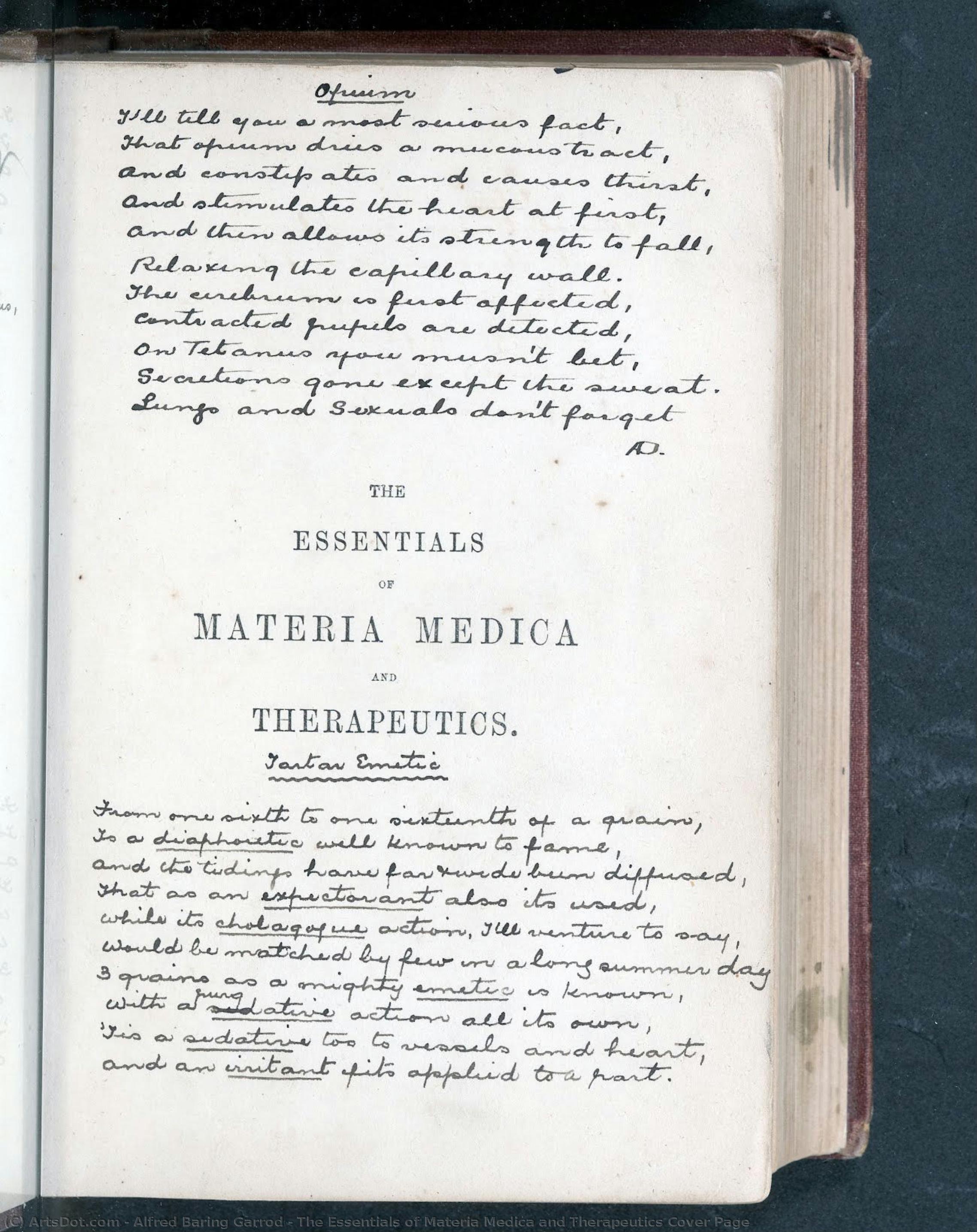
The Essentials of Materia Medica and Therapeutics Cover Page


 Read More
Hand Made Oil Reproduction
Hand-painted oil on canvas in your size and frame, made to order by our artists. ( Buy Print Buy Image)




































Pick from our preset sizes that match the artwork's original proportions.

You may enter your own dimensions to fit a specific frame or space. If your selected size does not match the original image's proportions, we will either crop the artwork or extend the painting with additional hand-painted elements. A digital mockup will be sent for your approval before production begins.
Please note that the on-screen preview does not reflect the actual cropping or extension. Only the mockup will accurately show the final composition.
While custom sizes are available, we recommend selecting a dimension from the predefined list to preserve the original proportions.
After order, ArtsDot.com team will email client for instructions and provide a mockup preview
Worldwide Delivery () in 3/4 weeks instead of standard 5 weeks. (31 August). No compromise on quality.

Free Worldwide Express Shipping

High-Quality Linen Canvas

Full Shipping Insurance

Customs Tax Refund Guarantee

True Color Matching Guarantee

60-Day Return Policy (Defects Only)

100% Money-Back Guarantee

Bulk Discount Offer
 Glass option is only available in size under 110 CM

The Essentials of Materia Medica and Therapeutics Cover Page
Reproduction Medium
Reproduction Size
-


Total Price
$ 263
Related Artworks

Artist Biography
Sir Alfred Baring Garrod: A Pioneer of Medical Science
Sir Alfred Baring Garrod (3 May 1819 – 28 December 1907) was an English physician whose groundbreaking research significantly advanced the understanding and treatment of metabolic diseases, particularly gout and rheumatoid arthritis. Though not an artist in the traditional sense, his meticulous observation and scientific inquiry represent a unique form of intellectual creativity.
Early Life and Education
Born in Ipswich, United Kingdom, Garrod began his medical training as an apprentice at Ipswich Hospital. He continued his education at University College Hospital, where he earned his medical doctorate in 1843. Following this, he served as an assistant at West London Hospital and a physician at the Aldersgate Dispensary, building a foundation for his future contributions to medicine.
Career and Research
Garrod’s career progressed steadily. In 1849, he was appointed full physician at University College Hospital, and in 1863, became a professor of materia medica and therapeutics at King's College Hospital. He transitioned to an honorary fellow and consultant physician in 1874, allowing him greater freedom for research.
His most significant discovery came in 1848 when he identified an abnormally high level of uric acid in the blood of patients suffering from gout. This observation led him to propose that gout was linked to a metabolic disorder – a revolutionary idea at the time. He further investigated potential treatments, notably advocating for the use of lithium as a remedy for gout and later, exploring its application in treating mental illnesses.
Key Achievements & Contributions
- Discovery of Hyperuricemia: Garrod’s identification of elevated uric acid levels in gout patients was a pivotal moment in understanding the disease's pathology.
- Lithium Therapy Pioneer: He was among the first to suggest lithium as a treatment for both gout and mental disorders, laying groundwork for future psychopharmacological research.
- Coined “Rheumatoid Arthritis” : Garrod is credited with giving a name to what we now know as rheumatoid arthritis, distinguishing it from other forms of joint inflammation.
- Materia Medica Expertise: His work on The Essentials of Materia Medica and Therapeutics (1877) became a standard reference for medical practitioners.
Influences & Legacy
While Garrod’s work was largely driven by direct clinical observation, he built upon the emerging understanding of chemistry and physiology in the 19th century. He wasn't directly influenced by artistic movements but shared with scientists a dedication to careful observation and detailed documentation.
His legacy extends beyond specific treatments. Garrod’s emphasis on biochemical abnormalities as the root cause of disease paved the way for modern metabolic research and genetic studies. His work foreshadowed the field of inborn errors of metabolism, later formalized by Archibald Garrod (his son), who applied Mendelian genetics to inherited diseases.
Recognition & Honors
- Delivered the Goulstonian Lectures to the Royal College of Physicians (1857)
- Elected a Fellow of the Royal Society (1858)
- President of the Medical Society of London (1860)
- Gave the Lumleian Lectures (1883)
- Knighted as “Sir Alfred Baring Garrod” (1887)
- Appointed “Physician Extraordinary” to Queen Victoria (1890)
Alfred Baring Garrod’s contributions were instrumental in transforming medical practice from a largely empirical art to a more scientifically grounded discipline. His dedication to rigorous observation and innovative thinking continues to inspire medical researchers today.
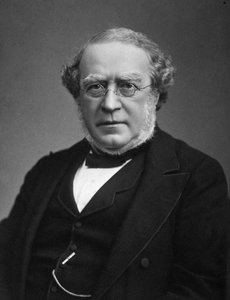
Alfred Baring Garrod
1819 - 1907 , United Kingdom
Quick Facts
- Birth Date: 1819-05-03
- Birth Place: Ipswich, United Kingdom
- Death Date: 1907-12-28
- Movement: Medical Research
- Name: Alfred Baring Garrod
- Nationality: British
- Notable Works: The Essentials of Materia Medica and Therapeutics
Related Articles

Sir Alfred Munnings' Masterpieces: 25 Paintings That Define Equine Art | ArtsDot
Explore 25 iconic Sir Alfred Munnings paintings! Discover the beauty of British Impressionism, equine art & rural England. Find museum-quality reproductions and elevate your home decor with ArtsDot. Explore the full collection online.
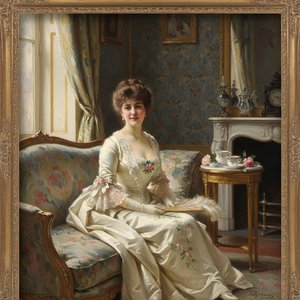
Alfred Stevens: Capturing Parisian Elegance & Fin-de-Siècle Intimacy
Discover the captivating world of Alfred Stevens, master of Parisian elegance & intimate portraiture. Explore his techniques, influences, and legacy – a prized collection for discerning art enthusiasts.
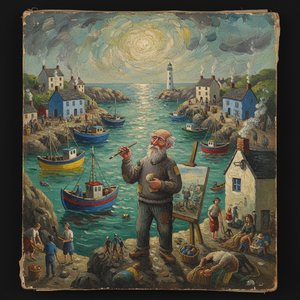
Alfred Wallis: Rediscovering the Naïve Visionary of Cornish Life
Discover the captivating world of Alfred Wallis, the self-taught Cornish painter championed by modernists. Explore his unique naive style, maritime scenes & lasting legacy with ArtsDot.
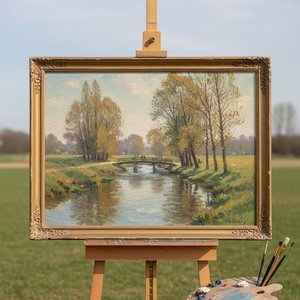
Alfred Sisley: Capturing the Ephemeral Essence of Impressionist Landscape
Explore the life & art of Alfred Sisley, a master of Impressionist landscape painting. Discover his dedication to 'en plein air' techniques and serene depictions of nature. Learn about his legacy & find high-quality reproductions at ArtsDot.
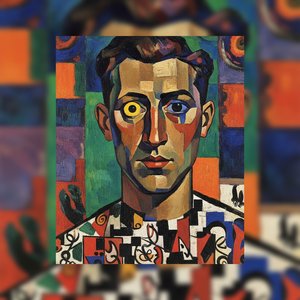
Alfred Henry Maurer: Reassessing the Pioneer of American Modernist Abstraction
Explore the groundbreaking work of Alfred Henry Maurer, a pivotal figure in American Modernism. Discover his Fauvist & Cubist paintings and understand his lasting influence on abstract art. Expert analysis for collectors.