 Preview
 Send
Send Share
Share
 Details

 Download
 Similars
 X-Ray
X-Ray Diaporama
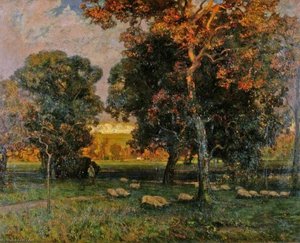
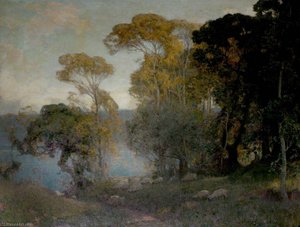
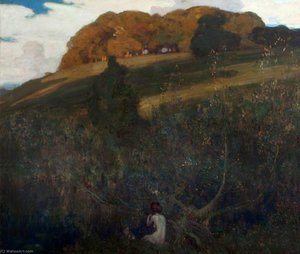
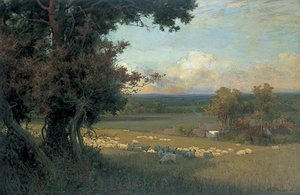
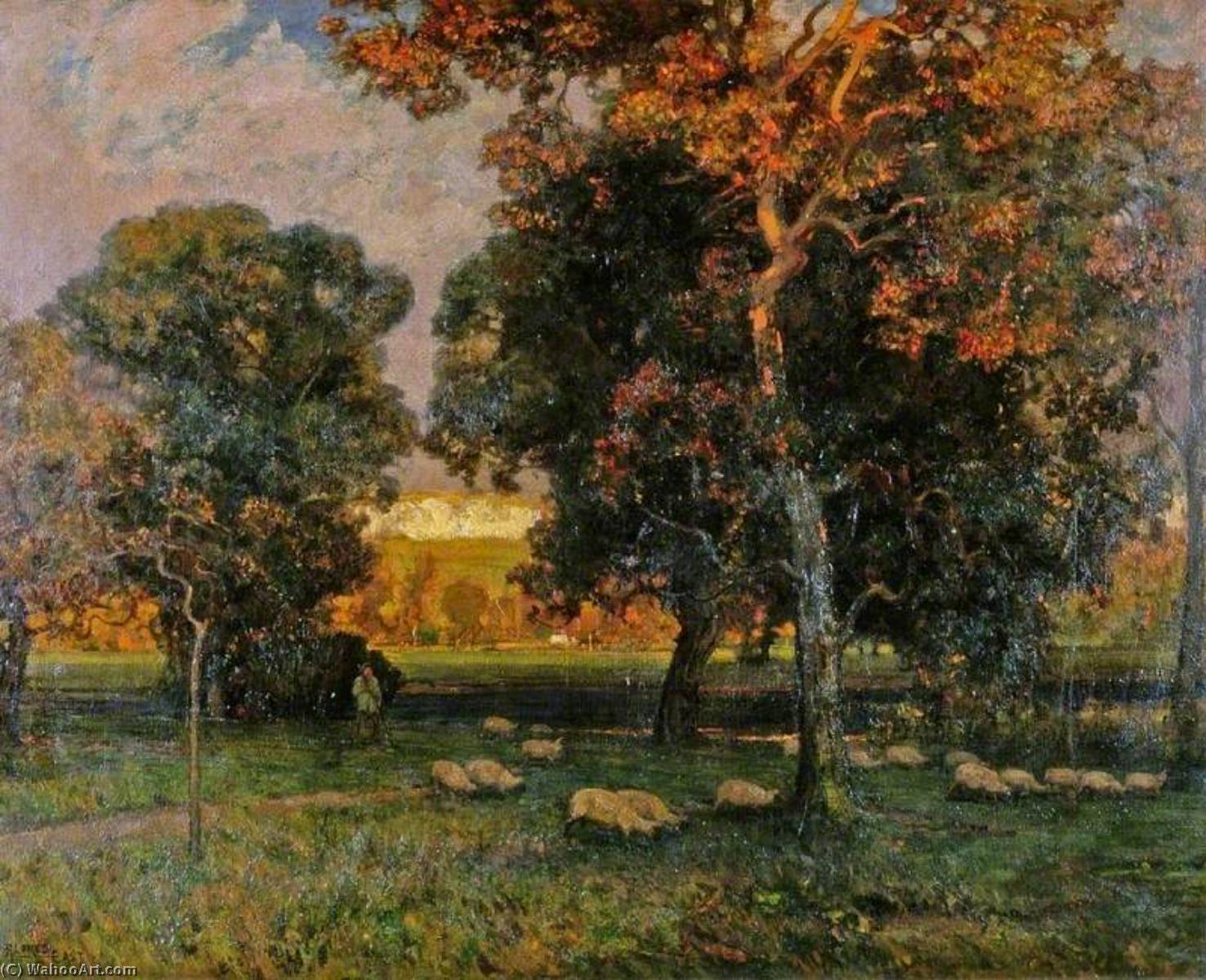
A Gleam before the Storm
 Oil
Oil- WallArt
- Barbizon school
 1900
1900- 19th Century
 122.0 x 152.0 cm
 Laing Art Gallery
 Read More
Hand Made Oil Reproduction
Hand-painted oil on canvas in your size and frame, made to order by our artists. ( Buy Print Buy Image)




P118B $10

P118H $10

P118W $10

P438Z $10

P508JH $12

P508YH $12

P805H $10

P805Z $10

P919BZ $10

P919G $10

P919XJ $10

P959ZH $10

P968JZ $12

W106C $8

W218G $10

W218JH $8

W218Y $10

W307PJ $10

W316G $10

W316PJ $8

W316Y $10

W398PJ $8

W4111J $10

W500HY $15

W500JH $15

W692G $12

W849H $8

W940BG $15

W953PJ $8




Pick from our preset sizes that match the artwork's original proportions.

You may enter your own dimensions to fit a specific frame or space. If your selected size does not match the original image's proportions, we will either crop the artwork or extend the painting with additional hand-painted elements. A digital mockup will be sent for your approval before production begins.
Please note that the on-screen preview does not reflect the actual cropping or extension. Only the mockup will accurately show the final composition.
While custom sizes are available, we recommend selecting a dimension from the predefined list to preserve the original proportions.
After order, ArtsDot.com team will email client for instructions and provide a mockup preview
Worldwide Delivery () in 3/4 weeks instead of standard 5 weeks. (17 August). No compromise on quality.

Free Worldwide Express Shipping

High-Quality Linen Canvas

Full Shipping Insurance

Customs Tax Refund Guarantee

True Color Matching Guarantee

60-Day Return Policy (Defects Only)

100% Money-Back Guarantee

Bulk Discount Offer
 Glass option is only available in size under 110 CM

A Gleam before the Storm
Reproduction Medium
Reproduction Size
-


Total Price
$ 263
Artwork Description
A Serene Prelude: The Soul of the English Countryside
In the quiet moments before the sky turns heavy with rain, there exists a profound, breathless stillness that only the most observant eyes can capture. "A Gleam before the Storm", painted in 1900 by the esteemed Sir Alfred Edward East, serves as a masterful window into this fleeting atmospheric phenomenon. The canvas unfolds into a lush, pastoral sanctuary where a herd of sheep grazes peacefully beneath the protective canopy of ancient trees. This is not merely a depiction of livestock and flora; it is an evocative study of the delicate equilibrium between tranquility and the approaching tempest. As the viewer’s gaze wanders through the verdant field, one encounters at least thirteen sheep, their forms scattered with a naturalistic grace that creates a remarkable sense of depth and movement within the landscape.
The composition is further enriched by the presence of two horses, positioned strategically to guide the eye across the breadth of the meadow. One horse rests near the center-left, while another stands sentinel at the edge of the frame, adding a layer of lifelike vitality to the scene. The trees, rendered with meticulous attention to the intricate dance of branches and leaves, act as both a frame and a sanctuary, anchoring the composition with their sturdy, detailed presence. Through this careful arrangement, East invites us into a world where time seems to slow, allowing for a deep, meditative connection with the rhythms of rural life.
Mastery of Light and the Barbizon Influence
As a leading figure in English landscape painting, Alfred East drew significant inspiration from the Barbizon school, a movement that prioritized the emotional truth of nature over idealized perfection. In this work, we see the hallmarks of that influence through his sophisticated use of light and texture. The "gleam" referenced in the title is not merely a visual element but a technical triumph; it is the way the light catches the edges of the foliage and the wool of the sheep just before the shadows of the storm clouds descend. His technique employs a rich, layered approach that gives the grass a tactile quality and the trees a sculptural weight.
For the discerning collector or interior designer, this painting offers more than just aesthetic beauty; it provides an emotional anchor for any space. The interplay of light and shadow creates a dynamic atmosphere that can transform a room, offering a sense of calm sophistication. Whether placed in a sunlit gallery or a cozy study, the artwork’s ability to evoke the scent of damp earth and the quiet rustle of leaves makes it a timeless piece of fine art. It stands as a testament to the enduring power of the landscape genre to capture the ephemeral beauty of our natural world.
A Timeless Legacy for the Modern Collector
Owning a reproduction of such a significant work allows one to bring the historical grandeur of the turn of the century into a contemporary setting. "A Gleam before the Storm" is a piece that speaks to the heart of anyone who finds solace in nature. It embodies a romanticism that is both nostalgic and eternally relevant, reminding us of the beauty found in the quietest intervals of life. The painting’s large scale—measuring 122 x 152 cm—ensures that its narrative impact is felt immediately, making it a commanding centerpiece for those seeking to curate an environment of elegance, peace, and historical depth.
Related Artworks
Artist Biography
Henri Rousseau: The Primitivist Visionary
Born in Laval, France, in 1844, Henri Julien Félix Rousseau’s life was one of quiet transformation and surprising artistic revelation. Initially destined for a practical trade – his father was a tinsmith – Rousseau's early years were marked by hardship and a sense of displacement. He navigated the challenges of a turbulent family life, attending school sporadically and ultimately finding himself working as a toll collector in Paris. This seemingly mundane occupation, however, provided him with a unique vantage point, observing the world through the eyes of a solitary figure, a perspective that would profoundly shape his artistic vision. It was during this period, in his early forties, that Rousseau’s latent talent finally burst forth, igniting a lifelong passion for painting.
Unlike many artists who sought formal training, Rousseau remained largely self-taught. He immersed himself in the vibrant art scene of Paris, studying the works of masters and absorbing the spirit of Impressionism and Post-Impressionism. Crucially, he found inspiration not in academic realism but in the exotic imagery of ethnographic museums – particularly the Musée d’Ethnographie du Trocadéro – where he encountered depictions of indigenous cultures from around the globe. These encounters sparked a fascination with primitive art forms, fueling his desire to capture the essence of human experience and the natural world without the constraints of Western conventions.
The World Within: Rousseau's Distinctive Style
Rousseau’s artistic style is instantly recognizable – a captivating blend of naive realism, Primitivism, and elements of Symbolism. His paintings are characterized by bold colors, simplified forms, and a dreamlike quality that defies easy interpretation. He eschewed traditional perspective and often depicted scenes with an almost hallucinatory intensity, as if peering into the subconscious. Subjects such as sleeping figures, exotic animals (particularly tigers), and solitary individuals immersed in contemplation dominate his oeuvre.
Works like *The Sleeping Gypsy* (1897) and *Tiger in a Tropical Storm* (1906) are prime examples of this distinctive style. The former evokes a poignant sense of vulnerability and isolation, while the latter pulsates with raw emotion and primal energy. Rousseau’s technique involved applying paint directly to the canvas with thick, expressive brushstrokes, creating a tactile surface that invites close examination. He deliberately avoided meticulous detail, prioritizing emotional impact over photographic accuracy.
Influences and Legacy
Rousseau's artistic journey was profoundly influenced by several key movements and artists. The Impressionists, particularly Mary Cassatt, provided him with valuable insights into color theory and composition. However, it was his encounter with Primitivism – the celebration of non-Western art forms – that truly liberated his imagination. Artists like Paul Gauguin and Vincent van Gogh, who similarly sought to bypass academic conventions, served as kindred spirits. Rousseau’s work also resonated with Symbolist painters interested in exploring psychological themes and subjective experiences.
Despite facing considerable criticism during his lifetime—many critics dismissed his paintings as childish or amateurish—Rousseau's influence on subsequent generations of artists is undeniable. His embrace of naive techniques, his exploration of primal emotions, and his willingness to challenge artistic norms paved the way for movements such as Fauvism and Expressionism. Today, Henri Rousseau is recognized as a pioneering figure in modern art, a visionary who dared to paint from the depths of his own imagination.
Major Works
- The Sleeping Gypsy (1897): Perhaps his most famous work, this painting captures a scene of quiet contemplation and vulnerability.
- Tiger in a Tropical Storm (1906): A powerful depiction of raw emotion and primal energy.
- Boy on the Rocks (1897): Illustrates his interest in depicting human figures within natural settings.
- The Hungry Lion Throws Itself on the Antelope (1900): A dramatic and unsettling image exploring themes of aggression and survival.
- Post-Impressionism & Naïve Art: Rousseau’s work is considered a key example of both movements, blending elements of each to create his unique style.
A Lasting Impact
Henri Rousseau's life and art offer a compelling testament to the transformative power of self-discovery. He began painting later than most artists, yet he achieved remarkable success, leaving behind a body of work that continues to captivate and inspire. His unwavering commitment to his own artistic vision—a vision rooted in observation, emotion, and a deep appreciation for the beauty of the world—solidifies his place as one of the most important and enigmatic figures in modern art.
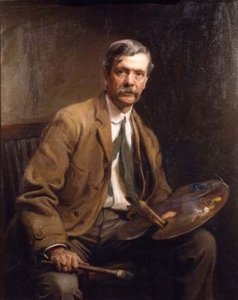
alfred east
1844 - 1913
Quick Facts
- Artistic Movement Or Style:
- Post-Impressionism
- Naïve art
- Primitivism
- Artists Or Movements Influenced By This Artist: ['Avant-garde']
- Artists Who Influenced This Artist: ['Mary Cassatt']
- Date Of Birth: May 21, 1844
- Date Of Death: September 2, 1910
- Full Name: Henri Julien Félix Rousseau
- Nationality: French
- Notable Artworks:
- The Sleeping Gypsy
- Tiger in a Tropical Storm
- Boy on the Rocks
- Place Of Birth: Laval, Mayenne, France
Related Articles

John Constable's Masterpieces: Explore 25 Iconic Landscapes for Your Home
Journey through John Constable's 25 most celebrated landscapes. Explore Romanticism, Dedham Vale & his masterful use of light in iconic paintings like 'Hay Wain'. Find museum-quality art reproductions and elevate your home decor on ArtsDot.com.
Idyllic Visions: Exploring the Pastoral Scene in Art History – From Arcadia to Modern Interpretations
Explore the captivating history of pastoral art from classical Arcadia to modern masterpieces. Discover key artists like Millet & Cole at ArtsDot. Find serene landscape paintings for your home.

Beyond the Horizon: 10 Landscape Masterpieces for Your Home Decor
Journey through 10 breathtaking landscape paintings by Monet, Van Gogh & more! Explore iconic artworks, artistic techniques & find inspiration for your home decor. Museum-quality reproductions at ArtsDot.com. Discover all masterpieces on ArtsDot.com
Idyllic Visions: Exploring the Pastoral Tradition in Western Art – Themes, Techniques & Enduring Appeal
Explore the rich history of pastoral art from classical Arcadia to contemporary interpretations. Discover key artists, themes & collecting tips at ArtsDot.

Romantic Landscapes: 10 Masterpieces for Your Home | ArtsDot
Journey through 10 Romantic landscape masterpieces by Friedrich, Turner & Cole. Explore emotional art, sublime nature scenes & iconic 19th-century paintings. Find museum-quality reproductions for your home at ArtsDot.com – discover the full collection online!