 Preview
 Send
Send Share
Share
 Details

 Download
 Similars
 X-Ray
X-Ray Diaporama
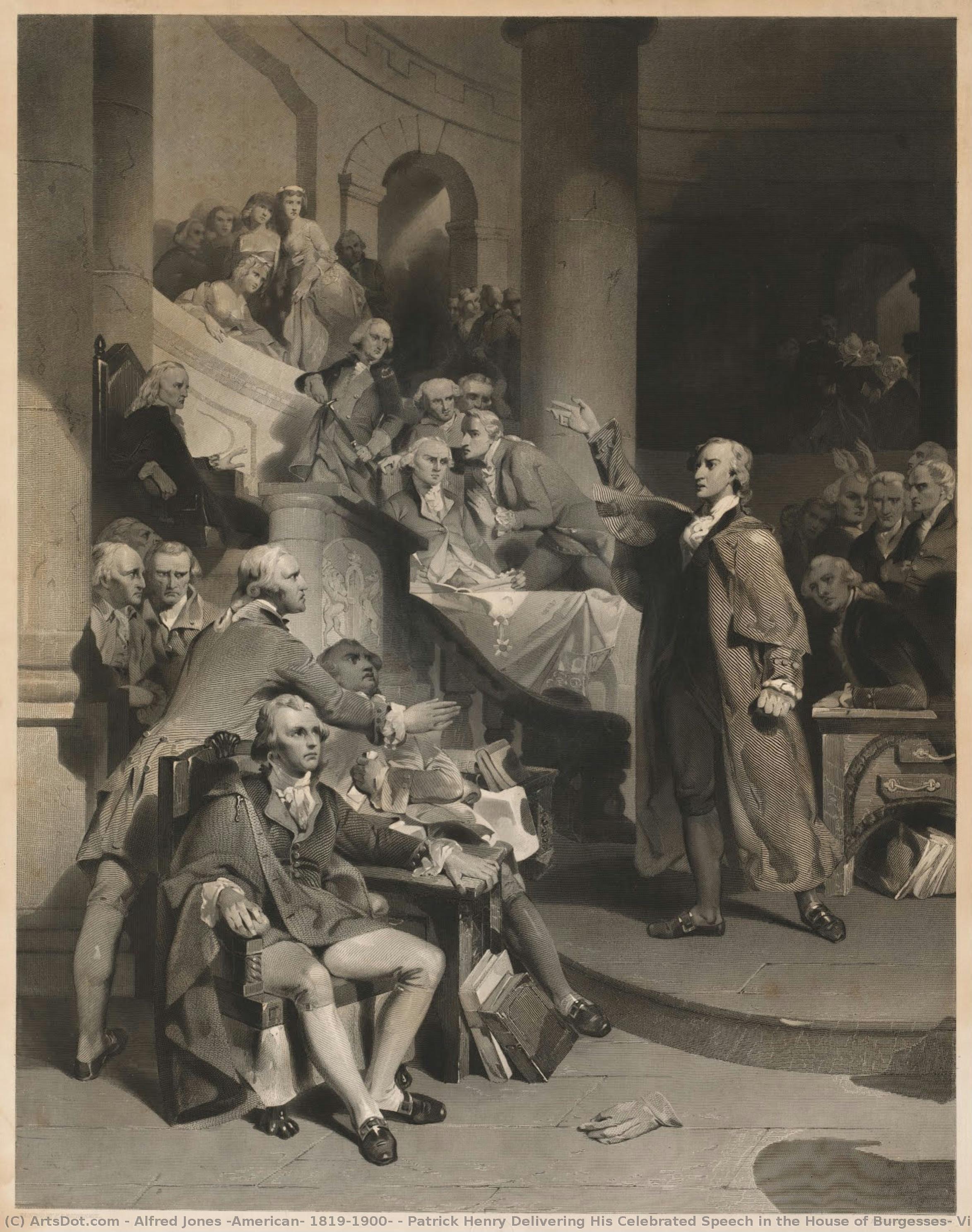
Patrick Henry Delivering His Celebrated Speech in the House of Burgesses, Virginia


 Read More
Hand Made Oil Reproduction
Hand-painted oil on canvas in your size and frame, made to order by our artists. ( Buy Print Buy Image)




































Pick from our preset sizes that match the artwork's original proportions.

You may enter your own dimensions to fit a specific frame or space. If your selected size does not match the original image's proportions, we will either crop the artwork or extend the painting with additional hand-painted elements. A digital mockup will be sent for your approval before production begins.
Please note that the on-screen preview does not reflect the actual cropping or extension. Only the mockup will accurately show the final composition.
While custom sizes are available, we recommend selecting a dimension from the predefined list to preserve the original proportions.
After order, ArtsDot.com team will email client for instructions and provide a mockup preview
Worldwide Delivery () in 3/4 weeks instead of standard 5 weeks. (26 August). No compromise on quality.

Free Worldwide Express Shipping

High-Quality Linen Canvas

Full Shipping Insurance

Customs Tax Refund Guarantee

True Color Matching Guarantee

60-Day Return Policy (Defects Only)

100% Money-Back Guarantee

Bulk Discount Offer
 Glass option is only available in size under 110 CM

Patrick Henry Delivering His Celebrated Speech in the House of Burgesses, Virginia
Reproduction Medium
Reproduction Size
-


Total Price
$ 463
Related Artworks
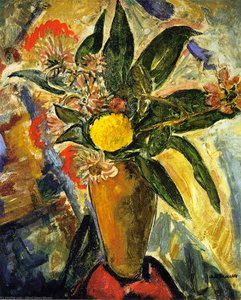
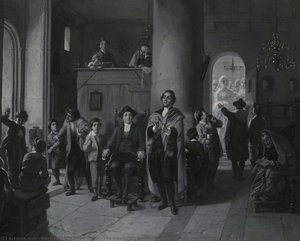
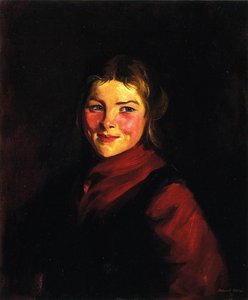
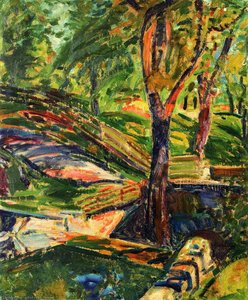
Artist Biography
The Life and Legacy of Alfred Jones
Born in the historic maritime city of Liverpool, England, in 1819, Alfred Jones embarked on a journey that would eventually weave his talent into the very fabric of American visual identity. Though his roots were British, his artistic soul found its true expression upon reaching the shores of the United States. His early years were marked by a profound immersion in the aesthetic movements of his era, most notably the Pre-Raphaelite Brotherhood. This influence, characterized by a devotion to intense detail and luminous color, would become a cornerstone of his technical approach, allowing him to bridge the gap between the delicate precision of engraving and the emotive power of oil painting.
As his career matured, Jones transitioned from the meticulous world of fine lines to the expansive realms of portraiture and landscape. His ability to manipulate light and shadow was not merely a technical feat but a way to breathe life into his subjects. Whether capturing the quiet dignity of a sitter in "Portrait of a Lady" or the sweeping, atmospheric grandeur of the "Landscape of the Hudson River," Jones utilized bold lines and a vibrant palette that resonated with the burgeoning American spirit of the 19th century. His work often mirrored the romanticism of his contemporaries, such as William Blake, blending a sense of mysticism with a grounded, observational realism.
Mastery of the Burin and the Brush
One of the most remarkable chapters in Jones's professional life occurred during the 1890s, when he joined the prestigious American Bank Note Company in New York. It was here that his skill as an engraver reached its zenith, serving a purpose that was both artistic and civic. His precision was immortalized in the 1890 postage stamp honoring Thomas Jefferson, a work that required an extraordinary level of detail to convey the dignity of the founding father through the medium of steel engraving. This period of his life highlights a unique duality: he was simultaneously a fine artist capable of sweeping landscapes and a master craftsman capable of the microscopic accuracy required for national currency and stamps.
The technical evolution of Jones can be seen in how he integrated his engraver's eye into his paintings. The structural integrity found in his portraits—the way a jawline is defined or the fold of a garment is rendered—betrays his training with the burin. This disciplined approach to form, combined with an unapologetic use of color, allowed him to stand alongside giants of American art. His influence can be traced through the works of later masters like John Singer Sargent and Winslow Homer, who similarly grappled with the balance of bold, decisive strokes and profound atmospheric depth.
Historical Significance and Enduring Presence
The historical importance of Alfred Jones lies in his role as a cultural conduit. He brought the refined sensibilities of British art movements to the American landscape, helping to shape a distinct national aesthetic during a period of rapid growth. His ability to capture both the intimate human experience and the vast, untamed beauty of the American wilderness ensured that his work remained relevant across different genres.
Today, the legacy of Alfred Jones is preserved within the hallowed halls of some of the world's most esteemed institutions. His contributions to the art historical canon are evidenced by the presence of his masterpieces in:
- The Metropolitan Museum of Art, where his technical prowess continues to inspire scholars.
- The National Gallery of Art, showcasing his role in defining 19th-century American landscape traditions.
- Private collections worldwide, where his vibrant portraits serve as windows into a bygone era of elegance and craftsmanship.
Through the meticulous preservation of his engravings and the enduring beauty of his paintings, Alfred Jones remains a vital figure for anyone seeking to understand the intersection of fine art and industrial craftsmanship in the 19th century.
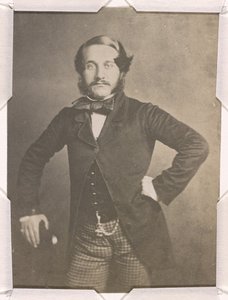
alfred jones (american, 1819-1900)
1819 - 1900 , United Kingdom
Quick Facts
- Artistic Movement Or Style: Pre-Raphaelite Style
- Artists Or Movements Influenced By This Artist: ['Winslow Homer']
- Artists Who Influenced This Artist:
- William Blake
- John Singer Sargent
- Date Of Birth: Liverpool, England (1819)
- Date Of Death: 1900
- Full Name: Alfred Jones
- Nationality: American
- Notable Artworks:
- Portrait of a Lady
- Landscape of the Hudson River
- Place Of Birth: Liverpool
Related Articles
Henri Matisse's Masterpieces: Explore 25 Iconic Paintings & Art Decor Ideas
Journey through Henri Matisse's 25 most iconic paintings! Explore Fauvism, vibrant colors & the stories behind masterpieces like 'The Dance'. Find museum-quality art reproductions and curated decor ideas to elevate your space. Discover all masterpieces on ArtsDot.com.
Sir Alfred Munnings' Masterpieces: 25 Paintings That Define Equine Art | ArtsDot
Explore 25 iconic Sir Alfred Munnings paintings! Discover the beauty of British Impressionism, equine art & rural England. Find museum-quality reproductions and elevate your home decor with ArtsDot. Explore the full collection online.

Alfred Henry Maurer: Reassessing the Pioneer of American Modernist Abstraction
Explore the groundbreaking work of Alfred Henry Maurer, a pivotal figure in American Modernism. Discover his Fauvist & Cubist paintings and understand his lasting influence on abstract art. Expert analysis for collectors.
Robert Henri & the Spirit of American Realism: A Legacy of Urban Life and Artistic Independence
Explore the life & legacy of Robert Henri, a pivotal figure in American Realism. Discover his captivating portraits, influence on the Ashcan School, and enduring impact on art history. Learn more at ArtsDot.
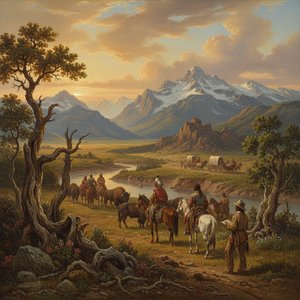
Alfred Jacob Miller: Chronicling the American West Through Artistic Observation & Narrative
Explore the captivating art of Alfred Jacob Miller, chronicler of the American West. Discover his iconic paintings, techniques & lasting legacy – a valuable addition to any serious collection. Learn more at ArtsDot.