 Preview
 Send
Send Share
Share
 Details

 Download
 Similars
 X-Ray
X-Ray Diaporama
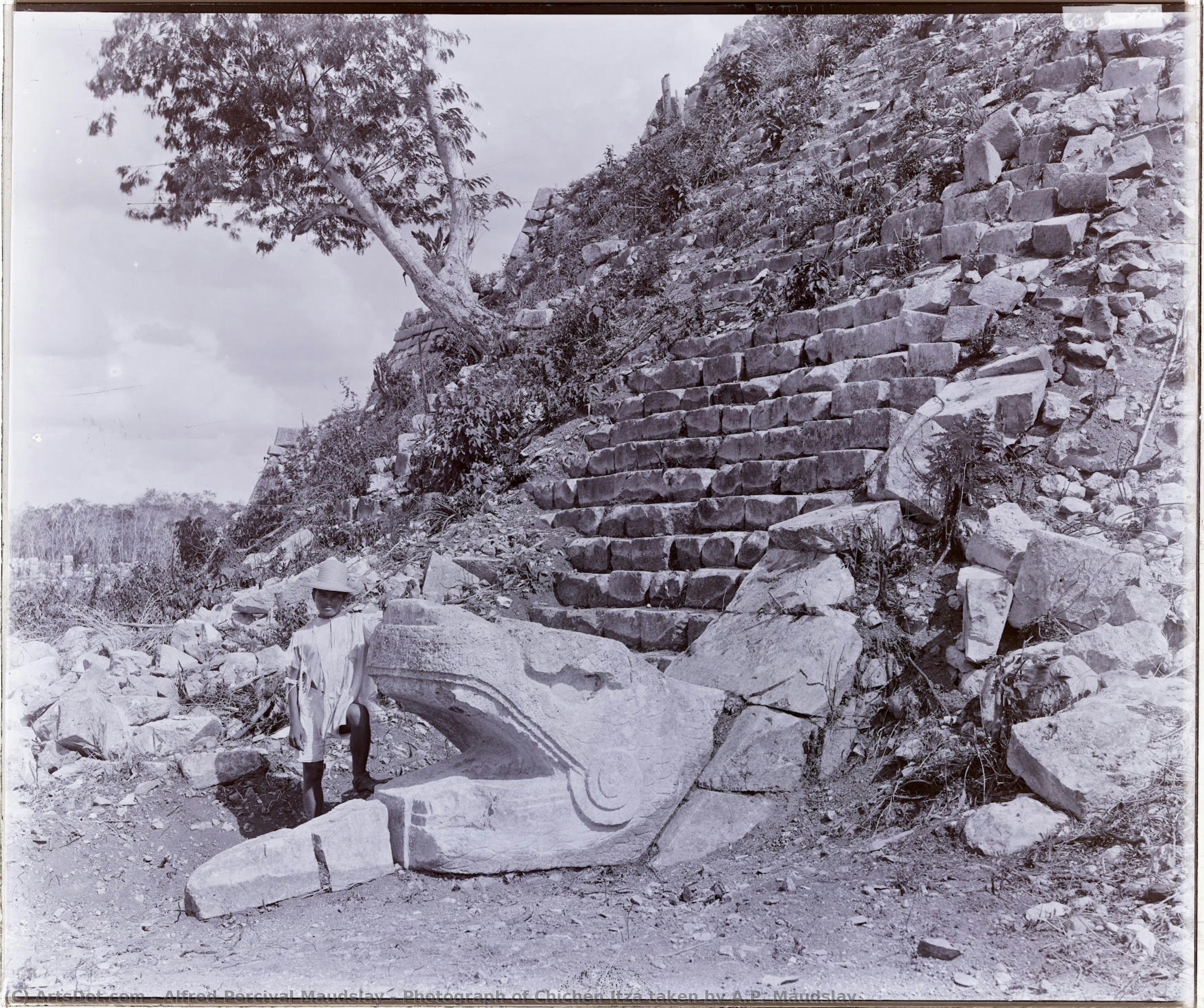
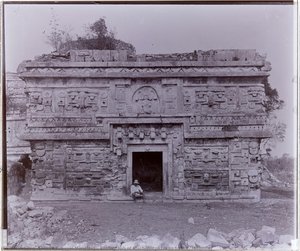
Photograph of Chichén Itzá taken by A.P. Maudslay
 Acrylic
- WallArt
- Documentary Photography
 1894
1894 25.0 x 30.0 cm
 British Museum
 Read More
Giclée / Art Print
Museum-quality giclée or canvas print with fast production and flexible finish options. ( Buy Hand Made Painting Buy Image)




P118B $10

P118H $10

P118W $10

P438Z $10

P508JH $12

P508YH $12

P805H $10

P805Z $10

P919BZ $10

P919G $10

P919XJ $10

P959ZH $10

P968JZ $12

W106C $8

W218G $10

W218JH $8

W218Y $10

W307PJ $10

W316G $10

W316PJ $8

W316Y $10

W398PJ $8

W4111J $10

W500HY $15

W500JH $15

W692G $12

W849H $8

W940BG $15

W953PJ $8




Pick from our preset sizes that match the artwork's original proportions.

You may enter your own dimensions to fit a specific frame or space. If your selected size does not match the original image's proportions, we will either crop the artwork or extend the image with a mirrored or solid-fill edge. A digital mockup will be sent for your approval before production begins.
Please note that the on-screen preview does not reflect the actual cropping or extension. Only the mockup will accurately show the final composition.
While custom sizes are available, we recommend selecting a dimension from the predefined list to preserve the original proportions.
Worldwide Delivery () in 2 weeks instead of standard 4/5 weeks. (4 September)

Free Worldwide Express Shipping

High-Quality Linen Canvas

Full Shipping Insurance

Customs Tax Refund Guarantee

True Color Matching Guarantee

60-Day Return Policy (Defects Only)

100% Money-Back Guarantee

Bulk Discount Offer
 Glass option is only available in size under 110 CM

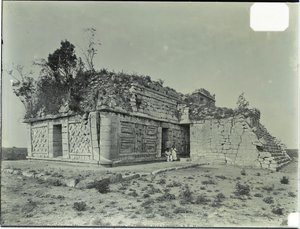
Photograph of Chichén Itzá taken by A.P. Maudslay
Giclée / Art Print
Reproduction Size
-


Total Price
$ 63
A Window into the Ancient World: Alfred Percival Maudslay’s 1894 Photograph
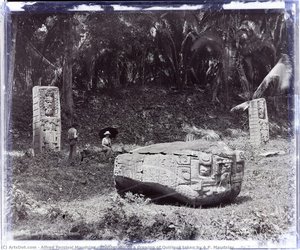
The image before you – “Photograph of Chichén Itzá taken by A.P. Maudslay” – is more than simply a depiction of an ancient Mayan city; it's a portal, a meticulously crafted snapshot frozen in time that offers a rare and intimate glimpse into the late 19th century’s burgeoning field of archaeology. Captured in stark black and white during 1894 by British colonial administrator and archaeologist Alfred Percival Maudslay, this remarkable wet collodion photograph transcends its documentary origins to become a powerful testament to both the grandeur of Mayan civilization and the pioneering spirit of early exploration.
Maudslay’s journey to Chichén Itzá wasn't driven by a desire for conquest or colonial ambition, but rather by an insatiable curiosity and a profound respect for the intricate cultures he encountered. He arrived at a time when systematic archaeological study was still in its infancy, and his work laid crucial groundwork for understanding the complexities of Mayan society – a legacy that continues to resonate today. The photograph itself is a product of this era’s technological limitations and artistic sensibilities, utilizing the then-new process of wet collodion photography to capture the scene with remarkable detail.
The Anatomy of an Image: Composition and Technique
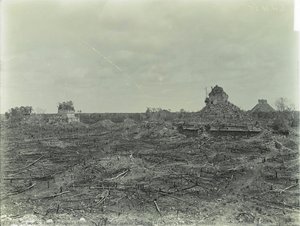
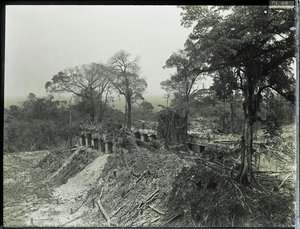
Upon first glance, the photograph presents a monumental stone structure – likely a temple or fortress – dominating the frame. This central element is positioned with deliberate precision, anchoring the composition while simultaneously inviting the viewer to explore the surrounding landscape. The use of a horizontal format emphasizes the scale and breadth of the ruins, creating an immediate sense of awe and wonder. Foreground elements—uneven ground and sparse foliage—serve as subtle guides, drawing the eye deeper into the scene and subtly suggesting a journey through time.
- Wet Collodion Process: The photograph’s monochrome palette is a direct result of the wet collodion process, a demanding technique requiring immediate development. This method produced images with a unique tonal range and subtle textures, contributing to the photograph's evocative quality.
- Compositional Balance: Maudslay masterfully balances the monumental architecture with the natural elements, creating a harmonious composition that highlights both the human-made and the naturally occurring aspects of the site.
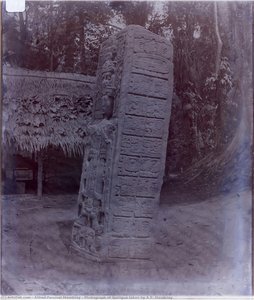
- Detail and Texture: The image is remarkably detailed, capturing the weathered stone surfaces, intricate carvings, and subtle textures of the ruins – a testament to Maudslay’s meticulous observation and photographic skill.
Symbolism and Historical Context
Beyond its technical merits, the photograph carries significant symbolic weight. It represents a crucial moment in the intersection of Western exploration and indigenous cultures—a complex narrative marked by both discovery and potential disruption. The ruins themselves are potent symbols of a lost civilization, embodying themes of time, decay, and the enduring power of human ingenuity. The image also speaks to the Victorian fascination with archaeology and the romanticized notion of “primitive” societies, reflecting the attitudes prevalent during that era.
Furthermore, Maudslay’s meticulous documentation of Chichén Itzá—including his detailed drawings, inscriptions, and plaster casts—contributed significantly to our understanding of Mayan culture. His work helped to preserve a vital record of this ancient civilization for future generations, ensuring its legacy would endure beyond the confines of time.
A Legacy in Reproduction: Bringing History Home
Today, through high-quality reproductions like those offered by ArtsDot.com, we can experience Maudslay’s photograph with unparalleled clarity and detail. Whether displayed as a striking statement piece in a contemporary interior or studied as an invaluable historical document, this image offers a tangible connection to the past—a reminder of the enduring mysteries and profound beauty of ancient civilizations. Consider commissioning a giclee print; it's more than just art; it’s a window into another world.
Related Artworks
Artist Biography
**early life and education**
alfred percival maudslay, a british colonial administrator and archaeologist, was born on 18 march 1850 in london into a wealthy family. he studied natural sciences at trinity hall, cambridge, obtaining a ba in 1872.**career and travels**
maudslay's early plans for a medical career were deferred as he travelled with his brother, touring central america, mexico, and parts of the united states. this journey sparked an interest in archaeology, which would later define his legacy. after returning home, maudslay again postponed medical school to travel to iceland in 1873. his chronic bronchitis led him to seek a warmer climate, leading to a series of positions in jamaica, trinidad, and eventually, the south pacific.**archaeological contributions**
maudslay's time in the british pacific colonies laid the groundwork for his future archaeological pursuits. he became interested in collecting ethnographic materials, which would eventually contribute to the formation of the university museum of archaeology and ethnology at cambridge. his friend, ornithologist osbert salvin, encouraged maudslay to explore the maya ruins of quiriguá and copán.**notable achievements**
* maudslay was the first to describe the site of yaxchilán. * he explored chichén in the 1880s, taking extensive photographs. * published the first long-form description of chichen itza in his book, biologia centrali-americana. * made a complete translation with annotations of bernal díaz del castillo's historia, which remains the standard english edition.**artistic legacy**
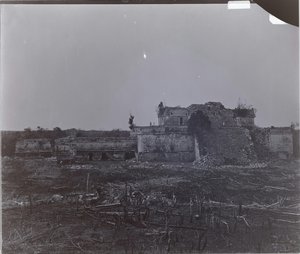
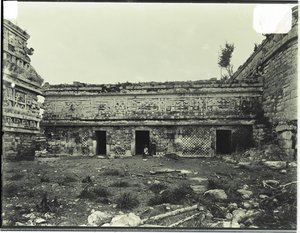
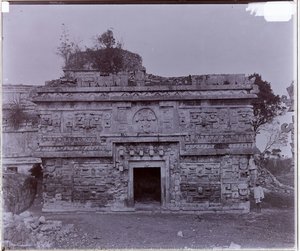
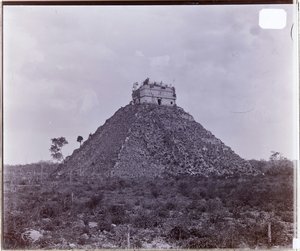
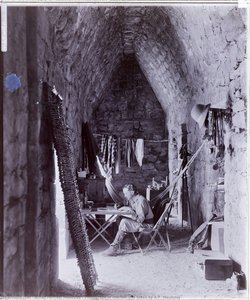
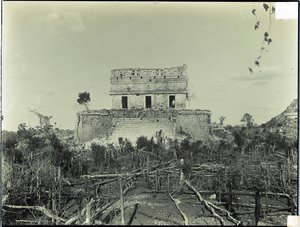
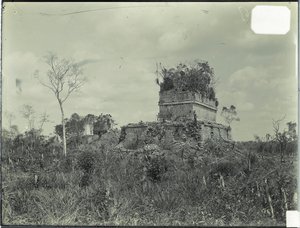
maudslay's photographs and writings have been preserved, offering a unique glimpse into the world of 19th-century archaeology. his work can be found in various museums, including the british museum (london, united kingdom), which houses several of his photographs.- photograph of chichén itzá taken by a.p. maudslay (16 x 21 cm, british museum, photograph)
- photograph of chichén itzá taken by a.p. maudsly (25 x 30 cm, british museum, photograph)
- photograph of copán taken by a.p. maudslay (31 x 25 cm, british museum, photograph)
**conclusion**
alfred percival maudslay's legacy is a testament to the power of curiosity and exploration. from his early days as a colonial administrator to his later years as an archaeologist, maudslay's work continues to inspire and educate.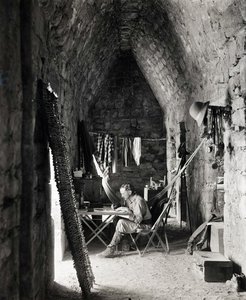
alfred percival maudslay
1850 - 1931 , United Kingdom
Quick Facts
- Artistic Movement Or Style: Archaeology/Photography
- Date Of Birth: 1850
- Date Of Death: 1931
- Full Name: Alfred Percival Maudslay
- Nationality: British
- Notable Artworks: ['Photograph of Chichén Itzá']
- Place Of Birth: London, United Kingdom
Related Articles

Monochrome Visions: Exploring the Aesthetic & Historical Significance of Black & White Photography
Explore the rich history & artistic power of black and white photography. From early techniques to iconic masters like Ansel Adams, discover why monochrome continues to captivate art lovers today. Expert insights for collectors.
Beyond the Lens: Photography's Enduring Influence on Modern & Contemporary Art
Explore photography's pivotal role in shaping modern & contemporary art. Discover key movements, influential artists like Stieglitz, and expert collecting advice from ArtsDot.

Pictorialism: A Search for Artistic Photography's Soul – Aesthetics, Techniques & Legacy
Explore the captivating world of Pictorialism – a pivotal movement that transformed photography into fine art. Discover key artists like Stieglitz & Käsebier, techniques, and collecting tips from experts.
Witnessing History Through Lens & Light: Documentary Photography's Enduring Legacy
Explore the powerful history of documentary photography – from its origins to contemporary masters like Gordon Parks & W. Eugene Smith. Discover how this art form shapes our understanding of society and witness pivotal moments in time.
Documentary Photography's Defining Moments: 10 Masterpieces for Your Home |
Explore 10 defining documentary photography masterpieces – from Dorothea Lange to Robert Capa. Discover powerful stories, iconic images & timeless art for your home. Museum-quality prints at .