 Preview
 Send
Send Share
Share
 Details

 Download
 Similars
 X-Ray
X-Ray Diaporama
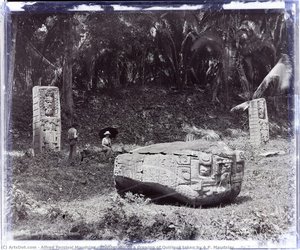
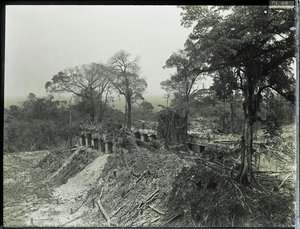
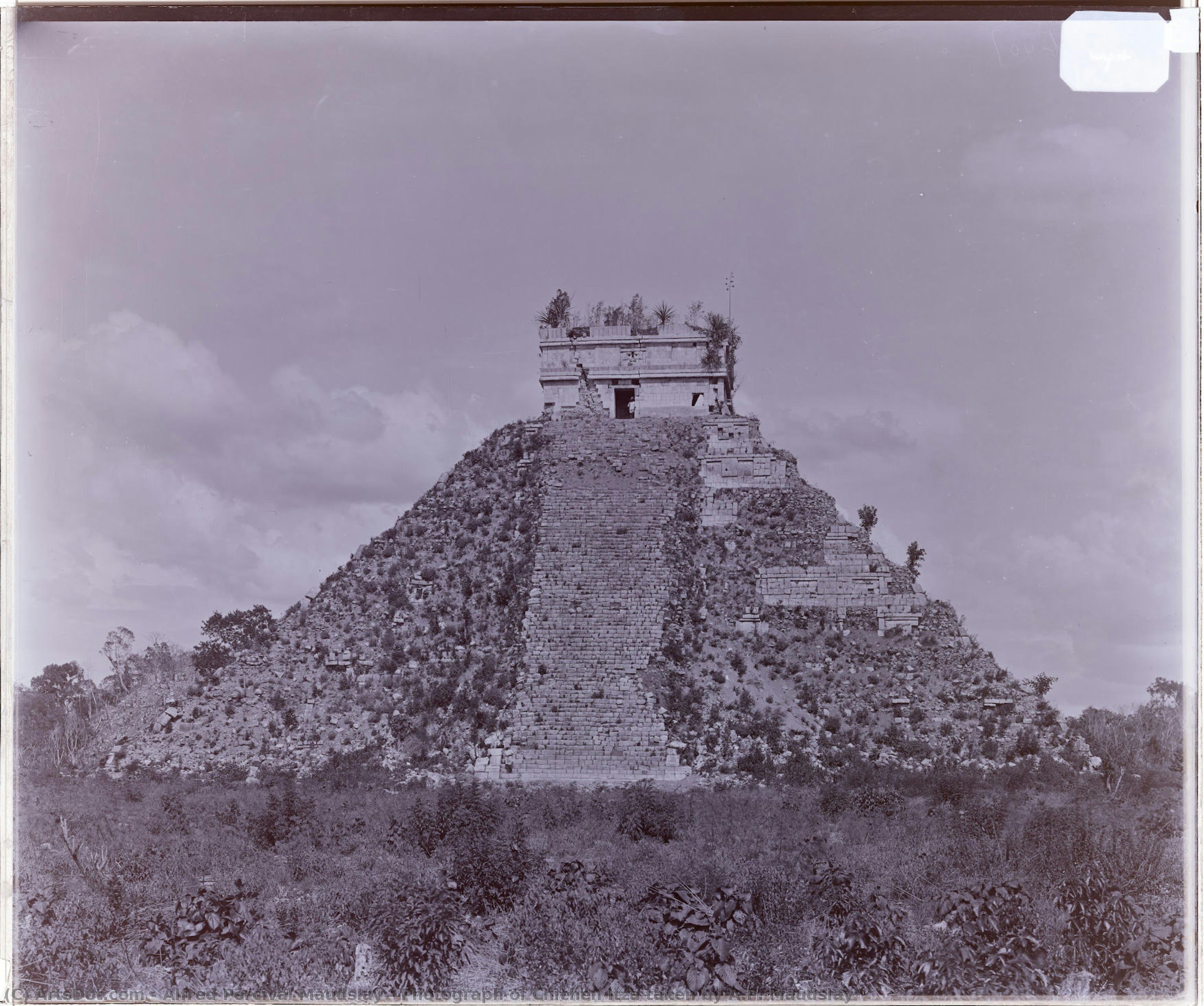
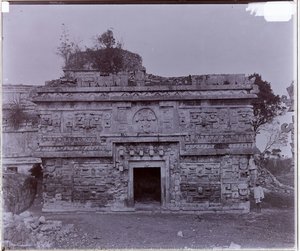
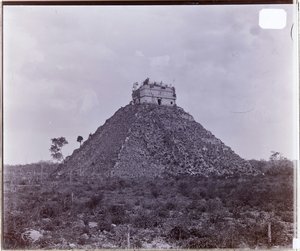
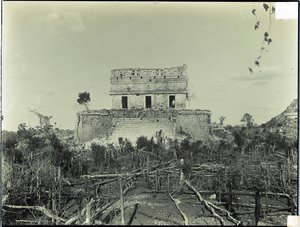
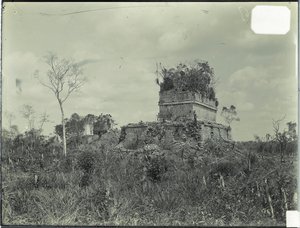
Photograph of Chichén Itzá taken by A.P. Maudslay
 Acrylic On Canvas
- WallArt
- Impressionistic Photography
 1894
1894 25.0 x 30.0 cm
 British Museum
 Read More
Hand Made Oil Reproduction
Hand-painted oil on canvas in your size and frame, made to order by our artists. ( Buy Print Buy Image)




P118B $10

P118H $10

P118W $10

P438Z $10

P508JH $12

P508YH $12

P805H $10

P805Z $10

P919BZ $10

P919G $10

P919XJ $10

P959ZH $10

P968JZ $12

W106C $8

W218G $10

W218JH $8

W218Y $10

W307PJ $10

W316G $10

W316PJ $8

W316Y $10

W398PJ $8

W4111J $10

W500HY $15

W500JH $15

W692G $12

W849H $8

W940BG $15

W953PJ $8




Pick from our preset sizes that match the artwork's original proportions.

You may enter your own dimensions to fit a specific frame or space. If your selected size does not match the original image's proportions, we will either crop the artwork or extend the painting with additional hand-painted elements. A digital mockup will be sent for your approval before production begins.
Please note that the on-screen preview does not reflect the actual cropping or extension. Only the mockup will accurately show the final composition.
While custom sizes are available, we recommend selecting a dimension from the predefined list to preserve the original proportions.
After order, ArtsDot.com team will email client for instructions and provide a mockup preview
Worldwide Delivery () in 3/4 weeks instead of standard 5 weeks. (2 September). No compromise on quality.

Free Worldwide Express Shipping

High-Quality Linen Canvas

Full Shipping Insurance

Customs Tax Refund Guarantee

True Color Matching Guarantee

60-Day Return Policy (Defects Only)

100% Money-Back Guarantee

Bulk Discount Offer
 Glass option is only available in size under 110 CM

Photograph of Chichén Itzá taken by A.P. Maudslay
Reproduction Medium
Reproduction Size
-


Total Price
$ 263
Alfred Maudslay: Pioneer of Maya Archaeology and Photographic Documentation
Alfred Percival Maudslay (18 March 1850 – 22 January 1931) stands as an extraordinary figure in the annals of archaeological exploration and photographic artistry. Born into a wealthy British family, his early life was marked by academic pursuits at Trinity Hall, Cambridge, culminating in a Bachelor’s degree in Natural Sciences—a foundation that would propel him onto a path irrevocably intertwined with the captivating mysteries of Mesoamerican civilization. His fascination began not merely with dusty texts but with firsthand experience; embarking on expeditions to Central America and Mexico alongside his brother ignited an enduring passion for uncovering the secrets hidden within ancient ruins. This formative journey instilled in Maudslay a meticulous approach—a dedication to observation, documentation, and scholarly rigor that would define his legacy as one of the foremost Maya archaeologists of his time.- Early Life & Education: Maudslay’s upbringing fostered intellectual curiosity and provided him with access to elite educational institutions like Harrow School and Cambridge University. His studies in comparative anatomy—guided by the influential John Willis Clark—established a bedrock of scientific understanding crucial for his future endeavors.
- Expeditions & Travels: The expeditions to Central America and Iceland solidified Maudslay’s commitment to fieldwork, exposing him to the challenges and rewards of exploring uncharted territories. His subsequent roles in Jamaica, Trinidad, Queensland, Fiji, Tonga, and Samoa honed his administrative skills while simultaneously nurturing his burgeoning interest in ethnography—a pursuit that would contribute significantly to his groundbreaking work on Maya culture.
- Archaeological Contributions: Maudslay’s meticulous research at Quirigua and Copán revolutionized Maya archaeology. He championed innovative techniques like plaster casting, employing skilled artisans and technicians to meticulously recreate the intricate carvings of these sites. His photographic documentation—characterized by detailed dry plate prints—captured the grandeur of Mayan ruins with unprecedented accuracy, establishing a visual record that continues to inspire scholars today.
- Biologia Centrali-Americana: Maudslay’s magnum opus, Biologia Centrali-Americana: Archaeology (1889–1902), stands as a monumental achievement—a five-volume compendium presenting the results of his expeditions with unparalleled detail and scholarly insight. This ambitious undertaking cemented Maudslay's reputation as a pioneer in Maya research and established him as one of the foremost authorities on Mesoamerican archaeology.
- Legacy: Maudslay’s influence extends beyond his scientific discoveries; he championed the use of collaborative artistic endeavors to illuminate cultural heritage. His partnership with Annie Hunter resulted in stunning photographic impressions of Mayan carvings—a testament to the transformative power of combining scientific observation with artistic expression.
Related Artworks
Artist Biography
**early life and education**
alfred percival maudslay, a british colonial administrator and archaeologist, was born on 18 march 1850 in london into a wealthy family. he studied natural sciences at trinity hall, cambridge, obtaining a ba in 1872.**career and travels**
maudslay's early plans for a medical career were deferred as he travelled with his brother, touring central america, mexico, and parts of the united states. this journey sparked an interest in archaeology, which would later define his legacy. after returning home, maudslay again postponed medical school to travel to iceland in 1873. his chronic bronchitis led him to seek a warmer climate, leading to a series of positions in jamaica, trinidad, and eventually, the south pacific.**archaeological contributions**
maudslay's time in the british pacific colonies laid the groundwork for his future archaeological pursuits. he became interested in collecting ethnographic materials, which would eventually contribute to the formation of the university museum of archaeology and ethnology at cambridge. his friend, ornithologist osbert salvin, encouraged maudslay to explore the maya ruins of quiriguá and copán.**notable achievements**
* maudslay was the first to describe the site of yaxchilán. * he explored chichén in the 1880s, taking extensive photographs. * published the first long-form description of chichen itza in his book, biologia centrali-americana. * made a complete translation with annotations of bernal díaz del castillo's historia, which remains the standard english edition.**artistic legacy**
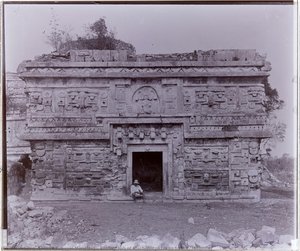
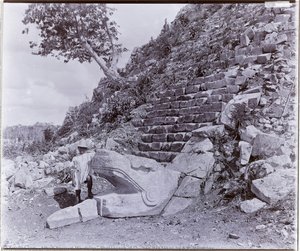
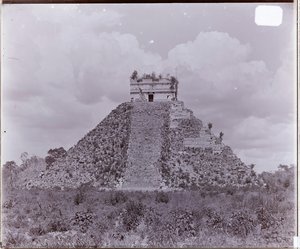
maudslay's photographs and writings have been preserved, offering a unique glimpse into the world of 19th-century archaeology. his work can be found in various museums, including the british museum (london, united kingdom), which houses several of his photographs.- photograph of chichén itzá taken by a.p. maudslay (16 x 21 cm, british museum, photograph)
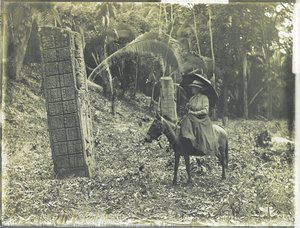
- photograph of chichén itzá taken by a.p. maudsly (25 x 30 cm, british museum, photograph)
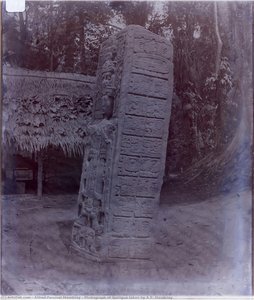
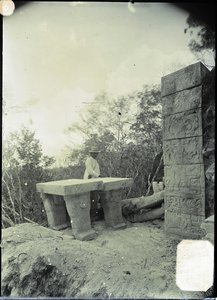
- photograph of copán taken by a.p. maudslay (31 x 25 cm, british museum, photograph)
**conclusion**
alfred percival maudslay's legacy is a testament to the power of curiosity and exploration. from his early days as a colonial administrator to his later years as an archaeologist, maudslay's work continues to inspire and educate.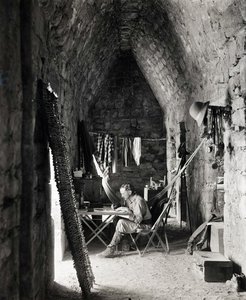
alfred percival maudslay
1850 - 1931 , United Kingdom
Quick Facts
- Artistic Movement Or Style: Archaeology/Photography
- Date Of Birth: 1850
- Date Of Death: 1931
- Full Name: Alfred Percival Maudslay
- Nationality: British
- Notable Artworks: ['Photograph of Chichén Itzá']
- Place Of Birth: London, United Kingdom
Related Articles
Sir Alfred Munnings' Masterpieces: 25 Paintings That Define Equine Art | ArtsDot
Explore 25 iconic Sir Alfred Munnings paintings! Discover the beauty of British Impressionism, equine art & rural England. Find museum-quality reproductions and elevate your home decor with ArtsDot. Explore the full collection online.
Beyond the Lens: Photography's Enduring Influence on Modern & Contemporary Art
Explore photography's pivotal role in shaping modern & contemporary art. Discover key movements, influential artists like Stieglitz, and expert collecting advice from ArtsDot.

Pictorialism: A Search for Artistic Photography's Soul – Aesthetics, Techniques & Legacy
Explore the captivating world of Pictorialism – a pivotal movement that transformed photography into fine art. Discover key artists like Stieglitz & Käsebier, techniques, and collecting tips from experts.

Monochrome Visions: Exploring the Aesthetic & Historical Significance of Black & White Photography
Explore the rich history & artistic power of black and white photography. From early techniques to iconic masters like Ansel Adams, discover why monochrome continues to captivate art lovers today. Expert insights for collectors.
Witnessing History Through Lens & Light: Documentary Photography's Enduring Legacy
Explore the powerful history of documentary photography – from its origins to contemporary masters like Gordon Parks & W. Eugene Smith. Discover how this art form shapes our understanding of society and witness pivotal moments in time.