 Send
Send Share
Share
 Details

 Download
 Similars
 Diaporama
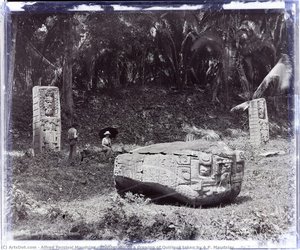
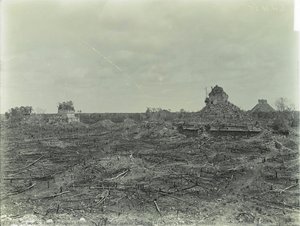
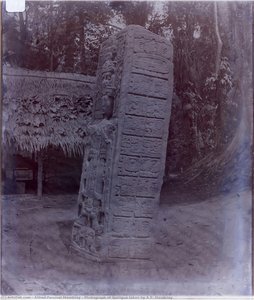
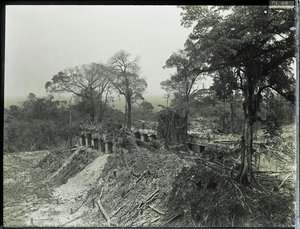
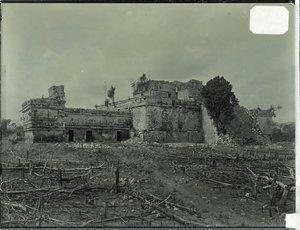
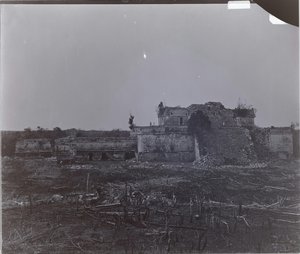
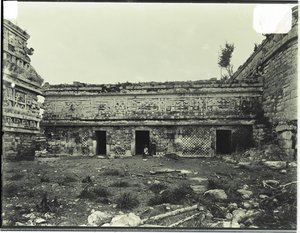
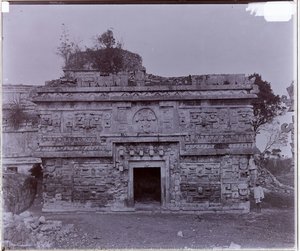
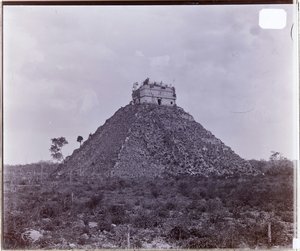
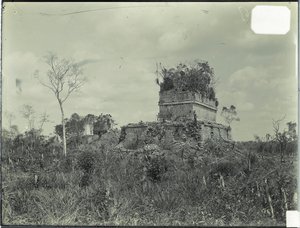
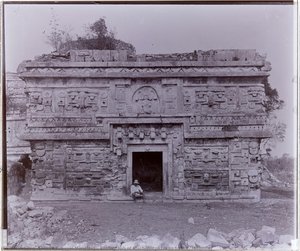
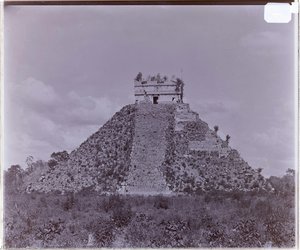
Photograph of Chichén Itzá taken by A.P. Maudslay
 Digital
- Digital
- Impressionistic Photography
 1894
1894- 19th Century
 25.0 x 30.0 cm
 British Museum
 Read More
Giclée / Art Print
Museum-quality giclée or canvas print with fast production and flexible finish options. ( Buy Hand Made Painting Buy Image)




































Pick from our preset sizes that match the artwork's original proportions.

You may enter your own dimensions to fit a specific frame or space. If your selected size does not match the original image's proportions, we will either crop the artwork or extend the image with a mirrored or solid-fill edge. A digital mockup will be sent for your approval before production begins.
Please note that the on-screen preview does not reflect the actual cropping or extension. Only the mockup will accurately show the final composition.
While custom sizes are available, we recommend selecting a dimension from the predefined list to preserve the original proportions.
Worldwide Delivery () in 2 weeks instead of standard 4/5 weeks. (2 September)

Free Worldwide Express Shipping

High-Quality Linen Canvas

Full Shipping Insurance

Customs Tax Refund Guarantee

True Color Matching Guarantee

60-Day Return Policy (Defects Only)

100% Money-Back Guarantee

Bulk Discount Offer
 Glass option is only available in size under 110 CM

Photograph of Chichén Itzá taken by A.P. Maudslay
Giclée / Art Print
Reproduction Size
-


Total Price
$ 63
Alfred Maudslay: Pioneer of Maya Archaeology and Photographic Documentation
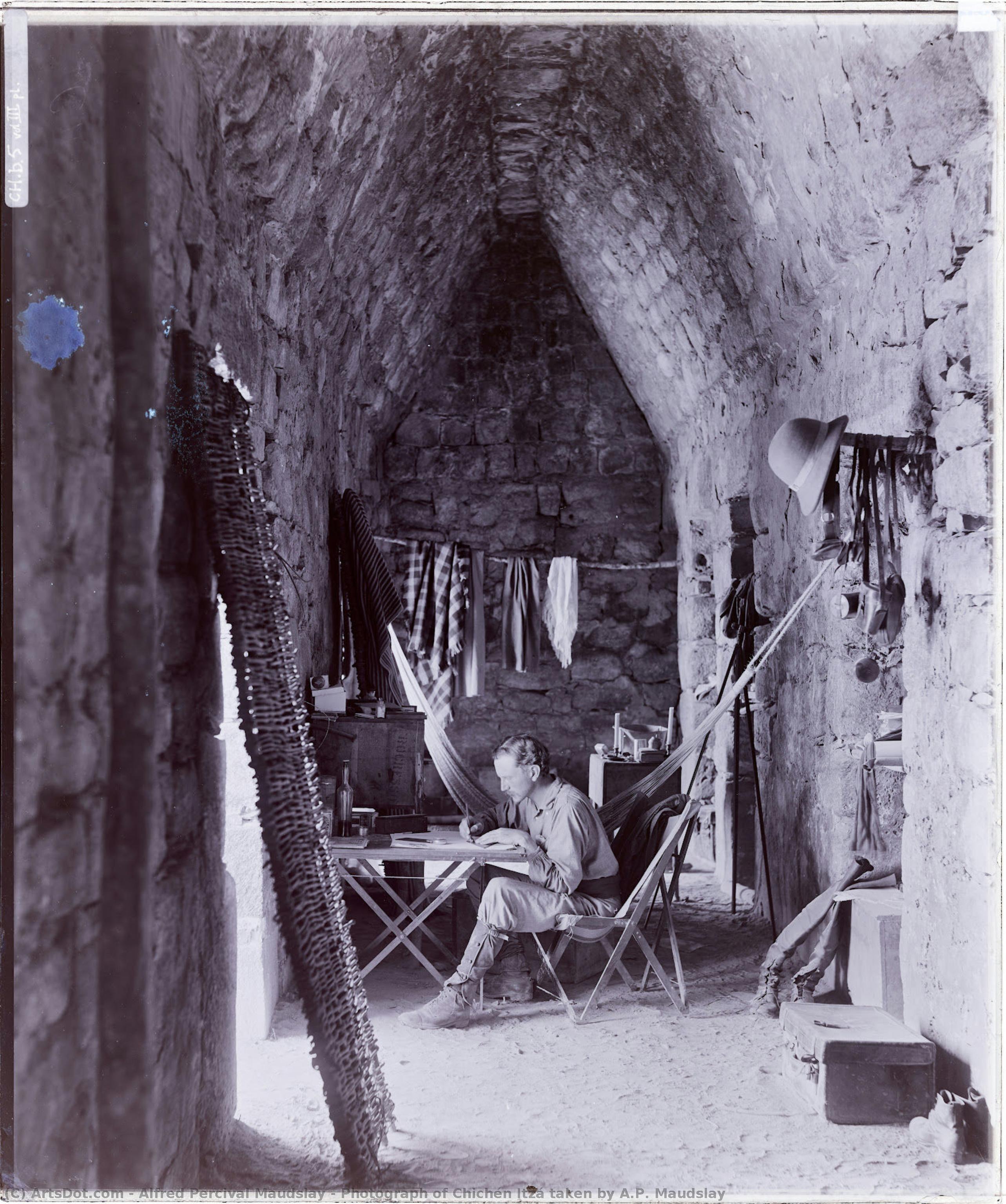
The photograph of Chichén Itzá taken by Alfred Percival Maudslay stands as an exceptional testament to the intersection of scientific inquiry and artistic observation during the late Victorian era. More than just a visual record of an ancient Mayan city, it embodies Maudslay’s groundbreaking approach to archaeological research—a meticulous blend of fieldwork, detailed documentation, and artistic interpretation that continues to inspire scholars and collectors alike. Captured in 1894, this monochrome print exemplifies the wet collodion process, a technique renowned for its remarkable ability to capture intricate textures and subtle tonal variations – qualities paramount to conveying the grandeur and complexity of Chichén Itzá’s monumental architecture.- Subject Matter & Style: Maudslay's photograph focuses squarely on the Great Ball Court—the heart of Chichén Itzá’s ceremonial center—and its towering Temple A, showcasing a dramatic interplay between light and shadow that highlights the weathered stone surfaces and architectural precision. The style is undeniably documentary photography; Maudslay sought not merely to depict the ruins but to meticulously record their form and scale, anticipating many of the techniques employed by modern archaeologists.
- Composition & Technique: The photograph’s central composition centers around a seated man at a folding table—a deliberate inclusion that underscores Maudslay's scholarly pursuits amidst the backdrop of Mayan history. The geometric lines of the stone walls converge towards a vanishing point, creating an illusion of depth and emphasizing the monumental scale of the temple complex. The wet collodion process ensured exceptional detail, allowing Maudslay to capture every nuance of texture—from the rough-hewn stone blocks to the subtle shading on the man’s face—resulting in an image that transcends mere representation.
- Color Palette & Lighting: Stripped bare of color, the photograph prioritizes textural richness and tonal gradation. Light enters from an unseen source on the left side, casting dramatic shadows that accentuate the uneven surfaces of the stone walls and contribute to a palpable sense of atmosphere. This careful manipulation of light—a hallmark of Victorian artistic sensibilities—elevates the image beyond a simple visual record, imbuing it with emotional resonance.
- Historical Context: Maudslay’s work occurred during a period of fervent exploration and scientific discovery—the “Age of Exploration”—characterized by an unwavering belief in empirical observation and systematic analysis. His meticulous documentation of Chichén Itzá represents a pivotal moment in the history of Maya archaeology, establishing precedents for future research endeavors and shaping our understanding of this ancient civilization.
- Symbolic Significance: The photograph’s stark monochrome palette evokes a sense of timelessness—a reminder that we are witnessing a glimpse into the past while simultaneously acknowledging the enduring legacy of Mayan culture. Maudslay's image encapsulates the spirit of intellectual curiosity and artistic endeavor, prompting viewers to contemplate the intersection between scientific observation and aesthetic appreciation.
Related Artworks
![Arles. Cloitre St. Trophime [north Gallery] — Édouard-denis Baldus, Romantic Realism](/media/artworks/images-thumb/53/c7/53c7ec3cc9c522a5f601e52bdc935d1a.jpg)
Artist Biography
**early life and education**
alfred percival maudslay, a british colonial administrator and archaeologist, was born on 18 march 1850 in london into a wealthy family. he studied natural sciences at trinity hall, cambridge, obtaining a ba in 1872.**career and travels**
maudslay's early plans for a medical career were deferred as he travelled with his brother, touring central america, mexico, and parts of the united states. this journey sparked an interest in archaeology, which would later define his legacy. after returning home, maudslay again postponed medical school to travel to iceland in 1873. his chronic bronchitis led him to seek a warmer climate, leading to a series of positions in jamaica, trinidad, and eventually, the south pacific.**archaeological contributions**
maudslay's time in the british pacific colonies laid the groundwork for his future archaeological pursuits. he became interested in collecting ethnographic materials, which would eventually contribute to the formation of the university museum of archaeology and ethnology at cambridge. his friend, ornithologist osbert salvin, encouraged maudslay to explore the maya ruins of quiriguá and copán.**notable achievements**
* maudslay was the first to describe the site of yaxchilán. * he explored chichén in the 1880s, taking extensive photographs. * published the first long-form description of chichen itza in his book, biologia centrali-americana. * made a complete translation with annotations of bernal díaz del castillo's historia, which remains the standard english edition.**artistic legacy**
maudslay's photographs and writings have been preserved, offering a unique glimpse into the world of 19th-century archaeology. his work can be found in various museums, including the british museum (london, united kingdom), which houses several of his photographs.- photograph of chichén itzá taken by a.p. maudslay (16 x 21 cm, british museum, photograph)
- photograph of chichén itzá taken by a.p. maudsly (25 x 30 cm, british museum, photograph)
- photograph of copán taken by a.p. maudslay (31 x 25 cm, british museum, photograph)
**conclusion**
alfred percival maudslay's legacy is a testament to the power of curiosity and exploration. from his early days as a colonial administrator to his later years as an archaeologist, maudslay's work continues to inspire and educate.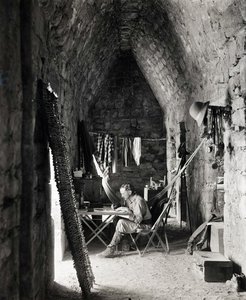
alfred percival maudslay
1850 - 1931 , United Kingdom
Quick Facts
- Artistic Movement Or Style: Archaeology/Photography
- Date Of Birth: 1850
- Date Of Death: 1931
- Full Name: Alfred Percival Maudslay
- Nationality: British
- Notable Artworks: ['Photograph of Chichén Itzá']
- Place Of Birth: London, United Kingdom
Related Articles

Giclée Prints: Archival Quality & Aesthetic Nuances for the Discerning Collector
Explore the world of giclée prints with ArtsDot. Learn about archival quality, aesthetic nuances & investment potential. Expert guidance for discerning art collectors seeking museum-quality reproductions and lasting value.

The Enduring Legacy of Fine Art Prints: Technique, History & Aesthetic Impact
Explore the rich history & techniques of fine art prints. Discover investment potential, assess authenticity, and learn how to preserve your collection with expert guidance. Trusted insights for discerning collectors.

Echoes of Time: Exploring the Enduring Appeal & Historical Context of Vintage Art Prints
Explore the captivating world of vintage art prints! Discover their history, collecting tips & enduring appeal. Expert insights on chromolithography and building a legacy collection with ArtsDot.
The Enduring Legacy of Printmaking: Techniques, Themes & Artistic Innovation Across Centuries
Explore the rich history of printmaking with ArtsDot. Discover techniques from intaglio to lithography, learn about collecting valuable prints & find museum-quality reproductions. Expert insights for art enthusiasts and collectors.
The Enduring Legacy of Woodblock Printmaking: Technique, History & Artistic Expression
Explore the rich history of woodblock printmaking – from ancient techniques to Ukiyo-e masterpieces. Discover expert insights on collecting, preserving & appreciating this enduring art form.