 Preview
 Send
Send Share
Share
 Details

 Download
 Similars
 X-Ray
X-Ray Diaporama
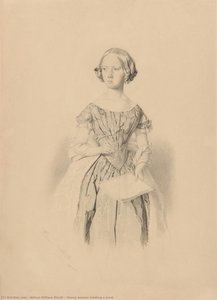
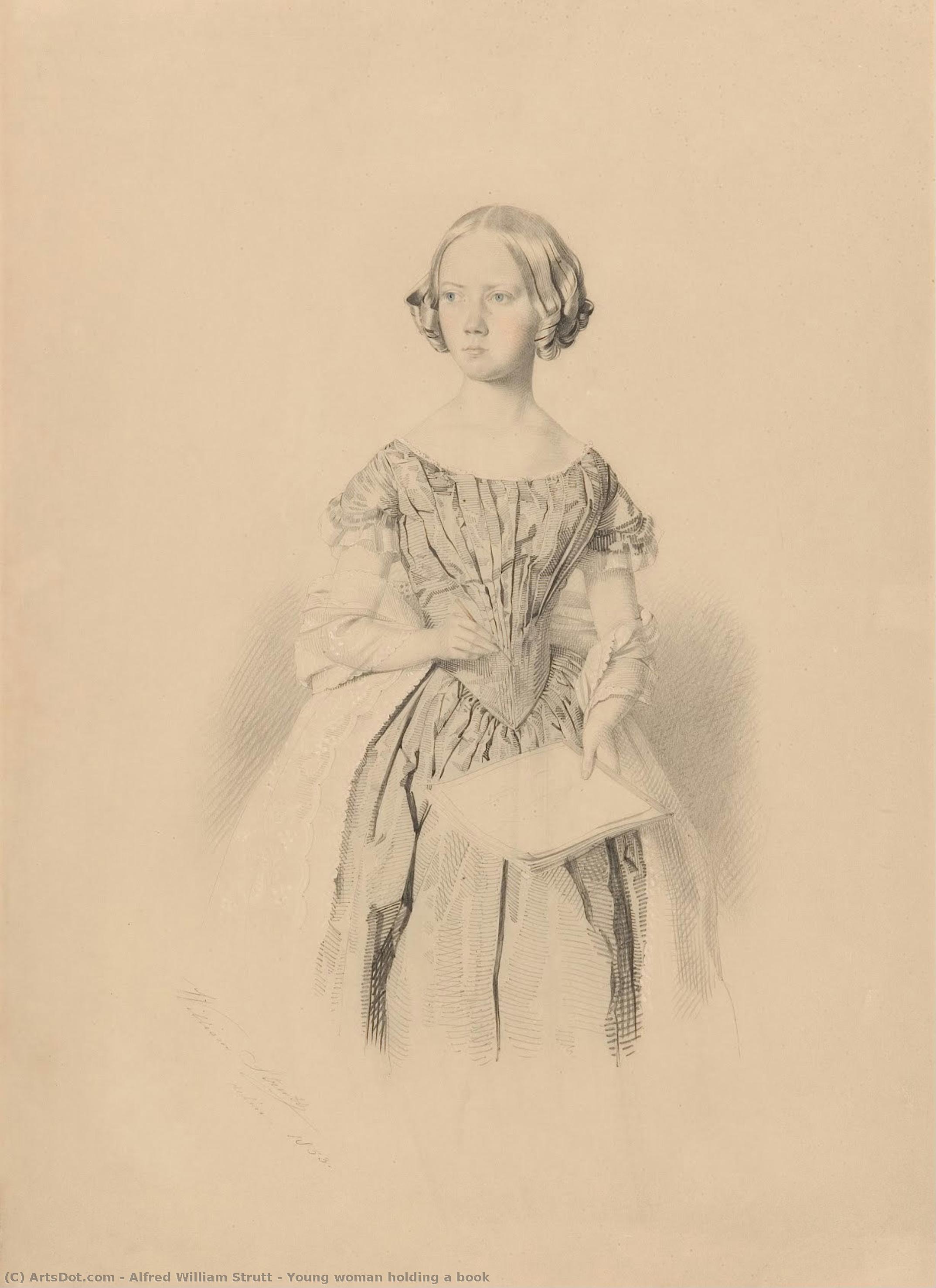
Young woman holding a book
 Oil
Oil- WallArt
- Victorian Realism
 1853
1853- 19th Century
 37.0 x 52.0 cm
 Art Gallery of South Australia
 Read More
Hand Made Oil Reproduction
Hand-painted oil on canvas in your size and frame, made to order by our artists. ( Buy Print Buy Image)




P118B $10

P118H $10

P118W $10

P438Z $10

P508JH $12

P508YH $12

P805H $10

P805Z $10

P919BZ $10

P919G $10

P919XJ $10

P959ZH $10

P968JZ $12

W106C $8

W218G $10

W218JH $8

W218Y $10

W307PJ $10

W316G $10

W316PJ $8

W316Y $10

W398PJ $8

W4111J $10

W500HY $15

W500JH $15

W692G $12

W849H $8

W940BG $15

W953PJ $8




Pick from our preset sizes that match the artwork's original proportions.

You may enter your own dimensions to fit a specific frame or space. If your selected size does not match the original image's proportions, we will either crop the artwork or extend the painting with additional hand-painted elements. A digital mockup will be sent for your approval before production begins.
Please note that the on-screen preview does not reflect the actual cropping or extension. Only the mockup will accurately show the final composition.
While custom sizes are available, we recommend selecting a dimension from the predefined list to preserve the original proportions.
After order, ArtsDot.com team will email client for instructions and provide a mockup preview
Worldwide Delivery () in 3/4 weeks instead of standard 5 weeks. (22 August). No compromise on quality.

Free Worldwide Express Shipping

High-Quality Linen Canvas

Full Shipping Insurance

Customs Tax Refund Guarantee

True Color Matching Guarantee

60-Day Return Policy (Defects Only)

100% Money-Back Guarantee

Bulk Discount Offer
 Glass option is only available in size under 110 CM

Young woman holding a book
Reproduction Medium
Reproduction Size
-


Total Price
$ 263
Artwork Description
A Moment Frozen in Time: The Grace of Alfred William Strutt
In the quiet intimacy of "Young woman holding a book," we are transported back to the mid-1or XIX century, an era defined by a profound reverence for literature and the contemplative life. Painted in 1853 by the meticulous Alfred William Strutt, this piece serves as more than just a portrait; it is a window into the Victorian soul. The subject, a young woman draped in the elegant finery of her time, holds a book with a gentle reverence that suggests the narrative within is far more than mere ink on paper. There is a palpable stillness in her posture, an invitation for the viewer to pause and share in her private moment of intellectual or romantic reflection.
The artistry of Strutt shines through in the delicate rendering of textures and light. Even when viewed through the lens of historical reproductions, one can sense the artist's mastery over the interplay between fabric and skin. The heavy, ornate folds of her dress—suggestive of a character plucked from the pages of a classic novel—contrast beautifully with the soft, luminous quality of her features. This technique creates a tactile experience for the observer, where the weight of the silk and the lightness of a fleeting thought seem to coexist on the canvas. It is this precise balance of materiality and emotion that makes the work so enduringly captivating.
Symbolism and the Art of Interior Elegance
Beyond its aesthetic beauty, the painting carries deep symbolic weight. The book held by the young woman acts as a powerful emblem of knowledge, interiority, and the burgeoning literacy of the era. It represents a bridge between the external world of social expectation and the internal world of the imagination. For the discerning collector or interior designer, this piece offers a sophisticated layer of storytelling. It is not merely a decorative element but a conversation starter that brings a sense of intellectual depth and historical prestige to any room.
When considering a high-quality reproduction for a curated space, one must consider the emotional resonance such an image provides. Whether placed in a sunlit library, a formal study, or a contemporary living area, "Young woman holding a book" introduces a sense of calm and timelessness. The soft palette and classical composition harmonize with both traditional period decor and modern minimalist settings, providing a focal point that feels both grounded in history and refreshingly elegant. To possess such a work is to invite the quiet dignity of the past into the vibrant energy of the present.
Related Artworks
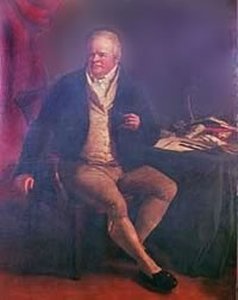
Artist Biography
Alfred William Strutt (1856–1924): Bridging Victorian Tradition and Modern Observation
Alfred William Strutt (1856-1924) stands as a remarkable figure in British art history, embodying the confluence of Victorian artistic sensibilities with burgeoning scientific inquiry. Born in New Zealand to William Thomas Strutt, a celebrated miniaturist and innovator of iron framing for buildings – a technique that would revolutionize construction – Alfred’s early life instilled within him a profound appreciation for both craftsmanship and observation. His father's pioneering work on structural engineering profoundly impacted his own artistic pursuits, fostering a meticulous approach to depicting the natural world alongside meticulously rendered portraits and genre scenes.- Early Life & Education: Strutt’s formative years were spent in Chelmsford and Cambridge, where he honed his artistic skills under the tutelage of his father and embraced the rigorous intellectual environment of Trinity College. This dual influence shaped his worldview – a conviction that art could illuminate scientific understanding and vice versa.
- Early Career & Influences: Strutt’s artistic journey commenced with apprenticeships in engraving and drawing, mastering techniques honed by Joseph Strutt, himself a pioneer in documenting costume history. He absorbed the stylistic conventions of Victorian painting, notably the Romantic tradition championed by Turner and Constable, yet simultaneously sought to capture fleeting moments of everyday life with remarkable accuracy.
- The Iron Frame Revolution: Strutt’s fascination with structural engineering extended beyond artistic inspiration; it became a central element in his creative practice. He spearheaded the adoption of iron frames in building construction, dramatically altering architectural aesthetics and bolstering safety standards—a legacy that continues to resonate today. His work on St Helen's House in Derby exemplifies this commitment to innovation and practicality.
- Notable Paintings & Artistic Style: Strutt’s oeuvre encompasses a diverse range of subjects – landscapes imbued with atmospheric subtlety, portraits capturing psychological nuance, and genre scenes depicting domestic life with poignant realism. He favored a distinctive style characterized by meticulous detail, tonal harmonies reminiscent of Turner, and an unwavering dedication to portraying the beauty of the natural world.
- Legacy & Historical Significance: Strutt’s contribution to both art and engineering cemented his place as a pivotal figure in Victorian Britain. His advocacy for scientific observation within artistic endeavors anticipated developments in Impressionism and Modern Art, demonstrating that aesthetic contemplation could be enriched by rigorous intellectual engagement. He remains an exemplar of the Victorian ideal – a man of intellect and artistry who sought to improve society through both creative expression and technological advancement.
Quick Facts
- Artistic Movement Or Style: Victorian Painting
- Artists Or Movements Influenced By This Artist: ['Royal Academy']
- Artists Who Influenced This Artist: ['William Wynne Ryland']
- Date Of Birth: July 3, 1825
- Date Of Death: January 3, 1915
- Full Name: Alfred William Strutt
- Nationality: British
- Notable Artworks:
- The Old Cottage
- Horses
- Place Of Birth: Teignmouth, Devonshire
Related Articles

Sir Alfred Munnings' Masterpieces: 25 Paintings That Define Equine Art | ArtsDot
Explore 25 iconic Sir Alfred Munnings paintings! Discover the beauty of British Impressionism, equine art & rural England. Find museum-quality reproductions and elevate your home decor with ArtsDot. Explore the full collection online.
William Powell Frith: Narratives of Victorian Society & the Rise of Realist Painting
Explore the life & works of William Powell Frith, the 'greatest British painter of social scenes.' Discover his iconic Victorian genre paintings and learn about his lasting impact on realist art. Hand-painted reproductions available.
The Refined Aesthetic of Victorian Illustration: A Study in Narrative & Technique
Explore the captivating world of Victorian illustration! Discover Pre-Raphaelite influences, key artists like Rossetti & Stephens, and the era's rich narrative detail. A deep dive for art enthusiasts.
R.A. Benjamin Williams: Victorian Genre Painting & Social Commentary
Explore the captivating world of Benjamin Williams Leader's Victorian genre paintings. Discover his mastery of naturalism, social commentary & lasting influence on British art. Expert insights at ArtsDot.

William Salter: A Life Immersed in Colour – Victorian Botanical Art & Social Vision
Explore the life & art of William Salter (1804-1875), a Victorian master renowned for his botanical illustrations and striking portraits. Discover his social vision & legacy at ArtsDot.