 Preview
 Send
Send Share
Share
 Details

 Download
 Similars
 X-Ray
X-Ray Diaporama
 Stats
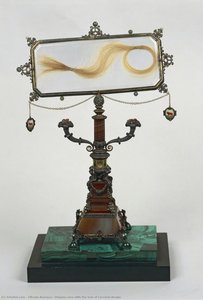
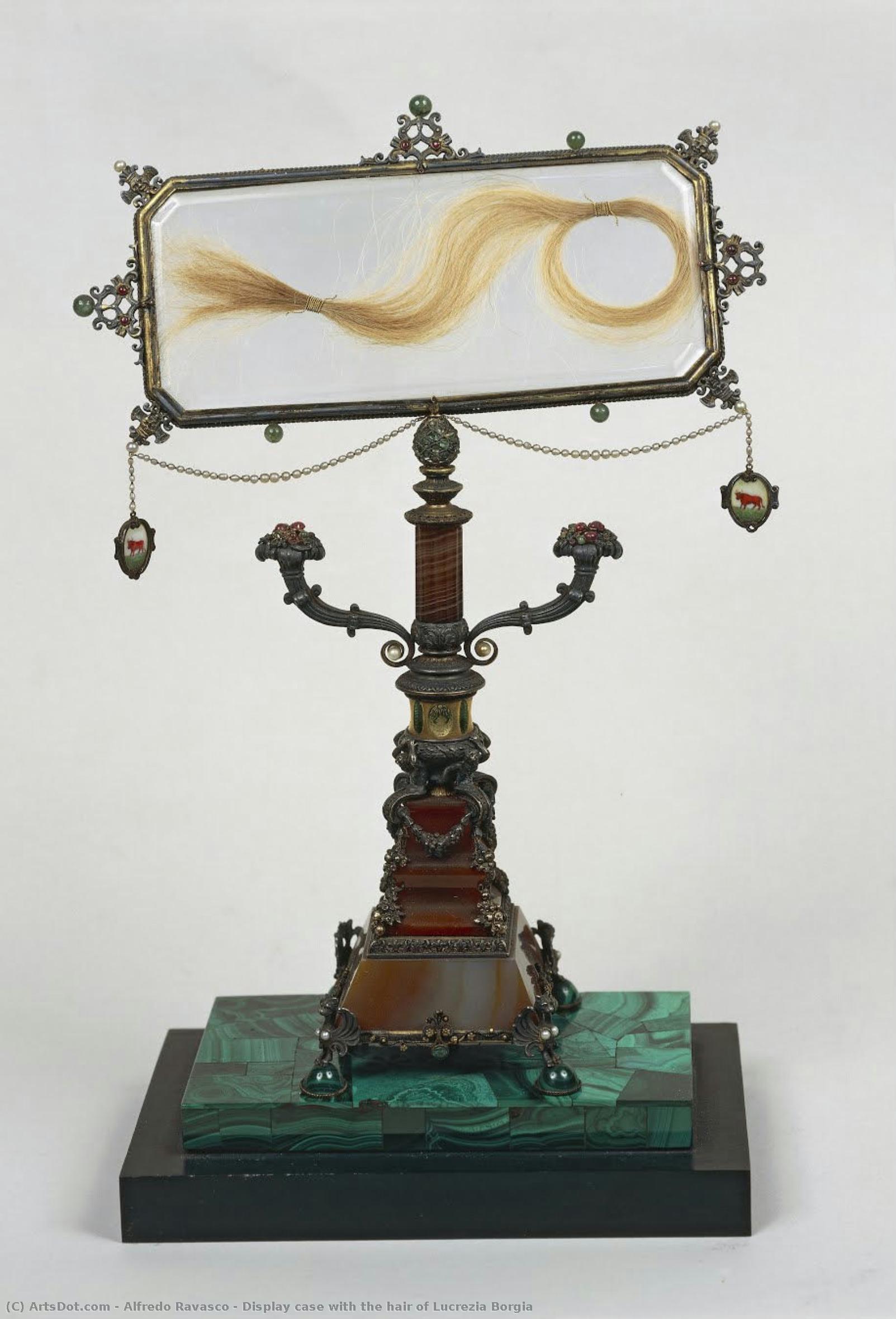
StatsDisplay case with the hair of Lucrezia Borgia


 Read More
Giclée / Art Print
Museum-quality giclée or canvas print with fast production and flexible finish options. ( Buy Hand Made Painting Switch to Digital Image)




































Pick from our preset sizes that match the artwork's original proportions.

You may enter your own dimensions to fit a specific frame or space. If your selected size does not match the original image's proportions, we will either crop the artwork or extend the image with a mirrored or solid-fill edge. A digital mockup will be sent for your approval before production begins.
Please note that the on-screen preview does not reflect the actual cropping or extension. Only the mockup will accurately show the final composition.
While custom sizes are available, we recommend selecting a dimension from the predefined list to preserve the original proportions.
Worldwide Delivery () in 2 weeks instead of standard 4/5 weeks. (10 September)

Free Worldwide Express Shipping

High-Quality Linen Canvas

Full Shipping Insurance

Customs Tax Refund Guarantee

True Color Matching Guarantee

100-Day Return Policy (Defects Only)

100% Money-Back Guarantee

Bulk Discount Offer
 Glass option is only available in size under 110 CM

Display case with the hair of Lucrezia Borgia
Giclée / Art Print
Reproduction Size
-


Total Price
$ 63
Related Artworks






Artist Biography
Alfredo Ravasco: A Master of Enamel and the Echoes of History
Born in Milan, Italy, in 1893, Alfredo Ravasco’s life was inextricably linked to both artistic innovation and a deep engagement with Italian history. While he didn't emerge from a traditional art academy, his career blossomed through a unique combination of technical skill, an eye for detail, and a fascination with the opulent remnants of the past. Ravasco wasn’t merely an artist; he was a meticulous restorer and craftsman who breathed new life into fragments of history, transforming them into breathtaking works of enamel art.
Ravasco's early years were marked by association with the Humanitarian Society of Milan, a prominent philanthropic organization dedicated to preserving and restoring historical artifacts. This connection proved pivotal, providing him with access to rare materials – particularly hair samples – and fostering an appreciation for the tangible connections to bygone eras. It was through this society that he encountered Lucrezia Borgia’s hair, a seemingly insignificant relic that would become the cornerstone of his most celebrated work: the ‘Display Case with the Hair of Lucrezia Borgia’ (1928). This piece isn't simply a display; it’s an immersive experience, a miniature world crafted from gold, enamel, and shimmering gemstones, meticulously recreating the aura surrounding one of Italy’s most infamous figures.
The Alchemy of Enamel
Ravasco’s technique was exceptionally demanding. Enameling is a complex process involving layering powdered glass onto metal surfaces, firing them repeatedly to fuse the colors together and create incredibly durable, luminous images. He mastered this ancient craft with remarkable precision, achieving an unparalleled level of detail and depth in his work. His pieces are not painted; they are built up layer by painstaking layer, resulting in a tactile quality that invites close inspection. The use of gold leaf adds further opulence, reflecting light and enhancing the sense of luxury inherent in his subjects.
His palette was rich and evocative, often employing deep blues, vibrant reds, and shimmering golds – colors associated with royalty, power, and religious iconography. He wasn’t constrained by traditional artistic conventions; instead, he embraced a highly stylized approach, prioritizing the emotional impact of the materials themselves over strict representational accuracy. The ‘Lucrezia Borgia’ display case exemplifies this perfectly: it's less a portrait than an atmosphere, a carefully constructed illusion designed to evoke the mystique and drama surrounding the historical figure.
Influences and Artistic Context
Ravasco’s work can be situated within the broader context of Art Deco Italy – a period characterized by lavish ornamentation, geometric patterns, and a fascination with exotic materials. However, his approach differed from many of his contemporaries. While influenced by the decorative arts movement, Ravasco's focus on historical relics and the preservation of fragments of the past set him apart. There’s also a clear resonance with the Baroque period, particularly in his use of dramatic lighting, rich colors, and an emphasis on opulent materials – qualities he skillfully adapted to his unique medium.
Furthermore, Ravasco's work reflects a broader Italian cultural trend of revisiting and reinterpreting historical figures and events. The Borgia family, with its tales of intrigue, power, and scandal, provided fertile ground for artistic exploration. Ravasco’s piece isn’t simply a depiction; it’s an act of preservation, a way of keeping the memory of Lucrezia Borgia alive through the enduring beauty of enamel.
Legacy and Significance
Alfredo Ravasco died in 1972, leaving behind a small but remarkably significant body of work. His ‘Display Case with the Hair of Lucrezia Borgia’ remains his most celebrated achievement, instantly recognizable for its exquisite craftsmanship and evocative power. It's a testament to the enduring appeal of historical narratives and the transformative potential of enamel as an artistic medium. Ravasco’s meticulous approach and dedication to preserving fragments of the past continue to inspire artists today, reminding us of the profound connection between art, history, and memory.
His work is now held in private collections and occasionally exhibited, offering a rare glimpse into a world of opulent craftsmanship and historical fascination. Exploring his oeuvre reveals not just an artist’s skill but also a deep respect for the stories embedded within objects – a sentiment that resonates powerfully with ArtsDot's commitment to preserving and celebrating the legacy of master artists.

alfredo ravasco
1893 - 1972 , Italy
Quick Facts
- Artistic Movement Or Style: Enamel art, Baroque
- Date Of Birth: 1893
- Date Of Death: 1972
- Full Name: Alfredo Ravasco
- Nationality: Italian
- Notable Artworks: ["Display case with Lucrezia Borgia's hair"]
- Place Of Birth: Milan, Italy
Related Articles

Baroque Masterpieces: 10 Paintings That Defined an Era |
Journey through the drama & grandeur of Baroque art! Explore 10 masterpieces by Caravaggio, Rembrandt, Rubens & more. Discover stunning oil paintings, rich colors & timeless stories. Find museum-quality reproductions at .
Simon Vouet: A Baroque Master's Journey from Italian Influence to French Classicism
Explore the life & art of Simon Vouet, a pivotal French Baroque painter who introduced Italian styles to France. Discover his masterpieces and lasting influence on 17th-century art.

Baroque Drama: Bringing Opulence & Emotion into Contemporary Interiors
Explore the opulent world of Baroque interior design! Discover key elements, modern applications & how to bring dramatic elegance into your home with ArtsDot.com's authentic reproductions.

The Dramatic Flourish: Exploring the Baroque Movement's Enduring Legacy in Art History
Explore the dramatic world of Baroque art! Discover iconic artists like Caravaggio & Rubens, defining techniques, and its lasting impact on art history. Expert insights for collectors & enthusiasts at ArtsDot.

The Visceral Stage: Exploring Dramatic Narratives & Emotional Intensity in Baroque Art
Explore the dramatic world of Baroque art! Discover iconic masters like Caravaggio & Rembrandt, their techniques, and the movement's lasting impact. Expert insights for collectors & enthusiasts at ArtsDot.