 Preview
 Send
Send Share
Share
 Details

 Download
 Similars
 X-Ray
X-Ray Diaporama
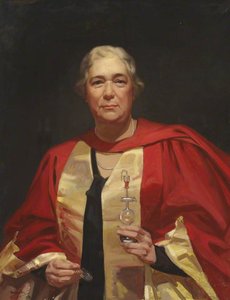
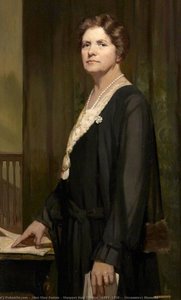
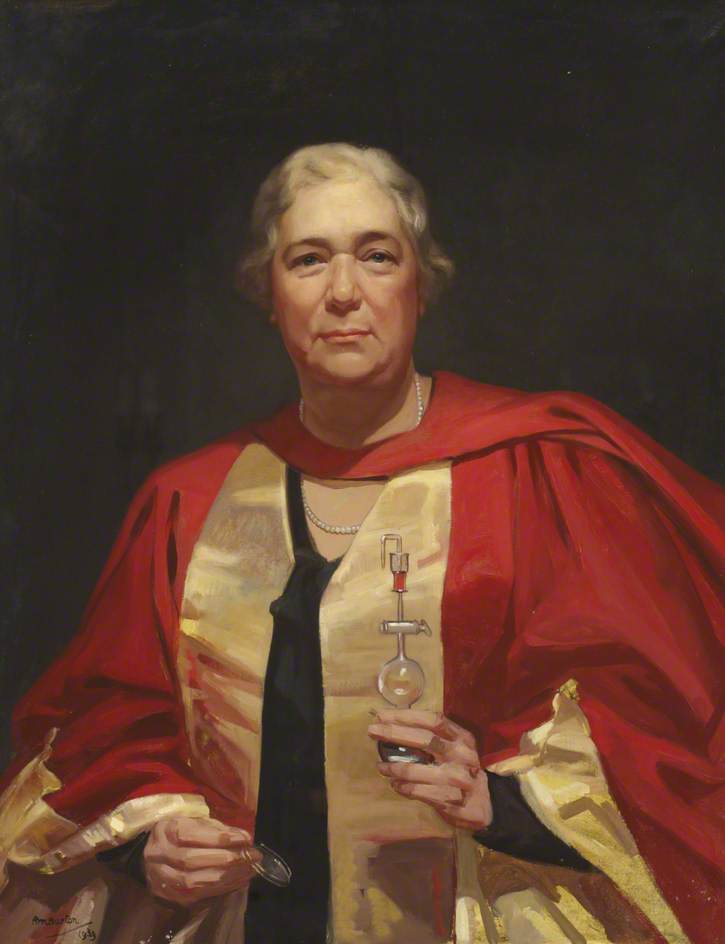
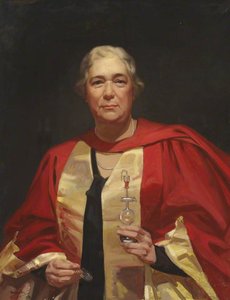
Professor Winifred Cullis (1875–1956)
 Contemporary Realism
 1939
1939 91.0 x 71.0 cm
 Goodenough College
 Read More
Hand Made Oil Reproduction
Hand-painted oil on canvas in your size and frame, made to order by our artists. ( Buy Print Buy Image)




































Pick from our preset sizes that match the artwork's original proportions.

You may enter your own dimensions to fit a specific frame or space. If your selected size does not match the original image's proportions, we will either crop the artwork or extend the painting with additional hand-painted elements. A digital mockup will be sent for your approval before production begins.
Please note that the on-screen preview does not reflect the actual cropping or extension. Only the mockup will accurately show the final composition.
While custom sizes are available, we recommend selecting a dimension from the predefined list to preserve the original proportions.
After order, ArtsDot.com team will email client for instructions and provide a mockup preview
Worldwide Delivery () in 3/4 weeks instead of standard 5 weeks. (22 August). No compromise on quality.

Free Worldwide Express Shipping

High-Quality Linen Canvas

Full Shipping Insurance

Customs Tax Refund Guarantee

True Color Matching Guarantee

60-Day Return Policy (Defects Only)

100% Money-Back Guarantee

Bulk Discount Offer
 Glass option is only available in size under 110 CM

Professor Winifred Cullis (1875–1956)
Reproduction Medium
Reproduction Size
-


Total Price
$ 263
Related Artworks
Artist Biography
Alice Mary Burton: A Victorian Portraitist of Dignity and Social Commentary
Alice Mary Burton (1893-1968) stands as a quietly significant figure in late 19th and early 20th-century British portraiture. Often overshadowed by her more flamboyant contemporaries, Burton’s work reveals a meticulous eye for detail, a profound understanding of human psychology, and a subtle yet powerful engagement with the social realities of her time. Her canvases are not merely representations of individuals; they are carefully constructed narratives, imbued with dignity, observation, and a keen awareness of the nuances of class and status.
Born in Nogent-sur-Oise, France, to British parents – producer Sybil Burton (née Williams) and actor Richard Burton – Alice’s early life was steeped in artistic influence. Her father's career as a minor league baseball player provided a grounding in the practical world, while her mother’s involvement in theatrical productions exposed her to the vibrant energy of the stage. Crucially, Burton received formal training at the Byam Shaw and Vicat Cole School of Art and later at the Regent Street Polytechnic School of Art, honing her skills in drawing and painting. These formative years instilled a deep appreciation for classical techniques alongside an emerging interest in capturing the complexities of human character.
Burton’s artistic development coincided with a period of significant social change in Britain. The Victorian era was giving way to Edwardian society, marked by increasing industrialization, urbanization, and evolving social hierarchies. Burton's portraits reflect this shifting landscape, often depicting members of the British elite – dignitaries, politicians, and prominent figures from various spheres of life. However, she doesn’t simply offer idealized depictions; instead, she subtly interrogates their positions within society, revealing both their power and their vulnerabilities. Her work is notable for its realism, capturing not just physical likeness but also subtle expressions of mood and personality.
The Art of Dignified Observation
Burton’s technique is characterized by a remarkable level of detail and precision. She employed a meticulous approach to her compositions, carefully studying the subjects she painted and rendering their features with painstaking accuracy. Her portraits are often rendered in rich, dark tones, creating a sense of depth and atmosphere. She was particularly adept at capturing the nuances of expression – a flicker of sadness in an eye, a hint of amusement on a smile – that revealed the inner lives of her subjects. This ability to penetrate beneath surface appearances is what elevates her work beyond mere likenesses.
Influenced by the academic tradition and the works of artists like William Powell Thomas, Burton’s style can be described as a blend of realism and classical restraint. She avoided excessive ornamentation or dramatic gestures, instead favoring a more understated approach that allowed her subjects to speak for themselves. Her portraits are not flamboyant displays of wealth or status; they are quiet meditations on character and circumstance. Her use of light and shadow is particularly noteworthy, creating a sense of drama and depth within the frame.
Notable Portraits and Social Context
Among Burton’s most celebrated works are her portraits of prominent figures such as Professor Winifred Cullis, a pioneering medical researcher, and Mary, Princess Royal. The portrait of Cullis, painted in 1939, exemplifies Burton's ability to capture both intellectual rigor and personal dignity. The Princess Royal’s portrait, completed shortly before her marriage to Henry Lascelles, Viscount Harewood, showcases her regal bearing and quiet strength. These portraits are not simply representations of individuals; they are carefully constructed narratives that reflect the social and political context in which they were created.
Burton's work also offers a glimpse into the lives of lesser-known figures – members of the aristocracy, politicians, and artists. Her portraits of these individuals reveal a keen interest in documenting the changing social landscape of Britain during this period. She was particularly interested in capturing the dignity and resilience of those who navigated the complexities of Victorian and Edwardian society.
Legacy and Historical Significance
Despite not achieving widespread fame during her lifetime, Alice Mary Burton’s work has been increasingly recognized for its artistic merit and historical significance. Her portraits offer a valuable insight into the social and cultural dynamics of Britain in the late 19th and early 20th centuries. Her meticulous technique, keen observation, and subtle engagement with social issues make her one of the most important portraitists of her generation.
Today, Burton’s paintings are held in public collections across the United Kingdom and can be found in private collections worldwide. Her work continues to resonate with viewers who appreciate its quiet dignity, understated elegance, and profound understanding of human nature. She remains a testament to the power of portraiture as a means of documenting history and capturing the essence of individual lives.
alice mary burton
1893 - 1968
Quick Facts
- Artistic Movement Or Style: Portraiture, Social realism
- Artists Or Movements Influenced By This Artist: ['Tim Burton']
- Artists Who Influenced This Artist:
- Vincent Price
- Christopher Lee
- Date Of Birth: September 21, 1893
- Date Of Death: 1968
- Full Name: Alice Mary Burton
- Nationality: British
- Notable Artworks:
- Professor Winifred Cullis
- Various Dignitary Portraits
- Place Of Birth: Nogent-sur-Oise, France
Related Articles

Crimson Threads of Narrative: Exploring Symbolism & Representation in Artworks Featuring the Red Dress
Explore the rich symbolism of the red dress in art history! From ancient power displays to iconic portraits like Cézanne’s 'Madame Cezanne', discover the cultural and artistic significance behind this captivating color. Expert analysis & insights.

The Enduring Legacy of Oil on Canvas: Technique, History & Aesthetic Impact
Explore the rich history & techniques of oil painting – from Renaissance masters to Impressionism. Discover pigments, layering methods, and why this timeless medium endures. Expert insights for artists & art enthusiasts.

Oil on Canvas: A Historical & Technical Exploration of a Timeless Artistic Medium
Explore the rich history & enduring techniques of oil painting on canvas. Discover the science behind its longevity, conservation practices, and contemporary relevance. Expert insights for art enthusiasts.
The Enduring Legacy of Classicism: Principles, Evolution & Influence in Western Art
Explore the enduring legacy of Classicism in Western art! Discover its historical context, key principles, iconic masterpieces & lasting influence. Learn about Renaissance and Neoclassical movements with ArtsDot.

The Enduring Power of Painting: A Historical & Contemporary Exploration of Form and Emotion
Explore the rich history & enduring techniques of oil painting with ArtsDot. Discover masterpieces, learn about art collecting, and find authentic handmade reproductions crafted by skilled artists.