 Preview
 Send
Send Share
Share
 Details

 Download
 Similars
 X-Ray
X-Ray Diaporama
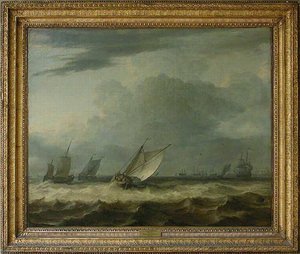
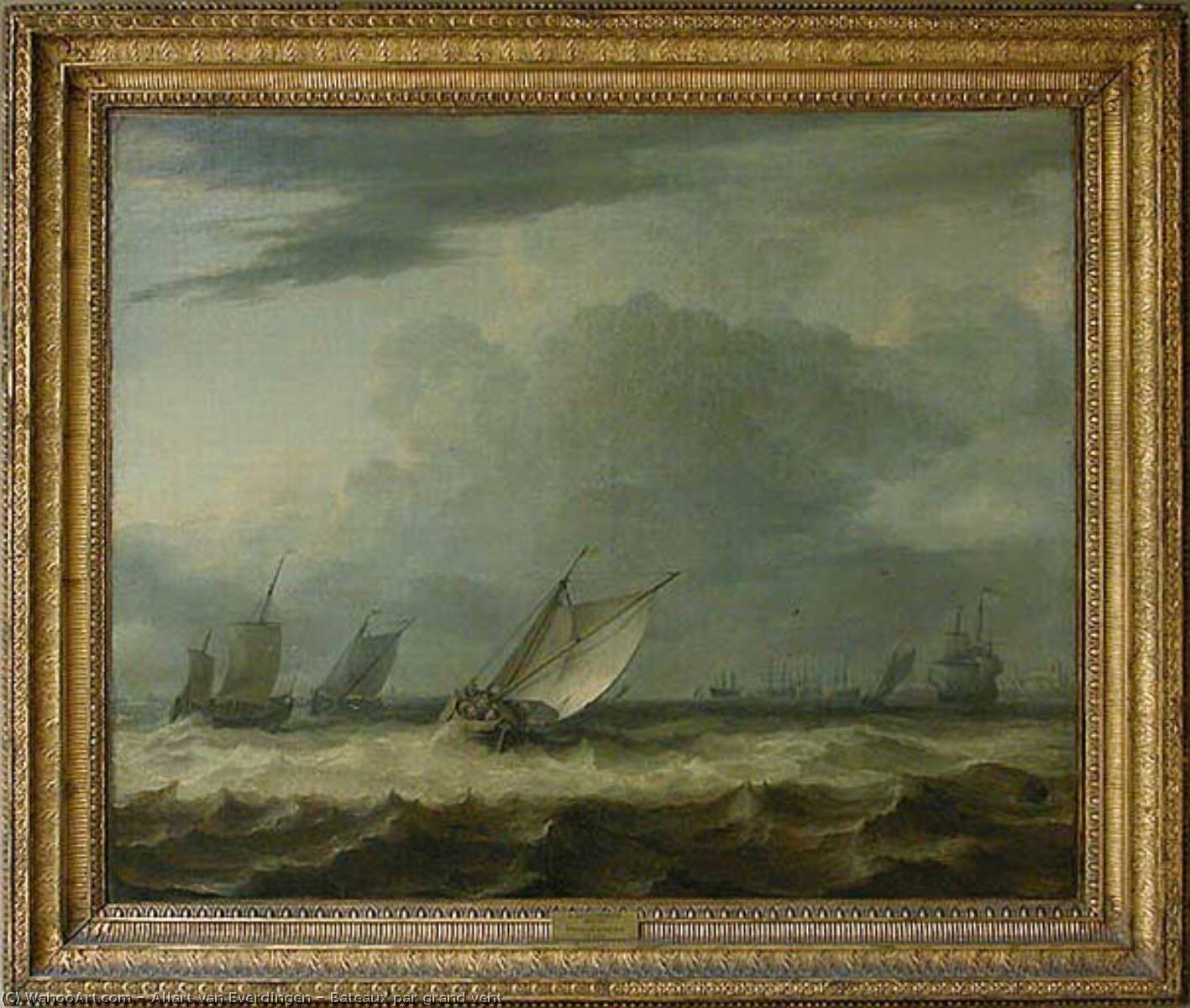
Bateaux par grand vent


 Read More
Hand Made Oil Reproduction
Hand-painted oil on canvas in your size and frame, made to order by our artists. ( Buy Print Buy Image)




P118B $10

P118H $10

P118W $10

P438Z $10

P508JH $12

P508YH $12

P805H $10

P805Z $10

P919BZ $10

P919G $10

P919XJ $10

P959ZH $10

P968JZ $12

W106C $8

W218G $10

W218JH $8

W218Y $10

W307PJ $10

W316G $10

W316PJ $8

W316Y $10

W398PJ $8

W4111J $10

W500HY $15

W500JH $15

W692G $12

W849H $8

W940BG $15

W953PJ $8




Pick from our preset sizes that match the artwork's original proportions.

You may enter your own dimensions to fit a specific frame or space. If your selected size does not match the original image's proportions, we will either crop the artwork or extend the painting with additional hand-painted elements. A digital mockup will be sent for your approval before production begins.
Please note that the on-screen preview does not reflect the actual cropping or extension. Only the mockup will accurately show the final composition.
While custom sizes are available, we recommend selecting a dimension from the predefined list to preserve the original proportions.
After order, ArtsDot.com team will email client for instructions and provide a mockup preview
Worldwide Delivery () in 3/4 weeks instead of standard 5 weeks. (17 August). No compromise on quality.

Free Worldwide Express Shipping

High-Quality Linen Canvas

Full Shipping Insurance

Customs Tax Refund Guarantee

True Color Matching Guarantee

60-Day Return Policy (Defects Only)

100% Money-Back Guarantee

Bulk Discount Offer
 Glass option is only available in size under 110 CM

Bateaux par grand vent
Reproduction Medium
Reproduction Size
-


Total Price
$ 263
Artwork Description
Allaert van Everdingen’s ‘Bateaux par Grand Vent’: A Tempestuous Vision of Dutch Maritime Art
The painting “Bateaux par Grand Vent” (“Boats in Strong Wind”), executed by Allaert van Everdingen around 1657, stands as a cornerstone of Dutch Golden Age marine art—a genre that captured the dramatic beauty and inherent danger of the North Sea during its zenith. More than just a depiction of ships battling turbulent weather, it’s an exploration of psychological tension and a masterful demonstration of innovative artistic techniques designed to convey profound emotional resonance.Composition and Technique: Mastering Atmospheric Perspective
Van Everdingen's compositional strategy prioritizes conveying immediacy and dynamism. The canvas is dominated by horizontal bands representing the sky and sea, with the boats strategically positioned across this expanse. Notably, the central sailboat isn’t merely afloat; it’s actively engaged in a desperate struggle against colossal waves—a visual metaphor for confronting adversity. Crucially, Everdingen employed atmospheric perspective – a technique pioneered during his time – to create an illusion of depth. Distant vessels appear fainter and less detailed than those closer to the viewer, achieved through subtle gradations of color and tonal value. This masterful manipulation of light and shadow isn’t merely aesthetically pleasing; it serves to heighten the sense of drama and reinforce the painting's thematic core: humanity pitted against the overwhelming force of nature. The artist utilized oil paint on canvas, layering thin glazes to build up texture and luminosity—a method that allowed for exceptional realism while maintaining a painterly quality characteristic of the era.Color Palette and Emotional Impact: Reflecting Darkness and Resilience
The color palette is deliberately subdued, reflecting the bleakness of a storm-ridden seascape. Predominantly cool hues – shades of gray, indigo, and brown – dominate the canvas, fostering an atmosphere of apprehension and isolation. However, subtle warmer tones appear in the sails and certain areas of the water—representing flickering hope amidst despair. These carefully calibrated colors aren’t arbitrary; they contribute directly to the painting's emotional impact. The viewer is drawn into a visceral experience of vulnerability and fortitude as they contemplate the precarious position of the sailors battling the tempestuous sea. Everdingen’s deliberate restraint in highlighting areas creates an unsettling stillness, mirroring the psychological state of those facing imminent danger.Historical Context: Rembrandt’s Influence and the Dawn of Modern Landscape Painting
Van Everdingen's artistic vision owes considerable debt to Rembrandt Harmenszoon van Rijn—a fellow innovator who championed a similarly expressive approach to landscape painting. While Rembrandt focused on capturing inner emotion through chiaroscuro (the dramatic interplay of light and dark), Everdingen pushed the boundaries of realism by prioritizing atmospheric perspective and conveying the palpable sensation of wind and water. This stylistic evolution marks a pivotal moment in art history, signaling the transition from idealized depictions of nature to landscapes imbued with psychological depth—a legacy that continues to inspire artists today. The painting exemplifies the burgeoning interest in scientific observation during the Golden Age, reflecting a desire to accurately represent the natural world as perceived by the senses.Symbolism: Confrontation and Triumph Over Adversity
Beyond its technical brilliance, “Bateaux par Grand Vent” resonates with profound symbolic significance. The storm serves as an allegory for life’s challenges—representing forces beyond human control that demand courage and resilience. Yet, despite the overwhelming odds presented by the sea, the central sailboat persists in its struggle, embodying the unwavering spirit of perseverance. This enduring image speaks to a universal theme: humanity's capacity to confront hardship with dignity and determination—a timeless message conveyed through masterful artistic execution.Related Artworks
Artist Biography
The Master of the Northern Wild: The Life of Allaert van Everdingen
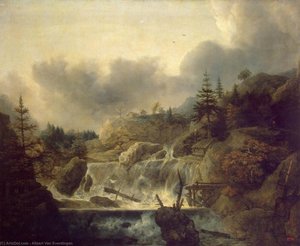
In the golden era of Dutch painting, where many masters sought to capture the serene, low-lying horizons of their homeland, Allaert van Everding and Everdingen carved a path toward something far more rugged and untamed. Born in Alkmaar around 1621, the son of a government clerk, Allaert was part of a family deeply rooted in the artistic traditions of the Netherlands. Alongside his brothers Jan and Caesar, he was shaped by the rigorous training of the Dutch Golden Age, beginning his journey under the tutelage of Roelandt Savery in Utrecht. This early exposure to Savery’s brilliant, almost fantastical style provided a foundation, yet Everdingen would eventually move far beyond the colorful legacies of the Brueghel school to find a voice that was uniquely atmospheric and profoundly dramatic.
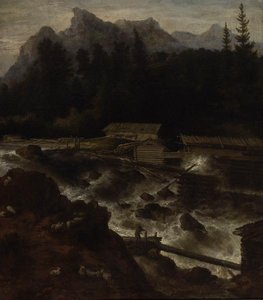
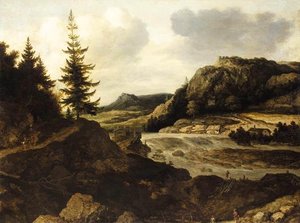
The trajectory of his life changed irrevocably through a stroke of maritime fortune. In 1644, while traveling toward the Baltic Sea, a violent storm forced his ship to seek shelter in Norway. This unplanned detour, as recounted by the biographer Arnold Houbraken, would become the defining catalyst for his artistic evolution. Immersed in the breathtaking scenery of the Scandinavian coast, Everdingen found himself captivated by landscapes that were entirely alien to the Dutch eye: jagged mountains, rushing waterfalls, and dense, mysterious forests. He meticulously documented these excursions through sketches and drawings, capturing the raw energy of the Norwegian and Swedish terrain. When he eventually settled in Haarlem and later Amsterdam, these memories were transformed onto canvas, bringing a sense of the exotic and the sublime to the much more temperate Netherlands.
A Revolution of Light and Shadow
What distinguishes Everdingen from his contemporaries is not merely the subject matter he chose, but the revolutionary way in which he rendered it. While many landscape painters of the mid-17th century focused on clear, panoramic vistas, Everdingen embraced a system of powerful shading and rich, colored tones that acted as a precursor to the dramatic chiaroscuro later perfected by Rembrandt. His work moved away from the bright, even lighting of his predecessors toward a more emotive, atmospheric perspective. In his hands, a forest was not just a collection of trees, but a sanctuary of deep shadows and filtered light; a river was not merely water, but a churning force of nature reflected in the gloom of a rocky gorge.
His technical mastery extended into the realm of printmaking, where he utilized etching and mezzotint to explore the nuances of texture and depth. This versatility allowed him to translate the ruggedness of his Scandinavian inspirations into works that felt both tactile and ethereal. His ability to manipulate light created a sense of movement within the stillness of the landscape, making the viewer feel the dampness of the mist and the roar of the falls. This mastery of tone and texture ensured that his work resonated with a sense of drama that was rare among the more pastoral Dutch masters of his time.
Legacy and Historical Significance
The historical significance of Allaert van Everdingen lies in his role as a bridge between the classical landscape traditions and the burgeoning Romantic movement. By introducing the motifs of the wild, northern wilderness into the Dutch canon, he expanded the emotional vocabulary of landscape painting. His influence can be traced through the works of later masters, most notably Jacob van Ruisdael, who adopted many of the rugged, atmospheric elements that Everdingen had pioneered. The artist’s ability to find beauty in the formidable and the untamed helped shift the focus of landscape art from mere topographical documentation to a profound exploration of nature's power.
Though he passed away in Amsterdam in 1675, his impact remained etched in the annals of art history. His life serves as a testament to how unexpected journeys can reshape an artistic vision, turning a maritime mishap into a lifelong mission to capture the sublime. Today, we remember him not just as a painter of scenery, but as a pioneer who brought the soul of the Scandinavian wilderness to the heart of the Dutch Golden Age.
allaert van everdingen
1621 - 1675
Quick Facts
- Artistic Movement Or Style: Dutch Golden Age Landscape Painting
- Artists Or Movements Influenced By This Artist: ['Rembrandt']
- Artists Who Influenced This Artist:
- Roelandt Savery
- Jan van Goyen
- Date Of Birth: June 18, 1621
- Date Of Death: November 8, 1675
- Full Name: Allaert van Everdingen
- Nationality: Dutch
- Notable Artworks:
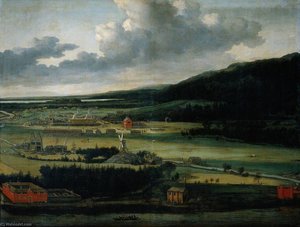
- De geschutgieterij Julita Bruk van de familie Trip
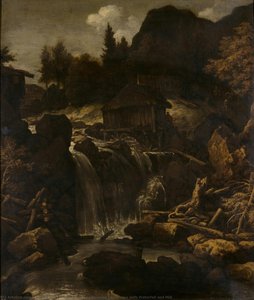
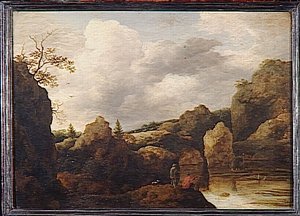
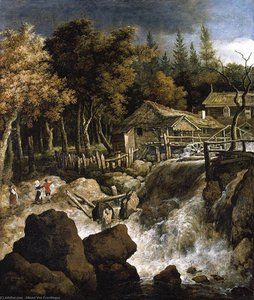
- Scandinavian Rocky River Landscape
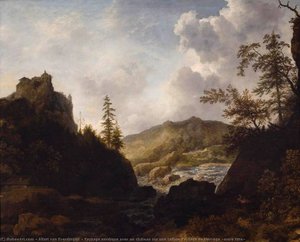
- Paysage Scandinave près de Mölndal
- Place Of Birth: Alkmaar, Netherlands
Related Articles
Van Gogh's Masterpieces: Explore 25 Iconic Paintings & Art for Your Home
Journey through Vincent van Gogh's 25 most iconic paintings! Explore 'Starry Night', 'Sunflowers,' and more—discover the stories, techniques & emotions behind these Post-Impressionist masterpieces. Find museum-quality art reproductions for your home at ArtsDot.com.

Dutch Masters: 10 Golden Age Paintings That Still Inspire |
Journey into the Dutch Golden Age! Explore 10 iconic paintings by Rembrandt, Vermeer & Hals. Discover the stories behind these Baroque masterpieces and find museum-quality art reproductions to elevate your home decor on .

Rembrandt's Masterpieces: Explore 25 Iconic Paintings & Prints | ArtsDot
Journey through Rembrandt van Rijn's 25 most iconic paintings & etchings. Explore Dutch Golden Age masterpieces, dramatic chiaroscuro, and timeless portraits. Find museum-quality art reproductions to elevate your home decor on ArtsDot.com.
Willem van de Velde the Elder: Master of Maritime Painting & Chronicler of the Dutch Golden Age
Discover the captivating maritime paintings of Willem van de Velde the Elder, a master chronicler of the Dutch Golden Age. Explore his unparalleled realism and lasting influence on naval art history.

Golden Age Reflections: Dutch Baroque Painting & Cultural Innovation
Explore the Dutch Golden Age of painting! Discover key artists like Vermeer & ter Borch, their innovative techniques, and the rich cultural context behind these Baroque masterpieces. Learn about collecting & appreciating this iconic art period.