 Preview
 Send
Send Share
Share
 Details

 Download
 Similars
 X-Ray
X-Ray Diaporama
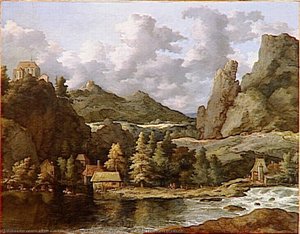
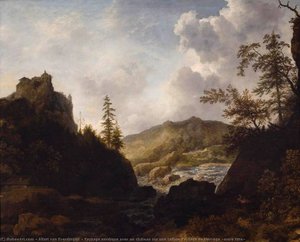
PAYSAGE RIVIERE DANS UNE VALLEE MONTAGNEUSE


 Read More
Hand Made Oil Reproduction
Hand-painted oil on canvas in your size and frame, made to order by our artists. ( Buy Print Buy Image)




P118B $10

P118H $10

P118W $10

P438Z $10

P508JH $12

P508YH $12

P805H $10

P805Z $10

P919BZ $10

P919G $10

P919XJ $10

P959ZH $10

P968JZ $12

W106C $8

W218G $10

W218JH $8

W218Y $10

W307PJ $10

W316G $10

W316PJ $8

W316Y $10

W398PJ $8

W4111J $10

W500HY $15

W500JH $15

W692G $12

W849H $8

W940BG $15

W953PJ $8




Pick from our preset sizes that match the artwork's original proportions.

You may enter your own dimensions to fit a specific frame or space. If your selected size does not match the original image's proportions, we will either crop the artwork or extend the painting with additional hand-painted elements. A digital mockup will be sent for your approval before production begins.
Please note that the on-screen preview does not reflect the actual cropping or extension. Only the mockup will accurately show the final composition.
While custom sizes are available, we recommend selecting a dimension from the predefined list to preserve the original proportions.
After order, ArtsDot.com team will email client for instructions and provide a mockup preview
Worldwide Delivery () in 3/4 weeks instead of standard 5 weeks. (17 August). No compromise on quality.

Free Worldwide Express Shipping

High-Quality Linen Canvas

Full Shipping Insurance

Customs Tax Refund Guarantee

True Color Matching Guarantee

60-Day Return Policy (Defects Only)

100% Money-Back Guarantee

Bulk Discount Offer
 Glass option is only available in size under 110 CM

PAYSAGE RIVIERE DANS UNE VALLEE MONTAGNEUSE
Reproduction Medium
Reproduction Size
-


Total Price
$ 263
Artwork Description
A Symphony of Light and Shadow: Exploring Allaert van Everdingen's Mountain Valley
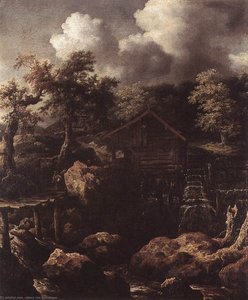
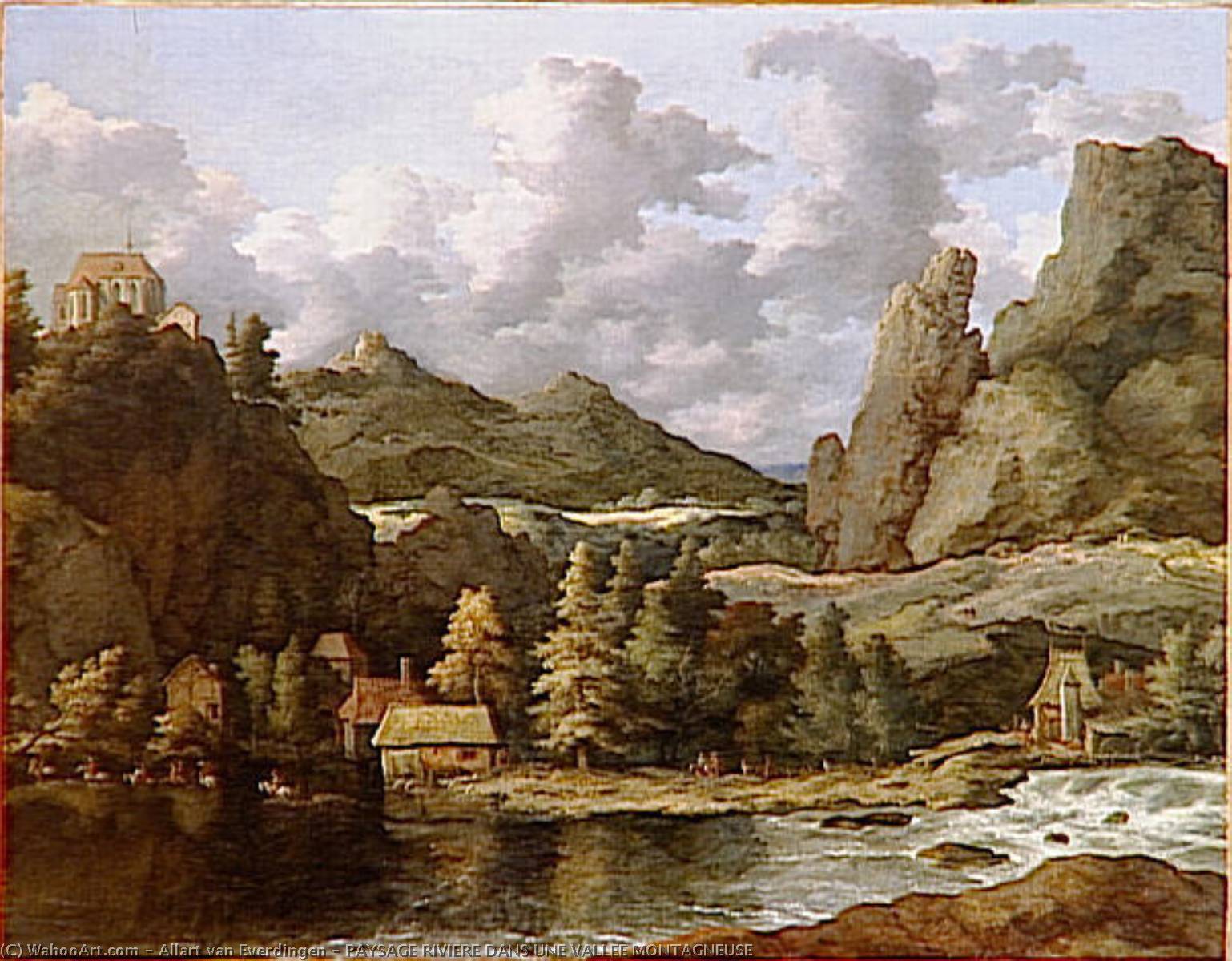
“PAYSAGE RIVIERE DANS UNE VALLEE MONTAGNEUSE,” a captivating landscape painting by the Dutch Golden Age master Allaert van Everdingen, transports us to a serene realm where nature reigns supreme. Completed around 1650, this oil on canvas is more than just a depiction of a mountain valley; it’s an immersive experience, a carefully orchestrated dialogue between light, shadow, and the profound beauty of the natural world. Van Everdingen, a pivotal figure in the development of Dutch landscape painting, moved beyond the purely topographical approach favored by his predecessors, embracing atmospheric perspective and dramatic lighting to evoke a powerful sense of mood and emotion.
The scene unfolds within a deeply contoured valley, bisected by a glistening river that snakes its way through the heart of the composition. Towering mountains dominate the background, their peaks shrouded in mist and partially obscured by billowing clouds – a technique characteristic of the artist’s fascination with the Norwegian landscape, inspired during his unexpected voyage to Scandinavia in 1644. This journey profoundly influenced his style, introducing him to new compositional strategies and a heightened sensitivity to atmospheric effects. The river acts as a visual anchor, drawing the viewer into the scene and creating a sense of depth that extends far beyond the immediate foreground.
The Language of Light: Technique and Artistic Vision
Van Everdingen’s mastery lies in his ability to render light with remarkable subtlety. He employs a muted color palette – predominantly browns, greens, and blues – creating a sense of quiet contemplation rather than vibrant spectacle. The use of atmospheric perspective is particularly noteworthy; distant elements are rendered in cooler tones and diminished detail, conveying the vastness and remoteness of the landscape. The artist’s brushstrokes are generally smooth and blended, contributing to the overall feeling of serenity and depth. Notice how he uses highlights to accentuate the texture of rocks and trees, while simultaneously softening shadows to create a sense of mystery and tranquility.
Furthermore, the composition adheres to a balanced triangular arrangement, with the highest peak acting as a visual apex. This structural element lends stability to the scene while also directing the viewer’s eye through the landscape. The inclusion of a small cluster of buildings nestled amongst the trees near the riverbank subtly introduces a human presence, reminding us of our connection to this wild and majestic environment – a delicate balance between nature's grandeur and the quiet intimacy of human settlement.
Symbolism and Emotional Resonance
“PAYSAGE RIVIERE DANS UNE VALLEE MONTAGNEUSE” resonates with themes of solitude, contemplation, and the sublime. The vastness of the landscape evokes a sense of humility in the face of nature’s power, while the quiet stillness invites introspection. The painting's somber mood – achieved through the muted color palette and diffused lighting – suggests a deeper emotional resonance, inviting viewers to connect with their own feelings of peace and wonder. The scene can be interpreted as an allegory for the human condition: a reminder of our fleeting existence within the enduring beauty of the natural world.
The painting’s historical context is crucial to understanding its significance. Van Everdingen's journey to Norway, prompted by a chance encounter with a storm at sea, marked a turning point in his artistic development. He began to prioritize atmospheric effects and emotional expression over purely representational accuracy, paving the way for future generations of landscape painters. “PAYSAGE RIVIERE DANS UNE VALLEE MONTAGNEUSE” stands as a testament to this transformative journey – a captivating blend of observation, imagination, and profound artistic vision.
Related Artworks
Artist Biography
The Master of the Northern Wild: The Life of Allaert van Everdingen
In the golden era of Dutch painting, where many masters sought to capture the serene, low-lying horizons of their homeland, Allaert van Everding and Everdingen carved a path toward something far more rugged and untamed. Born in Alkmaar around 1621, the son of a government clerk, Allaert was part of a family deeply rooted in the artistic traditions of the Netherlands. Alongside his brothers Jan and Caesar, he was shaped by the rigorous training of the Dutch Golden Age, beginning his journey under the tutelage of Roelandt Savery in Utrecht. This early exposure to Savery’s brilliant, almost fantastical style provided a foundation, yet Everdingen would eventually move far beyond the colorful legacies of the Brueghel school to find a voice that was uniquely atmospheric and profoundly dramatic.
The trajectory of his life changed irrevocably through a stroke of maritime fortune. In 1644, while traveling toward the Baltic Sea, a violent storm forced his ship to seek shelter in Norway. This unplanned detour, as recounted by the biographer Arnold Houbraken, would become the defining catalyst for his artistic evolution. Immersed in the breathtaking scenery of the Scandinavian coast, Everdingen found himself captivated by landscapes that were entirely alien to the Dutch eye: jagged mountains, rushing waterfalls, and dense, mysterious forests. He meticulously documented these excursions through sketches and drawings, capturing the raw energy of the Norwegian and Swedish terrain. When he eventually settled in Haarlem and later Amsterdam, these memories were transformed onto canvas, bringing a sense of the exotic and the sublime to the much more temperate Netherlands.
A Revolution of Light and Shadow
What distinguishes Everdingen from his contemporaries is not merely the subject matter he chose, but the revolutionary way in which he rendered it. While many landscape painters of the mid-17th century focused on clear, panoramic vistas, Everdingen embraced a system of powerful shading and rich, colored tones that acted as a precursor to the dramatic chiaroscuro later perfected by Rembrandt. His work moved away from the bright, even lighting of his predecessors toward a more emotive, atmospheric perspective. In his hands, a forest was not just a collection of trees, but a sanctuary of deep shadows and filtered light; a river was not merely water, but a churning force of nature reflected in the gloom of a rocky gorge.
His technical mastery extended into the realm of printmaking, where he utilized etching and mezzotint to explore the nuances of texture and depth. This versatility allowed him to translate the ruggedness of his Scandinavian inspirations into works that felt both tactile and ethereal. His ability to manipulate light created a sense of movement within the stillness of the landscape, making the viewer feel the dampness of the mist and the roar of the falls. This mastery of tone and texture ensured that his work resonated with a sense of drama that was rare among the more pastoral Dutch masters of his time.
Legacy and Historical Significance
The historical significance of Allaert van Everdingen lies in his role as a bridge between the classical landscape traditions and the burgeoning Romantic movement. By introducing the motifs of the wild, northern wilderness into the Dutch canon, he expanded the emotional vocabulary of landscape painting. His influence can be traced through the works of later masters, most notably Jacob van Ruisdael, who adopted many of the rugged, atmospheric elements that Everdingen had pioneered. The artist’s ability to find beauty in the formidable and the untamed helped shift the focus of landscape art from mere topographical documentation to a profound exploration of nature's power.
Though he passed away in Amsterdam in 1675, his impact remained etched in the annals of art history. His life serves as a testament to how unexpected journeys can reshape an artistic vision, turning a maritime mishap into a lifelong mission to capture the sublime. Today, we remember him not just as a painter of scenery, but as a pioneer who brought the soul of the Scandinavian wilderness to the heart of the Dutch Golden Age.
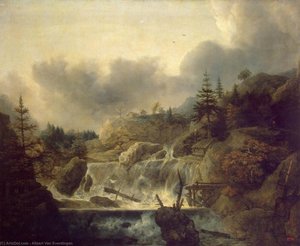
allaert van everdingen
1621 - 1675
Quick Facts
- Artistic Movement Or Style: Dutch Golden Age Landscape Painting
- Artists Or Movements Influenced By This Artist: ['Rembrandt']
- Artists Who Influenced This Artist:
- Roelandt Savery
- Jan van Goyen
- Date Of Birth: June 18, 1621
- Date Of Death: November 8, 1675
- Full Name: Allaert van Everdingen
- Nationality: Dutch
- Notable Artworks:
- De geschutgieterij Julita Bruk van de familie Trip
- Scandinavian Rocky River Landscape
- Paysage Scandinave près de Mölndal
- Place Of Birth: Alkmaar, Netherlands
Related Articles
Van Gogh's Masterpieces: Explore 25 Iconic Paintings & Art for Your Home
Journey through Vincent van Gogh's 25 most iconic paintings! Explore 'Starry Night', 'Sunflowers,' and more—discover the stories, techniques & emotions behind these Post-Impressionist masterpieces. Find museum-quality art reproductions for your home at ArtsDot.com.

Romantic Landscapes: 10 Masterpieces for Your Home | ArtsDot
Journey through 10 Romantic landscape masterpieces by Friedrich, Turner & Cole. Explore emotional art, sublime nature scenes & iconic 19th-century paintings. Find museum-quality reproductions for your home at ArtsDot.com – discover the full collection online!
Jan van Goyen: Master of Dutch Landscape & Atmospheric Perspective
Discover Jan van Goyen, the master of Dutch landscape painting. Explore his subtle technique, atmospheric realism & lasting influence on art history. Learn about this 17th-century pioneer at ArtsDot.

Rembrandt's Masterpieces: Explore 25 Iconic Paintings & Prints | ArtsDot
Journey through Rembrandt van Rijn's 25 most iconic paintings & etchings. Explore Dutch Golden Age masterpieces, dramatic chiaroscuro, and timeless portraits. Find museum-quality art reproductions to elevate your home decor on ArtsDot.com.
Cornelis van Poelenburch: Bridging Mannerism & the Dutch Baroque Landscape
Discover Cornelis van Poelenburch, a pivotal Dutch Baroque landscape painter bridging Mannerism & Italianate styles. Explore his life, key works, and lasting influence on 17th-century art with ArtsDot.